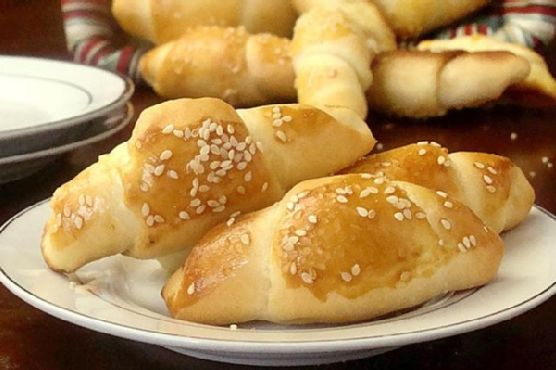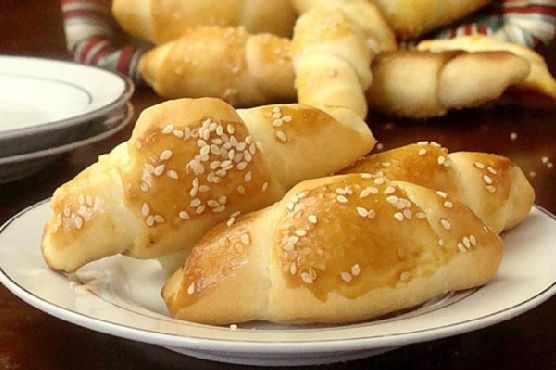
Croissants With Sesame Seeds (Kifli) | Made by Meaghan Moineau

Croissants With Sesame Seeds (Kifli): A Taste of Home

Intro

There’s something deeply satisfying about baking, a process that transforms humble ingredients into something truly special. For me, making croissants with sesame seeds—or kifli as my grandmother called them—evokes a nostalgic warmth that harks back to bustling family kitchens filled with chatter and the comforting aroma of freshly baked goods. I remember watching my grandmother skillfully roll the dough, her fingers working with practiced ease as she shared stories of her childhood. These croissants are not just a treat; they are a bridge to the past, a delightful experience to be shared with loved ones.

Why You’ll Love It

These croissants with sesame seeds are a delightful twist on a classic pastry. They are light, flaky, and topped with crunchy sesame seeds that add an extra layer of flavor. Whether you’re enjoying them fresh out of the oven with a cup of coffee or as a savory snack throughout the day, these kifli are sure to become a family favorite. Plus, the process of making them can be a rewarding experience, allowing you to slow down and enjoy the art of baking.

Ingredients

  • 1 cup lukewarm milk
  • 1 tablespoon dry active yeast
  • 2 tablespoons sugar
  • 6 cups flour, plus extra for kneading
  • 1 teaspoon baking powder
  • 1 teaspoon salt
  • 1/2 cup vegetable oil
  • 4 eggs, separated
  • 1/2 cup margarine
  • Sesame seeds for topping

Instructions

  1. In a large, deep mixing bowl, pour in the lukewarm milk. Stir in the sugar, 2 tablespoons of flour, and the yeast. Let it stand for ten minutes to allow the yeast to activate.
  2. Add in the baking powder, salt, vegetable oil, egg whites, and 6 cups of flour. Stir with a wooden spoon until the mixture is well incorporated. As the dough comes together, you may need to use your hands to ensure it is thoroughly mixed.
  3. Transfer the dough to a lightly floured surface and knead it for 10 minutes until smooth and elastic.
  4. Place the dough in a large bowl, cover it with a clean kitchen towel, and let it rise for one hour in a warm place.
  5. Preheat your oven to 375°F (190°C).
  6. After the dough has risen, return it to your working area and knead it again for another 5 minutes to remove any air bubbles.
  7. Form the dough into a log and cut it into 5 or 6 equal pieces. Keep the pieces you are not currently working with covered with a kitchen towel to prevent them from drying out.
  8. Take one piece of dough and roll it out to the size of a medium pizza. Use a knife to cut the rolled-out dough into 8 equal slices.
  9. Starting at the widest part of each slice, roll it towards the narrowest point to form croissants. Place them on a lightly greased baking sheet.
  10. In a small mixing bowl, whisk the egg yolks and brush each croissant with the egg yolk mixture. Sprinkle sesame seeds over the top of each croissant.
  11. Add 4 or 5 small pieces of margarine around the baking sheet for added flavor and moisture.
  12. Bake the croissants for 15 to 20 minutes, or until they are golden brown. Cover them with a kitchen towel while they cool to keep them soft.
  13. Serve immediately or store in an airtight container to maintain freshness.

Tips

For the best results, ensure that your ingredients are at room temperature before you start baking. This will help the dough rise more effectively. Additionally, be gentle when kneading to avoid overworking the dough, which can make the croissants tough. If you’re new to baking, don’t worry if your croissants aren’t perfect the first time; practice makes perfect!

Variations & Substitutions

If you’re looking to mix things up, consider adding a filling to your croissants before rolling them up. Cheese, chocolate, or a sweet jam can add a delightful surprise to each bite. For a dairy-free version, substitute the milk with almond or soy milk and use a vegan margarine. You can also experiment with different seeds or toppings, such as poppy seeds or coarse sea salt, for a unique flavor twist.

Storage

To keep your croissants fresh, store them in an airtight container at room temperature for up to two days. If you want to keep them longer, consider freezing them. Wrap each croissant in plastic wrap and place them in a freezer-safe bag. When you’re ready to enjoy them, simply reheat in the oven at 350°F (175°C) until warm and crispy.

FAQ

Can I make the dough ahead of time?

Yes, you can prepare the dough in advance. After kneading, cover the dough and refrigerate it overnight. Let it come to room temperature and rise before proceeding with the recipe.

What can I do if my dough doesn’t rise?

If your dough doesn’t rise, it could be due to inactive yeast. Make sure your yeast is fresh and that the milk is warm but not hot, as high temperatures can kill yeast. If the dough still doesn’t rise, you might need to start over with fresh yeast.

Can I use butter instead of margarine?

Absolutely! Butter can be used in place of margarine if you prefer. It will add a richer flavor to the croissants, which many people enjoy.

Nutrition

While these croissants are a treat, it’s helpful to know what you’re enjoying. Each croissant contains approximately 200 calories, depending on the size and any additional fillings or toppings added. They also provide a modest amount of protein and carbohydrates, making them a satisfying snack or breakfast option.

Conclusion

Baking croissants with sesame seeds is more than just making a delicious treat; it’s an opportunity to connect with tradition and savor the simple joys of life. Whether you’re sharing them with family, enjoying them alone as a peaceful moment of indulgence, or gifting them to friends, these kifli are sure to bring warmth and happiness. So, gather your ingredients, roll up your sleeves, and enjoy the delightful journey of baking these irresistible croissants.

Related update: Croissants With Sesame Seeds (Kifli)
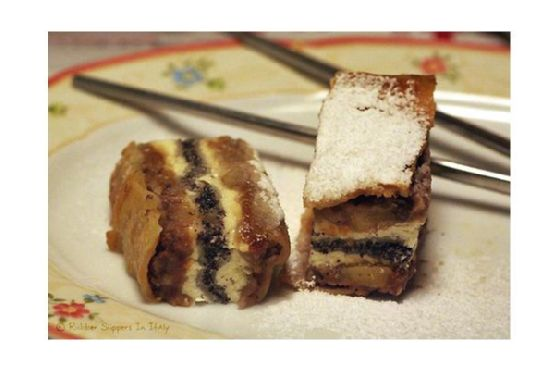
Layered Poppy Seed Pastries | Made by Meaghan Moineau

Layered Poppy Seed Pastries

Intro

There’s something truly magical about the smell of freshly baked pastries wafting through the house. It brings back memories of my grandmother’s kitchen, where she would whip up delightful treats that danced between the layers of sweet and savory. One of my fondest memories is of the layered poppy seed pastries she would make during the holiday season. The combination of buttery pastry, rich poppy seed filling, and a hint of lemon zest was a symphony of flavors that never failed to bring joy to our family gatherings. Today, I’m excited to share this treasured recipe with you, so you too can create cherished memories with your loved ones.

Why You’ll Love It

This recipe for Layered Poppy Seed Pastries is a celebration of texture and flavor. The delicate layers of pastry are both crisp and tender, providing the perfect vessel for the rich, nutty poppy seed filling. Here are a few reasons why you’ll fall in love with this recipe:

  • Traditional Charm: This recipe has been passed down through generations, capturing the essence of time-honored baking techniques.
  • Make-Ahead Friendly: These pastries can be prepared in advance and stored in the freezer, making them a convenient treat for any occasion.
  • Versatile Serving Options: Whether as a delightful breakfast, a sweet afternoon snack, or a gift for loved ones, these pastries are perfect for any time of day.

Ingredients

  • 1 packet dry yeast
  • 1 cup warm milk
  • 1 tablespoon sugar
  • 4 cups flour
  • 1 teaspoon baking powder
  • 1 teaspoon salt
  • 1 tablespoon lemon zest
  • 1 cup butter, cold and cut into pieces
  • 1 whole egg plus 1 egg yolk, beaten
  • 1 teaspoon vanilla extract
  • 1 can poppy seed filling
  • 1 cup ground walnuts
  • 1/4 cup sugar
  • Dash of sugar for yeast mixture
  • Water

Instructions

  1. In a small bowl, mix warm milk, sugar, and yeast until the yeast dissolves. Set aside to proof.
  2. In a large bowl, blend flour, baking powder, salt, and lemon zest. Add butter and mix until the mixture is crumbly.
  3. Beat the egg, egg yolk, and vanilla extract in a small bowl. Add to the flour mixture alternately with the milk mixture. Blend until the dough comes together.
  4. Transfer the dough to a floured board and divide it into 4 parts. Knead each part into a flat disc, then wrap in plastic wrap and refrigerate for 1 hour.
  5. Spoon the poppy seed filling into a pastry bag. In a small bowl, blend sugar and ground walnuts.
  6. Roll each disc of dough into a thin sheet large enough to fit into a 13×9-inch baking dish. Trim each sheet to fit the dish.
  7. Arrange one sheet of dough in the bottom of the baking dish. Pipe or spread half of the poppy seed filling evenly over the dough.
  8. Cover with a second sheet of dough and sprinkle with 1 cup of the walnut filling.
  9. Arrange a third sheet of dough on top and repeat with another layer of poppy seed filling.
  10. Top with the remaining sheet of dough. Cover with a kitchen towel and let stand for 30 minutes.
  11. Brush the top with the remaining egg yolk mixture. Bake at 350°F until golden brown, about 45 minutes.
  12. While hot, cut into 24 squares. Allow to cool in the pan.

Tips

  • Chill the Dough: Chilling the dough helps in handling and rolling it out more easily.
  • Even Layers: For a clean and professional look, try to spread the fillings as evenly as possible between the layers.
  • Bake Until Golden: Ensure the pastries are a lovely golden brown to guarantee a crispy texture.

Variations & Substitutions

Feel free to get creative with these pastries! Here are some ideas to switch things up:

  • Alternate Fillings: Swap the poppy seed filling for a sweet ricotta or fruit preserve for a different flavor profile.
  • Nuts: If walnuts aren’t your favorite, try using almonds or pecans instead.
  • Glaze: Drizzle a light lemon or vanilla glaze on top for added sweetness and decoration.

Storage

These pastries are perfect for making ahead and storing:

  • Room Temperature: Store in an airtight container for up to 3 days.
  • Freezer: Wrap each pastry in plastic wrap, then foil, and place in resealable plastic bags. They can be frozen for up to 3 months. Just defrost and enjoy!

FAQ

Can I make the dough in advance?

Yes, you can prepare the dough and keep it wrapped in the refrigerator for up to 24 hours before rolling it out and assembling the pastries.

What if I don’t have a pastry bag?

No worries! You can simply use a spoon to spread the poppy seed filling evenly over the dough layers.

Can I make these pastries gluten-free?

While I’ve not tested this recipe with gluten-free flour, a 1:1 gluten-free baking flour might work as a substitute. Just be aware that the texture may vary slightly.

Nutrition

This recipe yields 24 pastries. Each pastry contains approximately:

  • Calories: 180
  • Fat: 10g
  • Carbohydrates: 19g
  • Protein: 3g

Conclusion

There you have it, a delightful recipe for Layered Poppy Seed Pastries that is sure to become a favorite in your home. Whether you’re creating new traditions or celebrating old ones, these pastries are a testament to the joy of baking. I hope this recipe brings warmth and happiness to your table, just as it has to mine. Happy baking!

Related update: Layered Poppy Seed Pastries

Related update: Croissants With Sesame Seeds (Kifli)

Berry & Ricotta Danishes | Made by Meaghan Moineau

Berry & Ricotta Danishes

Intro

There’s something truly magical about the smell of freshly baked pastries wafting through the kitchen. It transports me back to my grandmother’s cozy kitchen, where every Sunday morning was a celebration of buttery, flaky goodness. One of my fondest memories is watching her skillfully craft the most delightful pastries, her hands moving with the grace of years of practice. Today, I want to share a recipe inspired by those cherished mornings: Berry & Ricotta Danishes. These danishes are a perfect blend of creamy ricotta, vibrant berries, and the light, airy texture of puff pastry, making them an irresistible treat for any occasion.

Why You’ll Love It

This Berry & Ricotta Danishes recipe is a must-try for several reasons:

  • It’s quick and easy, perfect for beginners and seasoned bakers alike.
  • The combination of creamy ricotta and juicy berries is simply divine.
  • Each pastry is a beautiful, individual serving, making them perfect for entertaining guests.
  • The ingredients are versatile and can be adjusted based on what’s in season or your personal preferences.

Ingredients

  • Glaze
  • Poached berries
  • Blueberries
  • Egg yolk
  • Pastry
  • Flour
  • Icing sugar
  • Fresh lemon juice
  • Lemon zest
  • Puff pastry
  • Ricotta cheese
  • Strawberries
  • Castor sugar
  • Vanilla extract
  • Water

Instructions

  1. Place the berries in a saucepan over medium-low heat. Sprinkle on castor sugar and add water. Cover the saucepan with a lid and shake to coat the berries. Poach berries for about 5 minutes or until they soften but still retain their shape. Set aside to cool.
  2. Preheat the oven to 180°C (350°F).
  3. Make the ricotta filling by combining all ingredients in a mixing bowl. Mix well with a wooden spoon to thoroughly combine. Set aside.
  4. Prepare the glaze by mixing icing sugar and lemon juice together in a small bowl. Mix well and set aside.
  5. Remove the pastry from the refrigerator and place sheets on a clean, dry surface. Use a small, sharp knife to cut ten 8cm x 6cm (3″ x 2.5″) rectangles.
  6. Place 5 of the pastry rectangles on the lined baking sheet, ensuring there is space between them as they will expand. Lightly brush edges with a little water. These are your “pastry rectangle bases”.
  7. Cut smaller rectangles out of the remaining 5 pastry rectangles to create frames of about 1.5cm (1/2″) in width.
  8. Place the frames on top of the pastry bases on the baking sheet. Fill the middle of the frame with about 3-4 tablespoons of ricotta mixture. Top with several berries, reserving some for topping once the danishes are baked.
  9. Repeat the process with the remaining pastry frames. Place in the oven and bake for 15 to 18 minutes or until the pastry puffs up and is golden.
  10. Remove from the oven and cool on a wire rack. Top with remaining poached berries and sprinkle on a little icing sugar just before serving.

Tips

  • Ensure your puff pastry is cold when you begin working with it to help prevent sticking and ensure the best rise.
  • Use a sharp knife to cut the pastry for clean edges.
  • Don’t overfill the pastries to prevent them from spilling over while baking.

Variations & Substitutions

Feel free to get creative with this recipe! You can substitute the berries for other fruits such as peaches or apples, depending on the season. If you’d like a bit more sweetness, add a tablespoon of honey to the ricotta mixture. For a zestier flavor, include a teaspoon of lemon zest in the ricotta filling. If you prefer a more traditional pastry, try using cream cheese instead of ricotta.

Storage

These danishes are best enjoyed fresh but can be stored in an airtight container at room temperature for up to two days. If you plan to keep them longer, refrigerate for up to five days and warm them in the oven before serving.

FAQ

Can I use frozen berries for this recipe?

Yes, you can use frozen berries. Just make sure to thaw and drain them well before using to prevent excess moisture in the pastries.

Can I prepare these danishes in advance?

Yes, you can prepare the components in advance. Poach the berries, make the ricotta filling, and cut the pastry rectangles a day ahead. Store them separately and assemble just before baking for the best results.

Nutrition

While exact nutritional values will vary based on specific ingredients and brands used, a single danish typically contains approximately:

  • Calories: 250
  • Protein: 5g
  • Fat: 15g
  • Carbohydrates: 25g
  • Fiber: 1g
  • Sugars: 10g

Conclusion

These Berry & Ricotta Danishes are a delightful way to bring a touch of bakery magic into your home. They’re not just a treat for your taste buds but also a feast for the eyes. Whether you’re making them for a special occasion or just because, I hope this recipe becomes a beloved staple in your kitchen. May each bite bring you as much joy as it does to me, and perhaps even inspire some fond memories of your own.

Related update: Berry & Ricotta Danishes

Related update: Green Tea Fruit Medley Smoothie

Blueberry Almond Crescent Rolls | Made by Meaghan Moineau

Blueberry Almond Crescent Rolls

Intro

Growing up, my grandmother’s kitchen was always filled with the most incredible aromas. On Sunday mornings, the smell of fresh pastries would waft up the stairs and gently coax me out of bed. One of my fondest memories is of her blueberry almond crescent rolls, golden and flaky, with a hint of almond that balanced perfectly with the sweet-tart blueberry jam. This recipe is my homage to those cherished mornings, bringing a piece of nostalgia to your kitchen. Whether you’re making these for a special brunch or just because, these crescent rolls promise to deliver warmth and joy with every bite.

Why You’ll Love It

These Blueberry Almond Crescent Rolls are the perfect blend of simplicity and elegance. The flaky pastry is filled with a luscious cream cheese and blueberry filling, kissed with almond essence. The rolls are easy to make yet look and taste like they took hours to prepare. Perfect for breakfast, brunch, or a delightful dessert, these crescent rolls are sure to become a family favorite. The combination of textures and flavors will leave everyone reaching for seconds.

Ingredients

  • 1 teaspoon almond extract
  • 1/2 cup blueberry jam
  • 4 oz cream cheese, softened
  • 1 can (8 oz) regular crescent rolls
  • 1 egg
  • 1 tablespoon water
  • 1 tablespoon all-purpose flour
  • 1 tablespoon milk
  • Pinch of sea salt
  • 1/4 cup confectioner’s sugar, divided
  • Turbinado sugar for sprinkling

Instructions

  1. Preheat your oven to 375 degrees F and line a large baking sheet with parchment paper or a silicone baking mat. Set aside.
  2. In the bowl of your stand mixer, with paddle attachment fixed (or a handheld electric mixer may be used), combine the cream cheese, blueberry jam, 2 tablespoons of confectioner’s sugar, flour, salt, and 1 teaspoon of almond extract. Mix until smooth, about 30 seconds. Set aside.
  3. Lay your crescent roll wedges out on a large work surface. Take about a tablespoon of the cream cheese mixture and dollop it on the wide end of each crescent roll. Roll them up until the narrow end is sealed underneath.
  4. Transfer them to the prepared baking sheet and brush them with the egg wash. Sprinkle with turbinado sugar.
  5. Place the crescent rolls in the oven and bake for 13-15 minutes, or until puffed and golden. Remove from heat and transfer to a wire rack to cool.
  6. While the crescent rolls are cooling, prepare your glaze. In a medium bowl, combine the remaining 2 tablespoons of confectioner’s sugar, remaining 1 teaspoon of almond extract, and milk. Whisk until smooth. Adjust seasoning by adding a pinch of sea salt if you find that the glaze is too sweet.
  7. Drizzle the glaze on the slightly cooled crescent rolls and serve immediately. Enjoy!

Tips

For the best results, ensure your cream cheese is at room temperature before mixing to achieve a smooth filling. When rolling the crescents, try not to overfill them to avoid the filling spilling out during baking. If you prefer a stronger almond flavor, consider adding a few extra drops of almond extract to the glaze. Allow the crescent rolls to cool for a few minutes before glazing to prevent the glaze from melting off completely.

Variations & Substitutions

If you’re looking to mix things up, try substituting raspberry or apricot jam for the blueberry jam. You can also add a handful of chopped almonds to the filling for an added crunch. For a dairy-free version, use a dairy-free cream cheese alternative and plant-based milk for the glaze. If you’re not a fan of almond extract, vanilla extract makes a lovely substitute.

Storage

These crescent rolls are best enjoyed fresh, but if you have leftovers, store them in an airtight container at room temperature for up to two days. For longer storage, place them in the refrigerator for up to a week. To reheat, simply pop them in the oven at 350 degrees F for a few minutes.

FAQ

Can I make these crescent rolls ahead of time?

Yes, you can prepare the rolls up to the baking step and store them in the refrigerator for a few hours. Bake them fresh when you’re ready to serve.

Can I freeze these crescent rolls?

Absolutely! After baking, let them cool completely, then freeze in a single layer on a baking sheet. Transfer to a freezer-safe container or bag for up to three months. To serve, thaw overnight in the refrigerator and reheat in the oven.

What can I use instead of turbinado sugar?

If you don’t have turbinado sugar, you can use regular granulated sugar or skip the sugar topping altogether for a less sweet option.

Nutrition

While these crescent rolls are a delightful treat, they are rich and best enjoyed in moderation. Each roll contains approximately 180 calories, 9 grams of fat, 22 grams of carbohydrates, and 3 grams of protein. Always consider your dietary needs and adjust portion sizes accordingly.

Conclusion

Blueberry Almond Crescent Rolls are a delightful way to bring a touch of nostalgia and warmth to your table. Perfect for special occasions or simply to indulge in a moment of sweetness, these rolls are sure to impress with their delicate balance of flavors and textures. Whether you’re a seasoned baker or a novice in the kitchen, this recipe is straightforward yet rewarding. Gather your ingredients, embrace the comforting aroma, and enjoy the satisfaction of creating something truly delicious. Happy baking!

Related update: Blueberry Almond Crescent Rolls

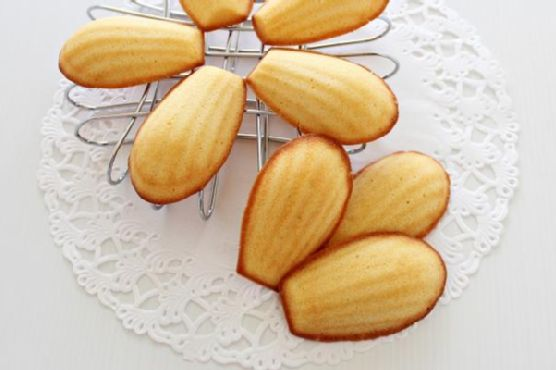
Yoghurt Honey Madeleines | Made by Meaghan Moineau

Yoghurt Honey Madeleines

Intro

There’s something magical about the delicate, shell-shaped madeleines that transport me back to my grandmother’s cozy kitchen. As a child, I would sit on a high stool, eagerly watching her expertly prepare these delightful French treats. The sweet aroma of honey and the comforting scent of butter would envelop the room, creating a warm and inviting atmosphere. Today, I’m excited to share this cherished recipe with you, adding a twist of natural yoghurt for an extra touch of moisture and tang.

Why You’ll Love It

Yoghurt Honey Madeleines are a delightful blend of classic French pastry with a modern twist. Here’s why they’ll win you over:

  • Moist and Tender: The addition of natural yoghurt ensures each bite is perfectly moist and tender.
  • Sweet and Subtle: The honey adds a delicate sweetness that pairs beautifully with the buttery richness.
  • Simple Ingredients: You likely have most of these ingredients in your pantry already.
  • Quick to Bake: With just a short baking time, these madeleines are perfect for a quick treat.
  • Elegant Presentation: Their unique shape and golden hue make them an impressive addition to any dessert table.

Ingredients

  • 1 egg
  • 2 tablespoons honey
  • 50g sugar
  • 50g natural yoghurt
  • 100g plain flour
  • 1 teaspoon baking powder
  • 100g butter, melted
  • Extra soft butter for greasing

Instructions

  1. Preheat your oven to 180°C (356°F). Grease your madeleine mould with some soft butter and set aside.
  2. In a mixing bowl, gently whisk the egg. Add in the sugar and honey, and continue whisking until the sugar has dissolved.
  3. Add the natural yoghurt to the mixture and whisk vigorously until the batter becomes foamy.
  4. Sift the plain flour and baking powder together, then gradually add them into the batter, mixing until combined and the mixture becomes a thick paste.
  5. Slowly incorporate the melted butter into the batter in two batches, ensuring it is mixed well with each addition.
  6. Using a spoon, scoop the batter into the prepared madeleine moulds.
  7. Bake in the preheated oven for about 12 minutes or until a skewer inserted comes out clean.
  8. Remove the madeleines from the mould and place them on a wire rack to cool.

Tips

For the best results, here are some tips to consider:

  • Use Room Temperature Ingredients: This ensures better mixing and a smoother batter.
  • Don’t Overfill the Moulds: Fill each mould about 3/4 full to allow room for the madeleines to rise.
  • Chill the Batter: For a more pronounced hump, chill the batter for at least 30 minutes before baking.
  • Be Gentle: When incorporating the flour, fold gently to keep the batter light and airy.

Variations & Substitutions

Feel free to experiment with these variations and substitutions to suit your taste:

  • Flavored Yoghurt: Try using flavored yoghurt, such as vanilla or lemon, for an extra layer of flavor.
  • Spices: Add a pinch of cinnamon or nutmeg for a warm, spiced version.
  • Gluten-Free: Substitute the plain flour with a gluten-free flour blend to accommodate dietary needs.
  • Citrus Zest: Add a teaspoon of lemon or orange zest to the batter for a zesty twist.

Storage

Store your Yoghurt Honey Madeleines in an airtight container at room temperature for up to 2 days. For longer storage, you can freeze them for up to a month. When ready to enjoy, thaw them at room temperature and warm slightly in the oven for that fresh-baked feel.

FAQ

Can I make the batter ahead of time?

Yes, you can prepare the batter a day in advance. Simply cover the bowl with plastic wrap and refrigerate. When you’re ready to bake, let the batter come to room temperature before scooping it into the moulds.

Why didn’t my madeleines rise properly?

If your madeleines didn’t rise, it might be due to insufficient baking powder or overmixing the batter. Ensure your baking powder is fresh and be gentle when folding in the flour to maintain airiness in the batter.

How can I achieve the classic madeleine hump?

To achieve the classic hump, chill the batter for at least 30 minutes before baking. The contrast between the cold batter and hot oven helps create that signature rise.

Nutrition

Each Yoghurt Honey Madeleine contains approximately 90 calories, 5g of fat, 10g of carbohydrates, and 2g of protein. These values are estimates and can vary based on ingredient brands and measurements.

Conclusion

Yoghurt Honey Madeleines are a delightful fusion of tradition and a modern twist, perfect for any occasion. Whether you’re enjoying them with a cup of tea or as a sweet treat after a meal, these madeleines are sure to impress with their moist texture and subtle sweetness. I hope this recipe brings as much joy to your kitchen as it does to mine. Happy baking!

Related update: Yoghurt Honey Madeleines

Related update: Blueberry Almond Crescent Rolls

Related update: Tart Raspberry Sorbet with a Hint of Heat

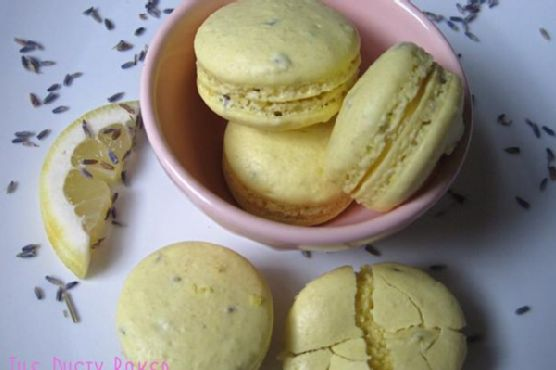
Lavender Tea With Lemon French Macarons | Made by Meaghan Moineau

Lavender Tea With Lemon French Macarons

Intro

There’s something undeniably magical about French macarons. These delicate, airy confections have an exquisite texture that melts in your mouth. I remember the first time I tasted a macaron; it was a crisp autumn afternoon in Paris, and I was sitting in a quaint little café, watching the world go by. The macaron was lavender with a hint of lemon, and it was love at first bite. Ever since that day, I’ve been on a mission to recreate that perfect macaron, and I’m thrilled to share my Lavender Tea with Lemon French Macarons recipe with you.

Why You’ll Love It

This recipe captures the essence of a sunny afternoon spent in a fragrant, blooming garden. The floral notes of the lavender pair beautifully with the zesty lemon, creating a macaron that’s both refreshing and indulgent. Whether you’re hosting a tea party or simply treating yourself to a moment of bliss, these macarons are sure to impress.

Ingredients

  • 1 cup almond flour
  • 1/4 teaspoon cream of tartar
  • 3 large egg whites
  • 1 tablespoon dried lavender
  • 1 tablespoon lemon zest
  • 1 3/4 cup powdered sugar
  • 1/4 cup white sugar
  • Yellow food coloring

Instructions

  1. Pulse the almond flour and powdered sugar until blended, then sift twice to ensure all larger pieces of almond are separated out and the flour is blended well. Add the lemon zest and lavender to the flour mixture and set aside.
  2. Pulse the white sugar in a processor until very fine.
  3. In the large bowl of a standing mixer or by hand, start whipping the egg whites until foamy. Add a pinch of cream of tartar, and whip until soft peaks form.
  4. Reduce speed to low and add the fine white sugar one tablespoon at a time. When fully incorporated, increase speed to medium and then to high, and whip until stiff peaks form. Timing varies on this, and this is where practice makes perfect. Add your food coloring gel when almost completely done whipping.
  5. Sift 1/3 of the flour mixture into the egg whites and fold in completely. Repeat until all the flour is incorporated. You want to fold in until the batter is smooth, but still light.
  6. Spoon into a pastry bag fitted with a large tip. Pipe 1-inch rounds onto parchment-lined baking sheets, pulling the tip to the side to avoid leaving a peak mark.
  7. Tap the pan somewhat assertively on the counter to remove any trapped air and help the batter settle. Let sit for 30 minutes to 2 hours, until a shell forms on the top and a finger pressed lightly doesn’t leave a mark.
  8. Preheat your oven to around 300°F. Bake macarons in the fully preheated oven for 5 minutes, turn the pan, and bake for around 8 more minutes, or until the feet of the macaron are a bit sturdier than soft.
  9. Cool on sheets for two minutes, then remove to a rack to cool completely.
  10. Fill with prepared lemon curd and refrigerate to harden. Serve at room temperature with tea.

Tips

  • Ensure that all your mixing bowls and utensils are clean and dry before starting. Any grease or moisture can prevent the egg whites from whipping properly.
  • Practice makes perfect. Macarons can be finicky, so don’t be discouraged if your first batch isn’t perfect. Keep trying, and you’ll get the hang of it!
  • Use a silicone baking mat or parchment paper to prevent the macarons from sticking to the baking sheet.

Variations & Substitutions

If you’re looking to switch things up, consider these variations:

  • Flavor Variations: Swap the lemon zest and lavender for other flavors like orange zest and vanilla, or raspberry and rose.
  • Nut-Free Option: Substitute the almond flour with sunflower seed flour for a nut-free version.
  • Color Customization: Use different food coloring gels to create macarons in a rainbow of colors.

Storage

Macarons are best enjoyed fresh, but they can be stored in an airtight container in the refrigerator for up to 5 days. For longer storage, you can freeze them for up to a month. Just be sure to thaw them at room temperature before serving.

FAQ

Why are my macarons cracked?

Cracked macarons can be caused by under-mixing the batter or not allowing the shells to dry properly before baking. Make sure you fold the batter until it flows like lava, and let the shells rest until they form a skin on top.

How do I know when my egg whites are whipped enough?

The egg whites should be whipped until they form stiff peaks. When you lift the whisk, the peaks should stand straight up without drooping. Be careful not to over-whip, as this can cause the macarons to become dry.

Can I use liquid food coloring?

It’s best to use gel food coloring, as liquid food coloring can alter the consistency of the batter and affect the final texture of the macarons.

Nutrition

While these macarons are a delightful treat, it’s important to enjoy them in moderation. Each macaron is approximately 100 calories, with most of the calories coming from sugar and fat. They are naturally gluten-free, making them a great option for those with gluten sensitivities.

Conclusion

Baking macarons is both an art and a science, and it requires patience and practice. But once you master the technique, you’ll be able to create these delightful confections with ease. The combination of lavender and lemon in this recipe offers a unique twist on classic macarons, bringing a touch of elegance to any occasion. So, put on your apron, brew a pot of your favorite tea, and indulge in the simple pleasure of homemade macarons. Bon appétit!

Related update: Lavender Tea With Lemon French Macarons

Related update: Three Ingredient Frozen Pina Colada

Related update: Vegan Dirty Chai Pudding

Bourbon Street Beignets | Made by Meaghan Moineau

Bourbon Street Beignets: A Taste of New Orleans

Intro

There’s something magical about the first bite of a warm beignet, dusted with a generous layer of powdered sugar. My first encounter with these delightful pastries was on a humid summer evening in New Orleans. The air was filled with the lively sounds of jazz, and the sweet aroma of these golden bites wafted through the streets. Every bite took me back to that bustling corner of the French Quarter, where laughter mingled with the sounds of trumpets and saxophones. Today, I’m thrilled to share with you a recipe that brings a piece of Bourbon Street right into your kitchen.

Why You’ll Love It

This Bourbon Street Beignets recipe is a love letter to New Orleans’ vibrant culinary scene. You’ll love the simplicity and authenticity of this recipe, which captures the essence of traditional beignets found in the heart of the French Quarter. The light, airy texture paired with the delicate sweetness of powdered sugar is an unbeatable combination. Plus, making these at home is a delightful way to bring a touch of Southern charm to your dessert table.

Ingredients

  • 1 egg
  • 3 1/2 cups flour, divided
  • 1 cup heavy cream
  • Vegetable oil, for frying
  • Powdered sugar, for dusting
  • 1/2 teaspoon salt
  • 2 tablespoons shortening
  • 1/4 cup sugar
  • 1 cup hot water
  • 1 package (or 2 1/4 teaspoons) active dry yeast

Instructions

  1. Dissolve the yeast in warm water according to package instructions and set aside.
  2. In a large bowl, combine sugar, shortening, salt, and hot water. Stir until the shortening is melted and the sugar is dissolved. Allow the mixture to cool to lukewarm.
  3. Add the heavy cream, egg, 3 cups of flour, and the yeast mixture to the sugar-shortening mix.
  4. Attach the bowl to a stand mixer with a dough hook. Turn to speed “2” and mix for 2 minutes.
  5. Add the remaining flour, 1/2 cup at a time, mixing until the dough clings to the hook and cleans the sides of the bowl, about 5 minutes longer.
  6. Place the dough on a lightly floured board and roll into a 10×24 inch rectangle.
  7. Using a sharp knife, cut the dough into 2-inch squares.
  8. In a large heavy saucepan or deep fat fryer, heat the oil to 360 degrees Fahrenheit.
  9. Fry the doughnuts, turning to brown on both sides, about 3 minutes.
  10. Drain on absorbent towels and sprinkle generously with powdered sugar while warm.

Tips

For the best results, ensure your water is warm but not too hot when dissolving the yeast, as excessively hot water can kill the yeast. When frying, maintain a consistent oil temperature to achieve that perfect golden brown color. A candy thermometer can be a helpful tool to ensure the oil stays at the right temperature.

Variations & Substitutions

If you’re feeling adventurous, try adding a splash of vanilla extract or a hint of nutmeg to the dough for additional depth of flavor. For a gluten-free version, substitute the all-purpose flour with a gluten-free flour blend, keeping in mind that the texture might vary slightly. You can also experiment with different toppings; a drizzle of chocolate or caramel sauce can add a decadent twist.

Storage

Beignets are best enjoyed fresh and warm, but if you have leftovers, store them in an airtight container at room temperature for up to 2 days. To reheat, pop them in a preheated oven at 350 degrees Fahrenheit for a few minutes until warmed through. Avoid the microwave, as it can make them tough.

FAQ

Can I make the dough ahead of time?

Yes, you can prepare the dough ahead of time. Once the dough is mixed and kneaded, cover it tightly with plastic wrap and store it in the refrigerator for up to 24 hours. Allow it to come to room temperature before rolling and cutting.

Why are my beignets greasy?

Greasy beignets are often a result of oil that’s not hot enough. Make sure your oil is at 360 degrees Fahrenheit before frying. If the temperature drops too low, the beignets will absorb more oil instead of cooking quickly on the outside.

Can I freeze beignets?

Yes, you can freeze beignets. After frying, allow them to cool completely, then place them in a single layer on a baking sheet and freeze until solid. Transfer to a freezer-safe bag or container. To reheat, bake in a preheated oven at 350 degrees Fahrenheit until heated through.

Nutrition

While beignets are a treat to be savored, it’s worth noting that they are an indulgent dessert. High in carbohydrates and sugar, they are best enjoyed in moderation. Pairing them with a cup of coffee can create a balanced experience, reminiscent of a New Orleans café.

Conclusion

Making Bourbon Street Beignets at home is a delightful adventure that brings the spirit of New Orleans right to your kitchen. With their crisp exterior and soft, airy center, these beignets are sure to become a family favorite. Whether you’re reminiscing about a past visit to the French Quarter or simply looking to enjoy a taste of the South, this recipe is your ticket to a sweet escape. So go ahead, dust off that powdered sugar, and let the good times roll!

Related update: Bourbon Street Beignets

Croissants With Sesame Seeds (Kifli) | Made by Meaghan Moineau

Croissants With Sesame Seeds (Kifli)
Intro

There is something truly magical about the smell of freshly baked croissants wafting through the house on a Sunday morning. It takes me back to my grandmother’s kitchen, where the warmth from the oven and her loving presence made everything feel just right. She would often bake these delicious croissants with sesame seeds, known as kifli in our family, and they quickly became a beloved tradition. I remember sitting on the counter, eagerly watching her every move and waiting for the moment when I could sink my teeth into the first warm, flaky bite. This recipe carries forward that cherished memory, and I am thrilled to share it with you today.

Why You’ll Love It

These croissants are not only a treat for your taste buds, but they are also a feast for your senses. From the irresistible aroma as they bake to the satisfying crunch of sesame seeds with each bite, these croissants are a perfect blend of nostalgia and flavor. Whether you’re enjoying them as a special breakfast, a delightful brunch addition, or a comforting snack, these kifli will surely become a favorite in your household.

Ingredients

  • 1 cup lukewarm milk
  • 2 tablespoons dry active yeast
  • 1 tablespoon sugar
  • 6 cups flour
  • 1 teaspoon baking powder
  • 1 teaspoon salt
  • 1/4 cup vegetable oil
  • 4 eggs (separated – yolks and whites)
  • Margarine (small pieces for baking)
  • Sesame seeds

Instructions

  1. In a large, deep mixing bowl, pour in the lukewarm milk. Stir in the sugar, 2 tablespoons of flour, and the yeast. Let stand for ten minutes to activate the yeast.
  2. Add in the baking powder, salt, vegetable oil, egg whites, and 6 cups of flour. Stir with a wooden spoon until the mixture is well incorporated. You may need to use your hands toward the end.
  3. Transfer the dough to a lightly floured surface and knead it for 10 minutes until smooth and elastic.
  4. Place the dough in a large bowl, cover it, and let it stand for one hour until doubled in size.
  5. Preheat your oven to 375°F (190°C).
  6. Bring the dough back to your working area and knead it again for another 5 minutes to remove any air bubbles.
  7. Form the dough into a log and cut it into 5 or 6 equal pieces.
  8. Take one piece (cover the rest with a kitchen towel), and roll it out to a size as big as a medium pizza.
  9. With a knife, cut the rolled-out dough into 8 equal slices. Beginning at the widest point of each slice, start rolling it toward the narrowest point to form a crescent shape.
  10. Place the croissants on a lightly greased baking sheet. Repeat with the remaining dough pieces.
  11. In a small mixing bowl, whisk the 4 egg yolks. Brush each croissant with the egg yolk wash and then top with sesame seeds.
  12. Distribute 4 or 5 small pieces of margarine throughout the baking sheet.
  13. Bake for 15 to 20 minutes, or until golden brown. Once baked, cover the croissants with a kitchen towel while they cool slightly.
  14. Serve immediately or store in an airtight container for later enjoyment.

Tips

For best results, make sure your milk is lukewarm, not hot, to activate the yeast properly. If the dough feels sticky, gradually add a little more flour until you achieve the right consistency. When rolling the croissants, ensure they are tightly rolled to prevent them from unrolling during baking.

Variations & Substitutions

If you’re looking to experiment with flavors, consider adding a sprinkle of dried herbs to the dough or incorporating cheese into the filling for a savory twist. For a sweet version, substitute the sesame seeds with a light dusting of sugar or cinnamon before baking.

Storage

These croissants are best enjoyed fresh out of the oven. However, if you have leftovers, store them in an airtight container at room temperature for up to two days. For longer storage, freeze them in a single layer before transferring to a freezer-safe bag. Reheat in the oven to regain the fresh-baked taste and texture.

FAQ

Can I use butter instead of margarine?

Yes, you can substitute butter for margarine in this recipe. It will add a rich flavor to the croissants, but ensure to use it sparingly during baking to prevent excessive greasiness.

Can I make the dough ahead of time?

Absolutely! You can prepare the dough a day in advance. After the first rise, cover it tightly and store it in the refrigerator overnight. Allow it to come to room temperature before proceeding with the remaining steps.

How can I ensure my croissants are flaky?

The key to flaky croissants lies in the kneading and rolling process. Be sure to knead the dough thoroughly and roll it tightly when forming each croissant. This will help create the desired layers and texture.

Nutrition

Each croissant offers a delightful balance of carbohydrates and proteins, making it a satisfying treat. While not low in calories, these croissants are made with wholesome ingredients and offer a moderate amount of healthy fats from the sesame seeds and vegetable oil.

Conclusion

Bringing the aroma and taste of freshly baked sesame seed croissants into your home is a wonderful way to create new memories while honoring old ones. Whether you’re sharing them with family or enjoying a quiet moment alone, these kifli croissants are sure to bring joy to your day. I hope you find as much delight in baking and savoring them as I have. Happy baking!

Related update: Croissants With Sesame Seeds (Kifli)
Related update: Bourbon Street Beignets

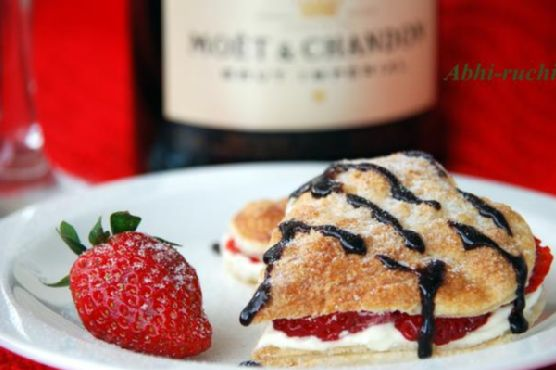
Valentine Hearts | Made by Meaghan Moineau

Valentine Hearts: A Sweet Treat for Your Loved Ones

Intro

Valentine’s Day has always held a special place in my heart. I remember the first time I tried these delightful Valentine Hearts was when I was visiting my grandmother. She had a knack for turning simple ingredients into something extraordinary. As she pulled these puff pastry hearts out of the oven, the warm aroma filled her cozy kitchen. We sat together, enjoying each bite, savoring the sweet and slightly tangy taste of strawberries mingling with creamy crème fraiche and rich chocolate. Now, I make these every year, sharing the love and nostalgia with my family and friends.

Why You’ll Love It

These Valentine Hearts are a perfect blend of simplicity and elegance. Whether you’re an experienced baker or a novice in the kitchen, you’ll find this recipe easy to follow and incredibly rewarding. Here’s why you’ll love making and sharing these with your loved ones:

  • Quick and Easy: With minimal preparation time, you can whip up a batch of these delightful treats in no time.
  • Deliciously Decadent: The combination of flaky pastry, sweet strawberries, creamy crème fraiche, and rich chocolate is nothing short of divine.
  • Visually Stunning: These heart-shaped pastries are not only tasty but also a feast for the eyes, making them perfect for special occasions.
  • Customizable: You can easily adjust the filling to suit your taste or dietary needs.

Ingredients

  • Puff pastry
  • 1 egg for glazing
  • Castor sugar
  • Canned crème fraiche
  • Fresh strawberries
  • Plain chocolate

Instructions

  1. Preheat your oven to 220 degrees C (425 degrees F).
  2. Thaw the puff pastry sheet according to the instructions on the box.
  3. Unroll the pastry sheet and use a heart-shaped cookie cutter to cut out approximately 8 hearts. I find a medium-sized cutter works best.
  4. Prick each heart with a fork to prevent it from puffing up too much.
  5. Brush the hearts with beaten egg and sprinkle lightly with castor sugar.
  6. Place the hearts on a greased baking sheet and bake in the preheated oven for about 10 minutes or until they are risen and golden brown.
  7. Allow the hearts to cool completely on a wire rack.
  8. Once cooled, slice fresh strawberries and split each pastry heart horizontally with a sharp knife.
  9. Sandwich the halves together with crème fraiche and sliced strawberries.
  10. Drizzle melted plain chocolate over the top and dust with a little more castor sugar before serving.

Tips

Here are some tips to ensure your Valentine Hearts turn out perfectly:

  • Keep the Pastry Cold: For the best texture, make sure your puff pastry is cold when you work with it. If it gets too warm, pop it back in the fridge for a few minutes.
  • Even Baking: Rotate your baking sheet halfway through baking to ensure even browning.
  • Sharp Knife: Use a sharp knife to slice the hearts horizontally for a clean cut.

Variations & Substitutions

If you want to put your own twist on these Valentine Hearts, here are some ideas:

  • Fruit Variations: Try using raspberries or blueberries instead of strawberries for a different flavor profile.
  • Chocolate Substitution: White chocolate or milk chocolate can be used in place of plain chocolate for a sweeter option.
  • Dairy-Free Option: Substitute crème fraiche with a dairy-free cream alternative to make these suitable for lactose-intolerant guests.

Storage

These Valentine Hearts are best enjoyed fresh, but if you need to store them, here’s how:

  • Refrigeration: Store any leftovers in an airtight container in the fridge for up to 2 days. The pastry may lose some of its crispness, but they’ll still taste delicious.
  • Freezing: You can freeze the baked hearts without filling. Once completely cool, place them in a freezer-safe bag or container. When you’re ready to serve, thaw them at room temperature and then fill as directed.

FAQ

Can I make Valentine Hearts ahead of time?

Yes, you can prepare the pastry hearts a day in advance and store them in an airtight container once they’re completely cool. Fill them with crème fraiche and strawberries just before serving for the best texture and flavor.

What can I use instead of crème fraiche?

If you can’t find crème fraiche, you can substitute it with whipped cream, mascarpone cheese, or even Greek yogurt for a tangier twist.

Nutrition

While I don’t have exact nutritional information for this recipe, it’s worth noting that these Valentine Hearts are a treat to be enjoyed in moderation. The puff pastry and chocolate contribute to the calorie count, while the strawberries add a dose of vitamins and antioxidants.

Conclusion

Valentine Hearts are more than just a dessert; they’re a token of love and a nostalgic nod to cherished memories. Whether you’re sharing them with a loved one or treating yourself, each bite is a reminder of the joy and warmth that comes from creating something special. I hope this recipe brings as much happiness to your home as it has to mine. Happy baking, and Happy Valentine’s Day!

Related update: Valentine Hearts

Related update: Croissants With Sesame Seeds (Kifli)

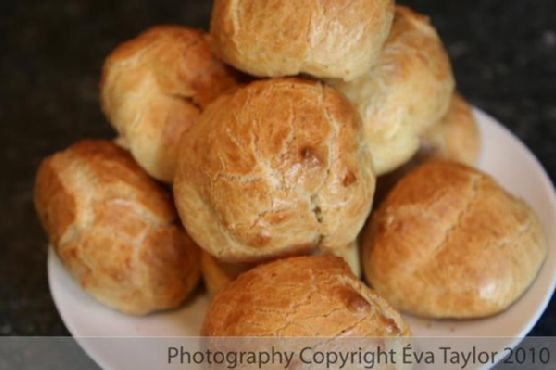
Gluten Free Profiteroles | Made by Meaghan Moineau

Gluten Free Profiteroles

Intro

There’s something truly magical about the delicate crunch and soft, airy center of a well-made profiterole. Growing up, my grandmother used to make these delightful little puffs for special occasions, filling them with sweetened cream and drizzling them with chocolate. The kitchen would fill with the rich aroma of baking pastry, a scent that still transports me back to those cozy family gatherings. Now, with this gluten free version, I’m excited to share a recipe that brings the same joy and nostalgia, but without the gluten.

Why You’ll Love It

This gluten free profiterole recipe is a game-changer for anyone with gluten sensitivities. Not only does it deliver the classic texture and taste you love, but it’s also surprisingly simple to make. You’ll appreciate that the ingredients are likely already in your pantry and the method doesn’t require any fancy equipment. Whether you’re a seasoned baker or new to the kitchen, this recipe is designed to be approachable and rewarding.

Ingredients

  • Butter
  • Egg
  • Gluten free flour
  • Xanthan gum
  • Milk
  • Salt
  • Sugar
  • Water

Instructions

  1. Preheat oven to 375°F.
  2. Sift the flour, xanthan gum, salt, and sugar together 3-4 times. Set aside in a handy location close to the stove.
  3. Break the egg into a measuring cup and whisk to combine. Set aside.
  4. Prepare your hand mixer so that it is ready when needed.
  5. Measure milk and water into a deep heavy-bottomed pan. Cut butter into small chunks and add to the milk mixture. Heat gently until all the butter has melted.
  6. Increase heat on the butter-milk mixture until it comes to a rolling boil. Remove from heat and pour the flour mixture into the milk mixture all at once. Beat vigorously with a wooden spoon.
  7. Return to a low heat and continue beating with the wooden spoon until the flour forms a smooth paste and has come cleanly off all the sides and bottom (should be shiny and smooth). Avoid overcooking this paste as the buns will become heavy.
  8. Remove from heat and slowly pour the egg into the mixture, beating well with the hand mixer. Be careful not to make the paste too runny. The amount of egg required depends on the humidity, so add in small quantities. Continue to beat until shiny and stiff.
  9. The paste should be firm but elastic and should be able to stand on its own when dropped by spoonfuls. This paste may be kept for a couple of hours covered with a damp cloth. It can also be frozen and used successfully.
  10. Prepare a cookie sheet by running it under cold water, shaking excess water off, but leaving it damp. Use two baking sheets to protect the bottom of each puff from burning.
  11. Place tablespoons of the mixture about 10 cm apart (the choux will double to triple in size).
  12. Bake for 20-25 minutes, until the exterior is golden. Do not open the oven for the first 15 minutes. Choux needs to be golden; otherwise, they will collapse as they cool.
  13. When done, remove from the sheet to a baking rack, piercing with a toothpick to allow steam to escape. Choux pastry may be reheated for about 10 minutes to crisp them up again.

Tips

For the best results, make sure all your ingredients are at room temperature before you begin. This helps everything combine more smoothly. Also, keep an eye on the humidity levels in your kitchen; this can affect how much egg you need to add to your dough.

Variations & Substitutions

Feel free to get creative with your fillings! Traditional cream or custard are always hits, but consider experimenting with flavored creams like coffee or chocolate. For a dairy-free version, substitute the milk and butter with plant-based alternatives.

Storage

Store any leftover profiteroles in an airtight container at room temperature for up to two days. They can also be frozen for longer storage—just thaw and reheat them in the oven to regain their crispness.

FAQ

Can I make these profiteroles ahead of time?

Yes, you can make the choux pastry ahead of time and store it covered with a damp cloth for a few hours, or freeze them for later use. Just reheat in the oven before serving to ensure they are crisp.

What if I don’t have xanthan gum?

If you don’t have xanthan gum, you can try using guar gum or psyllium husk as an alternative. These help provide the necessary elasticity in gluten free baking.

Nutrition

Profiteroles are a treat and should be enjoyed in moderation. The exact nutritional content will vary based on the size of your profiteroles and the type of filling used. However, they are relatively low in sugar and can fit into a balanced diet when enjoyed as an occasional indulgence.

Conclusion

This gluten free profiterole recipe is a beautiful way to bring a touch of elegance to your dessert table. With the perfect balance of crispness and airiness, these treats are sure to impress your family and friends, gluten free or not. Enjoy the process of making them and savor every bite of nostalgia they bring. Happy baking!

Related update: Gluten Free Profiteroles

Related update: Creamy Potato Salad with Cashew Dressing and Fresh Basil

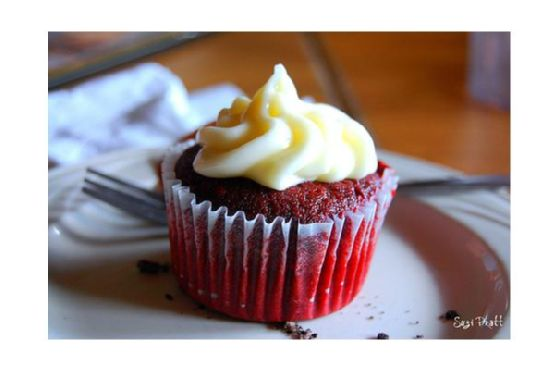
Red Velvet Cupcake | Made by Meaghan Moineau

Red Velvet Cupcakes

Intro

There’s something magical about red velvet cupcakes. The vibrant red hue, the rich cocoa flavor, and the creamy frosting come together to create a cupcake that’s as delightful to look at as it is to eat. I remember the first time I baked red velvet cupcakes with my grandmother. We spent the afternoon in her cozy kitchen, the air filled with warmth and the sweet aroma of baking. She taught me the importance of patience and precision when measuring ingredients, and how a simple cupcake can bring joy to those who share it. Today, I’m excited to share with you my beloved recipe for red velvet cupcakes, a treat that not only delights the taste buds but also brings back fond memories of time spent in the kitchen with loved ones.

Why You’ll Love It

These red velvet cupcakes are a perfect blend of color, taste, and texture. The deep red color makes them a show-stopper at any gathering, while the soft, moist cake paired with the creamy frosting ensures that each bite is a taste of heaven. They’re easy to make and even easier to enjoy, whether you’re a seasoned baker or a beginner. The slight tang from the buttermilk and vinegar perfectly complements the sweetness, making these cupcakes not too sweet, but just right.

Ingredients

  • 1 teaspoon baking soda
  • ¾ cup unsalted butter, softened
  • 1 cup buttermilk
  • 2 ½ cups cake flour, sifted
  • 1 teaspoon cider vinegar
  • 8 ounces cream cheese, softened
  • 3 large eggs
  • 4 cups powdered sugar
  • 2 tablespoons red food coloring
  • ½ teaspoon salt
  • 1 ½ cups sugar
  • ½ cup unsalted butter, softened (for frosting)
  • 2 tablespoons unsweetened cocoa
  • 1 teaspoon vanilla extract

Instructions

  1. Preheat your oven to 350°F (175°C). Grease and lightly flour two cupcake pans to make 24 cupcakes.
  2. In a small bowl, sift the cake flour and set aside.
  3. In a large bowl, use an electric mixer on medium speed to cream together the butter and sugar until very light and fluffy, about 5 minutes.
  4. Add the eggs one at a time, beating well after each addition.
  5. In a small bowl, whisk together the red food coloring, cocoa, and vanilla. Add this mixture to the batter and beat well.
  6. In a measuring cup, stir the salt into the buttermilk. Add to the batter in three parts, alternating with the flour. With each addition, beat until the ingredients are incorporated, but do not overbeat.
  7. In a small bowl, stir together the cider vinegar and baking soda. Add this to the batter and mix well.
  8. Using a rubber spatula, scrape down the batter in the bowl, ensuring the ingredients are well blended and the batter is smooth.
  9. Divide the batter evenly among the prepared pans.
  10. Arrange the oven racks in the upper and lower thirds of the oven and bake the cupcakes, switching positions of the pans halfway through, until a tester comes out clean, about 20 minutes.
  11. Cool the cupcakes in the pan for 10 minutes, then remove from the pan and cool completely on a rack before icing.
  12. To make the frosting, combine butter, salt, and cream cheese in a mixer and beat on medium speed for 2-3 minutes.
  13. Add powdered sugar gradually until just incorporated. Be careful not to overmix; the frosting should be thick but not fluffy.
  14. Add vanilla extract. If the frosting is too thick, add a splash of milk to achieve the desired consistency.
  15. To ice the cupcakes, mound about a cup of frosting on top of each cupcake and use an icing spatula to create a swirl on top. Decorate with colored sprinkles if desired.

Tips

For the best results, ensure all ingredients are at room temperature before you start. This helps them mix more evenly. When measuring flour, be sure to sift it to avoid lumps and ensure a light texture. Lastly, resist the temptation to open the oven door while baking, as this can cause the cupcakes to deflate.

Variations & Substitutions

If you’re looking to switch things up, consider using natural food coloring for a more subtle hue. For a different flavor profile, try adding a teaspoon of almond extract to the batter. You can also substitute the cream cheese frosting with a simple buttercream or a whipped cream topping for a lighter option.

Storage

Store the cupcakes in an airtight container at room temperature for up to 2 days. For longer storage, keep them in the refrigerator for up to a week. To freeze, wrap each cupcake individually in plastic wrap and place in a freezer-safe bag for up to 3 months. Thaw at room temperature before serving.

FAQ

Can I make these cupcakes ahead of time?

Yes, you can bake the cupcakes a day in advance and store them in an airtight container. Frost them on the day you plan to serve them for the best texture and flavor.

What can I do if I don’t have buttermilk?

If you don’t have buttermilk, you can make a substitute by adding 1 tablespoon of lemon juice or vinegar to 1 cup of milk. Let it sit for 5 minutes before using it in the recipe.

Can I use regular flour instead of cake flour?

Yes, you can substitute all-purpose flour for cake flour by using 2 ¼ cups of all-purpose flour plus ¼ cup of cornstarch. Sift them together before using in the recipe.

Nutrition

Each red velvet cupcake with frosting contains approximately 280 calories, 12g of fat, 37g of carbohydrates, and 3g of protein. Please note these values are estimates and can vary based on specific ingredients used.

Conclusion

These red velvet cupcakes are a true delight, offering a perfect balance of flavors and a stunning appearance that will impress your family and friends. Whether you’re baking for a special occasion or just because, they’re sure to bring smiles and fond memories. Happy baking!

Related update: Red Velvet Cupcake

Related update: Chocolate Caramel Cupcakes

Related update: Cherry Coke Float Cupcakes With Chocolate Shell

Blueberry Almond Crescent Rolls | Made by Meaghan Moineau

Blueberry Almond Crescent Rolls

Intro

There’s something magical about the smell of freshly baked pastries wafting through the house. It reminds me of Sunday mornings spent in my grandmother’s cozy kitchen, where the aromas of her baking were often accompanied by the sound of her cheerful humming. One particular favorite of hers was a batch of homemade crescent rolls, which she would fill with whatever preserves she had on hand. Today, I’m sharing a delightful twist on her classic recipe: Blueberry Almond Crescent Rolls. These rolls are a perfect blend of sweet and nutty flavors, with a glaze that adds just the right touch of indulgence. Whether enjoyed with your morning coffee or as a sweet treat after dinner, they’re sure to evoke feelings of warmth and nostalgia.

Why You’ll Love It

These Blueberry Almond Crescent Rolls are a delightful treat for any occasion. Here’s why you’ll love them:

  • Quick and Easy: Using canned crescent rolls cuts down on prep time, allowing you to enjoy these pastries without the hassle of making dough from scratch.
  • Flavorful Filling: The combination of cream cheese and blueberry jam creates a creamy and fruity filling that’s hard to resist.
  • Almond Accents: Almond extract in both the filling and glaze adds a subtle nutty flavor that complements the sweetness of the blueberries.
  • Versatile: Perfect for breakfast, brunch, or dessert, these crescent rolls are a versatile addition to any meal.

Ingredients

  • 1/2 teaspoon almond extract, divided
  • 1/3 cup blueberry jam
  • 4 ounces cream cheese, softened
  • 1 can regular crescent rolls
  • 1 egg, beaten
  • 1 tablespoon water
  • 1 tablespoon flour
  • 1 tablespoon milk
  • Pinch of sea salt
  • 1/2 cup confectioner’s sugar, divided
  • 2 tablespoons turbinado sugar

Instructions

  1. Preheat your oven to 375 degrees F and line a large baking sheet with parchment paper or a silicone baking mat. Set aside.
  2. In the bowl of your stand mixer, with paddle attachment fixed (or a handheld electric mixer may be used), combine the cream cheese, blueberry jam, 2 tablespoons of confectioner’s sugar, flour, salt, and 1/2 teaspoon of almond extract. Mix until smooth, about 30 seconds. Set aside.
  3. Lay your crescent roll wedges out on a large work surface. Take about a tablespoon of the cream cheese mixture and dollop it on the wide end of each crescent roll.
  4. Roll them up until the narrow end is sealed underneath. Transfer them to the prepared baking sheet and brush them with the egg wash. Sprinkle with turbinado sugar.
  5. Place the crescent rolls in the oven and bake for 13-15 minutes, or until puffed and golden. Remove from heat and transfer to a wire rack to cool.
  6. While the crescent rolls are cooling, prepare your glaze. In a medium bowl, combine the remaining 1/2 cup of confectioner’s sugar, remaining 1/2 teaspoon of almond extract, and milk. Whisk until smooth. Adjust seasoning by adding a pinch of sea salt if you find that the glaze is too sweet.
  7. Drizzle the glaze on the slightly cooled crescent rolls and serve immediately. Enjoy!

Tips

  • For the best results, ensure that the cream cheese is at room temperature before mixing. This will help achieve a smooth filling.
  • If you prefer a thicker glaze, gradually add more confectioner’s sugar until you reach your desired consistency.
  • To make the rolls more visually appealing, use a pastry brush to apply the egg wash evenly.

Variations & Substitutions

Feel free to experiment with this recipe to suit your taste preferences:

  • Jam Variations: Swap the blueberry jam for raspberry, strawberry, or apricot preserves for a different flavor profile.
  • Nuts: Add chopped almonds to the filling for an extra crunch.
  • Dairy-Free: Substitute the cream cheese with a dairy-free alternative to make this recipe suitable for those with lactose intolerance.

Storage

These crescent rolls are best enjoyed fresh, but they can be stored in an airtight container at room temperature for up to two days. For longer storage, refrigerate them for up to a week. To reheat, simply warm them in the oven at 300 degrees F for about 5 minutes.

FAQ

Can I use homemade crescent roll dough?

Absolutely! If you have the time and prefer a homemade touch, you can use your own crescent roll dough. Just ensure it’s rolled out and cut into the appropriate size before proceeding with the recipe.

Can I make these in advance?

Yes, you can prepare the rolls up to the baking stage and refrigerate them overnight. When ready to bake, simply follow the baking instructions, adding a couple of extra minutes to the baking time if needed.

Nutrition

This recipe yields approximately eight crescent rolls. Each roll contains roughly 210 calories, 10g of fat, 28g of carbohydrates, and 3g of protein. Please note that the nutritional information is an estimate and can vary based on specific ingredients used.

Conclusion

Blueberry Almond Crescent Rolls are a delightful treat that brings together the best of both worlds: the ease of a store-bought dough and the rich, delicious flavors of a homemade pastry. Whether you’re sharing them with loved ones or indulging in a moment of solitude, these rolls are sure to bring warmth and joy to your table. I hope this recipe becomes a cherished part of your baking repertoire, just as it has in mine. Enjoy, and happy baking!

Related update: Blueberry Almond Crescent Rolls

Related update: Gingerbread

Related update: Rosemary Walnut Bread

Berry & Ricotta Danishes | Made by Meaghan Moineau

Berry & Ricotta Danishes

Intro

There’s something magical about the scent of freshly baked pastries wafting through the kitchen. I remember when I was a child, visiting my grandmother on Sunday mornings. Her kitchen was always filled with the aroma of sweet delights, and my favorite treat was her berry danishes. She would let me help her sprinkle the sugar over the berries, a task I took very seriously. This Berry & Ricotta Danishes recipe is a tribute to those cherished mornings, combining the tartness of fresh berries with the creamy richness of ricotta cheese, all encased in flaky puff pastry.

Why You’ll Love It

These Berry & Ricotta Danishes are a delightful addition to any breakfast or brunch spread. The balance of sweet and tart flavors is simply irresistible, while the creamy ricotta filling adds a luxurious touch. The best part? They’re surprisingly easy to make, even for those who aren’t seasoned bakers. Whether you’re serving them for a special occasion or just to treat yourself, these danishes are sure to impress.

Ingredients

  • Glaze
  • Poached berries
  • Blueberries
  • Egg yolk
  • Pastry
  • Flour
  • Icing sugar
  • Fresh lemon juice
  • Lemon zest
  • Puff pastry
  • Ricotta cheese
  • Strawberries
  • Castor sugar
  • Vanilla extract
  • Water

Instructions

  1. Place the berries in a saucepan over medium-low heat. Sprinkle on castor sugar and add water. Cover the saucepan with a lid and shake it around to coat the berries. Poach the berries for about 5 minutes or until they soften but still retain their shape. Set aside to cool.
  2. Preheat the oven to 180°C (350°F).
  3. Make the ricotta filling by combining all ingredients in a mixing bowl. Mix well with a wooden spoon to thoroughly combine. Set aside.
  4. Prepare the glaze by mixing icing sugar and lemon juice together in a small bowl. Mix well and set aside.
  5. Remove the pastry from the refrigerator and place sheets on a clean, dry surface. Use a small, sharp knife to cut 10 8cm x 6cm (3″ x 2.5″) rectangles.
  6. Place 5 of the pastry rectangles on a lined baking sheet, ensuring there is space between them as they will expand. Lightly brush edges with a little water. These will be the “pastry rectangle bases”.
  7. Cut smaller rectangles out of the remaining 5 pastry rectangles to create small frames about 1.5cm (1/2″) in width.
  8. Place the frames on top of the pastry bases on the baking sheet.
  9. Fill the middle of each frame with about 3-4 tablespoons of ricotta mixture. Top with several berries, reserving some for topping once the danishes are baked.
  10. Repeat the process with remaining pastry frames.
  11. Bake in the oven for 15 to 18 minutes or until the pastry puffs up and is golden. Remove from oven and cool on a wire rack.
  12. Top with remaining poached berries and sprinkle on a little icing sugar just before serving.

Tips

For best results, ensure your puff pastry is cold before baking, as this helps achieve that signature flaky texture. If your kitchen is particularly warm, try chilling the assembled danishes for a few minutes before baking. Also, be sure not to overfill the center with ricotta mixture to prevent it from spilling over the edges during baking.

Variations & Substitutions

Feel free to get creative with the types of berries you use. Raspberries and blackberries make great alternatives or additions. If ricotta isn’t your favorite, try substituting it with cream cheese or mascarpone for a different flavor profile. For a touch of extra sweetness, drizzle some honey over the top before serving.

Storage

These danishes are best enjoyed fresh, but they can be stored in an airtight container in the refrigerator for up to two days. To reheat, place them in a preheated oven at 150°C (300°F) for about 5 minutes or until warmed through.

FAQ

Can I make these danishes ahead of time?

Yes, you can prepare the components separately ahead of time. Poach the berries and prepare the ricotta filling the day before, then assemble and bake the danishes when you’re ready to serve them.

Can I use frozen berries instead of fresh?

Absolutely! Frozen berries work just as well. Just be sure to thaw them and drain any excess liquid before using them in this recipe.

How do I prevent the pastry from becoming soggy?

To prevent soggy pastry, make sure the poached berries are well-drained and the ricotta mixture is not too wet. Baking the danishes on a wire rack after removing them from the oven also helps keep them crisp.

Nutrition

While the exact nutritional value will vary depending on specific brands and measurements, each danish is approximately 250 calories. They offer a delightful source of calcium from the ricotta cheese and antioxidants from the berries.

Conclusion

These Berry & Ricotta Danishes are a beautiful blend of flavors and textures, perfect for any occasion. Whether you’re reliving nostalgic memories or creating new ones, these pastries are sure to become a beloved part of your baking repertoire. Enjoy them with a cup of coffee or tea, and savor the simple pleasures of life. Happy baking!

Related update: Berry & Ricotta Danishes

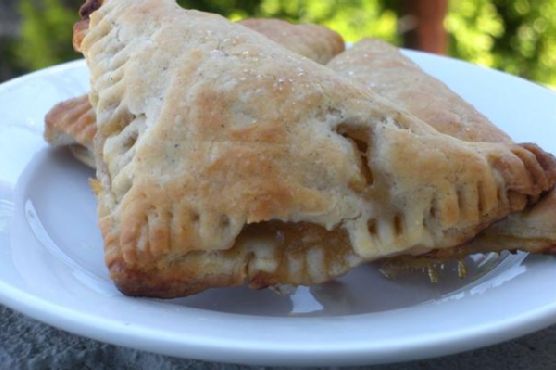
Naturally Sweet Apple Turnovers | Made by Meaghan Moineau

Naturally Sweet Apple Turnovers | Made by Meaghan Moineau

Title: Nostalgic Delights: Naturally Sweet Apple Turnovers
Description: Dive into the world of warm, flaky pastries with our Naturally Sweet Apple Turnovers. Perfect as a comforting dessert, these turnovers combine the classic flavors of apple and spice, enveloped in a tender, buttery crust. This recipe not only offers a delicious treat but also stirs up cherished memories of family gatherings and shared moments. Rated 6 out of 10 for difficulty, these apple turnovers are an achievable delight for any home baker.

---


Naturally Sweet Apple Turnovers: A Recipe Steeped in Family Tradition


There's something about the aroma of apples and spices wafting through the house that instantly transports me back to my childhood. Growing up, autumn was a time for family and feasting. The highlight of the season was always my grandmother's naturally sweet apple turnovers, a recipe passed down through generations.


Ingredients You'll Need:


- Dough:

- 2 cups all-purpose flour


- 1/4 teaspoon kosher salt


- 1/4 teaspoon ground cardamom


- 1/4 teaspoon ground allspice


- 1/4 teaspoon ground cinnamon


- 1/4 teaspoon ground ginger


- 1/2 cup unsalted butter, chilled and diced


- 1/2 cup cream cheese, softened


- 1 egg yolk


- Filling:

- 2 cups diced apples


- 1 tablespoon lemon juice


- 2 tablespoons maple syrup


- 1/4 cup brown sugar


- 1 tablespoon Frangelico


- Topping:

- 1 tablespoon milk


- 2 tablespoons sugar


- Powdered sugar for dusting


Instructions:


1. Prepare the Dough:

- In a medium-sized bowl, whisk together the flour, salt, ground cardamom, allspice, cinnamon, and ginger.


- Add the diced butter and use a pastry blender to incorporate until coarse crumbs form.


- Mix in the cream cheese until well incorporated.


- Add the egg yolk and stir with a fork until the dough comes together into a ball.


- Transfer the dough onto a floured surface, roll it into a uniform ball, slightly flatten with your hand, and wrap in plastic wrap. Chill for at least one hour.


2. Prepare the Filling:

- In a separate bowl, combine the diced apples, lemon juice, maple syrup, spices, and brown sugar. Toss until all apple pieces are well coated.


3. Assemble the Turnovers:

- Once the dough has chilled, place it on a floured surface and roll it out to a 10 x 10-inch square.


- Cut the dough into sixteen even squares and lay them on a parchment paper-covered baking sheet. Set in the freezer to chill briefly.


- Remove the squares from the freezer and place about 1 tablespoon of apple filling in the center of each square.


- Fold each square into a triangle, crimping the edges with a fork to seal.


- Brush the tops with milk and sprinkle with extra sugar if desired. Chill briefly if the dough softens.


4. Bake:

- Preheat your oven to 400°F (200°C).


- Bake the turnovers for 20 minutes or until golden brown.


- Once cooled, sprinkle with powdered sugar before serving.


A Family Memory:


Every year, as the leaves began to turn, my family would gather at my grandmother's house for the annual apple picking adventure. The day would end in her cozy kitchen, where we'd all take turns peeling and dicing apples, sharing stories and laughter. The kitchen would fill with the irresistible aroma of spices and baking dough. Those apple turnovers weren't just a treat; they were a symbol of togetherness and love. Each bite reminded us of those cherished moments, making them more than just a dessert—they were a family tradition.


Difficulty Level: 6/10


Classification: Dessert

These Naturally Sweet Apple Turnovers are a delightful way to bring the warmth of familial love and the joy of baking into your home. Whether you're making them for a special occasion or a cozy night in, they promise to deliver both taste and nostalgia in every bite.

Read more about Appetizers

Read more about Main Dishes

Read more about Desserts

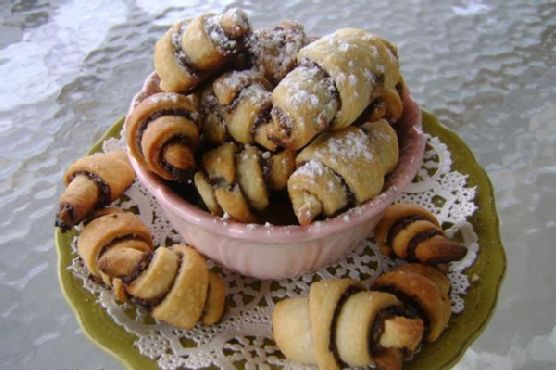
Polish Rugelach | Made by Meaghan Moineau

Polish Rugelach | Made by Meaghan Moineau

Title: A Taste of Tradition: Crafting Polish Rugelach with Love and Legacy
Description: Dive into the heartwarming world of Polish Rugelach, a delightful dessert that brings together family, tradition, and the comforting aromas of cinnamon and nutmeg. Discover a cherished family memory that makes this dessert a beloved staple at our family gatherings. With a difficulty rating of 6/10, this treat is perfect for those looking to add a little sweetness and nostalgia to their dessert repertoire.

---


A Taste of Tradition: Crafting Polish Rugelach with Love and Legacy

In the world of desserts, few can rival the charm and history of Polish Rugelach. This scrumptious pastry, with its rich blend of flavors and textures, is not just a dessert; it’s a slice of heritage that has been lovingly passed down through generations. Whether served at a festive gathering or enjoyed as a quiet afternoon indulgence, Rugelach holds a special place in many hearts and kitchens. Today, I invite you to join me on a journey through time and taste as we explore the making of this beloved confection.


The Rugelach Recipe: A Symphony of Flavors
To create the perfect Polish Rugelach, you'll need the following ingredients:

- 2 cups all-purpose flour


- 2 tablespoons cocoa powder


- 8 ounces cream cheese, softened


- 1/2 cup dried cranberries


- 1/2 cup dried raisins


- 1 teaspoon ground cinnamon


- 1/4 teaspoon nutmeg


- 1 cup sugar


- 1 cup unsalted butter, softened


- 1/2 cup finely chopped walnuts


Instructions:
1. Prepare the Dough: In a large mixing bowl, beat the unsalted butter and cream cheese together until light and creamy. Gradually add sugar and continue to beat until the mixture is fluffy. Slowly incorporate the all-purpose flour and cocoa powder, mixing until a soft dough forms. Divide the dough into two equal portions, wrap them in plastic wrap, and refrigerate for at least 30 minutes.
2. Filling and Assembly: Preheat your oven to 350°F (175°C). Roll out one portion of dough on a floured surface into a 1/8-inch-thick circle. Sprinkle half of the ground cinnamon, nutmeg, chopped walnuts, dried cranberries, and raisins evenly over the dough.
3. Shape the Rugelach: Using a sharp knife, cut the dough into 12-16 wedges, like a pizza. Starting from the wide edge, roll each wedge towards the point, forming a crescent shape. Repeat with the second portion of dough.
4. Baking: Arrange the Rugelach on a parchment-lined baking sheet. Bake for 15-20 minutes or until golden brown. Allow them to cool slightly before serving.
A Nostalgic Family Story

Every time I bake Rugelach, I’m instantly transported back to my grandmother's cozy kitchen. The air would be filled with the warm, spicy scents of cinnamon and nutmeg, mingling with the rich, buttery aroma of freshly baked pastries. Rugelach was a staple at our family gatherings, especially during the holidays.


I vividly remember one snowy Christmas Eve when my grandmother, with her gentle hands and loving smile, taught me the art of rolling the dough just right. As we worked side by side, she shared stories of her own childhood in Poland, where Rugelach was a cherished treat that brought families together. The kitchen was a place of laughter and love, and the simple act of baking turned into an unforgettable bonding experience. Now, each time I make Rugelach, I feel her presence, and the spirit of those cherished family moments comes alive.


Conclusion:

Polish Rugelach is more than just a dessert; it's a bridge connecting us to our past and a delicious way to create new memories. With a difficulty rating of 6/10, this dessert offers a perfect balance between challenge and reward. Whether you're a seasoned baker or a curious novice, making Rugelach is an opportunity to savor both the flavors and the stories that make this pastry so special.


So, gather your ingredients, clear your counter, and take a moment to indulge in the warmth and nostalgia of Polish Rugelach. As you savor each bite, remember that you’re not just enjoying a dessert—you’re partaking in a time-honored tradition that celebrates the love and joy of family.

Read more about Appetizers

Read more about Main Dishes

Read more about Desserts

Knishes – Potato Filling | Made by Meaghan Moineau

Knishes - Potato Filling | Made by Meaghan Moineau

Title: A Taste of Heritage: Crafting the Perfect Potato Knishes
Description: Dive into the rich tapestry of family tradition with our potato-filled knishes recipe. Discover the secrets behind this savory delight, steeped in nostalgia and bursting with flavor. Whether you're a seasoned chef or a kitchen novice, this guide will walk you through each step to create a dish that's truly a piece of culinary history.

---


There's something magical about the smell of onions browning in a pan, mingling with the richness of chicken fat. It's a scent that transports me back to my grandmother's cozy kitchen, where the aroma signaled the beginning of a cherished tradition: making potato knishes. These savory pastries, with their golden crust and fluffy filling, were more than just food; they were a symbol of our family's heritage, lovingly passed down through generations.


Ingredients:

- Chicken fat (or butter, if you prefer)


- 1 egg


- 2 large onions, finely chopped


- Freshly ground black pepper, to taste


- 4 medium potatoes, peeled and boiled


- Salt, to taste


Instructions:
1. Brown the Onions: Begin by heating the chicken fat in a large skillet over medium heat. Add the finely chopped onions and sauté until they are golden brown and caramelized, releasing their sweet, savory aroma.
2. Prepare the Filling: In a large mixing bowl, combine the boiled potatoes with the browned onions. Add in the egg, salt, and pepper. Using a fork or potato masher, beat the mixture until it's light and fluffy, ensuring that the flavors meld together beautifully.
3. Assemble the Knishes: Roll out your dough (store-bought or homemade) on a lightly floured surface. Cut the dough into squares or circles, depending on your preference. Place a generous spoonful of the potato mixture in the center of each piece. Fold the dough over the filling, sealing the edges to form a pocket.

Growing up, making knishes was a family affair. My siblings and I would gather around the kitchen table, eagerly watching our grandmother as she worked her magic with the dough. Her hands moved with a practiced grace, folding and sealing each knish with a loving touch. As we got older, she entrusted us with the task, guiding our clumsy fingers until we, too, could craft the perfect pastry.


For us, knishes were more than just an appetizer; they were a bridge to our past. Each bite was a reminder of the stories our grandmother told us—tales of her childhood, of family gatherings long before we were born. The knishes connected us to those who came before, to the traditions that shaped our family.


Difficulty Rating: 5/10

Crafting these knishes is a delightful blend of art and comfort. With a medium difficulty level, this dish is accessible to both budding cooks and seasoned chefs. It falls under the category of an appetizer, serving as a perfect prelude to a hearty meal.


Today, as I prepare knishes in my own kitchen, I feel a profound sense of gratitude. Gratitude for the recipes handed down, for the memories etched in my heart, and for the opportunity to share this piece of my heritage with my children. As they savor these warm, flaky pastries, I hope they, too, will feel the love and history that each knish embodies.

Read more about Appetizers

Read more about Main Dishes

Read more about Desserts

Berry & Ricotta Danishes | Made by Meaghan Moineau

Berry & Ricotta Danishes | Made by Meaghan Moineau

Sweet Nostalgia: Crafting Perfect Berry & Ricotta Danishes


A Delicious Journey Down Memory Lane


*Discover the magic of homemade Berry & Ricotta Danishes with this easy-to-follow recipe that brings a touch of nostalgia to your table. Perfect for dessert lovers and food enthusiasts alike, these delightful pastries are sure to become a family favorite.*


---


Ingredients


- Poached Berries: Blueberries, strawberries, and other berries of choice
- Glaze: Icing sugar, fresh lemon juice
- Ricotta Filling: Ricotta cheese, egg yolk, castor sugar, vanilla extract, lemon zest
- Pastry: Puff pastry, flour, water
- Optional Decorations: Additional poached berries, icing sugar
Difficulty: 4/10
Classification: Dessert

---


Instructions


1. Poach the Berries: Place a mix of your favorite berries in a saucepan over medium-low heat. Sprinkle with castor sugar and add a splash of water. Cover with a lid and gently shake to coat the berries. Poach for about 5 minutes until they soften but still hold their shape. Set aside to cool.
2. Preheat the Oven: Set your oven to 180°C (350°F) to prepare for baking.
3. Make the Ricotta Filling: In a mixing bowl, combine ricotta cheese, egg yolk, castor sugar, vanilla extract, and lemon zest. Mix well with a wooden spoon until thoroughly combined. Set aside.
4. Prepare the Glaze: In a small bowl, mix icing sugar and fresh lemon juice. Stir until smooth and set aside.
5. Prepare the Pastry: Remove puff pastry from the refrigerator. Cut into 10 rectangles, each measuring 8cm x 6cm (3" x 2.5"). Place 5 rectangles on a lined baking sheet, leaving space between them. Brush edges lightly with water.
6. Assemble the Danishes: Cut smaller rectangles from the remaining 5 pieces, leaving frames about 1.5cm (1/2") wide. Place these frames on top of the pastry bases. Fill the centers with 3-4 tablespoons of ricotta mixture and top with poached berries.
7. Bake: Bake in the preheated oven for 15 to 18 minutes, until the pastry puffs up and turns golden brown. Remove and cool on a wire rack.
8. Finish and Serve: Top with remaining poached berries and sprinkle with icing sugar just before serving.

---


A Sweet Family Memory


Growing up, Sunday afternoons at my grandmother's house were a cherished tradition, where the aroma of freshly baked pastries filled the air. Her kitchen was a haven of warmth and love, and her berry danishes were the highlight of our visits. I remember peeking into the oven, eagerly anticipating that first bite.


Grandma would let me help with the simpler tasks – arranging the berries and dusting the pastries with icing sugar. It was in those moments that I learned the power of food to bring people together, to create memories that last a lifetime. The sweet, tangy taste of the ricotta filling, combined with the juiciness of the berries, was something magical. Every time I bake these danishes, I’m transported back to those sunny afternoons, surrounded by family, laughter, and the smell of home.


---


Whether you're a seasoned baker or just starting out, these Berry & Ricotta Danishes offer a delightful experience. With their flaky puff pastry, creamy ricotta filling, and juicy berries, they are sure to enchant your taste buds and evoke the warmth of cherished family memories. Enjoy making them and, most importantly, enjoy sharing them with those you love.

Read more about Appetizers

Read more about Main Dishes

Read more about Desserts