TikTok Outages Fuel U.S. Trust Crisis | Analysis by Brian Moineau

When a Power Outage Looks Like Politics: TikTok’s U.S. Glitches and the Trust Test

A handful of spinning loading icons turned into a national conversation: were TikTok’s recent U.S. posting problems just a technical headache, or the first sign of politically motivated content suppression under new ownership? The short answer is messy — a weather-related power outage is the proximate cause TikTok and its data-center partner point to, but the timing and stakes make user suspicion inevitable. (investing.com)

Why people noticed — and why the timing matters

  • TikTok users across the U.S. reported failures to upload videos, sudden drops in views and engagement, delayed publishing, and content flagged as “Ineligible for Recommendation.” Those symptoms arrived within days of the formation of a new U.S. joint venture that moved much of TikTok’s operations and data oversight stateside. (techcrunch.com)
  • The company and Oracle (one of the new venture’s managing investors) say a weather-related power outage at a U.S. data center triggered cascading system failures that hampered posting and recommendation systems — and that they’re working to restore service. (investing.com)
  • But because the outage overlapped with politically sensitive events — and came right after the ownership change — many users assumed causation: new owners, new rules, and sudden suppression of certain content. That leap from correlation to accusation is understandable in a polarized media environment. (wired.com)

The technical explanation (in plain language)

  • Data centers host the servers that store content, run recommendation systems, and process uploads. When a power outage affects one, services can slow down, requests can time out, and queued operations (like surface-level recommendations) may be lost or delayed. (techcrunch.com)
  • Complex platforms typically have redundancy, but real-world outages—especially weather-related ones affecting regional power or networking—can produce “cascading” failures where multiple dependent systems degrade at once. That can look like targeted suppression: a video suddenly shows zero views, a post is routed into review, or search returns odd results. Those are plausible failure modes of infrastructure, not necessarily evidence of deliberate moderation. (techcrunch.com)

The political and trust dimensions

  • Ownership change matters. TikTok’s new U.S. joint venture — with Oracle, Silver Lake and MGX as managing investors and ByteDance retaining a minority stake — was explicitly framed as a national-security and data-protection fix. Because that shift was sold as protecting U.S. users’ data and content integrity, anything that looks like content interference becomes a high-suspicion event. (techcrunch.com)
  • Political actors amplified concerns. State officials and high-profile voices raised alarms about potential suppression of content critical of political figures or about sensitive events. That political amplification shapes user perception regardless of technical facts. (investing.com)
  • The reputational cost is asymmetric: one glitch can undo months (or years) of trust-building. Even if an outage is genuinely technical, the brand hit from a moment perceived as censorship lingers.

What platforms and users can learn from this

  • Operational transparency matters. Quick, clear explanations from both the platform and its infrastructure partners — with timelines and concrete remediation steps — reduce the space for speculation. TikTok posted updates about recovery progress and said engagement data remained safe while systems were restored. (techcrunch.com)
  • Technical resiliency should be framed as a trust metric. Redundancy, better failover testing, and public incident summaries help show that problems are infrastructural, not editorial.
  • Users want verifiable signals. Independent third-party status pages, reproducible outage telemetry (e.g., Cloudflare/DNS data), or audits of moderation logs (where privacy and law allow) are examples of credibility-building tools platforms can use. (cnbc.com)

What this doesn’t settle

  • An outage explanation doesn’t erase legitimate long-term worries about who controls recommendation algorithms, moderation policies, and data access. The ownership shift was built to address national-security concerns — but it also changes who sits at the control panel for the platform. That shift deserves continued scrutiny and independent oversight. (techcrunch.com)
  • Nor does it mean every future suppression claim is a false alarm. Cloud failures and malfeasance can both happen; the challenge is designing verification systems that shrink false positives and false negatives in public trust.

A few practical tips for creators and everyday users

  • If you see sudden drops in views or publishing issues, check official platform status channels first and watch for updates from platform infrastructure partners. (techcrunch.com)
  • Back up important content and diversify audiences across platforms — creators learned this lesson earlier in the TikTok ban saga and during past outages. (cnbc.com)
  • Hold platforms and new ownership structures accountable for transparency: ask for incident reports, moderation audits where possible, and clearer explanations about algorithm changes.

My take

Timing is everything. A power outage is an ordinary, solvable technical problem — but in the context of a freshly restructured, politically charged ownership story, ordinary problems become extraordinary trust tests. Platforms that want to keep their communities need to treat operational reliability and public trust as two sides of the same coin. Faster fixes matter, yes — but so do pre-committed transparency practices and independent verification so that the next outage doesn’t automatically become a geopolitical headline.

Sources


Related update: We recently published an article that expands on this topic: read the latest post.
Related update: We recently published an article that expands on this topic: read the latest post.

Related update: We recently published an article that expands on this topic: read the latest post.
Targets Black Friday Tote Backlash | Analysis by Brian Moineau

A free swag bag, long lines, and a whole lot of disappointment

You could smell the coffee (or the cheap energy drinks) from a block away: shoppers camping out before dawn, bleary-eyed and optimistic, clutching thermoses and playlists to pass the time. Target’s promise of a “limited‑edition iridescent holiday tote filled with festive goodies” pulled a crowd — some arrived as early as 3 a.m. — but when the first bags were opened, a surprising number of customers felt shortchanged. The viral fallout began almost immediately. (businessinsider.com)

Why people turned up so early

  • Scarcity marketing works. Target offered the first 100 customers at each store a free tote and sprinkled a small number of “golden bags” with higher‑value prizes (headphones, gift cards, small appliances). That promise — and the social‑media hype around being “one of the first” — drove lines long before opening time. (businessinsider.com)
  • Black Friday remains a narrative: for many shoppers the ritual of lining up, swapping stories, and scoring a surprise feels like part of the holiday season, even if the payoff is uncertain. Reddit threads show both glee and eye rolls about the tradition. (reddit.com)

What was actually inside the tote

For many recipients, the tote’s contents were underwhelming: fun‑size candy, a sample‑size shampoo, a deck of Uno cards, and small cosmetic or drink samples. A minority of bags contained the advertised higher‑value items, but those were rare — roughly 10 per store. Videos and posts from disappointed shoppers quickly circulated, calling the contents “chintzy” and “diabolical.” (businessinsider.com)

The social‑media reaction and why it mattered

  • Viral contrast. Lowe’s concurrent giveaway (a five‑gallon “pride of the DIY” bucket with tools, mugs, and high‑value “golden tickets”) was shared with glee online, making Target’s freebies look especially small by comparison. Social feeds amplified the contrast and framed Target’s effort as when marketing tone didn’t match reality. (businessinsider.com)
  • Expectation vs. reality. Many critics pointed out that Target’s wording — “filled with festive goodies” — created an image that didn’t line up with sample‑sized items. Even when the rules disclosed that only a fraction of bags contained valuable prizes, the visual and emotional promise of a “swag” item carried weight. (businessinsider.com)
  • Employee and community perspectives. Target employees and longtime shoppers on forums warned that social hype often inflates expectations; others defended the promotion as a harmless gimmick that did its job (drove traffic). The conversation shows how promotions can split audiences into those who play for the thrill and those who expect real value. (reddit.com)

What this episode says about retail marketing right now

  • Scarcity can be a double‑edged sword. Limited offers bring attention and foot traffic, but if the brand promise is perceived as misleading, the net effect can be reputational damage. Target clearly drove people into stores — but some left with social‑media grievances that turned a marketing win into a PR headache. (businessinsider.com)
  • The visual economy matters. In the age of TikTok and Instagram, what people see (the beautifully staged “golden bag” winners) often matters more than the fine print. Brands need to manage both the spectacle and the grounded expectations of a wide customer base. (businessinsider.com)
  • Promotions don’t live in a vacuum. Competitors’ campaigns, employee sentiment, and online communities will contextualize — and sometimes roast — whatever you put out. A “fun” giveaway next door can make your “fun” giveaway look stingy by comparison. (news.designrush.com)

A few practical takeaways for retailers

  • Be explicit in creative and collateral. If only 10% of bags contain big prizes, say that prominently — and show examples of normal contents so expectations are aligned.
  • Design for shareability, not just scarcity. If you want the social feed to celebrate the promo, make the “ordinary” gift feel Instagrammable too — size, packaging, or at least one clearly desirable sample.
  • Prepare employees. Staff on the ground should be equipped with talking points and contingency plans for angry customers who feel misled; that’s where reputational damage really spreads. (reddit.com)

My take

Target likely succeeded in one primary objective: getting people into stores. The gamble of scarcity marketing paid off in attention and traffic. The lesson — and the missed opportunity — is that attention can quickly turn into criticism if promotional language and on‑the‑ground reality don’t match. In an era when one TikTok clip can define a campaign, brands should either lean fully into the spectacle (with visible, tangible value for most participants) or frame promotions as playful gambles where the odds and typical contents are unmistakable.

Closing thoughts

Promotions are cultural moments now. They’re not just transactions; they’re narratives that get shared, compared, and joked about. For shoppers who camped out before dawn, the tote may have felt like a small holiday disappointment. For Target, the campaign was a data point: scarcity moves people, but brand trust is fragile — especially when the internet gets to be the referee.

Sources

Why Dumb Screenshots Still Crack Us Up | Analysis by Brian Moineau

Why stupid screenshots still make me laugh (I don't know why, they just do.)

I’ll admit it: I belong to a small but devoted audience of ridiculous screenshots. You know the ones — a terrible product photo, a well-meaning autocorrect catastrophe, a Wi‑Fi network name that doubles as performance art. They are gloriously dumb, and somehow they keep getting funnier even after the tenth scroll. BuzzFeed recently rounded up 36 of these gems, and reading through them felt like a nostalgic, chaotic snack for the attention span. I don’t know why — they just do.

What’s going on here

Screenshots are tiny time capsules of internet life. They capture:

  • accidents (autocorrects, wrong-pane replies),
  • low-effort creativity (wildly specific Wi‑Fi names, paint-job hacks),
  • and social media confidence that defies common sense (public tantrums, oddly cropped selfies).

Because they’re short, immediate, and often unintentionally honest, screenshots let us witness human weirdness in high definition. They’re also shareable: one screenshot becomes a meme, then a joke, then a running reference in group chats. The BuzzFeed collection curates that tiny museum of digital face‑palms — the kind that are so dumb, their only crime is to be extremely, consistently entertaining.

Why they keep getting funnier

  • Surprise beats polish. The funnier screenshots are usually unpolished — an unexpected phrase, a bizarre image crop, or a clueless caption. That element of surprise triggers quick, visceral laughter.
  • Relatability = repeat value. Many screenshots reflect tiny public humiliations or everyday fails. Recognizing yourself (or someone you know) in them makes the joke land again and again.
  • Social amplification. Once a screenshot lands in a shared space (Twitter/X, Reddit, Instagram), it gets annotated, remixed, and reposted — every pass layers new humor on top of the original.
  • Low friction to consume. A single image or a short thread can be understood in seconds, making it perfect for rapid, repeat enjoyment during idle scrolling.

Highlights from the roundup

BuzzFeed’s list (reposted in several outlets) pulls from Instagram, Reddit, TikTok, Facebook, and random screenshots people captured in the wild. A few recurring archetypes stood out:

  • Autocorrect disasters that turn earnest messages into comedy gold.
  • Product photos or ads that missed the mark so badly they became surreal.
  • Wi‑Fi names and public notices that read like tiny, bitter essays.
  • Group‑chat exchanges that go off the rails and become unintentional improv.
    Each category hits a different comedic nerve — absurdity, embarrassment, squinty suspicion at human logic — which explains why the list doesn’t feel one-note.

Internet culture context

The screenshot is a core building block of meme culture. For a decade (and more), screenshotting has allowed users to preserve fleeting content (stories, disappearing messages, ephemeral tweets) and repurpose it. That preservation habit is partly why compilations like the BuzzFeed piece resonate: they gather ephemeral nonsense into an archive that rewards re‑visitation.

There’s also a design angle: modern social platforms reward quick, image‑first content. As the signal-to-noise ratio of the web tips toward brevity, those bite‑sized absurdities shine even brighter. And because platforms are full of earnest, imperfect people, the supply of “ridiculously stupid” material is effectively endless.

A few lessons from the absurd

  • Humor is democratic. You don’t need a polished joke; you need a genuine, small moment.
  • The more weirdly specific something is, the more universal it can feel. A Wi‑Fi name typed by someone in Ohio can be hilarious to a stranger in Tokyo.
  • Community context matters. Screenshots often need the right audience — a group that shares the sensibility — to reach peak funniness.

Little things that make a big laugh

  • Autocorrect: it’s the gift that keeps on giving. A single misremembered word can reframe the entire message.
  • Bad product photos: when an image promises one thing and delivers another, the dissonance is delicious.
  • Embarrassing public posts: humans are confident and chaotic. Seeing that collision recorded in pixels is pure entertainment.

My take

I don’t think there’s anything inherently noble about collecting other people’s dumb moments — we should be mindful of context and privacy. But when the screenshot is shared publicly (a public Wi‑Fi name, a posted image, a public social feed) and it’s ridiculous in an innocuous way, it’s a kind of tiny communal joke. I love that something so small can make dozens of strangers giggle at once. It’s a reminder that the internet’s best moments are often accidental.

Things to remember while you laugh

  • Respect boundaries: don’t share private screenshots without consent.
  • Laugh with, not at, when possible. Some of the best humor comes from shared embarrassment, not cruelty.
  • Enjoy the little absurdities. They’re free, fleeting, and sometimes the best part of a commuter ride or a coffee break.

For the curious

  • The list that inspired this post collected screenshots from Instagram, Reddit, TikTok, Facebook, and other corners of the web and shows how everyday weirdness becomes collective amusement.
  • Why do they keep resurfacing? Because human messiness is an inexhaustible resource for short, sharp laughs.

Final thoughts

Ridiculously stupid screenshots are an internet comfort food: quick, comforting, and reliably satisfying. I don’t know why they hit so hard — maybe it’s the shared recognition of human fallibility, or maybe our brains are just hardwired to enjoy small surprises. Either way, they keep coming, and I’m glad they do.

Sources


Related update: We recently published an article that expands on this topic: read the latest post.

Snap’s $400M AI Search Gambit Changes | Analysis by Brian Moineau

Snap’s $400M Bet on Perplexity: Why Snapchat Just Got a Lot More Curious

Snap’s announcement that Perplexity will pay $400 million to integrate its AI-powered search engine into Snapchat feels like one of those pivot moments you can almost hear in slow motion. The deal — a mix of cash and equity, rolling out early in 2026 — immediately lit a fuse under Snap’s stock and reframed the company’s AI ambitions from experiment to platform play. But beyond the market fireworks, this pact tells us something about the next phase of social apps: search and conversation are converging inside the apps people already use every day.

Quick snapshot

  • Perplexity will be integrated directly into Snapchat’s Chat interface, surfacing verifiable, conversational answers to user questions.
  • The $400 million payment is to Snap over one year (cash + equity) and revenue recognition is expected to start in 2026.
  • Snap will keep its own My AI chatbot; Perplexity will act as an “answer engine” available inside chat, with Perplexity controlling the response content.
  • The news came alongside stronger-than-expected Q3 results from Snap, and the stock jumped sharply on the announcement. (investor.snap.com)

Why this matters (and why investors cheered)

  • Distribution = growth for AI startups. Perplexity gains nearly a billion monthly users as a built-in capability inside Snapchat — a shortcut to scale that usually takes years (and huge marketing). That distribution is worth a lot in today’s attention economy. (techcrunch.com)
  • New revenue model for Snap. Instead of building and owning every AI layer, Snap is becoming a marketplace — a platform that offers high-quality third-party AI features and captures revenue for the placement. That’s a faster, less risky route to monetization than trying to train everything in-house. (investor.snap.com)
  • User behavior is changing. People prefer getting answers where they already spend time. Embedding conversational search inside chat reduces friction and keeps attention and ad dollars inside Snapchat instead of sending users off to the open web. (reuters.com)

The practical trade-offs and questions

  • Who controls the content? Snap says Perplexity will control its responses and that Perplexity won’t use those replies as ad inventory. That preserves a level of editorial and brand separation — but it also raises questions about moderation, factual accuracy, and how disputes will be handled when AI answers go wrong. (investor.snap.com)
  • Data and privacy. Snap has claimed user messages sent to Perplexity won’t be used to train the model, but users will still have messages routed to an external engine. Transparency about data flows and safeguards will be crucial for trust — especially for younger users and privacy-conscious markets. (investor.snap.com)
  • Economics vs. compute. Paying for AI placement is one thing; making the unit economics work long-term is another. Perplexity is effectively buying distribution today — but as usage scales, compute and moderation costs could balloon. Will revenue from the placement plus future monetization options offset those costs? Analysts flagged this as a watch item. (investing.com)

A competitive angle: Snap’s place among the AI arms race

Snap isn’t the only company stuffing AI into social. Meta, TikTok, X and others are all experimenting with conversational assistants, generative features, and AI-powered search. But Snap’s path is distinct:

  • Platform-first, partner-driven. Rather than bake everything into a proprietary stack, Snap is inviting specialized AI companies into its app as first-class partners. That could accelerate innovation and let Snap remain nimble.
  • Youthful audience, mobile-native context. Snapchat’s demographic — heavy on 13–34-year-olds — gives Perplexity a unique testbed for conversational search behaviors that other platforms may not replicate as cleanly. (investor.snap.com)

This approach could scale if Snap builds a robust ecosystem of AI partners (and if regulators or policy changes don’t intervene). Spiegel has signaled openness to further partnerships, hinting at a future in which different AI assistants sit alongside each other inside Snapchat for different tasks. (engadget.com)

Design and user experience implications

  • Contextual answers inside chat feel natural: asking a quick question in a conversation or while viewing content is low friction and meets users where they already are.
  • Verification and citations matter: Perplexity emphasizes “verifiable sources” and in-line citations. If executed well, that could distinguish Snapchat’s answers from hallucination-prone assistants and slow the growing distrust around AI outputs.
  • Product sequencing is key: early 2026 rollout gives Snap time to AB test placements, UI patterns, moderation flows, and ad/product hooks — which will determine whether this is sticky utility or a novelty. (investor.snap.com)

Possible risks and blind spots

  • Over-reliance on a single external provider. If Perplexity’s performance, reliability, or content decisions become problematic, Snapchat’s experience could suffer.
  • Regulatory heat. As governments scrutinize algorithmic systems, an in-app AI that serves tailored answers to young users could draw policy attention on age protections, misinformation, or advertising rules.
  • Cultural fit. Not all of Snap’s users will see value in an in-chat search engine. Adoption will depend on product framing, speed, trust signals, and how well the feature integrates into everyday use cases.

Snap’s playbook — what to watch next

  • Product signals: how prominently Perplexity is surfaced, whether it’s opt-in, and how Snap handles user controls and transparency.
  • Metrics: engagement lift, usage frequency per user, and whether this drives higher ad yields or subscription conversions for Snapchat+.
  • Ecosystem moves: announcements of other AI partners or a developer program that lets more AI agents plug into Snapchat.

My take

This deal is smart theater and pragmatic strategy rolled into one. For Perplexity, access to Snapchat’s massive, young, mobile-native audience is a growth shortcut. For Snap, the pact buys relevance in the AI moment without assuming all the execution risk. The real test will be execution: whether conversational search becomes a daily habit inside chats or remains a flashy add-on.

If Snap gets the UX right (speed, clear sourcing, and easy context switching) and keeps control over moderation and privacy, it could redefine how a generation asks questions — not by opening a browser but by typing into the same chats where they plan their weekends, gawk at memes, and swap streaks. That feels like a small change with outsized ripple effects.

Final thoughts

Big-dollar partnerships like this one are shorthand for a larger shift: apps are turning into ecosystems of specialized AI services, and the companies that win will be the ones that make those services feel native, trustworthy, and undeniably useful. Snap’s $400 million deal with Perplexity is a bold step in that direction — one that could either cement Snapchat as a go-to AI distribution channel or become another expensive experiment if the execution falters.

Sources


Related update: We recently published an article that expands on this topic: read the latest post.

Instagrams Microphone Myth: The Truth | Analysis by Brian Moineau

Is Instagram Listening to You? Debunking the Myths Around Microphone Use

Have you ever felt like your phone is reading your mind? You casually mention a vacation destination, and suddenly, your Instagram feed is flooded with ads about hotels and flights to that very place. It’s enough to make anyone suspicious. One of the most enduring conspiracy theories surrounding social media is the idea that companies like Meta, Instagram's parent company, are secretly using your microphone to eavesdrop on your conversations. But is there any truth to these claims? In a recent statement, Instagram’s head has addressed these concerns head-on, and the answer might surprise you.

The Conspiracy Theory in Context

The belief that Instagram—or other apps—could be recording your conversations isn't new. It can be traced back to the early days of smartphones when users first started to notice targeted ads reflecting their recent discussions. The notion that tech giants could invade our privacy by turning on our microphones has sparked countless debates and discussions over the years.

Meta has repeatedly denied these allegations, asserting that they do not use microphone data for ad targeting. The company insists that their algorithms are sophisticated enough to create targeted ads based on the data they collect from your interactions, behaviors, and interests rather than sneaking a listen to your private conversations. The recent statement from Instagram's head reinforces this stance, emphasizing that with advancements in AI and data analytics, the need to resort to such invasive practices is nonexistent.

Key Takeaways

- No Secret Eavesdropping: Instagram's leadership has confirmed that they do not use microphone data to listen to users, debunking a longstanding conspiracy theory.

- AI and Data Analytics: The power of artificial intelligence and data analytics allows companies to target ads effectively without needing to invade users' privacy.

- User Behavior Matters: The ads you see are more likely based on your online activities, interactions, and preferences rather than overheard conversations.

- Privacy Concerns Persist: Despite these reassurances, many users remain skeptical about privacy issues surrounding social media platforms, emphasizing the need for transparency.

- Be Informed: Understanding how your data is used can help you navigate social media platforms more confidently and safely.

A Concluding Reflection

While the idea of Instagram and other apps listening to our conversations is captivating, it’s essential to separate fact from fiction. The reality is that these companies have access to a wealth of data, and their algorithms are designed to capitalize on that information without resorting to invasive methods. As technology continues to evolve, so will the conversation around privacy and data usage. Staying informed and aware of how our information is being utilized is crucial in this digital age. So, the next time you see an ad that seems eerily relevant, remember: it’s likely not eavesdropping—it’s just smart data analytics at work.

Sources

- TechCrunch: [Instagram head says company is not using your microphone to listen to you (with AI data, it won't need to)](https://techcrunch.com/2023/10/01/instagram-microphone-listening-debunked)

Bill Pulte accused Fed Governor Lisa Cook of fraud. His relatives filed housing claims similar to hers: Reuters – CNBC | Analysis by Brian Moineau

Bill Pulte accused Fed Governor Lisa Cook of fraud. His relatives filed housing claims similar to hers: Reuters - CNBC | Analysis by Brian Moineau

Title: Of Fraud Allegations and Housing Claims: A Tale of Two Residences

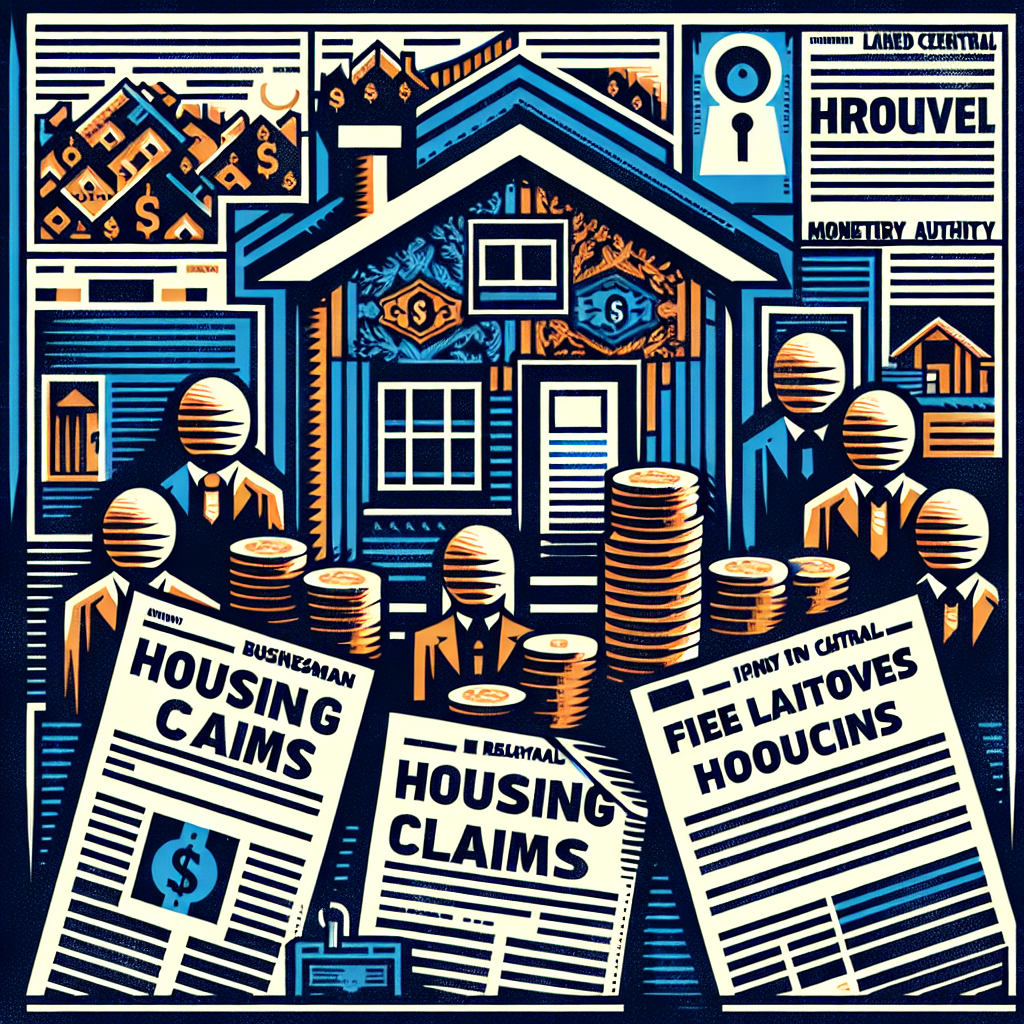
In an age where public scrutiny is just a tweet away, the recent squabble involving Bill Pulte and Federal Reserve Governor Lisa Cook serves as a fascinating case study of how personal and professional lives often intersect in unexpected ways. According to a CNBC article, Pulte accused Cook of fraud, alleging that she improperly claimed primary residence on two properties. But, as the plot thickens, public records reveal that some of Pulte's own relatives have declared the same status on two homes in two different states.

The irony here is palpable. While Pulte's allegations against Cook seem reminiscent of classic accusatory business dramas, the twist of his relatives being embroiled in similar claims paints a more complex picture. This situation highlights a broader issue that resonates with many: the convoluted world of property claims and the fine line between what's legal and what's ethical.

The story of Bill Pulte is intriguing in itself. Known as a philanthropist and a Twitter influencer, Pulte has made headlines for his "Twitter philanthropy," where he gives away money to those in need. His approach to charity is as modern as it gets—embracing social media to connect with people directly. However, this latest controversy positions him in a different light, prompting us to wonder about the complexities of balancing public personas with private matters.

On the other side, Lisa Cook is no stranger to challenges. As one of the few African American women to serve as a Federal Reserve governor, Cook's journey is a testament to resilience and excellence. Her work at the Fed focuses on economic growth and stability, areas where integrity is paramount. This allegation, if nothing else, is a distraction from the critical work she and her colleagues are doing.

While this debacle unfolds, it’s interesting to draw parallels with other recent events in the realm of finance and governance. For instance, the ongoing discussions around housing affordability and the ethics of property ownership have been spotlighted by political figures like Elizabeth Warren and Bernie Sanders. Both have pushed for reforms to address housing inequality, a topic that indirectly ties back to the ethics of declaring primary residences.

Moreover, in the world of sports, similar scrutiny over personal and professional boundaries can be observed. Take, for example, the saga of Lionel Messi's move to Inter Miami. Beyond the excitement of his arrival in Major League Soccer, there were questions about his ownership stakes in properties and businesses—a reminder of how personal decisions often carry significant public interest.

Returning to the Pulte-Cook scenario, one might wonder: Is this a case of "people who live in glass houses shouldn’t throw stones"? Or is it a deeper reflection of systemic issues within housing regulations? The truth likely lies somewhere in between, revealing the messy intersection of personal interests and public responsibilities.

In conclusion, this narrative serves as a reminder of the intricate dance between personal lives and public expectations. Whether it's a philanthropist with a penchant for controversy or a public official under the spotlight, the challenges of modern life demand transparency and accountability. As we watch this story develop, one can only hope that it leads to meaningful conversations about ethics, governance, and the complexities of property ownership in today's world.

Read more about AI in Business

Read more about Latest Sports Trends

Read more about Technology Innovations

Google backtracks on plans to deactivate shortened goo.gl links – The Verge | Analysis by Brian Moineau

Google backtracks on plans to deactivate shortened goo.gl links - The Verge | Analysis by Brian Moineau

Google’s U-Turn on goo.gl Links: A Small Victory for the URL Shortening Enthusiasts


In an unexpected yet welcomed turn of events, Google has decided to backtrack on its plans to deactivate its goo.gl URL shortening service, which was initially set to be laid to rest. According to a report from The Verge, if a goo.gl link doesn’t already have a deactivation message, then it will keep functioning as normal. For those who have relied on this service to condense unwieldy URLs into neat, shareable links, this is a minor victory worth celebrating.

The Importance of Short Links in a Long-Winded World


In the fast-paced digital age, where attention spans are as brief as a tweet, the importance of URL shorteners cannot be overstated. These nifty tools help transform convoluted web addresses into sleek, manageable links that are perfect for social media, marketing campaigns, and even graffiti art. While goo.gl might not be as popular today as it once was, overshadowed by services like Bitly and TinyURL, its legacy remains significant. It’s like the comforting old sweater of the internet — reliable, if a bit out of style.

The Broader Picture: Tech Giants and Their U-Turns


Google’s reversal on goo.gl deactivation isn’t an isolated incident. It joins a cohort of tech giant U-turns that have peppered industry news over the past few years. Remember when Microsoft decided to keep Paint alive after a public outcry? Or when Netflix retracted its decision to separate DVD rentals from streaming, following a wave of customer disapproval? These instances reveal a telling trend: tech companies are increasingly responsive to user feedback, understanding that maintaining goodwill is as crucial as any algorithm update.

URL Shorteners and the Social Media Landscape


The decision to keep goo.gl links alive also reflects the evolving nature of social media. In the world of Twitter, where every character counts, short links are more critical than ever. They help users maximize their message while saving precious space. Moreover, they play a fundamental role in tracking engagement, allowing marketers to analyze the effectiveness of their campaigns with precision. In this context, Google’s decision is not just about preserving a tool but about recognizing the ongoing interplay between technology and social media dynamics.

A Nod to Digital Nostalgia


While Google’s latest move may seem small in the grand scheme of technological advancements, it taps into a sense of digital nostalgia. For many, goo.gl was a gateway to the early days of social media, a time when MySpace was still a thing, and Facebook was just starting its global ascent. Preserving goo.gl links is akin to keeping an old photo album in the attic — it’s not just about functionality; it’s about preserving a piece of the internet’s history.

Final Thoughts


In a world where tech changes at a breakneck pace, Google’s decision to keep goo.gl links active serves as a reminder that not all progress requires leaving the past behind. Sometimes, it means recognizing the value in what already exists and allowing it to coexist with the new. As we continue to navigate the ever-evolving digital landscape, let’s not forget the tools that helped pave the way and the importance of listening to the communities that rely on them. So, here’s to goo.gl — may your links remain short and sweet.

Read more about AI in Business

Read more about Latest Sports Trends

Read more about Technology Innovations

Elon Musk’s ex Ashley St. Clair gives Trump ‘breakup advice’ in savage message mid-feud – Page Six | Analysis by Brian Moineau

Elon Musk’s ex Ashley St. Clair gives Trump ‘breakup advice’ in savage message mid-feud - Page Six | Analysis by Brian Moineau

Navigating the Celebrity Soap Opera: Ashley St. Clair’s Advice to Trump Amidst Musk Feud

In the latest episode of "As the Silicon Valley Turns," Ashley St. Clair, known for her witty and often cutting social media presence, has taken a public swipe at her ex, Elon Musk. The backdrop to this drama is a custody battle over their son, Romulus, but the plot thickens with St. Clair offering breakup advice to none other than former President Donald Trump. It's a crossover nobody saw coming, yet somehow, it fits perfectly into the current landscape of celebrity and political theatrics.

Ashley St. Clair, who has carved out a niche as a conservative commentator, is no stranger to controversy. Her social media is a blend of sharp political critique and personal anecdotes, often wrapped in humor. This time, her target is Elon Musk, the mercurial Tesla and SpaceX CEO who has been dealing with his own share of public relations challenges, not least of which is this custody dispute.

Elon Musk is a figure who seems to thrive on the tightrope of public opinion, his ventures swinging between groundbreaking successes and eyebrow-raising escapades. From launching a car into space to making headlines for his unpredictable tweets, Musk is a master of keeping the world guessing. However, his personal life, particularly his relationships, often mirrors the tumultuous nature of his professional endeavors.

In a surprising twist, St. Clair's advice to Trump comes in the midst of this personal feud. She suggests he handle his public fallout with the same pragmatic detachment she seems to apply to her own situation with Musk. This advice comes at a time when Trump, who has had his own share of high-profile spats and legal battles, may just need all the advice he can get, regardless of the source.

This drama unfolds against a broader cultural backdrop where the lines between celebrity, business, and politics are increasingly blurred. The public loves a good drama, and figures like Musk and Trump are aware of their roles in this ongoing narrative. It's a world where a custody battle can turn into a platform for political commentary, and where personal grievances play out on a stage viewed by millions.

Interestingly, this isn't the first time we've seen such intersections of personal and political worlds. In 2020, Kanye West, another figure known for his boundary-pushing antics, made waves with his presidential run while navigating a very public separation from Kim Kardashian. These stories captivate us because they take the personal stakes we're all familiar with and amplify them on a global scale.

In conclusion, while the advice from St. Clair to Trump may seem like a footnote in the grand scheme of political discourse, it underscores the evolving nature of public persona management in the digital age. Whether it's Musk's latest technological endeavor or Trump's next political move, the personal and the political will continue to intertwine, creating a rich tapestry for public consumption. As spectators, all we can do is grab our popcorn and watch as the next chapter unfolds.

Read more about AI in Business

Read more about Latest Sports Trends

Read more about Technology Innovations

How much has Elon Musk’s Doge cut from US government spending? – BBC | Analysis by Brian Moineau

How much has Elon Musk’s Doge cut from US government spending? – BBC | Analysis by Brian Moineau

Title: The Tale of Doge: How Elon Musk’s Financial Wizardry and a Meme Coin Affected US Government Spending

In a world where cryptocurrencies are as unpredictable as a cat on catnip, Elon Musk’s involvement with Dogecoin has once again sparked a wave of intrigue and speculation. BBC Verify recently delved into the audacious claim that Musk’s “Doge” might have somehow contributed to a reduction in US government spending. While the headline reads like a satirical piece from The Onion, experts have weighed in, offering a clearer picture of this curious financial narrative.

The Doge Factor: A Paw in Government Spending?

For those unacquainted, Dogecoin started as a joke—a meme coin featuring the Shiba Inu dog from a popular meme. However, with Musk’s penchant for Twitter antics and his public endorsements, Dogecoin has surged in popularity, leading to wild fluctuations in its value.

BBC Verify’s investigation into the claims of Dogecoin’s influence on government spending reveals a complex web of economic and psychological factors. On one hand, the speculative nature of cryptocurrencies like Dogecoin can lead to increased consumer spending, driven by the illusion of newfound wealth when the coin’s value rises. This, in turn, can boost tax revenues, theoretically allowing for more government spending without increasing deficits.

On the other hand, experts argue that attributing any substantial reduction in government spending to Dogecoin is a stretch. The US government’s fiscal policies are primarily driven by macroeconomic factors far beyond the influence of a single cryptocurrency, meme or not.

Elon Musk: The Modern-Day Midas of Memes

Elon Musk, CEO of Tesla and SpaceX, and self-proclaimed “Dogefather,” has a knack for turning the seemingly absurd into financial gold. His tweets alone have been known to send markets into a frenzy, illustrating the powerful confluence of social media influence and financial markets in the 21st century.

Outside the realm of cryptocurrencies, Musk’s ventures continue to shape the world. Tesla’s electric vehicles are accelerating the transition to sustainable energy, while SpaceX’s missions are pioneering the future of space travel. Despite his eccentric online persona, Musk’s impact on technology and the economy is undeniably profound.

A World of Financial Whimsy

Musk’s involvement with Dogecoin is just one example of the broader trend of internet culture intersecting with finance. In recent years, we’ve witnessed the rise of retail investors on platforms like Robinhood, the meme stock phenomenon with companies like GameStop, and the NFT craze—all fueled by the digital age’s democratization of information and market access.

These trends reflect a shifting landscape where traditional financial systems are being challenged and reimagined by a new generation of investors who are as comfortable with Reddit threads as they are with stock tickers.

Final Thoughts: A Memetic Legacy

While the idea of Dogecoin single-handedly slashing US government spending may be more fiction than fact, it encapsulates the whimsical yet impactful nature of modern finance. Elon Musk’s role in this narrative highlights the unpredictable power of influential figures in shaping economic discourse.

As we continue to navigate this brave new world, one thing is clear: the lines between finance, technology, and culture are becoming increasingly blurred. Whether Dogecoin will continue to hold its place in the spotlight or fade into meme history remains to be seen. Meanwhile, we can all sit back, enjoy the spectacle, and perhaps invest in a little Dogecoin—just for the fun of it.

Read more about AI in Business

Read more about Latest Sports Trends

Read more about Technology Innovations


Related update: We recently published an article that expands on this topic: read the latest post.
Mark Zuckerberg’s recent decision triggers social media backlash – TheStreet | Analysis by Brian Moineau

Mark Zuckerberg’s recent decision triggers social media backlash - TheStreet | Analysis by Brian Moineau

**Title: Mark Zuckerberg's Latest Move: A Digital Domino Effect?**

In the ever-evolving realm of social media, Mark Zuckerberg has once again found himself at the center of a digital storm. The Meta CEO's latest decision, as reported by TheStreet, has sparked a significant backlash across social media platforms, with users and tech enthusiasts alike questioning the implications of his actions. But what exactly did Zuckerberg do to stir the pot this time, and could this move indeed come back to haunt him?

To understand the gravity of the situation, let's dive into the heart of the controversy. Zuckerberg's decision involved a strategic shift within Meta, formerly known as Facebook, that many perceive as a bold, albeit risky, maneuver. While the specifics of the decision weren't detailed in TheStreet's article, it's clear that the move has resonated negatively with a significant portion of the online community.

This isn't the first time Zuckerberg has faced public scrutiny. His 2018 testimony before Congress about Facebook's data privacy practices is still fresh in the minds of many, reminding us of the delicate balance tech giants must maintain between innovation and user trust. Zuckerberg's journey from a Harvard dorm room to the helm of a global tech empire is a testament to his visionary approach to social networking. However, it's also a reminder of the heavy responsibilities that come with such influence.

Interestingly, Zuckerberg's recent decision coincides with broader debates about tech industry ethics and accountability. Just last year, the whistleblower Frances Haugen made headlines by leaking internal documents that suggested Facebook prioritized profit over public good, reigniting discussions about the moral obligations of tech companies. This backdrop makes Zuckerberg's current predicament even more poignant, as the digital world grapples with balancing innovation with ethical responsibility.

Moreover, the timing of Zuckerberg's move is worth noting. As the world becomes increasingly reliant on digital platforms, especially in the wake of the COVID-19 pandemic, tech leaders like Zuckerberg are under unprecedented pressure to ensure their platforms serve as forces for good. This pressure is compounded by the rise of new players in the tech space, such as TikTok, which continue to challenge Meta's dominance and push the boundaries of digital interaction.

In the context of these dynamics, Zuckerberg's latest decision is more than just a business strategy; it's a reflection of the ongoing tension between technological advancement and societal values. While it's too early to predict the long-term consequences of this move, it's clear that the stakes are high.

As we watch this situation unfold, it's worth considering the broader implications for the tech industry. Will this backlash prompt other tech leaders to reevaluate their strategies? Could it lead to increased regulation and oversight? Only time will tell.

In the meantime, one thing is certain: Mark Zuckerberg's journey is far from over. As he navigates this latest challenge, the world watches with bated breath, eager to see how one of the most influential figures in tech will respond to yet another critical moment in his storied career.

**Final Thought:**

In the fast-paced world of technology, change is the only constant. Mark Zuckerberg's recent decision is a reminder that even the most established leaders must continuously adapt to remain relevant. As users, stakeholders, and digital citizens, it's up to us to engage critically with these changes and hold tech giants accountable. After all, the future of the digital landscape is not just in the hands of a few; it's a collective responsibility.

Read more about AI in Business

Read more about Latest Sports Trends

Read more about Technology Innovations