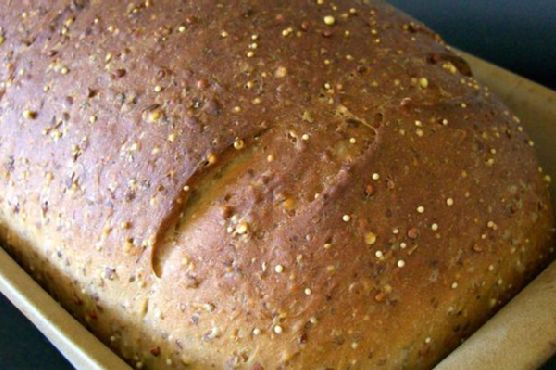
Ancient Grains Bread | Made by Meaghan Moineau

Ancient Grains Bread: A Taste of Tradition

Intro

There’s something incredibly comforting about the smell of freshly baked bread wafting through the house. It’s a scent that takes me back to my grandmother’s kitchen, where she would spend hours kneading dough by hand, humming softly to herself. Her bread was always a family favorite, packed with hearty grains and a touch of sweetness. Inspired by her timeless recipes, I’ve crafted this Ancient Grains Bread to bring a slice of that nostalgia to your own table. This bread, rich with history and flavor, combines the best of old-world grains with modern baking techniques for a loaf that is both wholesome and delicious.

Why You’ll Love It

This Ancient Grains Bread is not just a treat for the taste buds but also a wholesome addition to your diet. Packed with a variety of nutritious grains, this bread offers a delightful texture and a rich, earthy flavor. Each bite provides a satisfying chew, a hint of sweetness from the honey, and the comforting aroma of a well-baked loaf. Whether you’re making sandwiches, toast, or enjoying it plain with a pat of butter, this bread is versatile enough to complement any meal.

Ingredients

  • 2 teaspoons yeast
  • 2 cups all-purpose flour
  • 1 cup whole wheat flour
  • 1/4 cup rye flakes
  • 2 tablespoons ground flaxseed
  • 2 tablespoons amaranth grain
  • 2 tablespoons quinoa
  • 2 tablespoons soy flour
  • 1 tablespoon vital wheat gluten
  • 1/4 cup skim milk powder
  • 2 teaspoons salt
  • 1 1/2 cups warm water
  • 2 tablespoons honey

Instructions

  1. In a large bowl or stand mixer, whisk together the yeast, all-purpose flour, whole wheat flour, rye flakes, ground flaxseed, amaranth grain, quinoa, soy flour, vital wheat gluten, skim milk powder, and salt.
  2. Stir in the warm water and honey, mixing thoroughly to form a cohesive, fairly firm but workable dough.
  3. Turn the dough out onto a floured board or knead it with the dough hook for about 12 minutes until it becomes very elastic and smooth.
  4. Place the dough into a bowl, cover, and allow it to rest for 30 minutes.
  5. Roll the rested dough into a log shape and tuck it into a greased loaf pan.
  6. Cover the pan with a clean towel and allow the dough to rise for 50-60 minutes.
  7. Preheat your oven to 350°F (175°C).
  8. Slash the top of the loaf 2-3 times with a sharp knife or lame to allow the bread to expand properly in the oven.
  9. Bake the loaf for about 40 minutes until it is golden brown and sounds hollow when tapped on the bottom.
  10. Turn the bread out of the pan immediately and cool on a rack before slicing.

Tips

For the best results, make sure your water is warm, not hot, to activate the yeast without killing it. If you have time, let the dough rise in a warm, draft-free area. This will give the yeast the best environment to work its magic, resulting in a lighter loaf.

Variations & Substitutions

Feel free to experiment with this recipe by adding seeds like sunflower or pumpkin seeds for additional crunch and flavor. If you have dietary restrictions, you can substitute the honey with agave syrup or maple syrup. For a gluten-free version, replace the flours and vital wheat gluten with your favorite gluten-free blend, though be aware that the texture may vary.

Storage

Store your Ancient Grains Bread in an airtight container or wrapped in a clean kitchen towel at room temperature for up to 3 days. For longer storage, slice and freeze the bread, then toast slices directly from the freezer as needed.

FAQ

Can I make this recipe without a stand mixer?

Absolutely! While a stand mixer makes the process easier, you can knead the dough by hand. Just ensure you knead it long enough to achieve a smooth and elastic texture, which is key for a good rise.

What can I use if I don’t have rye flakes?

If you don’t have rye flakes on hand, you can substitute them with rolled oats or simply omit them from the recipe. The bread will still be delicious and hearty.

Nutrition

This bread is rich in fiber and protein thanks to the mix of ancient grains, making it a nutritious choice for your meals. Each slice provides a balance of carbohydrates, healthy fats, and plant-based proteins.

Conclusion

Baking this Ancient Grains Bread is like baking a piece of history. With each slice, you’ll enjoy a medley of flavors and textures that only ancient grains can offer. Whether you’re a seasoned baker or a newcomer to bread making, this recipe is straightforward and rewarding. Share it with loved ones and let it become a staple in your kitchen, just as it has in mine. Happy baking!

Related update: Ancient Grains Bread
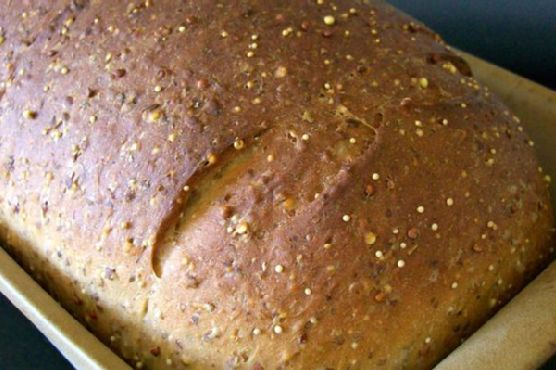
Ancient Grains Bread | Made by Meaghan Moineau

Ancient Grains Bread: A Nourishing Journey Back in Time

Intro

There’s something incredibly comforting about the aroma of freshly baked bread wafting through the house. It transports me back to my grandmother’s kitchen, where the clatter of vintage pots and the warmth of her old oven created a sanctuary of love and nourishment. Her bread, always an eclectic mixture of grains, was not just food, but a testament to resilience and tradition. Today, I want to share with you a recipe that echoes those cherished memories: Ancient Grains Bread. This hearty loaf combines the wholesome goodness of grains rooted in history, offering a taste that’s both rustic and refined.

Why You’ll Love It

This Ancient Grains Bread isn’t just any bread; it’s a journey through time. Each bite is packed with nutrients and flavors that tell a story of ancient civilizations and traditional baking methods. You’ll love it for its rich, earthy taste and delightful texture that pairs beautifully with both sweet and savory toppings. Plus, it’s a versatile addition to any meal, whether you’re toasting it for breakfast or serving it alongside a comforting soup for dinner.

Ingredients

  • 2 teaspoons yeast
  • 2 1/2 cups flour
  • 1 cup whole wheat flour
  • 1/2 cup rye flakes
  • 1/4 cup ground flaxseed
  • 1/4 cup amaranth grain
  • 1/4 cup quinoa
  • 1/4 cup soy flour
  • 2 tablespoons vital wheat gluten
  • 2 tablespoons skim milk powder
  • 1 1/2 teaspoons salt
  • 1 1/2 cups warm water
  • 2 tablespoons honey

Instructions

  1. In a large bowl or stand mixer, whisk together the yeast, flours, rye flakes, flaxseed, amaranth, quinoa, soy flour, wheat gluten, skim milk powder, and salt.
  2. Stir in the warm water and honey, mixing thoroughly to form a cohesive, fairly firm (but workable) dough.
  3. Turn out onto a floured board or knead with the dough hook for 12 minutes, until very elastic and smooth.
  4. Place into a bowl, cover and allow to rest for 30 minutes.
  5. Roll rested dough into a log shape and tuck it into a greased loaf pan.
  6. Cover with a clean towel and allow to rise for 50-60 minutes.
  7. Preheat the oven to 350°F (175°C).
  8. Slash the top of the loaf 2-3 times with a sharp knife or lame.
  9. Bake for 40 minutes.
  10. Turn out of the pan immediately and cool on a rack before slicing.

Tips

For the best results, make sure your yeast is fresh and active. If you’re unsure, proof it by dissolving it in a small amount of warm water with a pinch of sugar. It should become foamy within a few minutes. Additionally, be patient with the kneading process; it’s essential to develop the gluten network that gives this bread its wonderful texture.

Variations & Substitutions

Feel free to get creative with the grains and flours in this recipe. You can substitute spelt flour for the whole wheat flour or add a handful of sunflower seeds for extra crunch. If you prefer a gluten-free version, experiment with gluten-free flour blends and adjust the liquid as needed to achieve the right dough consistency.

Storage

Store your Ancient Grains Bread in a bread box or wrapped in a clean kitchen towel at room temperature for up to 3 days. For longer storage, slice the bread and freeze it in an airtight container or bag. Simply toast the slices straight from the freezer when you’re ready to enjoy them.

FAQ

Can I make this bread without a stand mixer?

Absolutely! While a stand mixer simplifies the process, you can knead the dough by hand. It might take a bit longer, but the therapeutic rhythm of kneading can be quite rewarding. Aim for a smooth and elastic dough, which should take about 12-15 minutes of hand kneading.

What can I use instead of honey?

If you prefer not to use honey, maple syrup or agave nectar are excellent substitutes that will provide similar sweetness and moisture to the dough.

Is it necessary to slash the top of the loaf?

Slashing the top of the loaf is not strictly necessary, but it allows the bread to expand evenly during baking and gives it a rustic look. If you skip this step, the loaf may crack unpredictably.

Nutrition

Each slice of this Ancient Grains Bread is a powerhouse of nutrition. Packed with fiber, protein, and essential vitamins and minerals, it’s a fantastic way to support a balanced diet. The incorporation of whole grains and seeds provides sustained energy and aids digestion.

Conclusion

Baking Ancient Grains Bread is more than crafting a loaf; it’s about connecting with the past and savoring the simple pleasures of homemade goodness. Whether you’re a seasoned baker or a curious beginner, this recipe invites you to explore the rich textures and flavors of ancient grains. So, tie on your apron, dust your counter with flour, and embark on this delightful baking journey. Your kitchen will soon be filled with the heartwarming aroma of tradition and love.

Related update: Ancient Grains Bread

Related update: Ancient Grains Bread

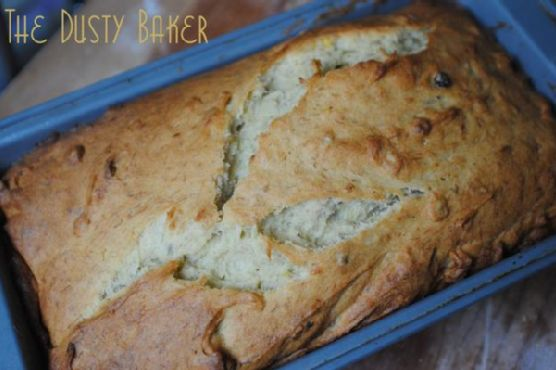
Curious George’s Gluten-Free Banana Nut Bread | Made by Meaghan Moineau

Curious George’s Gluten-Free Banana Nut Bread

Intro

Welcome to my kitchen! Today, we’re diving into a recipe that’s as delightful as it sounds: Curious George’s Gluten-Free Banana Nut Bread. I remember as a child, curling up with a Curious George book while the warm, comforting aroma of banana bread wafted through the house. It’s one of those cherished memories that I hold dear. The smell, the taste, and the joy of a simple slice of banana bread brings such warmth and nostalgia. I’m thrilled to share this gluten-free version with you, perfect for those who need or choose to avoid gluten without sacrificing flavor or texture.

Why You’ll Love It

This banana nut bread is a game-changer for several reasons. First, it’s gluten-free, making it accessible to those with dietary restrictions while still being incredibly moist and flavorful. The combination of very browned bananas and a touch of lemon juice adds a tangy sweetness that’s simply irresistible. Plus, the ground walnuts offer a delightful crunch that compliments the soft, tender bread. Whether you’re enjoying it as a breakfast treat, a snack, or a dessert, this banana bread is sure to become a household favorite.

Ingredients

  • 1/4 cup shortening
  • 1/4 cup unsalted butter
  • 1 cup canned raw dried sugar
  • 3 very browned bananas, mashed
  • 1 tablespoon lemon juice
  • 2 large eggs
  • 2 cups gluten-free flour
  • 1 teaspoon baking powder
  • 1/2 teaspoon salt
  • 1 cup ground walnuts

Instructions

  1. Preheat your oven to 350°F (175°C). Grease a loaf pan and set aside.
  2. In a medium bowl, combine the gluten-free flour, baking powder, and salt. Set aside.
  3. In a large bowl, cream together the shortening, unsalted butter, and canned raw dried sugar until the mixture is light and fluffy.
  4. Add the mashed bananas, lemon juice, and eggs to the creamed mixture. Beat until all the ingredients are well incorporated.
  5. Gradually add the dry ingredients to the wet mixture, beating slowly until just combined.
  6. If using, spread the ground walnuts on a cookie sheet and toast in the oven for about 4 minutes, checking every minute, until they are slightly browned.
  7. Fold the toasted walnuts into the batter, stirring gently to distribute evenly.
  8. Pour the batter into the prepared loaf pan and flatten the top slightly with a spatula.
  9. Bake for 75 to 90 minutes or until the top is golden brown and the bread gives a little under your touch.
  10. Let the bread cool in the pan for about 10 minutes before transferring it to a wire rack to cool completely.

Tips

Here are some helpful tips to ensure your banana nut bread turns out perfectly every time:

  • Use very ripe bananas; the riper they are, the more natural sweetness they provide.
  • Check the bread around the 75-minute mark to avoid over-baking. A toothpick inserted in the center should come out clean.
  • Allow the bread to cool completely before slicing to prevent it from crumbling.

Variations & Substitutions

If you want to put your own twist on this classic recipe, consider these variations and substitutions:

  • Nut-Free Option: Omit the walnuts or replace them with chocolate chips for a sweet alternative.
  • Dairy-Free: Substitute the butter with a dairy-free alternative like coconut oil or a vegan butter spread.
  • Sugar Substitute: Use coconut sugar or a sugar substitute like erythritol for a lower glycemic index.

Storage

To keep your banana nut bread fresh, wrap it tightly in plastic wrap or store it in an airtight container. It can be kept at room temperature for up to 3 days. For longer storage, refrigerate it for up to a week or freeze it for up to 3 months. If freezing, slice the bread first for easy, single-serving portions.

FAQ

Can I use regular flour instead of gluten-free flour?

Yes, you can substitute regular all-purpose flour in equal amounts if you don’t need a gluten-free option. Just make sure to monitor the baking time, as it might vary slightly.

What can I use instead of butter?

If you’re looking for a dairy-free alternative, you can replace the butter with coconut oil or a vegan butter substitute. This will still give you a moist and delicious bread.

Nutrition

While I don’t have the exact nutrition breakdown for this recipe, it does contain healthy fats from walnuts and bananas, which are rich in potassium. Using a gluten-free flour blend ensures that those with gluten sensitivities can also enjoy a slice without concerns. As always, moderation is key!

Conclusion

There you have it—Curious George’s Gluten-Free Banana Nut Bread, a delightful and nostalgic treat that’s perfect for any occasion. Whether you’re enjoying a slice with a cup of coffee in the morning or as a cozy evening snack, this bread is sure to bring warmth and joy to your home. I hope this recipe becomes a beloved staple in your kitchen, just as it has in mine. Happy baking!

Related update: Curious George’s Gluten-Free Banana Nut Bread

Related update: Oven Roasted Pears With Blackberry Sauce

Related update: Chocolate Orange Madeleines

Related update: Butternut Squash Frittata

Simit (Turkish Circular Bread) | Made by Meaghan Moineau

Simit (Turkish Circular Bread) | Made by Meaghan Moineau

Title: Unraveling the Magic of Simit: A Taste of Turkish Tradition
Description: Dive into the rich history and irresistible flavor of Simit, a quintessential Turkish circular bread. This blog post not only offers a detailed recipe but also weaves in a heartwarming family tale, bringing you closer to the essence of this beloved dish. Rated 5/10 in difficulty, Simit is a delightful appetizer that will transport you straight to the bustling streets of Istanbul.

---


Unraveling the Magic of Simit: A Taste of Turkish Tradition


Every corner of the world boasts its own signature bread, but few can stir the soul quite like Simit, the iconic circular bread of Turkey. Crisp on the outside and soft on the inside, its nutty sesame seed crust is a nod to the bustling street vendors of Istanbul, where the air is filled with the tantalizing aroma of freshly baked goods.


Ingredients:


- 4 cups all-purpose flour


- 1 tablespoon dry yeast


- 1 teaspoon salt


- 1 tablespoon olive oil


- 1 cup lukewarm water


- 1/2 cup molasses


- 1 cup sesame seeds


Instructions:


1. Mixing the Dough: In a medium bowl, combine the flour, dry yeast, and salt. Make a well in the center and pour in the olive oil and lukewarm water. Knead the dough with your hands for 5-10 minutes until smooth and elastic.
2. Forming the Simit: Divide the dough into 16 equal pieces. Roll each piece into thin strips (about 30-35 cm long). Take two strips, place them side-by-side, and pinch the ends together. Twist them and form a ring, pinching the ends to seal.
3. Proofing: Place the rings on baking sheets lined with parchment paper. Let the dough rest in a warm place for 20-30 minutes to rise.
4. Preparing the Coating: Preheat the oven to 200°C (392°F). Toast the sesame seeds in a pan over medium heat, stirring every 4-5 minutes until golden. In a separate bowl, whisk together molasses and boiling water until the molasses is fully dissolved.
5. Coating the Simit: Dip each ring in the molasses mixture, allowing excess to drain. Then, coat both sides in the toasted sesame seeds. Place on the prepared baking sheets.
6. Baking: Bake in the preheated oven for about 17 minutes until golden brown and crisp.

A Nostalgic Tale: Simit Sundays


Growing up, Sundays were Simit days in our household, a tradition that began with my grandmother. As the sun gently kissed the morning sky, she would begin her ritual of kneading dough, her hands moving rhythmically, a dance passed down through generations.


I remember the warmth of her kitchen, the comforting aroma of freshly toasted sesame seeds filling the air. My siblings and I would gather around the table, eager to partake in the creation of this beloved bread. Grandma would let us twist the dough, our small hands clumsy but enthusiastic.


Once baked to golden perfection, we would sit together, tearing into the warm, fragrant rings, paired with feta cheese and olives. Each bite was a taste of home, a reminder of the love baked into every Simit.


Those Sundays were more than just about the bread; they were about family, laughter, and the stories shared over a meal. And though my grandmother is no longer with us, her legacy lives on in each Simit we bake.


Difficulty Level: 5/10


Making Simit is a joyous culinary adventure that balances simplicity with a touch of technique. With a bit of patience and practice, even novice bakers can achieve the perfect twist.


Classification: Appetizer


Simit is more than just bread; it's a versatile appetizer that pairs perfectly with a variety of dips and spreads. Whether enjoyed with a traditional Turkish breakfast or as a midday snack, its flavor and texture make it an evergreen favorite.


---


Embrace this time-honored recipe and create your own memories with Simit. As you knead, twist, and bake, remember that you're not just making bread; you're weaving a tapestry of tradition, flavor, and love.

Read more about Appetizers

Read more about Main Dishes

Read more about Desserts

Easy Parmesan Knots | Made by Meaghan Moineau

Easy Parmesan Knots | Made by Meaghan Moineau

Title: "A Taste of Home: Easy Parmesan Knots That Bring Back Sweet Memories"
Description:

Discover the simple delight of Easy Parmesan Knots, a recipe that not only tantalizes your taste buds but also warms your heart with nostalgia. Perfect as an appetizer, this dish is rated 3/10 in difficulty, making it an ideal choice for both novice and seasoned cooks. Join me as I share a cherished family memory tied to this savory treat, and learn how to create these delicious knots in no time.


---


There’s something truly magical about the aroma of freshly baked bread wafting through the kitchen. It has an uncanny ability to transport you back to simpler times, evoking memories of family gatherings and the comforting presence of loved ones. For me, Easy Parmesan Knots are more than just a delicious appetizer; they are a cherished link to my grandmother's kitchen, where love was always the main ingredient.


Growing up, Sundays were reserved for family dinners at Grandma's house. Her kitchen was a sanctuary of delightful scents and warm smiles, where everyone was welcome and no one ever left hungry. Among the many dishes that graced her table, her Parmesan Knots were an undisputed favorite. These golden, cheesy delights were always the first to disappear, eagerly devoured by everyone from the youngest cousin to the eldest uncle.


Ingredients:

- Refrigerated buttermilk biscuits


- Canola oil


- Dried parsley flakes


- Garlic powder


- Dried oregano


- Canned green Parmesan cheese


Instructions:

1. Preheat your oven to 400°F (200°C).


2. Roll each biscuit into a 12-inch rope and tie it into a knot, tucking the ends under. Place the knots 2 inches apart on a greased baking sheet.


3. Bake for 8-10 minutes or until they are golden brown and fragrant.


4. In a large bowl, combine canola oil, dried parsley flakes, garlic powder, dried oregano, and Parmesan cheese.


5. Once the knots are baked, brush them with the mixture while they are still warm, allowing the flavors to meld beautifully.


As the knots baked, Grandma would regale us with stories from her youth, her eyes twinkling with mischief and nostalgia. She’d speak of summer picnics by the lake, where these Parmesan Knots were a staple, easily carried in a basket and shared among friends. Each bite was a reminder of those sun-drenched days, filled with laughter and the simple joy of being together.


The beauty of this recipe lies in its simplicity and the way it brings people together, just as it did in Grandma’s kitchen. Whether you’re hosting a dinner party or simply craving a taste of home, these Easy Parmesan Knots are sure to please. They’re a testament to the power of food to evoke memories and create new ones, all while being effortlessly delicious.


So why not bring a piece of my family tradition into your home? With just a few ingredients and a little love, you can create a dish that’s bound to become a beloved part of your own culinary repertoire. After all, the best recipes are the ones that remind us of where we’ve been and inspire us to create new memories with those we hold dear.

Read more about Appetizers

Read more about Main Dishes

Read more about Desserts

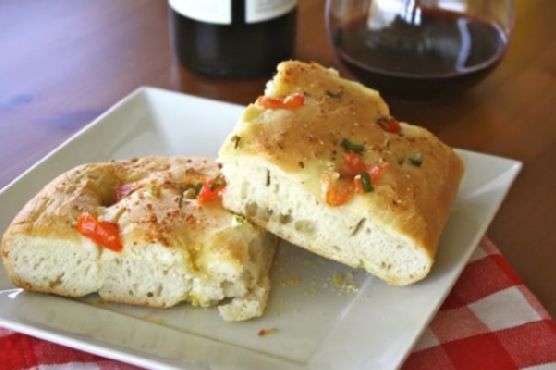
Focaccia with Tomato, Green Onion and Garlic | Made by Meaghan Moineau

Focaccia with Tomato, Green Onion and Garlic | Made by Meaghan Moineau

Title: Aromatic Bliss: Crafting Focaccia with Tomato, Green Onion, and Garlic
Description: Dive into the heartwarming world of homemade focaccia with this delightful recipe featuring tomatoes, green onions, and garlic. Perfect for a cozy family gathering, this dish is a blend of simplicity and flavor, evoking cherished memories while elevating your culinary skills. Whether you're a seasoned chef or a kitchen novice, this guide will walk you through each aromatic step, ensuring a perfect bake every time. Difficulty: 6/10. Category: Appetizer.

---


The Aroma of Tradition: Focaccia with Tomato, Green Onion, and Garlic


There’s something inherently nostalgic about the wafting aroma of freshly baked focaccia. For me, it conjures up memories of Sunday afternoons in my grandmother's sunlit kitchen, where the comforting scent of bread mingled with laughter and stories.


Ingredients:

- Coarse salt

- Flour


- 1 garlic clove, minced


- 1 green onion, chopped


- Olive oil


- Dried oregano


- Grated Parmesan cheese


- 1 tablespoon sugar


- 1 cup diced tomatoes


- 1 cup warm water


- 2 teaspoons quick-rising yeast


Instructions:


1. Proof the Yeast:

Begin by awakening the yeast. In a small bowl, combine the quick-rising yeast with warm water and sugar. Gently stir to dissolve the ingredients and let it stand for about 3 minutes until it turns foamy—a sign that your yeast is ready to work its magic.


2. Form the Dough:

In a large bowl, create a well in the center of the flour. Dissolve the salt in a few tablespoons of water in a separate small bowl, then add it to the flour alongside the yeast mixture. Pour in the olive oil. Using your hands and a spatula, mix everything together until you form a dough. Knead diligently for 10 minutes, adding a bit of flour as needed, until the dough is smooth and pliable.


3. Let It Rise:

Shape the dough into a round ball. Lightly coat it with olive oil, cover with a thick towel, and let it rest in a warm spot. Allow it to rise until it doubles in size, approximately 45 minutes to an hour.


4. Prepare the Baking Sheet:

Coat a baking sheet with olive oil and generously sprinkle cornmeal over the entire pan. Once the dough has risen, place it on a floured surface, punch it down 3-4 times, and let it stand for a few minutes.


5. Shape and Rest:

Roll and stretch the dough into an oblong shape about 1/2 inch thick. Transfer it to the prepared baking sheet, cover with plastic wrap, and let it rest for 15 minutes.


6. Preheat and Prepare Toppings:

Preheat your oven to 400°F. Once the dough has rested, use your fingers to poke small wells all over its surface. Brush with olive oil, then evenly sprinkle on dried oregano, chopped green onion, diced tomatoes, and minced garlic. Top with coarse salt and a generous layer of grated Parmesan cheese.


7. Bake to Perfection:

Place the focaccia on the bottom rack of your oven and bake for 20 minutes, keeping a close eye as the baking time comes to an end, to achieve a golden, crispy crust.


---


A Slice of Memory

Baking this focaccia is more than just a culinary endeavor; it’s a journey back to my childhood. I remember my grandmother, her hands dusted with flour, guiding me through the steps while sharing tales of her own mother’s kitchen adventures. The kitchen was our sanctuary, where time seemed to pause, and the simple act of kneading dough became a bridge between generations.


Every bite of this focaccia is a reminder of those cherished Sundays. The tang of tomatoes, the sharpness of green onions, and the warmth of garlic all blend into a melody of flavors that never fails to bring a smile.


Difficulty: 6/10
Category: Appetizer

This focaccia recipe is perfect for those seeking to explore the art of bread-making while indulging in a flavorful appetizer that resonates with nostalgia and warmth. Whether you're recreating family memories or crafting new ones, this dish is sure to become a beloved staple at your table.

Read more about Appetizers

Read more about Main Dishes

Read more about Desserts