Earnings Season Is Going Really Well. Don’t Overthink It. – Barron’s | Analysis by Brian Moineau

Earnings Season Is Going Really Well. Don’t Overthink It. - Barron's | Analysis by Brian Moineau

Sunny Side Up: Earnings Season and the Art of Not Overthinking

In the world of business, where numbers dance and market trends are dissected like fine art, the latest earnings season has brought a breath of fresh air. According to Barron's, it's been going really well. The advice? Don't overthink it. This might seem counterintuitive in a space where analysis is king, but sometimes the best approach is to appreciate the good news at face value.

The Earnings Season Symphony

Earnings season is like the quarterly report card for businesses. Companies unveil their financial results, and investors gauge the health of these corporate giants. This time around, the results have been notably positive. From tech behemoths to retail giants, many companies are exceeding expectations. It's like watching a symphony where every instrument hits the right note.

The positive performance isn't confined to one sector. Technology companies, which are often the darlings of Wall Street, have reported robust numbers. With innovation continuing to drive growth, it's not surprising to see tech firms leading the charge. For instance, giants like Apple and Microsoft have shown resilience, underscoring the enduring demand for their products and services.

A Broader Economic Canvas

The positive earnings reports are not happening in a vacuum. The global economic landscape is also presenting a more optimistic picture. Inflation rates, which have been a concern for consumers and businesses alike, are showing signs of stabilizing in many parts of the world. This can be partly attributed to central banks' strategic moves to control inflation without stifling growth.

Meanwhile, consumer confidence is on the rise. As pandemic fears continue to recede, people are more willing to spend, travel, and invest. This uptick in consumer activity is a boon for businesses across various sectors, from travel to retail.

Connecting the Dots

The current earnings season is a testament to the resilience and adaptability of businesses. But it's also a reflection of broader trends and shifts. For example, the surge in remote work has fueled demand for tech products and digital services, a trend that companies have capitalized on.

Moreover, the focus on sustainability and ethical business practices is becoming more pronounced. Companies that are aligning themselves with these values are not only winning consumer trust but are also seeing it reflected in their financial performance. This shift is mirrored in global initiatives like the Paris Agreement, which aims to foster a more sustainable future.

A Lighthearted Perspective

In the spirit of not overthinking, let's take a moment to appreciate the good news. It's easy to get caught up in the minutiae and potential pitfalls of market trends, but sometimes the best strategy is to take a step back and enjoy the view. Remember, even in the business world, not every silver lining needs a cloud.

Final Thoughts

As we navigate through this earnings season, let's embrace the positive momentum. While challenges will inevitably arise, the current landscape offers a reminder of the resilience and potential of businesses globally. So, here's to the companies hitting their stride and the investors enjoying the ride. After all, in the grand tapestry of business, sometimes it's okay to take a moment, smile, and not overthink it.

Read more about AI in Business
Read more about Latest Sports Trends

Read more about Technology Innovations

Walgreens Goes From $100 Billion Health Giant to Private-Equity Salvage Project – The Wall Street Journal | Analysis by Brian Moineau

Walgreens Goes From $100 Billion Health Giant to Private-Equity Salvage Project - The Wall Street Journal | Analysis by Brian Moineau

**From Pharmacy Powerhouse to Private-Equity Project: The Walgreens Odyssey**

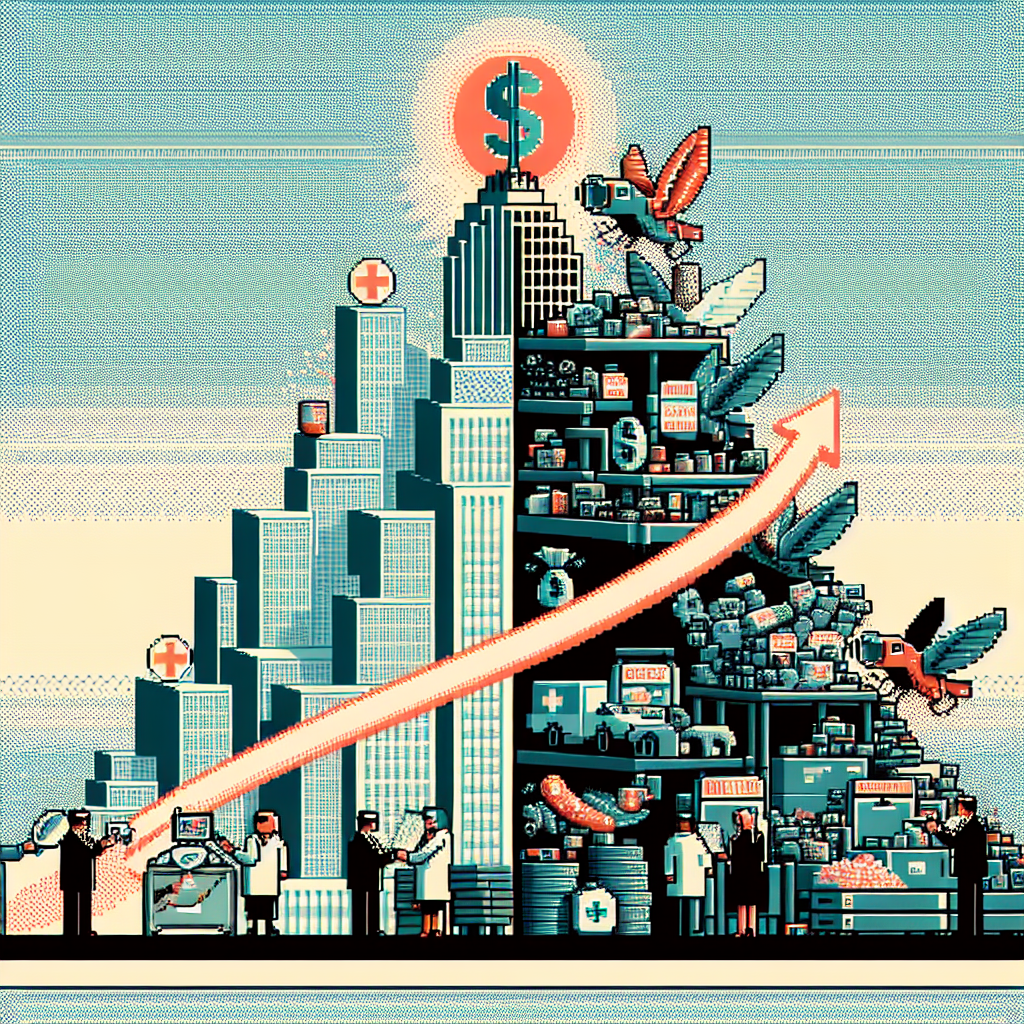
Once upon a time, Walgreens stood tall as a $100 billion behemoth in the health industry, a giant among giants in the world of pharmacy and retail. Fast forward to today, and this titan is finding itself in the arms of Sycamore Partners, a private-equity firm known for taking companies on a journey of transformation—or, more aptly, salvage operations. What's led Walgreens down this winding road from the peak of pharmaceutical prowess to a private-equity project? Let’s explore the narrative of change in the retail pharmacy landscape.

**The E-Commerce Effect**

The decline of Walgreens is not an isolated incident but rather a chapter in the larger story of retail evolution. As the tides of e-commerce have swept across the globe, traditional brick-and-mortar stores have found themselves in increasingly choppy waters. Giants like Amazon have redefined customer expectations, offering convenience and competitive pricing that physical stores struggle to match. Walgreens, despite its storied history, has not been immune to these forces.

In the broader context, it’s worth noting how other traditional retailers have navigated this digital disruption. Take, for instance, Best Buy, which found a way to thrive by revamping its online presence and customer service strategies, proving that adaptation is indeed possible. Meanwhile, Sears, once a retail stalwart, serves as a cautionary tale, having succumbed to the pressures without adequately evolving.

**Health-Industry Shifts**

Beyond the digital revolution, the health industry itself is in flux. The rise of telemedicine, changing patient expectations, and new regulatory landscapes have altered how health services are delivered and consumed. Walgreens, which had long been synonymous with the local pharmacy experience, needed to innovate and expand its healthcare offerings. Competitors like CVS Health have embraced this change more readily, integrating health services and digital solutions to meet the modern consumer's needs.

In a world where healthcare is moving towards more integrated and holistic models, Walgreens' slower pivot has been a significant factor in its decline. The acquisition by Sycamore Partners might be the catalyst needed for a strategic realignment, potentially infusing the company with a fresh perspective on navigating these changing terrains.

**A Broader Economic Lens**

Walgreens’ predicament can be seen as a microcosm of the broader economic climate. As private equity increasingly steps in to rescue or revitalize struggling businesses, we see echoes of this in other sectors. For instance, the restaurant industry has witnessed similar patterns, with private-equity firms stepping in to revitalize brands that have fallen out of favor with shifting consumer tastes.

Furthermore, as we transition into a post-pandemic world, the business landscape is undergoing significant recalibration. Companies are re-evaluating their operational strategies, supply chain mechanisms, and digital footprints to remain competitive and relevant.

**Final Thoughts**

The story of Walgreens serves as a poignant reminder of the necessity for businesses to adapt proactively and innovatively. In an era defined by rapid technological advancements and shifting consumer expectations, standing still is not an option. Whether Sycamore Partners can successfully steer Walgreens back to its former glory remains to be seen, but one thing is certain: the journey will be closely watched by those who understand the importance of evolution in the ever-changing world of business.

As we look to the future, it’s crucial for businesses to embrace change, foster innovation, and, perhaps most importantly, place the customer at the heart of their strategies. After all, the ability to adapt is not just a business strategy; it is an imperative for survival.

Read more about AI in Business

Read more about Latest Sports Trends

Read more about Technology Innovations