Google Takedown Ends Massive Residential | Analysis by Brian Moineau

The internet in your living room was leaking — and Google just swatted a giant fly

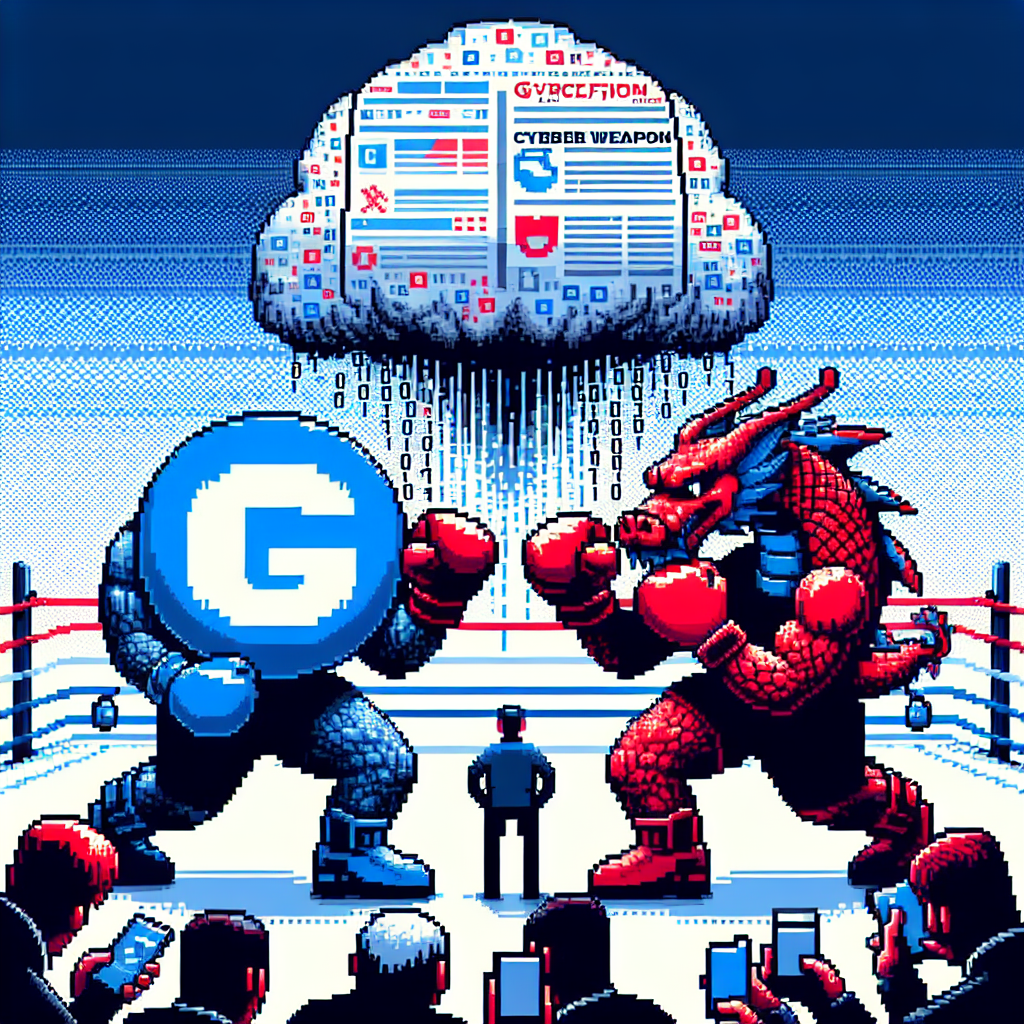
A few weeks ago (January 28, 2026), Google’s Threat Intelligence Group announced a coordinated action that reads like a cyber-thriller: it seized domains, kicked malicious apps out of Android, and worked with industry partners to dismantle what researchers say was one of the world’s largest residential proxy networks — operated by a company commonly referred to as IPIDEA. The headline detail is blunt: millions of everyday devices — home routers, set‑top boxes, phones and PCs — were being quietly turned into exit nodes that masked the activity of criminal and state‑linked hackers.

This matters because residential proxies don’t just anonymize web browsing. They let attackers hide behind seemingly normal home internet traffic to break into corporate systems, exfiltrate data, run botnets, and stage espionage campaigns. When those exit nodes live inside your apartment or your aunt’s tiny business router, the problem becomes intimate, local — and harder to police at scale.

Why this takedown is unusual

  • It targeted the business model behind a sprawling “gray market” rather than a single malware family.
  • Google combined technical defensive moves (Play Protect updates), legal tools (domain seizures), and industry coordination (DNS blocking, partner intelligence) to degrade the network.
  • The network reportedly serviced hundreds of malicious brands and SDKs embedded across platforms, meaning infection vectors ranged from trojanized apps to preinstalled payloads on cheap hardware.

The action Google described was reported across major outlets and followed weeks of analysis by threat hunters who mapped the two‑tier command-and-control architecture that assigned proxy tasks to enrolled devices. The public claims: in a single seven‑day window in January, more than 550 tracked threat groups used IPIDEA-linked IPs to cloak activity. Google said its steps “reduced the available pool of devices for the proxy operators by millions.” (Date of the disruption announcement: January 28, 2026.)

A quick primer: what are residential proxy networks?

  • Residential proxy: a service that routes internet traffic through IP addresses assigned to consumer ISPs — so web requests look like they originate from real homes.
  • Legitimate uses: ad verification, localized scraping for price comparison, or bypassing certain geo-restrictions when done transparently.
  • Abusive uses: blending malicious traffic with normal residential browsing to evade detection; staging credential spraying; accessing corporate services while appearing as a domestic user; operating botnets and command channels.

IPIDEA’s alleged method was notable: sell SDKs or “monetization” tools to app developers, or ship off‑brand devices with proxy code preinstalled. That created a huge, distributed pool of real‑world IPs available to paying customers — some criminal, some state‑linked.

What happened on January 28, 2026

  • Google’s Threat Intelligence Group (GTIG) pursued legal orders to take down the control domains used by IPIDEA.
  • Google Play Protect was updated to detect and remove hundreds of apps linked to the operation.
  • Google shared technical indicators with partners and ISPs; firms such as Cloudflare and some threat‑intel groups helped block DNS and mapping infrastructure.
  • Media and security researchers published timelines and lists of affected SDKs and proxy brands; reporting tied the network to multiple botnet campaigns and malicious toolkits.

Sources reporting the operation estimated that millions of devices were removed from the proxy pool and that dozens of brands and SDK families were disrupted.

Why this is a national‑security and consumer problem at the same time

  • Scale and stealth: when exit nodes are ordinary homes, defenders see “normal” traffic. That makes attribution and mitigation expensive and slow.
  • Dual‑use plumbing: many of the same tools can be framed as “legitimate” privacy or monetization services — which complicates takedowns and legal responses.
  • Supply‑chain angle: preloaded firmware or uncertified hardware with hidden proxy payloads means customers may be compromised before they power the device.
  • State interest: security briefings and law‑enforcement filings in recent years tie residential proxy ecosystems to state‑linked espionage and large router compromises, elevating this beyond mere fraud.

What ordinary users should know (and do)

  • Your device might be part of a proxy network without obvious signs. Check for unknown apps, especially utilities or “monetization” tools, and remove suspicious ones.
  • Keep firmware and OS software updated; buy devices from reputable vendors; be wary of cheap off‑brand boxes that advertise a lot of bundled functionality.
  • Use network monitoring where possible: check for unexplained outbound connections or unfamiliar services bound to your router.
  • Change default router passwords and disable remote‑management features if you don’t use them.

What this takedown does — and doesn’t — solve

  • It’s a strong, high‑impact disruption: removing command domains and evicting malicious apps can cripple an operator’s ability to coordinate millions of exit nodes.
  • But it’s not a permanent cure: the residential‑proxy market is large, commercially motivated, and resilient. Operators can rebrand, change SDKs, or migrate to other infrastructure. Cheap hardware suppliers and eager app monetizers create fresh vectors.
  • Long term progress requires more than technical takedowns: cross‑industry cooperation, clearer legal frameworks for deceptive SDK practices, and improved device supply‑chain security.

What to watch next

  • Will regulators pivot to target the business side — SDK vendors, app monetization marketplaces, or retailers of uncertified devices?
  • Will other major platform owners match Google’s approach (e.g., app‑store blocks, domain‑seizure cooperation)?
  • Will threat actors move toward decentralization (peer‑to‑peer proxies) or new monetization channels that are harder to interdict?

Things to remember

  • Residential proxies exploit trust: traffic coming from a home IP looks normal, which attackers weaponize.
  • Disruption can be effective at scale, but the underlying market incentives still exist.
  • Consumer vigilance and industry partnership are both required to keep this class of abuse in check.

My take

This was a high‑leverage move: attacking the control plane and the supply channels of a sprawling proxy business hits an ecosystem where the marginal cost of misbehavior is low but the upside for attackers is huge. Google’s action will cause real, measurable harm to operators who relied on scale and obscurity — and it signals that platform defenders are willing to combine technical, legal, and cooperative tools to protect users.

But the takeaway shouldn’t be complacency. The incentives that built this “gray market” are intact: monetization pressure for developers, low‑cost hardware manufacturers, and demand from bad actors who prize plausible domestic IPs. Expect more takedowns, but also expect adaptation. For everyday users, the safest posture remains hygiene: don’t install sketchy system‑style apps, keep devices updated, and treat cheap “preloaded” hardware with suspicion.

Sources

Note: coverage and technical writeups published January 28–29, 2026 formed the basis for this post. The Wall Street Journal reported an exclusive framing of the story; other outlets and Google’s GTIG materials provide public technical detail and context.

When Corporates Fight, Fans Lose Access | Analysis by Brian Moineau

Does anyone care about the consumers?

A lot of people woke up this week ready for college football highlights and Monday Night Football — and discovered their streaming lineup had turned into a choose-your-own-frustration. YouTube TV and Disney (which runs ESPN and ABC) are locked in a carriage fight that has already pulled Disney channels off YouTube TV for millions of subscribers. The timing — right in the middle of the football season — makes the question painfully simple: when big media companies brawl over fees, who actually looks out for the viewer?

Why this fight matters right now

  • The dispute centers on carriage fees and how Disney’s pricing and platform strategy (including Hulu + Live TV and its expanding stake in Fubo) intersects with Google’s YouTube TV ambitions. If no deal is reached, YouTube TV subscribers lose access to ESPN and ABC programming — including big games. (Nov 2–3, 2025 developments.) (nbcsports.com)
  • Sports rights are skyrocketing in value; networks want to recoup costs, distributors push back to avoid yet another price hike. That tug-of-war plays out directly in your living room when a blackout removes the game you planned your evening around. (businessinsider.com)
  • Both sides are using public pressure and PR: Disney rallied ESPN personalities and launched a site urging subscribers to "keep my networks," while YouTube TV highlights the possibility of higher prices and even offered subscribers a credit if the blackout drags on. The result: fans get propaganda instead of access. (businessinsider.com)

What this feels like for consumers

  • Frustrating: sudden loss of channels with little control or easy alternatives for live sports.
  • Confusing: companies point fingers and push viewers toward their own apps or rival platforms.
  • Expensive pressure: even if short-term fixes exist (trial offers or switching services), ongoing rights inflation means everyone may pay more in the long run.

Quick takeaways for readers

  • The blackout is a symptom, not the disease: escalating sports-rights costs and platform consolidation create repeated standoffs between content owners and distributors. (businessinsider.com)
  • Consumers are caught between two businesses optimizing for different goals — Disney monetizes content across its streaming ecosystem; Google wants to keep YouTube TV priced competitively. Neither has a primary incentive to prioritize the viewing public. (houstonchronicle.com)
  • Short-term fixes (credits, temporary workarounds, or switching services) help some users, but they don't solve the structural problem of fragmented access and rising prices. (houstonchronicle.com)

The investor-versus-consumer tug

This is where the incentives get ugly. Disney answers to shareholders who expect returns on massive sports contracts; YouTube TV answers to Google’s broader business strategy (and user-price sensitivity). When each side negotiates as if their primary audience is investors or corporate strategy committees, the ordinary fan is reduced to a bargaining chip.

  • Disney's leverage: premium sports channels and originals that people will chase.
  • YouTube TV’s leverage: a large, sensitive subscriber base that will balk at further price increases.
  • The missing stakeholder in negotiations: the consumer experience — consistent access, clear pricing, and minimal friction.

My take

This blackout is a reminder that the streaming era hasn’t delivered true consumer-first TV. The mechanics changed — cable’s set-top box replaced by apps — but the core dynamic remains: content owners and distributors treat viewers as units of monetization. The only real way to break the cycle is a market structure or product design that forces alignment: either clearer, standardized bundling, regulation that protects access to essential live content, or business models that reward reliability over short-term bargaining power.

Until then, expect more of these weekend-ruining spats during the high-stakes parts of sports seasons.

Final thoughts

Fans are being asked to play referee in fights they didn't start. Whether you root for the Cowboys, binge college games on Saturdays, or just want your Monday night ritual, the basic ask is reasonable: make the game available. Corporate positioning and profit engineering are fine boardroom topics, but when negotiations remove core live experiences, the companies involved should remember the two words that keep brand loyalty alive: keep watching.

Sources


Related update: We recently published an article that expands on this topic: read the latest post.


Related update: We recently published an article that expands on this topic: read the latest post.


Related update: We recently published an article that expands on this topic: read the latest post.


Related update: We recently published an article that expands on this topic: read the latest post.


Related update: We recently published an article that expands on this topic: read the latest post.

Blackout Fallout: Consumers Left Watching | Analysis by Brian Moineau

Does anyone care about the consumers?

A streaming blackout, Monday Night Football at stake, and two giant companies playing chicken

You open your living room app, ready for Monday Night Football, and—nothing. No ESPN banner, no kickoff, just a polite notice that the channel is “unavailable.” That’s the reality millions of YouTube TV subscribers faced this week as negotiations between Google’s YouTube TV and Disney broke down, pulling ESPN, ABC and other Disney-owned networks off the platform. The corporations trade blame; viewers lose access to the content they pay for. So where’s the consumer in all of this?

A quick snapshot of what happened

  • Disney’s carriage agreement with YouTube TV expired, and no new deal was reached, causing a blackout of Disney-owned channels on the platform. (This affected ESPN, ABC, FX, Nat Geo, SEC/ACC networks and more.) (washingtonpost.com)
  • The timing was brutal: college football on Saturday was disrupted and Monday Night Football (Cardinals vs. Cowboys the night after the blackout) became unavailable to YouTube TV subscribers. That raised the stakes for future marquee matchups. (nbcsports.com)
  • Earlier this season Google reached deals with Fox and NBCUniversal, yet Disney remains locked in a standoff that threatens millions of viewers and key sports windows. (reuters.com)

Why this feels so rotten for consumers

  • Live sports are time-sensitive. Missing a game is not the same as missing a scripted show you can stream later. A blackout during football season is especially painful. (washingtonpost.com)
  • Many subscribers chose YouTube TV for its aggregated convenience—one app, multiple channels, cloud DVR. When channels vanish overnight, the product promise is broken. (washingtonpost.com)
  • Alternatives are expensive or incomplete. Getting ESPN back might mean paying for Hulu + Live TV, Sling, DirecTV Stream, or buying an ESPN standalone tier — added cost and fragmentation. (washingtonpost.com)

The corporate chess game (and whose move matters)

  • Disney’s position: negotiate carriage rates that reflect the value of its live sports and unscripted programming, and protect the economics of its own streaming bundles. Disney has argued that Google was leveraging its platform to undercut industry-standard terms. (washingtonpost.com)
  • Google/YouTube TV’s position: push back on rising retransmission costs that they say would force higher subscriber prices and fewer choices for viewers. They’ve been willing to walk away in negotiations. (washingtonpost.com)
  • The consequence is predictable: both sides use negotiating leverage (blackouts) as a tactic, but it’s subscribers who feel the pain immediately while the companies posture for months.

The broader implications

  • Fragmentation: Media consolidation and content-holder vertical integration means consumers face more “must-have” services and more risk of blackouts.
  • Leverage vs. loyalty: Platforms that control distribution have power — but persistent blackouts risk driving subscribers to competitors or to piracy for live events.
  • Regulatory attention: Repeated high-profile blackouts raise political and regulatory questions about fair carriage practices and the consumer harm caused by market leverage.

A few practical things viewers can do (realistic, not ideal)

  • Check if ESPN/ABC are available through alternative services you already have (Hulu, Fubo, traditional antenna for ABC where available). (washingtonpost.com)
  • Explore temporary direct-to-consumer options (Disney/ESPN often offer standalone streaming tiers) — but account for added monthly cost. (washingtonpost.com)
  • Track official statements from both companies for updates and any credits/compensations YouTube TV might offer subscribers during the blackout. (washingtonpost.com)

What they’re not saying out loud

  • Neither company wants to be the face of a permanent loss in subscribers or ad reach; yet both are willing to see short-term consumer pain if it secures longer-term economics. That’s a sign that subscriber experience is secondary to corporate balance sheets in these fights.
  • Sports rights have become a pressure valve: owners and leagues can exert influence when their windows are at risk, but leagues often avoid stepping into distribution fights directly—preferring to let rights holders and distributors argue.

My take

This isn’t a negotiation problem; it’s a design problem in how modern TV is structured. When distribution hinges on a handful of expensive live-rights packages, every carriage cycle becomes a high-stakes game of chicken. Consumers are collateral damage. Companies will frame it as defending price or fairness, but the outcome too often leaves viewers paying more, switching services, or missing the moments that matter.

The simplest, most consumer-friendly route is obvious: cut a deal that keeps content available while moving toward clearer, more transparent pricing models. But simple and profitable rarely align. Until someone redesigns the incentives—whether by market shifts, consumer pushback, or regulation—these blackouts will keep happening.

Final thoughts

Sports are communal experiences: we watch together, cheer, complain and share highlights. The current carriage model treats those shared moments as bargaining chips. That’s bad business and worse customer care. Consumers shouldn’t be left filling the gap between corporate negotiating positions — particularly not on Monday nights when the games matter most.

Sources


Related update: We recently published an article that expands on this topic: read the latest post.


Related update: We recently published an article that expands on this topic: read the latest post.