Subway hires former Burger King executive as its new CEO – Yahoo Finance | Analysis by Brian Moineau

Subway hires former Burger King executive as its new CEO - Yahoo Finance | Analysis by Brian Moineau

Title: A New Chapter for Subway: The Fast Food Shuffle and What It Means for Your Sandwich

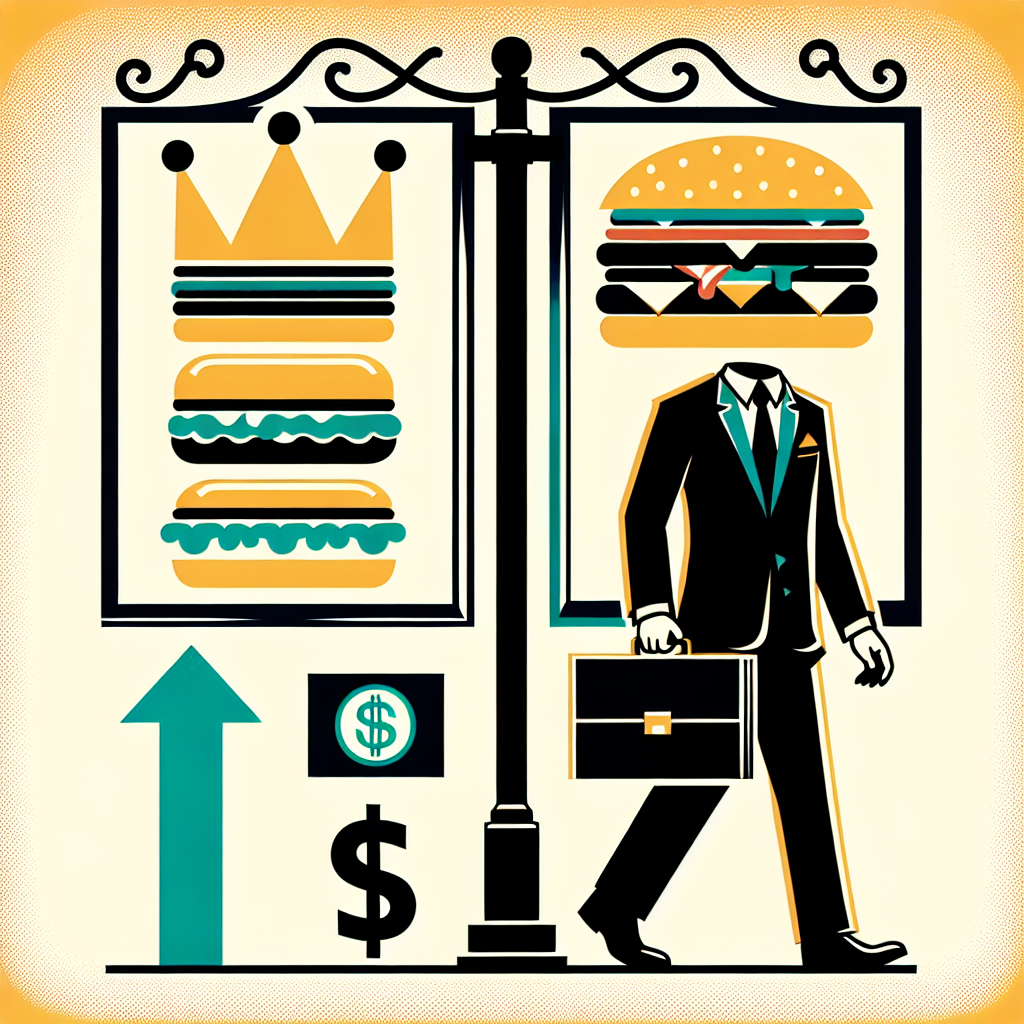
In the ever-evolving world of fast food, change is not just inevitable; it's essential. Subway, the Miami-based sandwich giant, is making waves by announcing Jonathan Fitzpatrick as its new CEO. Fitzpatrick, a seasoned executive with a rich history at Burger King, is set to bring a fresh perspective—and perhaps a whiff of flame-grilled innovation—to the sandwich chain.

From Whoppers to Footlongs: A Strategic Move

Jonathan Fitzpatrick is no stranger to fast food royalty, having honed his leadership skills at Burger King, a brand known for its bold flavors and even bolder marketing. His transition from flipping Whoppers to crafting footlongs is a fascinating shuffle in the fast-food hierarchy. With this move, Subway is not just swapping CEOs; it's signaling a desire to revitalize its brand and perhaps spice up its menu.

But why Fitzpatrick? His tenure at Burger King saw a rejuvenation of the brand, focusing on customer experience and innovative menu items—remember the Impossible Whopper? It was a game-changer in the fast-food industry, paving the way for plant-based options to become mainstream. Fitzpatrick's knack for tapping into consumer trends and his experience with global operations could be precisely what Subway needs to regain its footing in a competitive market.

The Fast Food Game of Thrones

Subway's decision to bring in Fitzpatrick is not happening in a vacuum. The fast-food industry is currently a hotbed of strategic shifts. Recently, McDonald's has been experimenting with AI-driven drive-thrus, while Taco Bell continues to innovate with its digital-only stores. Even smaller chains like Chipotle are diving into the tech pool with their “Chipotlanes” and a focus on digital orders. It's a Game of Thrones scenario where brands must adapt or risk being left behind.

Subway, once a leader in the healthy fast-food segment, has faced challenges in recent years with store closures and competition from newer, fast-casual eateries like Sweetgreen and Panera Bread. Fitzpatrick's appointment could signify a pivot towards a more dynamic business model that embraces both traditional offerings and modern consumer demands.

Fitzpatrick's Flavor Forecast

Will we see a Subway Impossible Meatball Sub? Or perhaps a spicy new marketing campaign that brings a touch of Burger King's sass? Only time will tell. What’s clear, however, is that Fitzpatrick’s leadership will likely focus on revitalizing Subway’s brand identity, enhancing customer experience, and possibly expanding its digital footprint.

Fitzpatrick's journey from Burger King to Subway also speaks to a broader trend of cross-pollination in the business world, where leaders bring diverse experiences to new domains, blending traditional expertise with innovative ideas. It's this kind of leadership that can drive change and foster growth in times of disruption.

Final Thoughts: A Sandwich Renaissance?

As Subway embarks on this new chapter under Fitzpatrick's leadership, there's a sense of cautious optimism. The fast-food landscape is ripe for innovation, and Subway's willingness to bring in fresh leadership could herald a new era for the brand. Whether you're a loyal Subway enthusiast or a curious onlooker, it's worth keeping an eye on how this strategic move unfolds. After all, the next big thing in fast food might just be your favorite new sandwich.

So, here's to Jonathan Fitzpatrick—a leader with a knack for flavor and a penchant for reinvention. May your Subway experience be ever more delicious and digitally savvy!

Read more about AI in Business
Read more about Latest Sports Trends

Read more about Technology Innovations

Why CEOs are using AI to scare workers – Axios | Analysis by Brian Moineau

Why CEOs are using AI to scare workers - Axios | Analysis by Brian Moineau

The AI Paradox: Why CEOs are Using Artificial Intelligence as a Boogeyman


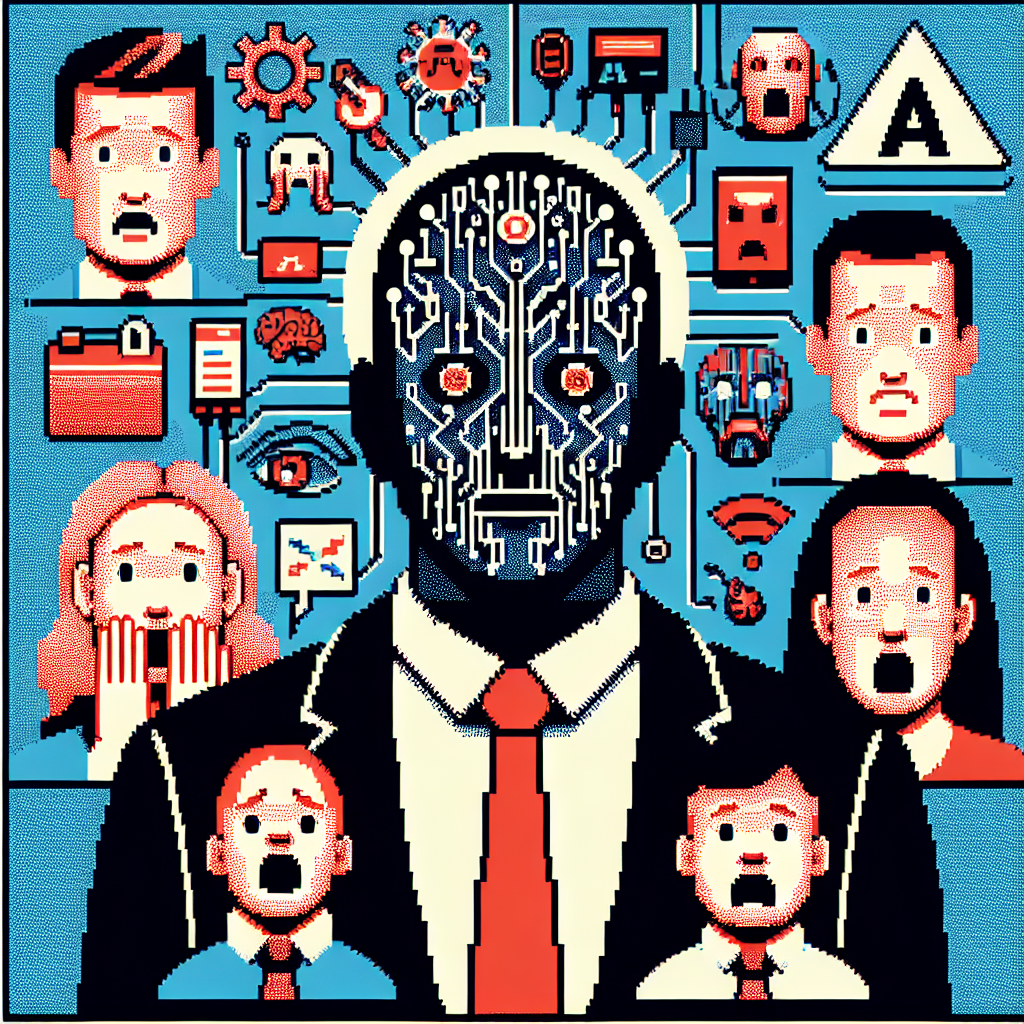
In the age of rapid technological advancement, few things spark as much intrigue—and anxiety—as artificial intelligence (AI). An article from Axios titled "Why CEOs are using AI to scare workers" delves into the intriguing dynamic where leaders of large corporations are simultaneously heralding AI as the future while also warning their workforce of its potential to disrupt and displace. This intriguing paradox raises questions about the motives and implications of such messaging, especially in today’s fast-evolving work landscape.

AI: The New Corporate Tool of Motivation?


Imagine being part of a workforce where the CEO encourages you to embrace a new technology that could, paradoxically, make your role obsolete. It's akin to being handed a double-edged sword. On one hand, AI is positioned as a tool for enhancing productivity and efficiency, while on the other, it's depicted as a looming threat to job security. This duality isn't just a strategic move; it's a reflection of the broader societal shift towards automation and digital transformation.

CEOs might be using AI as a scare tactic for a few reasons. First, it might be a strategic push to accelerate digital literacy and adaptability among employees. By highlighting the potential for job displacement, they create an urgency for workers to upskill and integrate AI into their work. This tactic isn't new. Historically, the introduction of any groundbreaking technology—from the steam engine to personal computers—has been met with both enthusiasm and caution.

Drawing Parallels: AI and the Gig Economy


The current discourse around AI and job security is reminiscent of the rise of the gig economy. Platforms like Uber and Airbnb transformed traditional sectors, offering flexibility but also raising questions about job stability and benefits. As AI continues to evolve, it’s likely to further blur the lines between traditional employment and gig work. Just as workers adapted to the gig economy, they'll need to navigate the AI-driven landscape.

The Global AI Race


On the global stage, nations are racing to harness AI’s potential, with countries like China and the US making substantial investments in AI research and development. This global competition further fuels the narrative of urgency and inevitability surrounding AI adoption. The World Economic Forum has noted that while AI could displace some jobs, it also has the potential to create new roles that we can scarcely imagine today.

Final Thoughts: Embracing Change with Caution


While the rhetoric from CEOs might seem daunting, it’s crucial for both employees and leaders to approach AI with a balanced perspective. Embracing AI doesn’t mean surrendering to it. Instead, it’s about integrating it intelligently to augment human capabilities, not replace them. Workers should focus on building skills that complement AI, such as emotional intelligence, creativity, and complex problem-solving—areas where machines still lag behind humans.

In this era of digital transformation, the key is not to fear the machine, but to understand and work alongside it. As we’ve seen with previous technological shifts, adaptability and learning are our greatest allies. So, while AI might be the latest bogeyman in the corporate world, it also holds the promise of a future where humans and machines collaborate to achieve the unimaginable. Let's embrace this brave new world with informed optimism.

Read more about AI in Business

Read more about Latest Sports Trends

Read more about Technology Innovations

The list of CEOs voicing support for their companies’ DEI initiatives is growing – Business Insider

In a world where diversity, equity, and inclusion (DEI) initiatives are becoming increasingly important, it's refreshing to see more and more CEOs stepping up to voice their support for such efforts within their companies. Christian Sewing, the CEO of Deutsche Bank, is the latest executive to join the growing list of leaders who are championing DEI initiatives within their organizations.

It's heartening to see CEOs like Sewing recognizing the importance of diversity within the workplace. Studies have shown time and time again that diverse teams lead to better decision-making, increased innovation, and improved financial performance. By voicing his support for DEI initiatives, Sewing is not only demonstrating a commitment to creating a more inclusive work environment but also setting an example for other leaders to follow.

This trend of CEOs publicly supporting DEI initiatives comes at a time when the world is experiencing a renewed focus on social justice and equality. The Black Lives Matter movement, the rise of the #MeToo movement, and other social justice movements have brought issues of diversity and inclusion to the forefront of public discourse. Companies are being called upon to not only talk the talk but also walk the walk when it comes to creating a more inclusive and equitable workplace.

It's encouraging to see CEOs like Sewing taking a stand and using their platforms to advocate for DEI initiatives. By doing so, they are sending a powerful message to their employees, customers, and stakeholders that diversity and inclusion are not just buzzwords but core values that are integral to the success of their companies.

As we continue to navigate the complexities of a rapidly changing world, it's important for companies to prioritize diversity, equity, and inclusion in order to foster a more inclusive and equitable society. By supporting DEI initiatives, CEOs like Christian Sewing are not only driving positive change within their organizations but also contributing to a more just and equitable world for all.

In conclusion, let's celebrate the growing number of CEOs who are voicing their support for DEI initiatives and recognize the importance of creating a more diverse and inclusive workplace. Together, we can work towards building a more equitable and just society for all.