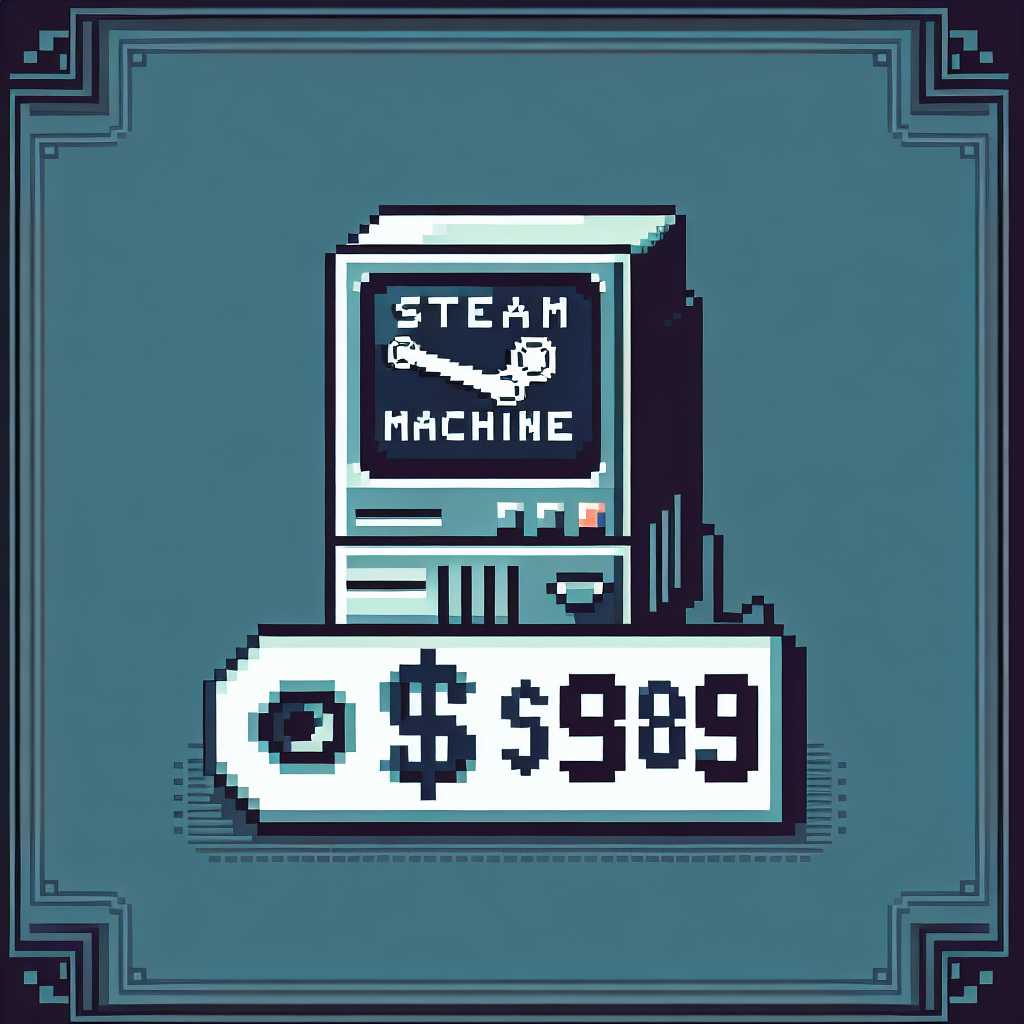
Steam Machine Priced Like Regular PCs | Analysis by Brian Moineau

Valve’s Steam Machine won’t be subsidised — expect PC-like prices

You remember the moment Valve teased a living-room-sized PC that felt more like a console than a tower? That shiny little box — the Steam Machine — promises to live on your TV bench, boot into SteamOS, and bring much of your Steam library to the sofa. The catch, according to Valve, is that its price tag is going to be less “console launch loss leader” and more “what an equivalent PC costs.” That distinction matters more than you might think.

Why the price line matters

  • Console makers traditionally sell hardware at or below cost at launch and make profit on software and services. That lets companies push a low entry price to build install base quickly.
  • Valve is saying it will not subsidise the Steam Machine in that way. Instead, the device will be priced roughly in the same window as a PC with comparable CPU/GPU/RAM/storage.
  • That framing shifts how consumers, press and competitors think about the product: it’s not a budget console alternative, it’s a curated, compact PC experience with a living-room focus.

What Valve actually said

Valve engineer Pierre-Loup Griffais told the Friends Per Second (Skill Up) podcast that the Steam Machine’s pricing will be “more in line with what you might expect from the current PC market,” and that Valve aims to be competitive at that level of performance. He emphasised Valve won’t subsidise the hardware the way console makers often do, and noted features like small form factor and low noise as added value that justify a PC-equivalent price. Several outlets have reported and analysed this explanation. Sources later reiterated Valve’s reluctance to set a concrete number while market conditions (component prices, supply) are still fluctuating. (See Sources.)

The practical fallout for buyers

  • Expect one or more configurations (likely different storage and maybe a “Pro” later), with base models probably sitting above the cheapest consoles and closer to mid-range gaming PCs.
  • Convenience vs. bang-for-buck: the Steam Machine sells convenience (plug-and-play living-room experience, quiet small form factor, TV integration) that a DIY small-form-factor PC has a hard time matching — but that convenience comes at a premium.
  • For price-conscious buyers, building or buying a desktop might still give more raw performance per dollar. For people who want a tidy, TV-focused Steam experience, the trade-off might be worth it.

Market context and timing

  • Component price volatility (RAM, storage, GPUs) makes precise pricing hard right now; Valve acknowledged that directly.
  • Valve’s position is different from the Steam Deck era: the Deck launched with strong subsidies and aggressive pricing that helped it find a wide audience. Valve has signalled it won’t repeat that playbook for the Steam Machine.
  • Competing consoles (PlayStation, Xbox) often use hardware pricing strategies tied to exclusive games and massive ecosystem investments. Valve is betting on Steam’s ecosystem and optional hardware advantages rather than subsidised entry prices.

A few reasonable price guesses (not official)

Analysts and outlets are speculating widely — numbers in the discussion range from roughly mid-$500s up to $800–$1,000 for higher-spec variants. Much depends on the final internal specs and whether Valve decides to offer a slimmer or “Pro” model later. Whatever the final tags are, remember the anchor: Valve says “PC-equivalent” pricing, not “console-priced.”

What this means for Steam’s strategy

  • Valuing hardware parity with PC suggests Valve intends the Steam Machine to sit alongside desktops rather than undercut them.
  • It positions Valve as offering a premium, integrated hardware option to access Steam — like the Steam Deck did for handhelds, but with less emphasis on low launch pricing.
  • Valve retains flexibility: they can still adjust SKUs, storage options and promotions, but the commitment to non-subsidised pricing signals a different commercial calculus.

Quick takeaways

  • The Steam Machine will be priced like a comparable PC, not like a subsidised console.
  • Valve emphasises added hardware value (small form factor, low noise, TV integration) to justify that price.
  • Final prices are TBD because component costs are still volatile; speculation ranges widely but tends to sit above typical console launch prices.
  • Buyers need to weigh convenience and living-room integration against pure price-per-performance.

Final thoughts

Valve has earned goodwill by making clever hardware bets before (hello, Steam Deck). Saying the Steam Machine will track PC prices is honest and sets expectations early. It also reframes who the Steam Machine is for: not bargain hunters, but people who want a polished, compact, sofa-friendly PC experience without fiddling with mini-ITX builds or cables behind the TV. If you want the cheapest possible way to play PC games on a TV, building or buying a prebuilt PC may still win. If you want a tidy, Valve-curated living-room box that “just works,” you might be willing to pay for that convenience.

Sources

(Note: quotes and reporting above are drawn from Valve’s recent public comments and multiple technology outlets reporting on them.)


Related update: We recently published an article that expands on this topic: read the latest post.

Related update: We recently published an article that expands on this topic: read the latest post.


Related update: We recently published an article that expands on this topic: read the latest post.

When Corporates Fight, Fans Lose Access | Analysis by Brian Moineau

Does anyone care about the consumers?

A lot of people woke up this week ready for college football highlights and Monday Night Football — and discovered their streaming lineup had turned into a choose-your-own-frustration. YouTube TV and Disney (which runs ESPN and ABC) are locked in a carriage fight that has already pulled Disney channels off YouTube TV for millions of subscribers. The timing — right in the middle of the football season — makes the question painfully simple: when big media companies brawl over fees, who actually looks out for the viewer?

Why this fight matters right now

  • The dispute centers on carriage fees and how Disney’s pricing and platform strategy (including Hulu + Live TV and its expanding stake in Fubo) intersects with Google’s YouTube TV ambitions. If no deal is reached, YouTube TV subscribers lose access to ESPN and ABC programming — including big games. (Nov 2–3, 2025 developments.) (nbcsports.com)
  • Sports rights are skyrocketing in value; networks want to recoup costs, distributors push back to avoid yet another price hike. That tug-of-war plays out directly in your living room when a blackout removes the game you planned your evening around. (businessinsider.com)
  • Both sides are using public pressure and PR: Disney rallied ESPN personalities and launched a site urging subscribers to "keep my networks," while YouTube TV highlights the possibility of higher prices and even offered subscribers a credit if the blackout drags on. The result: fans get propaganda instead of access. (businessinsider.com)

What this feels like for consumers

  • Frustrating: sudden loss of channels with little control or easy alternatives for live sports.
  • Confusing: companies point fingers and push viewers toward their own apps or rival platforms.
  • Expensive pressure: even if short-term fixes exist (trial offers or switching services), ongoing rights inflation means everyone may pay more in the long run.

Quick takeaways for readers

  • The blackout is a symptom, not the disease: escalating sports-rights costs and platform consolidation create repeated standoffs between content owners and distributors. (businessinsider.com)
  • Consumers are caught between two businesses optimizing for different goals — Disney monetizes content across its streaming ecosystem; Google wants to keep YouTube TV priced competitively. Neither has a primary incentive to prioritize the viewing public. (houstonchronicle.com)
  • Short-term fixes (credits, temporary workarounds, or switching services) help some users, but they don't solve the structural problem of fragmented access and rising prices. (houstonchronicle.com)

The investor-versus-consumer tug

This is where the incentives get ugly. Disney answers to shareholders who expect returns on massive sports contracts; YouTube TV answers to Google’s broader business strategy (and user-price sensitivity). When each side negotiates as if their primary audience is investors or corporate strategy committees, the ordinary fan is reduced to a bargaining chip.

  • Disney's leverage: premium sports channels and originals that people will chase.
  • YouTube TV’s leverage: a large, sensitive subscriber base that will balk at further price increases.
  • The missing stakeholder in negotiations: the consumer experience — consistent access, clear pricing, and minimal friction.

My take

This blackout is a reminder that the streaming era hasn’t delivered true consumer-first TV. The mechanics changed — cable’s set-top box replaced by apps — but the core dynamic remains: content owners and distributors treat viewers as units of monetization. The only real way to break the cycle is a market structure or product design that forces alignment: either clearer, standardized bundling, regulation that protects access to essential live content, or business models that reward reliability over short-term bargaining power.

Until then, expect more of these weekend-ruining spats during the high-stakes parts of sports seasons.

Final thoughts

Fans are being asked to play referee in fights they didn't start. Whether you root for the Cowboys, binge college games on Saturdays, or just want your Monday night ritual, the basic ask is reasonable: make the game available. Corporate positioning and profit engineering are fine boardroom topics, but when negotiations remove core live experiences, the companies involved should remember the two words that keep brand loyalty alive: keep watching.

Sources


Related update: We recently published an article that expands on this topic: read the latest post.


Related update: We recently published an article that expands on this topic: read the latest post.


Related update: We recently published an article that expands on this topic: read the latest post.


Related update: We recently published an article that expands on this topic: read the latest post.


Related update: We recently published an article that expands on this topic: read the latest post.

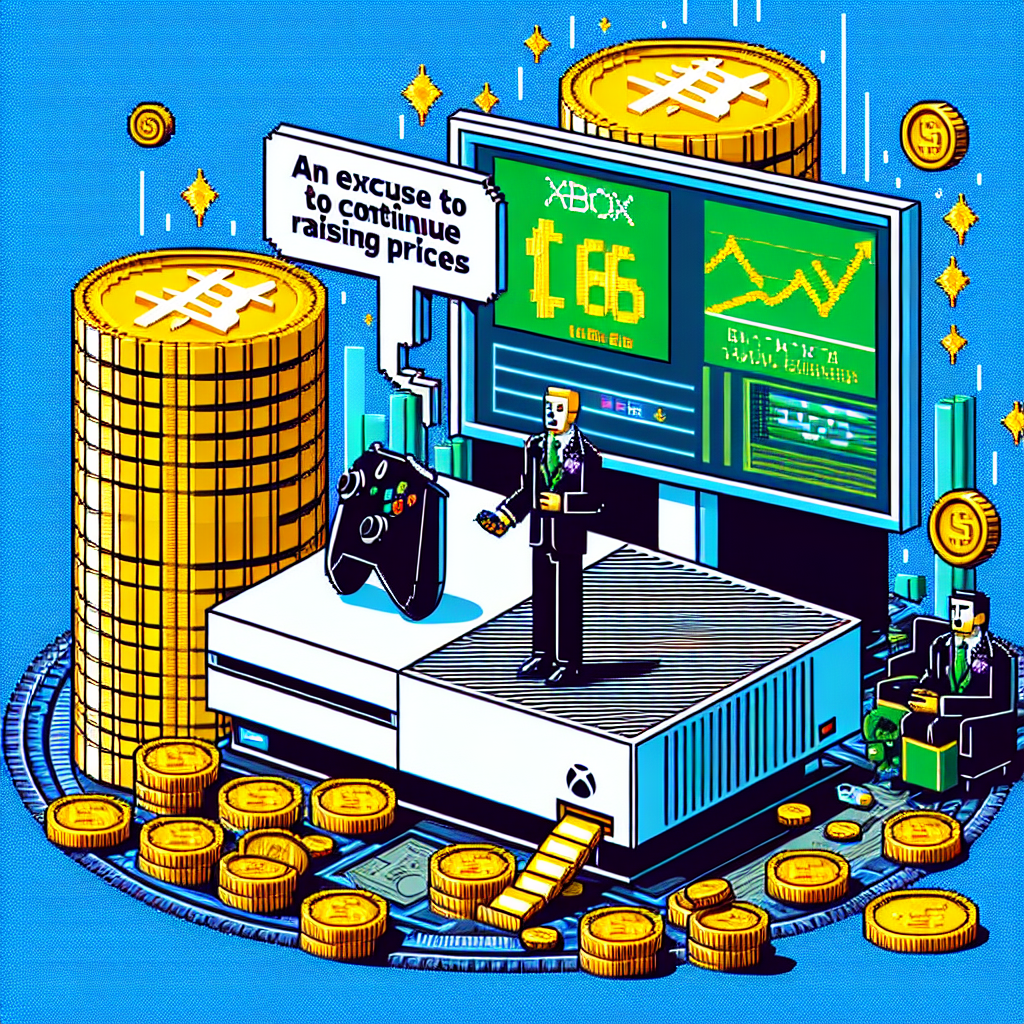
Xbox Price Hikes: A Tariff Scapegoat? | Analysis by Brian Moineau

Are Xbox Price Hikes Justified? Insights from Former Blizzard President

In the ever-evolving landscape of gaming, few things spark heated debates quite like the price of consoles. Recently, former Blizzard president Mike Ybarra weighed in on the controversial price hikes of Xbox consoles in the U.S., suggesting that Microsoft might be using tariffs as a convenient scapegoat. Let’s dive into the details of this debate, the context surrounding it, and what it could mean for gamers and the industry.

Context: The Price Hike Debate

As gaming enthusiasts know, the prices of consoles can significantly impact both sales and player satisfaction. Recently, Microsoft announced a price increase for its Xbox consoles, a move that has left many scratching their heads—especially amidst a global economic climate where many are feeling the pinch. Ybarra’s criticism comes as part of a broader conversation about pricing strategies in the gaming industry, particularly how companies justify their price changes.

In an era where inflation is hitting consumer goods hard, it’s not uncommon for companies to cite rising costs—whether from tariffs, supply chain disruptions, or other economic pressures. However, Ybarra’s assertion suggests that Microsoft may be leveraging these factors as a convenient excuse rather than a necessary response to market conditions.

Key Takeaways

Microsoft’s Price Increase: Xbox consoles in the U.S. have seen a notable price hike, causing concern among gamers about the overall affordability of gaming.

Criticism from Ybarra: Former Blizzard president Mike Ybarra has publicly criticized Microsoft’s reasoning, suggesting that tariffs are being used as a justification rather than a genuine cause.

Broader Industry Implications: This situation highlights a growing tension in the gaming industry where companies must balance profitability with consumer satisfaction.

Consumer Trust at Stake: If gamers feel that they are being unfairly charged, it could lead to a loss of trust in major brands like Xbox, impacting sales and loyalty in the long run.

Future of Gaming Pricing: As the gaming market continues to evolve, how companies address pricing issues will be crucial for maintaining their player bases and ensuring long-term success.

Reflecting on the Future of Gaming Pricing

As we look to the future, the conversation around console pricing will undoubtedly continue. Ybarra’s comments serve as a reminder that transparency is key in maintaining a healthy relationship between companies and consumers. Gamers are increasingly savvy and aware of market dynamics, and when they sense that they’re being taken for granted, it can lead to significant backlash.

Ultimately, the gaming community deserves clarity and fairness in pricing. As companies navigate the complexities of production costs and market demands, it will be interesting to see how they adjust their strategies without alienating their loyal fanbase.

Sources

1. Eurogamer: [Tariffs used by Xbox as “an excuse to continue raising prices”, says former Blizzard president](https://www.eurogamer.net/tariffs-used-by-xbox-as-an-excuse-to-continue-raising-prices-says-former-blizzard-president)

In this dynamic and competitive industry, the conversation about pricing is just beginning. Are you concerned about the rising costs of gaming? Share your thoughts below!


Related update: We recently published an article that expands on this topic: read the latest post.


Related update: We recently published an article that expands on this topic: read the latest post.


Related update: We recently published an article that expands on this topic: read the latest post.