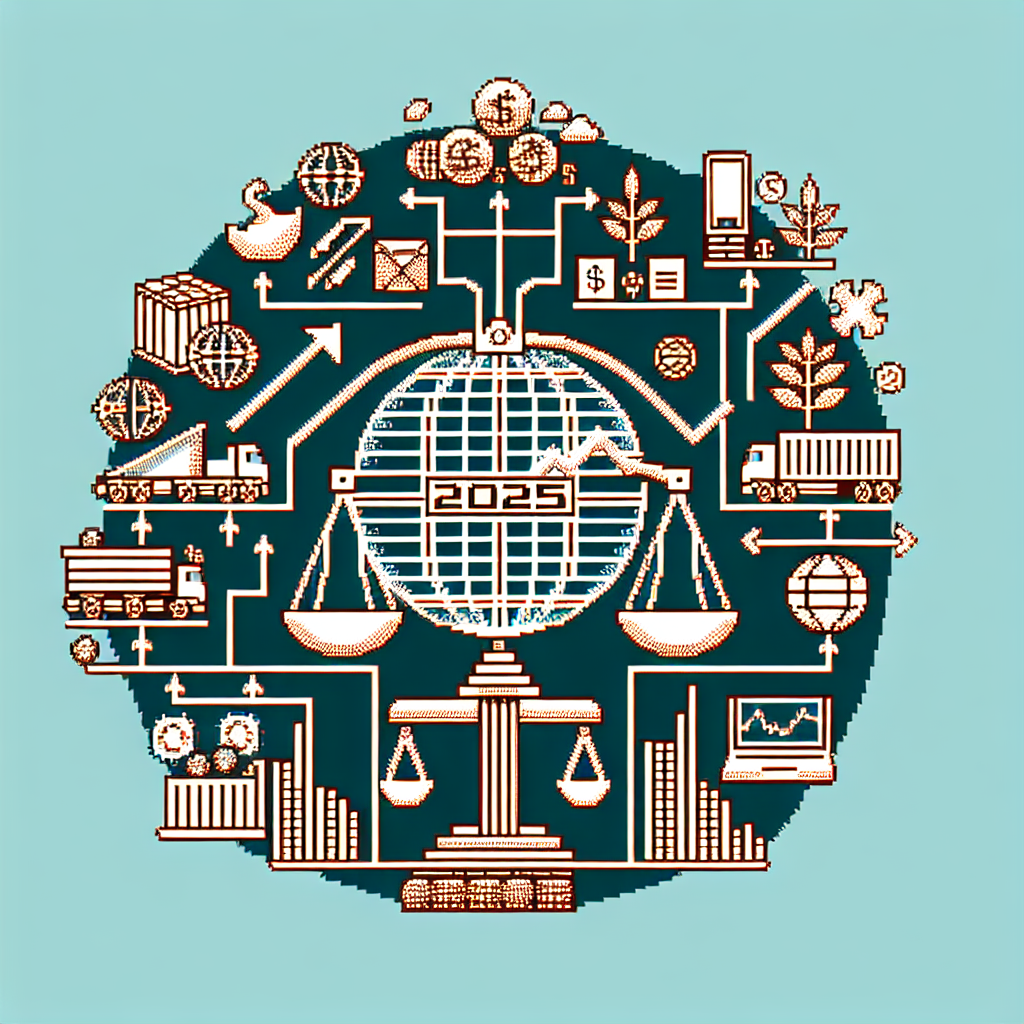
U.S. International Trade in Goods and Services, July 2025 – Bureau of Economic Analysis (BEA) (.gov) | Analysis by Brian Moineau

U.S. International Trade in Goods and Services, July 2025 - Bureau of Economic Analysis (BEA) (.gov) | Analysis by Brian Moineau

Navigating the Trade Winds: The U.S. Trade Deficit's July 2025 Surge

Ah, the ever-evolving dance of international trade! Just when you think you've caught the rhythm, the tune changes, and you're left trying to catch up. That's precisely what happened in July 2025, as reported by the Bureau of Economic Analysis (BEA). The United States' goods and services deficit reached a staggering $78.3 billion, up $19.2 billion from June's revised figure of $59.1 billion. It's a number that has many economists scratching their heads and businesses reassessing their strategies.

The Big Picture


Before you let the numbers get you down, let's take a step back and look at the broader context. The trade deficit isn't just a standalone figure; it's a snapshot of a much larger global economic picture. With the world slowly recovering from the economic disruptions caused by the COVID-19 pandemic, international trade has been on a rollercoaster ride. Supply chains are still adjusting, and consumer demand is in flux.

In July, the increase in the trade deficit was primarily driven by a rise in imports outpacing exports. The U.S. imported more consumer goods, capital goods, and industrial supplies, reflecting a robust domestic demand. Meanwhile, exports did not experience the same level of growth, partly due to ongoing challenges in the global supply chain and varying recovery rates in different parts of the world.

The Global Tapestry


This jump in the trade deficit isn't happening in isolation. It's intertwined with global economic currents. For instance, the European Union, a major trading partner of the U.S., is navigating its own economic challenges, including energy crises and political shifts. These factors can influence the demand for U.S. exports.

In Asia, China, another key player in global trade, is experiencing a complex economic landscape marked by regulatory changes and geopolitical tensions. These dynamics can impact the flow of goods and services to and from the U.S.

The Dollar Dance


Another interesting angle to consider is the role of the U.S. dollar. A stronger dollar makes imports cheaper and exports more expensive, which can widen the trade deficit. In 2025, the dollar has maintained its strength, partly due to the Federal Reserve's monetary policy decisions. This strength, while beneficial for American consumers purchasing foreign goods, challenges U.S. exporters trying to compete in global markets.

Looking Forward


So, what does this all mean for the future of U.S. trade? The trade deficit is a complex beast, influenced by myriad factors beyond just imports and exports. Policies aimed at boosting domestic production, such as incentives for manufacturing and innovation, could help balance the scales. Additionally, diplomatic efforts to stabilize global trade relations are crucial.

On a lighter note, the ebb and flow of the trade deficit can also be seen as a testament to the interconnectedness of our world. It's a reminder that even as nations strive for self-sufficiency, the global marketplace is a shared space where cooperation and competition coexist.

Final Thoughts


As we sail these trade winds, it's essential to remember that numbers like the trade deficit are just one piece of the economic puzzle. They offer insights, yes, but they also prompt deeper questions about how we engage with the world and what strategies we employ to foster sustainable growth.

In the end, whether you're a business leader, policymaker, or curious global citizen, understanding these shifts in trade dynamics is vital. So, let's keep our eyes on the horizon, ready to adapt and thrive in this ever-changing global economy. As the saying goes, the only constant in life—and trade—is change.

Read more about AI in Business

Read more about Latest Sports Trends

Read more about Technology Innovations

Unilever Ousts Chief and Elevates CFO in Surprise Move – Bloomberg | Analysis by Brian Moineau

Unilever Ousts Chief and Elevates CFO in Surprise Move - Bloomberg | Analysis by Brian Moineau

Title: Unilever's Leadership Shake-Up: A Lesson in Corporate Patience and Progress

In a surprising twist that even the most seasoned corporate analysts might not have seen coming, Unilever Plc has decided to part ways with its Chief Executive Officer, Hein Schumacher, after a tenure that lasted less than two years. This abrupt leadership change has sent ripples through the business world, sparking discussions about the ever-evolving demands of corporate leadership and the pace of restructuring in giant conglomerates.

Unilever, a household name known for its diverse portfolio—which includes beloved brands like Hellmann’s mayonnaise and Ben & Jerry’s ice cream—has been on a journey of transformation. However, it seems that Hein Schumacher’s vision and pace did not align with the board's expectations. In a move signaling urgency for change, the company has elevated its CFO, suggesting a shift towards a more financially driven strategy.

### The Hein Schumacher Chapter

Schumacher’s short-lived leadership at Unilever is a testament to the high stakes and swift decision-making that characterize the upper echelons of the corporate hierarchy. Coming from a robust background in the consumer goods sector, Schumacher was expected to usher in a new era of innovation and efficiency. However, his tenure highlights a critical lesson: even seasoned leaders with impressive track records can face challenges when aligning with the strategic tempo set by a board.

While we may not know the intricate details of the boardroom dynamics, Schumacher’s exit underscores the importance of adaptability in leadership roles. It's a reminder that success in such positions often hinges not only on implementing change but doing so at a pace that satisfies diverse stakeholders.

### Lessons from Other Industries

Unilever's situation isn't unique in the corporate world. The tech industry, for instance, offers parallel narratives. Consider the case of John Sculley, former CEO of Apple, whose leadership was marked by both innovation and controversy, leading to his eventual departure. Much like Schumacher, Sculley faced the challenge of balancing visionary change with the expectations of a deeply invested board.

Similarly, in the world of sports, coaches and managers often face swift exits when their vision doesn’t translate into victories. The recent sacking of Chelsea FC's manager after a string of disappointing performances is a case in point. These scenarios across industries reveal a common theme: the delicate balance between long-term strategy and short-term results.

### The Road Ahead for Unilever

With the CFO stepping into a more prominent role, Unilever seems poised to focus on financial stability and possibly a more conservative restructuring approach. This change could mean a sharpening of focus on core brands, streamlining operations, and enhancing shareholder value. The board's decision reflects a growing trend in corporate governance where financial acumen is increasingly valued in top leadership positions.

### Final Thoughts

As Unilever navigates this transition, it serves as a reminder of the age-old adage that change is the only constant. For stakeholders, it's crucial to recognize that leadership changes, while often unsettling, can pave the way for fresh perspectives and renewed vigor in business strategy.

In the broader business landscape, this episode at Unilever is a cue for leaders across sectors to continually assess their approach, ensuring alignment with both market demands and internal expectations. Ultimately, whether in consumer goods, technology, or sports, the ability to adapt and thrive amidst change remains a timeless requisite for success.

So, as we watch Unilever's next chapter unfold, let's keep an eye on how this strategic pivot plays out—because in the business world, the only thing more certain than change is the intrigue it brings along.

Read more about AI in Business

Read more about Latest Sports Trends

Read more about Technology Innovations