Does anyone care about the consumers?
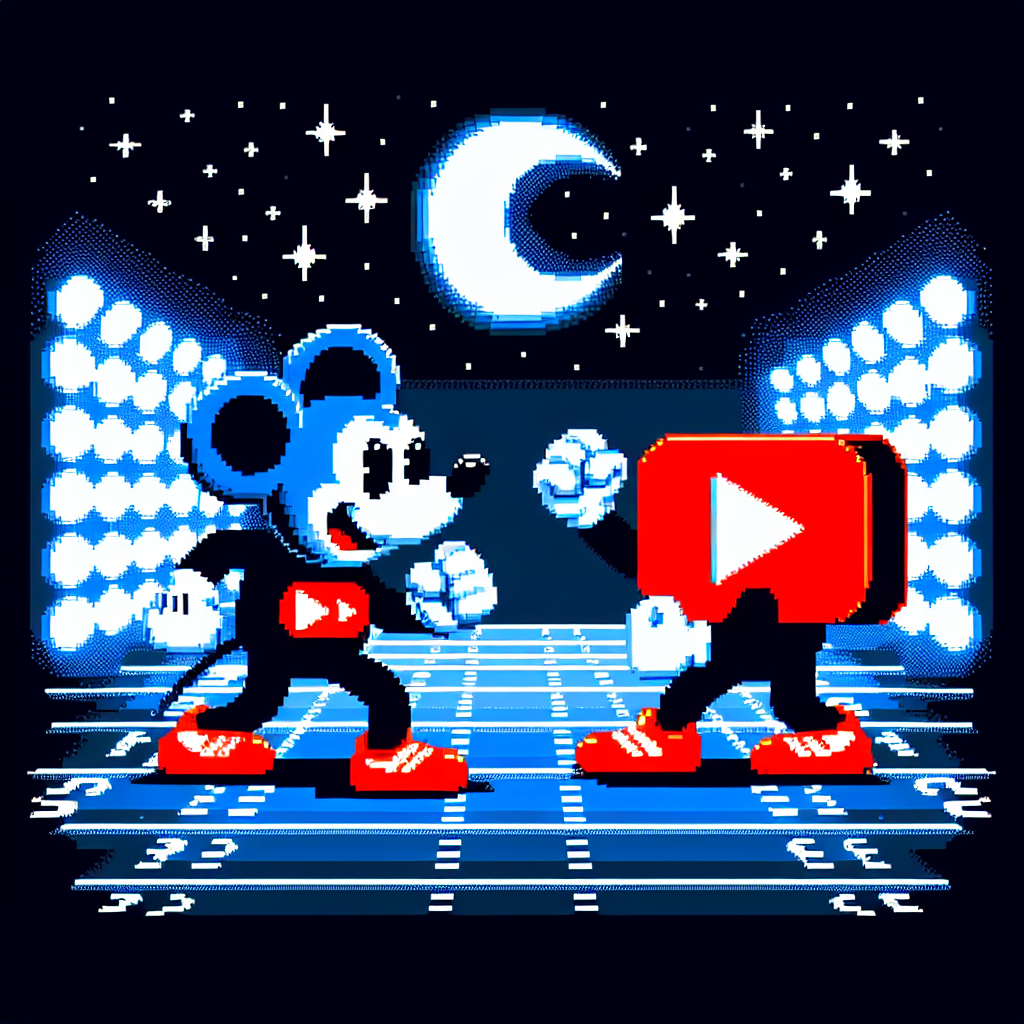
A lot of people woke up this week ready for college football highlights and Monday Night Football — and discovered their streaming lineup had turned into a choose-your-own-frustration. YouTube TV and Disney (which runs ESPN and ABC) are locked in a carriage fight that has already pulled Disney channels off YouTube TV for millions of subscribers. The timing — right in the middle of the football season — makes the question painfully simple: when big media companies brawl over fees, who actually looks out for the viewer?
Why this fight matters right now
- The dispute centers on carriage fees and how Disney’s pricing and platform strategy (including Hulu + Live TV and its expanding stake in Fubo) intersects with Google’s YouTube TV ambitions. If no deal is reached, YouTube TV subscribers lose access to ESPN and ABC programming — including big games. (Nov 2–3, 2025 developments.) (nbcsports.com)
- Sports rights are skyrocketing in value; networks want to recoup costs, distributors push back to avoid yet another price hike. That tug-of-war plays out directly in your living room when a blackout removes the game you planned your evening around. (businessinsider.com)
- Both sides are using public pressure and PR: Disney rallied ESPN personalities and launched a site urging subscribers to "keep my networks," while YouTube TV highlights the possibility of higher prices and even offered subscribers a credit if the blackout drags on. The result: fans get propaganda instead of access. (businessinsider.com)
What this feels like for consumers
- Frustrating: sudden loss of channels with little control or easy alternatives for live sports.
- Confusing: companies point fingers and push viewers toward their own apps or rival platforms.
- Expensive pressure: even if short-term fixes exist (trial offers or switching services), ongoing rights inflation means everyone may pay more in the long run.
Quick takeaways for readers
- The blackout is a symptom, not the disease: escalating sports-rights costs and platform consolidation create repeated standoffs between content owners and distributors. (businessinsider.com)
- Consumers are caught between two businesses optimizing for different goals — Disney monetizes content across its streaming ecosystem; Google wants to keep YouTube TV priced competitively. Neither has a primary incentive to prioritize the viewing public. (houstonchronicle.com)
- Short-term fixes (credits, temporary workarounds, or switching services) help some users, but they don't solve the structural problem of fragmented access and rising prices. (houstonchronicle.com)
The investor-versus-consumer tug
This is where the incentives get ugly. Disney answers to shareholders who expect returns on massive sports contracts; YouTube TV answers to Google’s broader business strategy (and user-price sensitivity). When each side negotiates as if their primary audience is investors or corporate strategy committees, the ordinary fan is reduced to a bargaining chip.
- Disney's leverage: premium sports channels and originals that people will chase.
- YouTube TV’s leverage: a large, sensitive subscriber base that will balk at further price increases.
- The missing stakeholder in negotiations: the consumer experience — consistent access, clear pricing, and minimal friction.
My take
This blackout is a reminder that the streaming era hasn’t delivered true consumer-first TV. The mechanics changed — cable’s set-top box replaced by apps — but the core dynamic remains: content owners and distributors treat viewers as units of monetization. The only real way to break the cycle is a market structure or product design that forces alignment: either clearer, standardized bundling, regulation that protects access to essential live content, or business models that reward reliability over short-term bargaining power.
Until then, expect more of these weekend-ruining spats during the high-stakes parts of sports seasons.
Final thoughts
Fans are being asked to play referee in fights they didn't start. Whether you root for the Cowboys, binge college games on Saturdays, or just want your Monday night ritual, the basic ask is reasonable: make the game available. Corporate positioning and profit engineering are fine boardroom topics, but when negotiations remove core live experiences, the companies involved should remember the two words that keep brand loyalty alive: keep watching.
Sources
-
YouTube, Disney squabble inches toward Monday Night Football — NBC Sports (Published November 2, 2025).
https://www.nbcsports.com/nfl/profootballtalk/rumor-mill/news/youtube-disney-squabble-inches-toward-monday-night-football -
YouTube TV-ABC, ESPN dispute could black out Dallas Cowboys' Monday Night Football game for millions — Houston Chronicle (Nov 3, 2025).
https://www.houstonchronicle.com/sports/article/youtube-tv-monday-night-football-dispute-abc-espn-21135293.php -
Disney's battle with YouTube TV isn't going as expected — Business Insider (Nov 3, 2025).
https://www.businessinsider.com/disney-espn-youtube-tv-carriage-dispute-prices-sports-fans-streaming-2025-11
Related update: We recently published an article that expands on this topic: read the latest post.
Related update: We recently published an article that expands on this topic: read the latest post.
Related update: We recently published an article that expands on this topic: read the latest post.
Related update: We recently published an article that expands on this topic: read the latest post.
Related update: We recently published an article that expands on this topic: read the latest post.
