
When a Two-Goal Cushion Isn’t Enough: Wolves 2-2 Arsenal and the Title Squeeze
Arsenal arrived at Molineux on February 18, 2026, seemingly in control. Two early blows — Bukayo Saka’s crisp header in the fifth minute and Piero Hincapié’s first goal for the club — had the Gunners cruising toward a crucial three points and, temporarily, a seven-point lead at the top of the Premier League. Instead, they left with a flat feeling and a 2-2 draw after Hugo Bueno’s thunderbolt and a stoppage-time finish from 19-year-old Tom Edozie. What looked like control turned into damage limitation — and the title race suddenly felt a lot more fragile.
Why this result matters
- It denied Arsenal the chance to open a comfortable gap at the top (they were eyeing a seven-point cushion).
- It showcased issues that have crept into Arsenal’s season: late-game concentration, defensive calm under pressure, and a tetchy mentality when the margin is small.
- For Wolves, rock-bottom at the time, this was a galvanizing point — a reminder that league position isn’t destiny and that momentum can flip quickly.
The game in three acts
Tactical reading: where it went wrong for Arsenal
The title picture: ripple effects
- Points are points: a draw instead of three feels like two lost points. In a title fight, squandered advantages compound quickly.
- Psychological swing: instead of tightening the race, Arsenal handed rivals fresh belief. Manchester City (and any chasing sides) now know the leaders can wobble.
- Momentum matters as much as math: late-season runs are often decided by composure in moments like the 94th minute. Arsenal’s results in the coming fixtures will reveal whether this was an anomaly or the start of a trend.
Players and moments to remember
- Bukayo Saka: a perfect early finish and a reminder of his importance in decisive moments.
- Piero Hincapié: his first for the club gave Arsenal breathing room and signaled his offensive threat from defense.
- Hugo Bueno: a contender for “goal of the game” — a 61st-minute strike that changed the tempo.
- Tom Edozie: dream debut timing. The kind of late impact that lifts teams and twists title narratives.
What this shows about Arsenal’s growth curve
Arsenal have built a young, dynamic side that pressures opponents and plays with clear identity. But identity alone doesn’t conquer tight end-of-season tests. The Molineux draw is an instructive snapshot: top teams need not just creative structure but also game management, match-wearing discipline, and the cold-blooded ability to close out games. This draw should sharpen, not shatter, their focus — provided the squad and staff treat it as a learning moment rather than a repeatable script.
Closing thoughts
Football is a long story told in many short paragraphs — this was one of those dramatic asides. Arsenal’s result at Wolves doesn’t doom their title chances, but it does remind us how quickly narrative can swing. For Arsenal, the immediate task is clear: translate identity into iron-clad results under pressure. For Wolves, the lesson is to believe — and to keep producing those moments where the game decides to tilt.
Sources
Related update: We recently published an article that expands on this topic: read the latest post.
Related update: We recently published an article that expands on this topic: read the latest post.
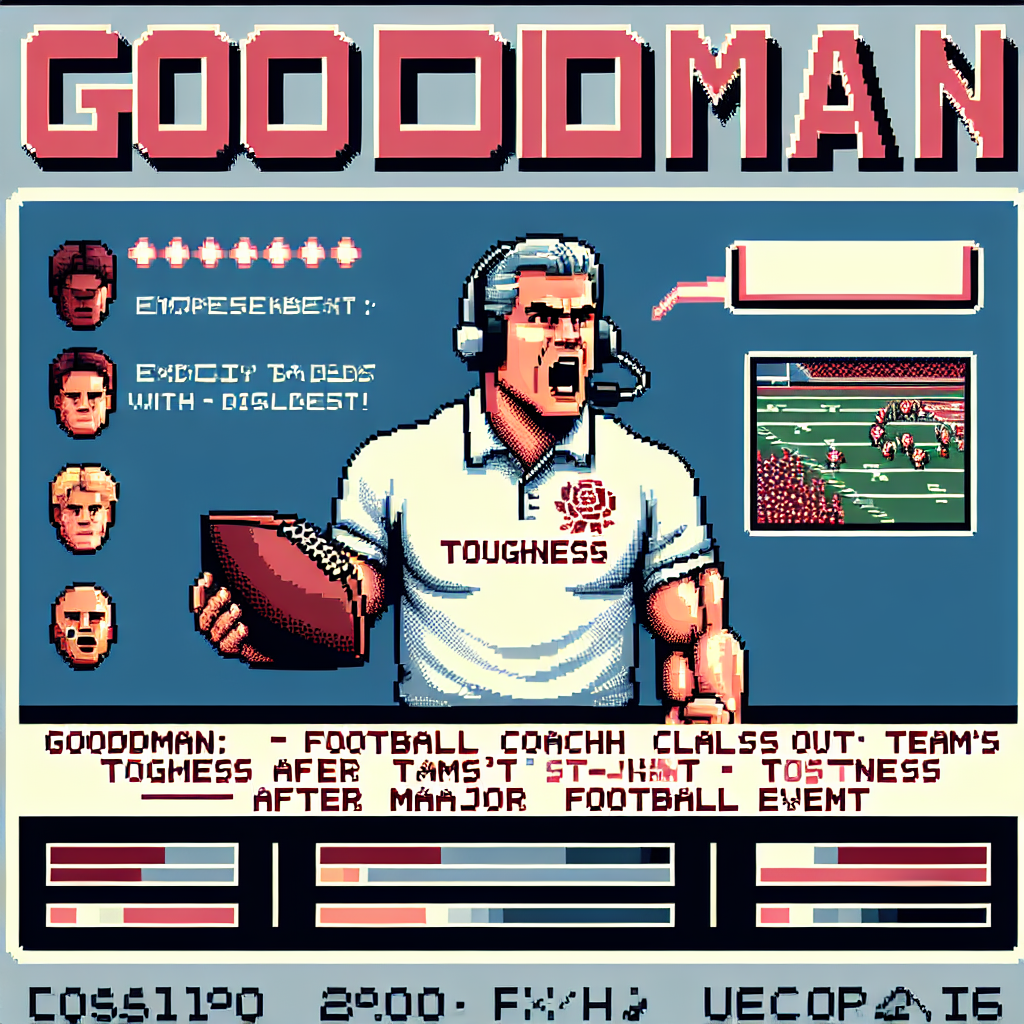
What in the world was Kalen DeBoer thinking on that fourth-down call?
The image is burned in a lot of minds: Alabama lined up to punt from its own 34 on fourth-and-1 in the Rose Bowl, Ty Simpson under center after a timeout, a Wildcat-style shovel pass called — and it fails. Indiana gets a short field, scores, and the game spirals into a 38-3 rout. Curt Cignetti, Indiana’s coach, didn’t just celebrate his team; he took a not-so-subtle jab at Alabama’s identity: this is how you break a program’s will — you run and run until the armor cracks.
Let’s unpack what happened, why the decision landed so badly, and what it might mean for Alabama’s direction under Kalen DeBoer.
The setup: context that matters
- This was the College Football Playoff quarterfinal at the Rose Bowl — the stage is huge and mistakes are amplified.
- Alabama trailed 3-0 at the time. Traditionally, teams would punt in that spot, flip field position, and trust a defense built on physicality to handle the opponent.
- DeBoer’s Alabama this season has been noticeably aggressive on fourth down, gambling often and converting at an impressive clip during the year. That aggressive identity carried into the playoff.
- Curt Cignetti watched the whole sequence and afterward highlighted the old-school, grind-it-out way to beat Alabama: run the ball, wear them down, break their will. He pointed to the running game as the decisive factor in Indiana’s dominance. (archive.vn)
The call itself and why it stung
- Fourth-and-1 at your own 34 is textbook punt territory: even if you convert, you gain a sliver of field position at enormous risk.
- DeBoer dialed a Wildcat shovel pass after lining up in punt formation (with timeouts and a change of formation). The play is creative and has worked for Alabama on other fourth-down gambles this season — but the Rose Bowl felt like a time for prudence. (si.com)
- When the gamble failed, Indiana had a short field and turned it into points. Momentum swung hard, and the game never recovered.
Why the call felt worse than a standard failed gamble:
- It took the ball out of the realm of conservative, historically “Alabama” football (punt/defend/rush).
- It looked, to many observers, like a calculated risk with nothing to gain but pride; the downside was immediate and game-altering.
- DeBoer’s own acknowledgement after the game — “when you fall short, it was the wrong decision” — softened none of the sting. He defended his aggressiveness as belief in his offense and defense, but admitted it backfired. (archive.vn)
Curt Cignetti’s jab and what it signals
- Cignetti praised his team’s physical approach and explicitly contrasted it with what Alabama did: run, wear opponents down, and break wills. His postgame comment — that breaking a team’s will by running the ball is the way to win — landed like a challenge and a coach’s confidence. (archive.vn)
- That comment wasn’t just trash talk. It underscored a theme from the game: Indiana’s toughness on the line and commitment to a grinding identity neutralized Alabama’s creative-but-risky tendencies.
The bigger picture: identity, hiring, and the future
- DeBoer came in as a modern, more “UP-tempo / West Coast / analytics-friendly” type compared to the Nick Saban era. That shift in identity has produced big wins but also moments that test fan patience and program expectations. (washingtonpost.com)
- Goodman’s column framed the fourth-down call as “emblematic” of a larger concern: has Alabama moved away from the kind of physical, field-position-first football that defined its dynasty? And is that change worth it if the program loses some of its traditional edge? (archive.vn)
- One game doesn’t rewrite a coach’s legacy. But playoff losses — especially self-inflicted-looking ones — raise legitimate questions about decision-making in high-leverage moments and whether a new identity is fully rooted.
Why the reaction is so visceral
- Alabama’s brand is expectations. When the Tide isn’t simply better, every unconventional call is scrutinized through the lens of a program used to being “the standard.”
- Fans and columnists aren’t just mad at one play; the shovel pass is shorthand for perceived hubris at a moment that demanded restraint.
- Cignetti’s critique amplified that feeling because it came from the coach who controlled the game plan that exposed Alabama’s flaws. That kind of postgame message cuts deep and sticks in the narrative.
What this means moving forward
- Expect DeBoer (and his staff) to revisit situational decision thresholds. Coaches who gamble must calibrate risk according to stage and opponent.
- The offense will still be creative — that’s part of DeBoer’s appeal — but there will be pressure to demonstrate a tougher, more conservative baseline in short-yardage, field-position-sensitive spots.
- For Indiana, Cignetti’s comments are a statement of identity: physical, relentless, and unapologetically old-school in execution. That identity beat Alabama on a big stage. (crimsonquarry.com)
A quick summary for the short-attention fan
- The fourth-down shovel pass was a high-variance play that backfired in a moment where conservative play was eminently defensible.
- Curt Cignetti used it as a teaching point: wear teams down, and you’ll win the fourth quarter.
- The fallout is less about a single coach’s ego and more about how identity, roster construction, and situational discipline must align at a program with Alabama’s standards.
Final thoughts
Football loves drama; coaches love choices that define them. DeBoer’s aggressiveness delivered wins this season but met its limit in Pasadena. The shovel pass will be replayed, debated, memeified — and then it will do what big coaching moments do: force adjustments. If Alabama wants to reconcile modern creativity with the time-honored “punt-and-pummel” ethos its fans revere, it’ll take more than a press conference apology. It’ll take a roster and a game plan that can absorb and justify those gambles on the sport’s biggest stages.
Notes worth remembering
- One play rarely costs a whole program its soul, but one play can expose where the program still needs tempering.
- Cignetti’s line about “breaking their will” is a useful lens: championships are often won in the trenches, not by flash alone. (archive.vn)
Sources
Related update: We recently published an article that expands on this topic: read the latest post.
Related update: We recently published an article that expands on this topic: read the latest post.
Watch the full 90 minutes: Arsenal’s win over Brighton replayed and why it matters
There’s something quietly addictive about watching a full match replay — the little patterns, the substitutions that change momentum, the missed chances that keep you gritting your teeth. Arsenal’s recent 2-1 victory over Brighton at the Emirates is one of those games worth soaking up in full. If you missed it live or just want to relive the tension from start to finish, the club has published the full 90 minutes — and it’s a great way to understand how Arteta’s team are shaping up this season.
What to look for in the full match replay
- Team shape and control
- Early passages show Arsenal’s intent to dominate possession and pin Brighton back through quick transitions and wide overloads.
- Key moments that decided the match
- Martin Ødegaard’s opener and a second-half own goal that ultimately separated the sides are best appreciated in context — the build-up play, pressing triggers and delivery into the box.
- Defensive resilience and goalkeeper saves
- Arsenal’s defending under pressure late on and the intervention from David Raya highlight how small margins mattered.
- Substitute impact and game management
- Watching substitutions unfold in real time reveals how Arteta managed the game clock and personnel to close out the win.
Why this match matters for Arsenal’s season
- Momentum and league position
- The win pushed Arsenal back to the top of the Premier League table, reinforcing their title credentials and providing a confidence boost at a demanding stage of the campaign. (See match coverage.) (reuters.com)
- Squad depth and resilience
- With injuries and hectic scheduling, full-match replays let you see which squad players can step up and how the core starters are coping when forced to do more of the heavy lifting. (arsenal.com)
- Tactical lessons
- Watching every minute helps fans and analysts spot recurring patterns — pressing triggers, how Arsenal create overloads on the flanks, and how they deal with counter-attacks — which are often lost in highlights packages.
Highlights that don’t feel like highlights when you watch them live
- Ødegaard’s finish
- The strike that opened the scoring is cleaner and more clinical when you see the space he was afforded and the movement that created it.
- The own goal off a corner
- An own goal can feel like a fluke on replay, but the replay shows the pressure from the corner routine and why Brighton’s defender ended up turning it into his own net.
- Brighton’s late reply
- Diego Gómez’s goal and the tense final minutes are best appreciated in sequence — how Arsenal reacted, what chances Brighton worked and how the tempo shifted.
A fan’s checklist for watching the replay
- Watch the opening 15 minutes twice: first for general flow, then to study movement and pressing.
- Note player combinations (e.g., Saka/Ødegaard interplay) in different phases: build-up, final third, and transition.
- Time substitutions and their immediate effects — who changes the rhythm?
- Observe set-piece defending and attacking: corners and free-kicks often decide tight games.
Things the replay quietly confirms
- Arsenal’s attacking ideas are producing chances consistently, but finishing still requires ruthlessness.
- Defensive discipline matters: small lapses invite Brighton’s dangerous counters.
- Game management from the bench is evolving; substitutes are becoming a strategic tool, not just fresh legs.
A few takeaways from watching everything
- Winning tight games is a hallmark of title contenders; Arsenal showed the composure to do that here.
- Individual quality (like Ødegaard) plus collective structure (pressing, set-piece routines) makes the difference.
- Full-match replays remain one of the best learning tools for fans who want more than highlight reels.
Final thoughts
If you want to really understand how Arsenal are building their season, skip the 30-second clips for 90 minutes of context. The full replay doesn’t just show the goals — it reveals the patterns, the stresses and the little moments of craft that add up to a result. Whether you’re studying tactics or just savouring the feels of a home win, press play and enjoy the kind of granular storytelling only a full match replay can provide.
Sources
Related update: We recently published an article that expands on this topic: read the latest post.
Related update: We recently published an article that expands on this topic: read the latest post.
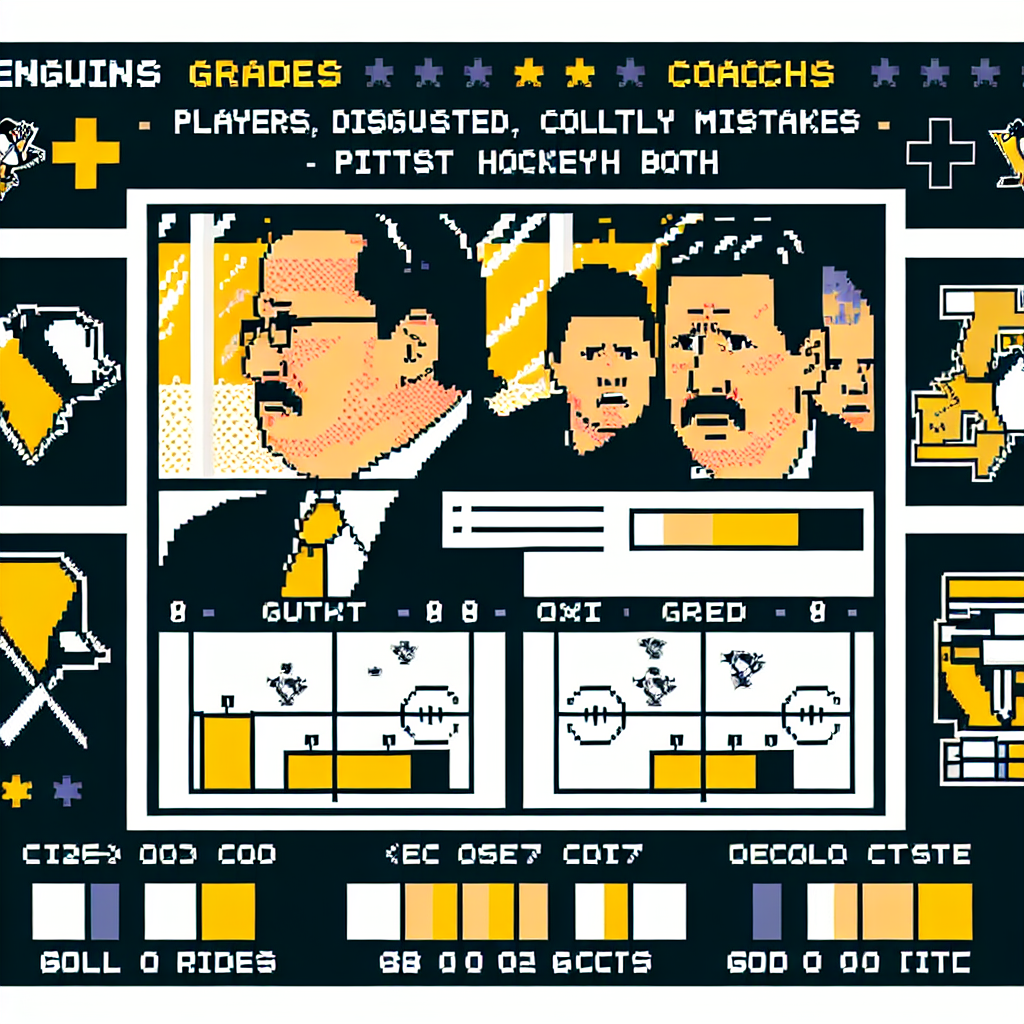
One second, one collapse: How the Penguins handed away a win and another headache
The puck sits in the neutral zone. The clock flashes 0:01. The arena breathes a collective sigh of relief — this one is effectively over. Then chaos. A shorthanded dagger. A scramble in front. A puck that should never have crossed the line, and suddenly the scoreboard reads a tie. For the Pittsburgh Penguins, that slice of time — fractions of a second, really — has become maddeningly familiar.
On December 9, 2025, the Penguins watched a 4-3 lead evaporate with 0.1 seconds left as the Anaheim Ducks forced overtime and eventually won in the shootout. It wasn’t just a bad bounce or an unlucky tip. It was a failure of situational defense, personnel choices, and the recurring theme of “so close, yet not.” Players and coaches left the ice visibly disgusted — and with reason. This wasn’t an isolated heartbreak; it fits into a pattern that’s dogged the team since last season.
What happened in the final second
- The Penguins led late and were on a power play. Conventional thinking: a team with possession and the man advantage should be able to protect a one-goal lead for the final seconds.
- Instead, a shorthanded rush off a Penguins turnover culminated in Beckett Sennecke scoring with 0.1 seconds remaining to force overtime. The goal exposed defensive breakdowns — notably from Kris Letang and Erik Karlsson — who ended up out of position and was involved in the defensive collapse that preceded the finish. (pittsburghhockeynow.com)
- The game proceeded to overtime and then a shootout, where the Ducks needed only one conversion to take the extra point.
Why this stings beyond a single loss
- Frequency. This was the 11th time since last season the Penguins surrendered a late lead or loss in a shootout/OT situation — a pattern, not a fluke. Repetition reveals process problems. (pittsburghhockeynow.com)
- Defensive configuration. Head coach Dan Muse trusted his top offensive defensemen in a late, delicate sequence. Letang and Karlsson are elite puck movers and play critical minutes in all situations — but when the scoreboard and clock demand conservative clearing and body-on-body coverage, their offensive instincts can leave seams exposed. Muse later acknowledged the tradeoff: on paper it’s defensible, in practice it proved costly. (pittsburghhockeynow.com)
- Execution under pressure. The Penguins dominated play — a season-high 48 shots and lopsided expected-goal numbers — yet failed to bury enough of their chances and, crucially, failed to protect a lead in the final laps. High-quality play for long stretches doesn’t absolve mistakes at game-defining moments. (pittsburghhockeynow.com)
The bigger context: trending headaches for Pittsburgh
- This outcome isn’t unique to one game. Media coverage and advanced stats have repeatedly flagged Pittsburgh’s difficulty closing games and their tendency to lose leads — a narrative that stretches back through the 2024–25 season and beyond. The trend appears both tactical and personnel-driven: defensive structure late in games, certain defensive pairings on the ice, and inconsistent finishing by the forward corps. (thehockeynews.com)
- The coaching transition and lineup evolution complicate matters. Dan Muse is new-ish, bringing different habits and line preferences. Early evidence shows him empowering players and leaning on his top defenders — a modern approach — but one that requires precise execution and risk management in the waning seconds. When a coach is still building trust and identity, these late-game decisions carry an outsized effect. (pittsburghhockeynow.com)
Where the Penguins should look for fixes
- Re-think who’s on the ice in the final 15–20 seconds. Possession plus a one-goal lead should prioritize stick-on-stick, body-on-body defending, and clearing lanes over offensive creativity. That probably means at least one more defensive-minded presence alongside whichever puck-handler is tasked with time-killing. (pittsburghhockeynow.com)
- Drill the two-minute/closing sequences until they’re muscle memory. Cleaning up turnovers, location discipline, and small-stick plays near the net are teachable. They’re also repeatable under pressure if rehearsed. Players like Kris Letang and Erik Karlsson can still be used — but with explicit, simplified roles in those moments. (pittsburghhockeynow.com)
- Clarify personnel matchups on special teams and late situations. If a defense pairing has shown “creative risk” tendencies, give them fewer matchups where a blown play immediately costs a game. Trust is earned; situational restraint can be temporary and tactical. (pittsburghhockeynow.com)
- Convert more high-quality chances into goals. The Penguins out-chanced Anaheim 43–19 and created far more dangerous opportunities — but didn’t produce the necessary finishing. That’s a complementary problem: create the pressure and then finish it off so late-game slips are less impactful. (pittsburghhockeynow.com)
A few player grades (snap impressions from the game)
- Arturs Silovs: Solid but unremarkable. Stopped what he needed to, but the team’s end-of-game collapse overshadowed his work. (pittsburghhockeynow.com)
- Tommy Novak: One of his best games in a Penguins uniform — active, driving to the net, good shot totals. (pittsburghhockeynow.com)
- Kris Letang / Erik Karlsson: Both gifted, both culpable in the final sequence. The moment exposed the risk of pairing two offensively minded defenders in the most dangerous seconds of a game. (pittsburghhockeynow.com)
My take
You can build teams a dozen ways, and modern NHL coaching often prizes versatility: offensive defensemen logging key minutes, forwards who can carry both zone starts, and hypothesized lineup continuity. But the scoreboard is the final arbiter. When a club repeatedly coughs up leads in the closing moments, it reveals where philosophical ideals bump into the reality of execution.
Dan Muse has earned latitude — he’s changing culture and getting results in many stretches — but trusting the same high-event defenders in every late-game scenario has shown a tangible downside. This is fixable. It’s not a roster meltdown or existential crisis; it’s attention to detail, coaching clarity, and a few shifts in end-game personnel and habits. The next time the clock hits :15 and the puck is in the Penguins’ hands, the margin between a win and a deflating “what-if” will be determined by choices that can be coached and practiced.
Final thoughts
Losing one like this is infuriating, especially when the team dominated most of the game. The good news: the underlying process — puck control, zone entries, shot volumes — often looked very good. The bad news: bad habits at the end of games have a way of eroding momentum and morale faster than an opponent’s comeback. If Pittsburgh addresses its late-game structure with urgency and practical adjustments, they’ll keep reaping the benefits of their strong play without handing away the final moments.
Sources
Related update: We recently published an article that expands on this topic: read the latest post.
Related update: We recently published an article that expands on this topic: read the latest post.