Main Street Under Siege by Affordability | Analysis by Brian Moineau

The squeeze on Main Street: why mom-and-pop shops are hunkering down

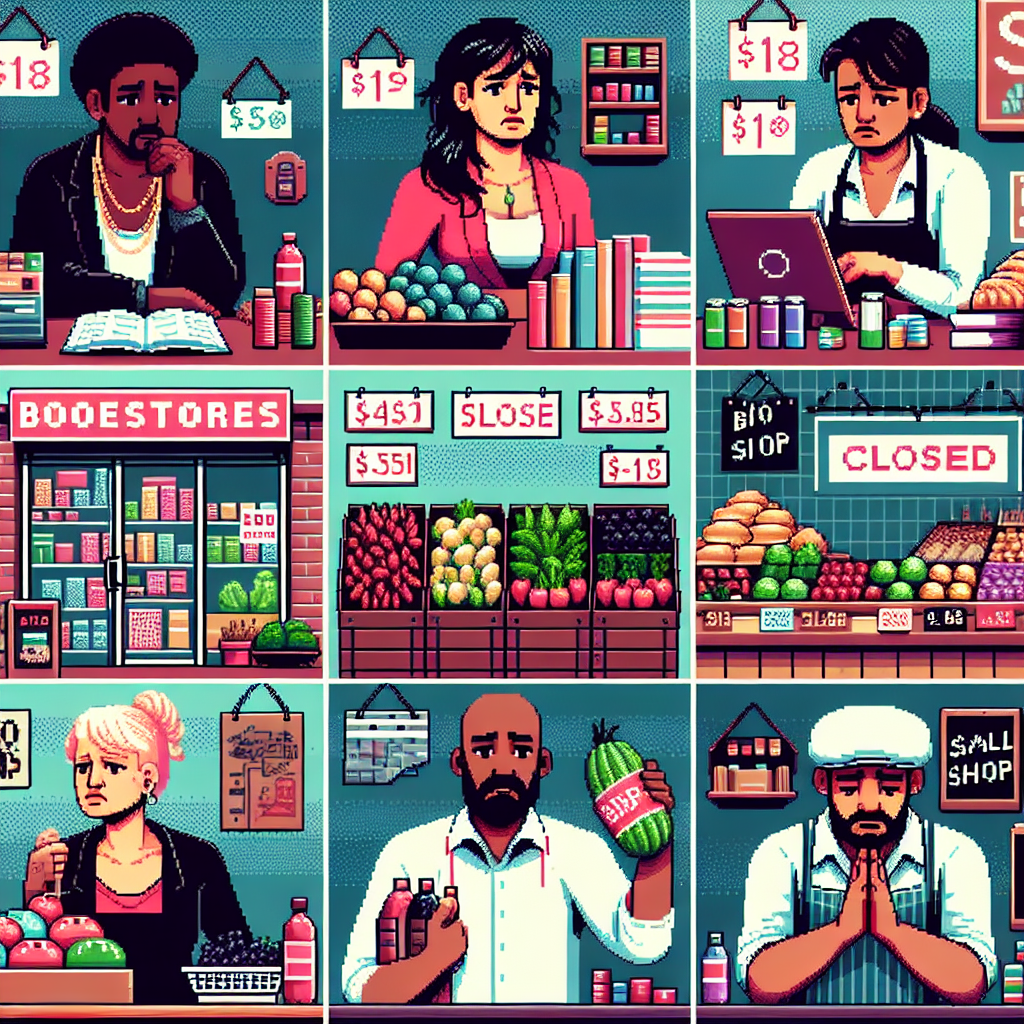
There’s a quiet panic in small-business towns across the country. Shop owners are trimming hours, delaying hires, and staring at spreadsheet scenarios that all end the same way — build cash, avoid risk, survive the next shock. The affordability crisis isn’t just about rising grocery bills; it’s a compound threat hitting mom-and-pop shops from every direction: higher import costs, rising payroll and health‑care bills, scarce affordable credit, and employees who are one rent check away from distraction. This is what happens when the cost-of-living crisis collides with a fragile small-business ecosystem.

Why this feels different right now

  • Import and input costs have jumped for many small manufacturers and retailers, driven by tariffs and higher shipping costs that squeeze margins. Owners who used to pass only a fraction of price increases onto customers are now forced to choose between less profit and fewer sales. (finance.yahoo.com)
  • Lending is available in some forms, but often expensive. Small-term business loans show average rates that are higher than they have been in recent memory, pricing out growth and forcing owners to hoard cash rather than invest. (finance.yahoo.com)
  • Payroll and healthcare remain stickier costs. With wages and benefits rising, labor-intensive small businesses—cafés, shops, local manufacturers—face a double bind: pay more to retain staff or risk turnover and service disruption. (finance.yahoo.com)
  • The workforce itself is stressed. When employees are worried about housing, groceries, or medical bills they bring that anxiety to work; productivity and customer service suffer. Business owners report distracted staff and a loss of morale that is hard to quantify but easy to feel at the register. (finance.yahoo.com)

Signals from the data and policy landscape

  • Banks reported a modest uptick in demand for business loans in late 2024, but lending standards have tightened, and smaller borrowers often see higher effective rates or find themselves steered away from underwriting entirely. That mismatch leaves many Main Street businesses underserved. (reuters.com)
  • The Small Business Administration (SBA) has increased small-dollar backing in recent years, which has helped some entrepreneurs access capital. But access remains uneven, and policy shifts or agency reorganizations can change the terrain quickly for small lenders and borrowers. (apnews.com)

What owners are doing (and why it matters)

  • Hunkering down: owners are building cash reserves, delaying capital expenditures, and cutting discretionary spending. That preserves survival but stalls growth and job creation. (finance.yahoo.com)
  • Shrinking payrolls: some have reduced staff or hours to manage labor costs. That reduces overhead but can also reduce revenue and community vibrancy. (finance.yahoo.com)
  • Seeking alternate revenue: pop-up events, online channels, and partnerships can help, but not every business can pivot easily—especially manufacturers and service providers tied to local demand. (finance.yahoo.com)
  • Shopping for credit carefully: owners are comparing SBA-backed options, community lenders, and commercial banks, but smaller, mission-driven loans are still scarce in some regions. (sba.gov)

A few human stories that put numbers in perspective

Across different reports, small-business owners say the same thing: uncertainty makes planning impossible. A Massachusetts manufacturer that recently laid off staff described an environment where tariffs and shifting trade policy dent demand overnight, forcing quick cuts and a focus on cash preservation rather than investment. Those individual decisions ripple through local economies—less payroll, fewer local purchases, and a community that slowly tightens its belt. (finance.yahoo.com)

What would help Main Street (practical levers)

  • Expand small-dollar lending and streamline access. More predictable, affordable credit for loans under six figures helps owners bridge seasonal gaps and invest in productivity. SBA programs and community lenders can play a role but need scale and stability. (apnews.com)
  • Targeted relief for input-cost shocks. Temporary tax credits, tariff adjustments, or subsidized logistics support could blunt abrupt cost spikes for small manufacturers who lack hedging tools used by larger firms. (finance.yahoo.com)
  • Workforce support that stabilizes employees’ lives. Expanding access to childcare, emergency savings, and affordable health-care options reduces the non‑work distractions that hit productivity and retention. (finance.yahoo.com)
  • Predictable policy environment. Businesses need fewer policy surprises—clearer trade and regulatory signals allow owners to plan hiring and capital expenditures with confidence. (finance.yahoo.com)

A short set of takeaways for readers

  • Main Street is resilient but not invincible: small businesses are conserving cash and deferring growth while facing multiple cost pressures. (finance.yahoo.com)
  • Credit exists but is uneven: SBA efforts have expanded small-dollar lending, yet many owners still pay high effective rates or face tighter underwriting. (apnews.com)
  • The workforce crisis is an affordability crisis: stressed employees reduce productivity, and that compounds business stress. (finance.yahoo.com)

My take

This moment feels like a stress test for the local economy. Policies and markets have nudged mom-and-pop shops into a defensive crouch—and defense is a valid short-term strategy. But if we leave Main Street in that posture too long, we risk losing the entrepreneurial engine that drives jobs and community identity. The right mix of predictable policy, targeted support for credit and inputs, and investments that stabilize workers’ lives could flip a lot of these businesses back from “survive” to “grow.”

Sources


Related update: We recently published an article that expands on this topic: read the latest post.



Related update: We recently published an article that expands on this topic: read the latest post.

Amgen Cuts Cholesterol Drug Prices by 60% | Analysis by Brian Moineau

Amgen's Bold Move: A 60% Cut on Cholesterol Drug Prices and What It Means for the Pharma Industry

In an era where healthcare costs are rising faster than many can keep up with, pharmaceutical giant Amgen ($AMGN) has made headlines by announcing a staggering 60% discount on its cholesterol drug. But this isn't just a price cut; it’s a strategic shift that reflects broader market pressures and consumer demands. What does this mean for patients, investors, and the pharmaceutical landscape?

A New Era for Amgen

On Monday, Amgen unveiled AmgenNow, a direct-to-consumer platform aimed at improving access to its medications. This launch comes on the heels of increasing public discourse around drug pricing, spurred in part by former President Donald Trump's calls for lower medication costs. The drastic price reduction is Amgen's response to these calls, aiming to make its cholesterol drug more accessible while navigating the complex landscape of pharmaceutical pricing.

Historically, the pharmaceutical industry has faced criticism for exorbitant drug prices, and Amgen’s decision to slash prices could be interpreted as both a marketing strategy and a commitment to social responsibility. By placing affordability at the forefront, Amgen aims to regain consumer trust while also potentially influencing the stock market, which has seen fluctuations in response to such announcements.

Key Takeaways

- Price Reduction: Amgen has cut the price of its cholesterol drug by 60%, making it more accessible to patients who may have previously struggled to afford it. - Direct-to-Consumer Approach: The launch of AmgenNow marks a significant shift in how the company engages with consumers, emphasizing a more personal and accessible healthcare experience. - Political Influence: This decision is influenced by ongoing discussions about drug pricing in the U.S., highlighting the impact that political discourse can have on corporate practices. - Market Reaction: Following the announcement, Amgen's stock has experienced fluctuations, showcasing the sensitivity of investors to pricing strategies within the pharmaceutical industry. - Consumer Trust: By making medication more affordable, Amgen aims to rebuild trust with consumers who have been disillusioned by high drug prices.

Reflecting on the Future of Pharma

Amgen's decision to cut prices dramatically is more than just a tactical move; it represents a potential shift in the pharmaceutical industry’s approach to pricing and consumer engagement. As patients increasingly demand transparency and affordability, other companies may be compelled to follow suit. This could lead to a much-needed transformation in how we view healthcare and the role of pharmaceutical companies in society.

In a market where trust is paramount, Amgen's bold move might just set a precedent for how pharmaceuticals can meet the needs of both patients and investors. It’s a reminder that in the world of business, listening to the public can yield significant dividends—not just in profits, but in goodwill.

Sources

- TipRanks. "Amgen Stock (AMGN) Falls as It Cuts 60% Off Cholesterol Drug Price, Heeding Trump’s Clamor." [TipRanks](https://www.tipranks.com/news/amgen-stock-amgn-falls-as-it-cuts-60-off-cholesterol-drug-price-heeding-trumps-clamor)

By understanding this landscape, we can better appreciate the complexities and challenges that lie ahead for the pharmaceutical industry as it navigates the delicate balance between profitability and patient care.

Trumps Pharma Tariffs: What You Should | Analysis by Brian Moineau

Understanding Trump’s Pharma Tariffs: What You Need to Know

When it comes to healthcare, few issues hit home as hard as the cost of prescription medications. Whether you’re managing a chronic illness or simply trying to stay healthy, the price of drugs can feel like an insurmountable obstacle. Recently, President Donald Trump stirred the pot with his announcement of a 100% tariff on foreign brand-name drugs, leaving many to wonder what this means for their wallets and health. Let’s dive into the important questions surrounding this controversial policy.

Context: The Landscape of Pharmaceutical Pricing

The U.S. has long grappled with high prescription drug prices, which have steadily increased over the years. While many factors contribute to this trend, the role of foreign manufacturers has been a contentious point of discussion. Trump’s new tariffs are aimed at making American drugs more competitive, but they also bring an air of uncertainty for millions who rely on these medications daily.

Experts have raised several key questions about the implications of this policy. Here are some of the central concerns:

Key Questions Surrounding Trump’s Pharma Tariffs

1. What will the actual impact be on drug prices? Despite the announcement, there is little clarity on whether these tariffs will lead to increased prices for consumers or how soon that impact might be felt.

2. How will this affect access to essential medications? For individuals depending on life-saving medications, any increase in price could jeopardize access, raising concerns about healthcare equity.

3. What are the long-term implications for the pharmaceutical industry? Experts worry that while tariffs might initially benefit U.S. manufacturers, they could also lead to retaliatory measures from other countries, disrupting global supply chains.

4. Will this policy actually encourage innovation? There is skepticism about whether tariffs will drive pharmaceutical companies to innovate more or simply pass costs onto consumers.

5. How will this affect patients with specific health needs? Those relying on medications for conditions like asthma, cancer, or obesity might face particularly acute challenges if prices rise.

Key Takeaways

Tariffs on foreign brand-name drugs may lead to price increases for consumers, but the timeline and extent remain unclear.Access to essential medications could be threatened, particularly for vulnerable populations.The long-term effects on the pharmaceutical industry and innovation remain uncertain.Specific patient groups may face heightened challenges in affording their necessary medications.

Concluding Reflection

As we navigate this complex landscape, it’s crucial to stay informed and advocate for transparency in drug pricing. The implications of Trump’s pharma tariffs are still unfolding, and for millions of Americans, the stakes couldn’t be higher. Whether you’re a patient, a healthcare provider, or simply a concerned citizen, understanding these changes will be key to advocating for fairer and more accessible healthcare options.

Sources

– “5 questions experts have about Trump’s pharma tariffs” – NBC News [Link](https://www.nbcnews.com/health/health-care/5-questions-experts-have-about-trump-s-pharma-tariffs-n123456) – “Understanding the Impact of Drug Tariffs” – Health Affairs [Link](https://www.healthaffairs.org/do/10.1377/hblog20231105.123456/full/) – “The Economics of Prescription Drug Pricing” – The New England Journal of Medicine [Link](https://www.nejm.org/doi/full/10.1056/NEJMp1701234)

By staying informed and engaged, we can work together to ensure that healthcare remains accessible to all. What are your thoughts on the impact of these tariffs? Let’s discuss in the comments below!


Related update: We recently published an article that expands on this topic: read the latest post.


Related update: We recently published an article that expands on this topic: read the latest post.


Related update: We recently published an article that expands on this topic: read the latest post.

Novo Nordisk (NVO) Stock Gains as Wegovy Drug Gets FDA Nod for Liver Disease – TipRanks | Analysis by Brian Moineau

Novo Nordisk (NVO) Stock Gains as Wegovy Drug Gets FDA Nod for Liver Disease – TipRanks | Analysis by Brian Moineau

Novo Nordisk’s New Triumph: Wegovy’s FDA Nod and What It Means for the Future

In the realm of pharmaceuticals, a green light from the U.S. Food and Drug Administration (FDA) is akin to winning an Oscar in the movie industry. It’s a nod that signals not just approval but also potential for immense success and impact. On Friday, Novo Nordisk ($NVO), the Danish pharmaceutical titan, celebrated such a win as shares surged following the FDA’s accelerated approval of Wegovy for liver disease. This development is not just a feather in Novo Nordisk’s cap but also a beacon of hope for patients grappling with liver conditions.

A Closer Look at Wegovy

Wegovy, originally approved for chronic weight management, is a semaglutide injection that has already been making waves in the weight-loss community. With this recent FDA nod, its scope extends to liver diseases, a move that could significantly alter treatment landscapes. Liver disease has been a rising concern globally, with nonalcoholic fatty liver disease (NAFLD) affecting a staggering 25% of the global population. The entry of Wegovy into this arena could provide a much-needed alternative to existing therapies.

The Bigger Picture: A Healthier Tomorrow?

Novo Nordisk’s endeavor with Wegovy also reflects a broader trend in the pharmaceutical industry: the push towards multifunctional drugs. These are medications that can address multiple conditions, offering a more comprehensive approach to patient care. As healthcare costs skyrocket, such innovations are crucial in providing cost-effective and efficient treatment options.

Interestingly, the FDA approval comes at a time when the world is grappling with the long-term health impacts of the pandemic. The focus on liver health is especially pertinent, given the increase in liver-related issues due to lifestyle changes during lockdowns. A study published in *The Lancet* highlighted how sedentary lifestyles during the pandemic have exacerbated conditions like NAFLD, making Wegovy’s new role even more critical.

Comparative Insights: The Global Pharma Race

Novo Nordisk’s achievement is a reminder of the competitive nature of the pharmaceutical industry. Companies like Pfizer and Eli Lilly are also in the race to develop innovative treatments for chronic diseases. Pfizer’s recent strides in gene therapy and Eli Lilly’s advancements in diabetes treatment demonstrate the intense focus on comprehensive healthcare solutions. This competition not only fosters innovation but also ensures that patients have access to cutting-edge therapies.

Final Thoughts: A Promising Future

In a world where health challenges are ever-evolving, the approval of Wegovy for liver disease is a step in the right direction. It symbolizes progress, not just for Novo Nordisk, but for the global fight against liver diseases. As we look ahead, the hope is that such innovations will pave the way for more holistic health solutions, ultimately leading to healthier communities worldwide.

As we raise a toast to Novo Nordisk’s achievement, it’s crucial to remember that every medical advancement brings us closer to a future where chronic diseases are not a life sentence but a manageable part of life. Here’s to more such milestones and a healthier tomorrow!

Read more about AI in Business

Read more about Latest Sports Trends

Read more about Technology Innovations


Related update: We recently published an article that expands on this topic: read the latest post.


Related update: We recently published an article that expands on this topic: read the latest post.