Tariffs Hit Home: Why U.S. Midsize Firms Are Suddenly Paying the Price
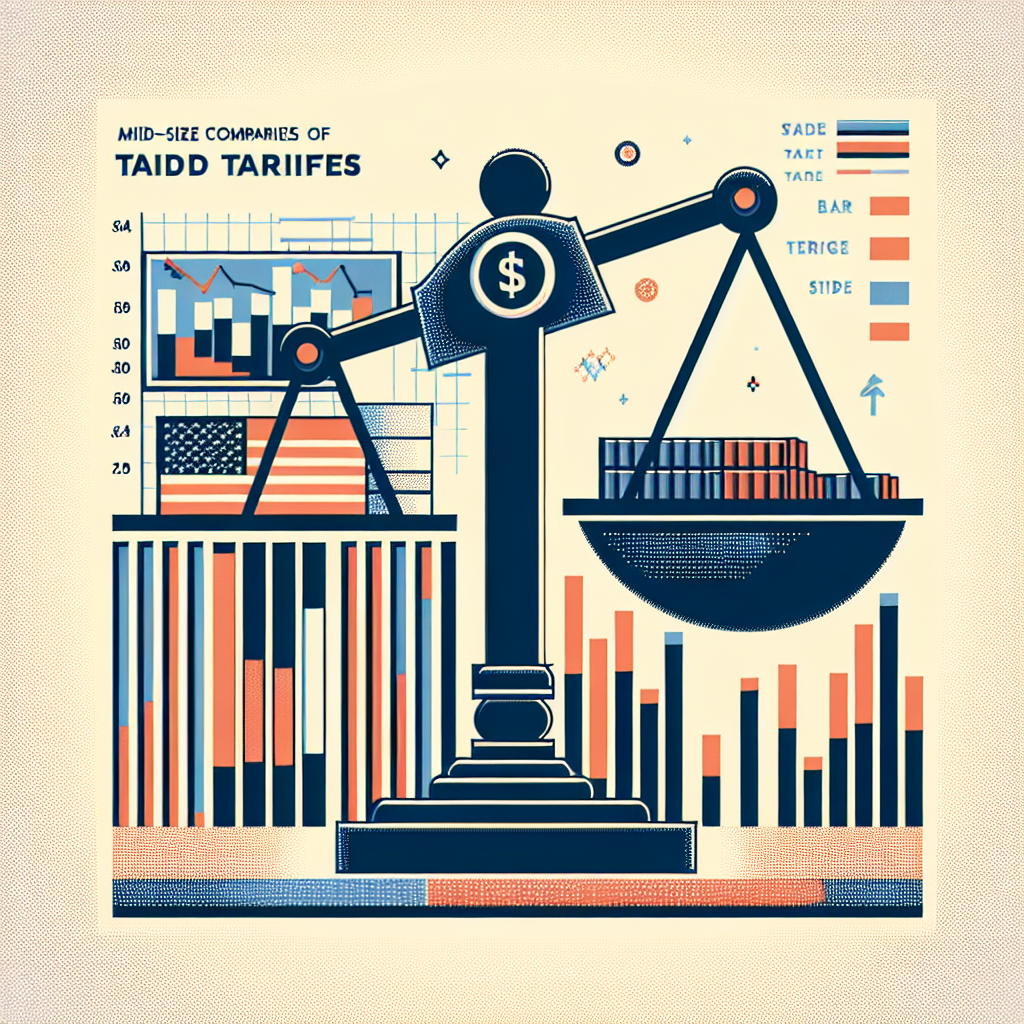
A year ago tariffs were a political slogan. Now they're a line item on balance sheets. New analysis from the JPMorganChase Institute finds that monthly tariff payments by midsized U.S. companies have roughly tripled since early 2025 — and the cost isn’t vanishing overseas. Instead, it’s landing squarely on American businesses, their workers, and ultimately consumers. (jpmorganchase.com)
Why this matters right now
- Midsize companies — those with roughly $10 million to $1 billion in revenue and under 500 employees — employ tens of millions of Americans and sit at the center of supply chains. A material cost shock for them ripples through local economies.
- The analysis comes amid a larger policy shift that raised average tariff rates dramatically in 2024–2025 and set off debates about who bears the burden: foreign suppliers, U.S. firms, or American consumers. The evidence is increasingly squarely on the U.S. side. (jpmorganchase.com)
Key points for readers pressed for time
- Tariff payments by midsize firms tripled on a monthly basis since early 2025. (jpmorganchase.com)
- The additional burden has been absorbed in ways that harm domestic outcomes: higher consumer prices, compressed corporate margins, or cuts in hiring. (the-journal.com)
- Some firms are shifting away from direct purchases from China, but it’s unclear whether that reflects true supply-chain reshoring or simple routing through third countries. (jpmorganchase.com)
The economic picture — beyond the headline
The JPMorganChase Institute used payments data to track how middle-market firms actually move money across borders. Their finding — a tripling of tariff outflows — is not just an accounting quirk. It reflects higher effective import taxes that many of these firms cannot easily avoid.
What that looks like on the ground:
- Retailers and wholesalers, with thin margins, face an especially acute squeeze; some will add markup, passing costs to shoppers. (apnews.com)
- Other firms will have to choose between accepting lower profits, cutting spending (including on hiring), or finding new suppliers. JPMorganChase’s data show some reduction in direct payments to China, but not enough to indicate a complete reorientation of sourcing. (jpmorganchase.com)
Why the distributional story matters: the policymakers who champion tariffs often frame them as taxes paid by foreign exporters. But multiple studies and payment-data analyses now point the opposite way — tariffs operate as a domestic cost that falls on U.S. businesses and consumers, with the burden concentrated on firms without the scale to absorb or dodge the charge. (apnews.com)
A few concrete numbers to anchor the debate
- The JPMorganChase Institute previously estimated that tariffs under certain policy scenarios could cost midsize firms roughly $82 billion; the tripling in monthly outflows is a complementary sign of how quickly those costs can materialize. (axios.com)
- Middle-market firms account for a large share of private-sector employment, so a change equal to a few percent of payroll can meaningfully affect hiring plans. (axios.com)
What firms are likely to do next
- Pass-through: Where competition allows, retailers and distributors will raise prices. Expect higher consumer prices in affected categories.
- Substitution: Some firms will seek suppliers in lower-tariff jurisdictions or route goods through third countries — a costly and imperfect fix that may increase lead times and complexity.
- Absorb: Many midsize firms lack pricing power and will instead accept smaller margins, delay investments, or cut labor costs.
- Hedge or pre-buy: Larger firms already stockpiled inventory during previous tariff surges; midsize firms can’t always do the same, which leaves them more exposed to sudden rate changes. (jpmorganchase.com)
Broader implications
- Inflation and politics: Tariffs operate like a tax that can nudge consumer prices upward. Even modest price effects matter politically when households feel pocketbook pain.
- Supply-chain strategy: The pattern of reduced direct payments to China suggests firms are adapting — but adaptation is slow and costly. Strategic decoupling from a major supplier nation isn’t instantaneous; it takes new contracts, quality checks, and often higher unit costs.
- Policy design: If the goal is to strengthen U.S. manufacturing, tariffs can help some producers while hurting downstream businesses and consumers. That trade-off underlines why empirical analysis of who actually pays the tariff is crucial to policy debates. (jpmorganchase.com)
My take
Tariffs are a blunt instrument. The new JPMorganChase Institute evidence makes a clear pragmatic point: when you raise the price of imports sharply and quickly, the economic pain shows up inside the country — not neatly absorbed by foreign suppliers. For policymakers who want to protect or grow U.S. industry, that doesn’t mean tariffs are useless, but it does mean they’re incomplete. If the aim is durable domestic job creation and competitiveness, tariffs should be paired with targeted industrial policy: investment in skills, R&D, logistics, and incentives that help midsize firms scale rather than simply shifting costs onto consumers or employees.
Sources
Related update: We recently published an article that expands on this topic: read the latest post.

When the jobless rate climbs, a political narrative starts to wobble
There’s a particular hum in Washington when a jobs report walks in slightly off-script: markets twitch, talking heads adjust their tone, and political teams scramble for new soundbites. The headline from mid-December was blunt — the unemployment rate rose, even as the economy added a modest number of jobs — and that small shift has outsized implications for an administration that has made “economic comeback” central to its pitch to voters.
Below I unpack why a rising jobless rate matters politically, what’s driving the softening labor market, and why this is more than just a numbers game.
What happened — the quick version
- In the latest Labor Department snapshots, the unemployment rate ticked up to the mid-4 percent range (reports around the December jobs release put it at roughly 4.6% for November), while payroll gains were modest. (wsj.com)
- Revisions and one-off cuts — notably large reductions in federal payrolls earlier in the year — have removed a cushion that previously helped headline job growth. (washingtonpost.com)
- Other indicators — weaker hiring in manufacturing and finance, slower wage growth, and falling private job openings — point to a labor market that’s cooling rather than collapsing. (businessinsider.com)
Why this stings Trump’s economic messaging
- The core of the Trump message has been: my policies deliver jobs and rising incomes. Voters notice the jobless rate more than they notice GDP nuance. A rising unemployment rate is a visceral, easy-to-grasp signal that “the economy isn’t working for people.” (politico.com)
- Politics is about attribution. When unemployment climbs, the incumbent is the default target; opponents and the press will link labor weakness directly to administration choices — tariffs, federal workforce cuts, and policy uncertainty — even if causes are mixed. (americanprogress.org)
- Messaging mismatch: The White House can point to private-sector gains and labor-force entrants as explanations, but those arguments are weaker if people feel longer job searches, slower pay growth, or layoffs in local industries. Numbers that look small in D.C. spreadsheets translate to real pain on Main Street. (whitehouse.gov)
What’s behind the shift in the labor market
- Policy headwinds: Tariff uncertainty and trade policy shifts have raised costs for some manufacturers and importers, prompting hiring freezes or cuts in certain sectors. (businessinsider.com)
- Federal payroll reductions: Large federal workforce cuts earlier in the year removed a steady source of employment and ripple effects into the private firms that depend on government contracts. (washingtonpost.com)
- Monetary legacy and demand cooling: The Federal Reserve’s earlier cycle of high interest rates and their lagged effects are still tamping down investment and hiring in interest-sensitive sectors. That, plus slower wage growth, reduces hiring incentives. (ft.com)
- Structural changes: Automation, AI adoption, and shifting sectoral demand mean some occupations face lasting disruption, complicating the short-term picture. (businessinsider.com)
Voter dynamics and the election arithmetic
- Timing matters. If the labor market continues to weaken heading into an election year, skepticism about economic stewardship becomes a tangible drag. Voters who once prioritized pocketbook improvements are quicker to notice higher joblessness and slower hiring. (politico.com)
- The administration can still shape the narrative (point to private-sector job creation, rising participation, or short-term payroll gains), but repetition works only so long if local experiences tell a different story. Campaigns that rely on economic credibility are particularly vulnerable to a steady, measurable rise in unemployment. (whitehouse.gov)
What to watch next
- Monthly Labor Department jobs reports and revisions: small headline changes can have big political effects once they stack into a trend. (wsj.com)
- Federal employment and contract dynamics: more cuts or restorations will directly affect regions and industries that provide campaign reach. (washingtonpost.com)
- Wage trends and jobless-duration metrics: growing spell lengths or falling real wages are the signals that sway everyday voters more than the unemployment number alone. (wsj.com)
- Fed policy shifts: if the Fed moves aggressively on rates, it will change the trajectory of hiring and investment, with clear political consequences. (ft.com)
Quick takeaways
- A rising unemployment rate punches above its weight politically — it’s shorthand for “economy not delivering.” (wsj.com)
- Policy choices (tariffs, federal cuts) and lingering monetary effects are combining with structural labor shifts to cool hiring. (americanprogress.org)
- The administration can frame the data in ways that defend its record, but sustained labor-market deterioration would make persuasive messaging much harder. (politico.com)
My take
Numbers move markets, but narratives move voters. A single uptick in unemployment doesn’t end a presidency. But in politics, perception is cumulative: a steady string of softer labor reports can erode the economic credibility that incumbents depend on. For an administration that’s built a central narrative around jobs and prosperity, the safe play is twofold — stabilize the labor market with clear, targeted policy and lay out an honest, localized story that connects policy moves to tangible results for working people. Spin only stretches so far when someone in your town has been looking for work longer than they used to.
Sources
(Note: URLs above are non-paywalled where available; some outlets may require free registration.)
Related update: We recently published an article that expands on this topic: read the latest post.
Related update: We recently published an article that expands on this topic: read the latest post.

A surprising flip: college grads are 25% of the unemployed — what that really means
You’ve probably heard the headline: Americans with four‑year degrees now make up a record 25% of the unemployed. It sounds like a sudden education crisis — but the story is subtler, and more revealing about how the U.S. labor market is changing.
This post unpacks why that 25% number matters, what’s driving it, and what it means for workers, employers, and anyone trying to read the economy’s next moves.
Why the headline feels wrong (and why it’s not)
- A rising share of unemployed workers holding bachelor’s degrees does not automatically mean college is devalued.
- Two broad forces are at work at the same time:
- The share of U.S. workers with bachelor’s degrees has been steadily increasing for decades — more degree‑holders in the labor force means degree‑holders also make up a larger slice of any labor statistic, even unemployment.
- White‑collar hiring has cooled sharply during recent hiring cycles, and layoffs in certain industries (notably tech and other professional sectors) have put more degree‑holders into unemployment than in prior years.
In short: more college‑educated people are in the workforce than before, and many of the jobs that typically employ them have slowed hiring or cut back.
The bigger context you should know
- Educational attainment has risen across generations. The Pew Research Center notes that the share of workers with at least a bachelor’s degree climbed substantially over the last two decades. As degrees become more common, statistics that show the distribution of unemployment naturally shift. (pewresearch.org)
- At the same time, macro shifts have curtailed hiring in white‑collar roles. Firms in technology, finance, and professional services trimmed headcount in recent years, and many employers have become more cautious about new hires — a trend highlighted across reporting on 2024–2025 labor developments. This increases the visibility of unemployed degree‑holders in headline snapshots. (reuters.com)
- The Bureau of Labor Statistics still shows that, on average, higher education correlates with lower unemployment rates and higher earnings — the “education pays” pattern remains intact when you look at unemployment rates by attainment, not just shares of the unemployed. That nuance matters: degree‑holders still tend to have lower unemployment rates than less‑educated peers. (bls.gov)
What the 25% figure actually signals
- It signals a slowdown in the kinds of hiring that have absorbed college grads in prior cycles — recruiting freezes, slower openings in corporate roles, and sectoral layoffs. Those trends push degree‑holders into unemployment faster than replacements arrive.
- It also signals composition change: as more people obtain four‑year degrees, they become a larger slice of both the employed and unemployed populations. A record share of unemployed degree‑holders can therefore reflect both real job losses in certain sectors and a long‑term shift in worker education levels.
- It is not, by itself, proof that a bachelor’s degree no longer opens doors. The BLS data continue to show lower unemployment rates and higher median earnings for those with bachelor’s and advanced degrees compared with less‑educated workers. (bls.gov)
Who’s most affected
- Workers in mid‑career white‑collar roles tied to corporate spending, advertising, or enterprise tech have felt the most abrupt swings. Tech layoffs beginning in 2022–2023 and periodic waves of cuts among professional services have a disproportionate effect on degree‑holding unemployment.
- New graduates may face softer entry markets when employers pull back on hiring, while mid‑career professionals can be hit by structural shifts (outsourcing, AI tools changing role scopes, demand slowdowns).
- Geographical and industry differences remain large: local markets and certain occupations still have strong demand for degree‑level skills.
What workers and employers can do now
- For workers:
- Build adaptable skills that translate across roles (data literacy, project management, communication).
- Consider expanding the toolkit beyond a single specialization — short courses, certificates, and targeted reskilling can help in tighter markets.
- Network intentionally and consider lateral roles that keep you employed while you pivot.
- For employers:
- Reassess talent pipelines: if hiring is slow, invest in retention, internal mobility, and upskilling rather than broad layoffs that can hollow out future capacity.
- Be explicit about which skills are truly mission‑critical; avoid relying on degree as a blunt proxy for ability.
A few caveats for reading labor headlines
- Watch denominators: percent shares are sensitive to who’s in the labor force. More degree‑holders overall naturally raises their share of unemployment unless hiring rises proportionally.
- Check both unemployment rates (chance of being unemployed within a group) and shares of the unemployed (composition across groups). They tell different stories.
- Sector and age breakdowns matter. National aggregate headlines can mask very different trends across industries and regions.
Key takeaways
- The 25% headline is real, but it’s a composite effect: more degree‑holders in the workforce plus weaker white‑collar hiring.
- Education still correlates with lower unemployment rates and higher earnings — the value of a degree hasn’t been overturned by this statistic alone. (bls.gov)
- The labor market is shifting: employers and workers both need to focus more on adaptable, demonstrable skills than on credentials alone.
- Read both rates and shares, and look beneath national headlines to industries, age groups, and local markets for the clearest signal.
My take
This is a useful corrective to a simple narrative that “college equals job security forever.” The modern labor market rewards adaptability as much as credentials. For policy and corporate leaders, the right response isn’t to declare degrees obsolete, but to invest in continuous training, clearer signals of skill, and pathways that let degree‑holders reskill into growing roles. For individuals, the smartest hedge is to pair credentials with a mindset and portfolio of skills that travel across jobs and sectors.
Sources
Related update: We recently published an article that expands on this topic: read the latest post.
S&P slips, ADP signals softer jobs market — live market mood
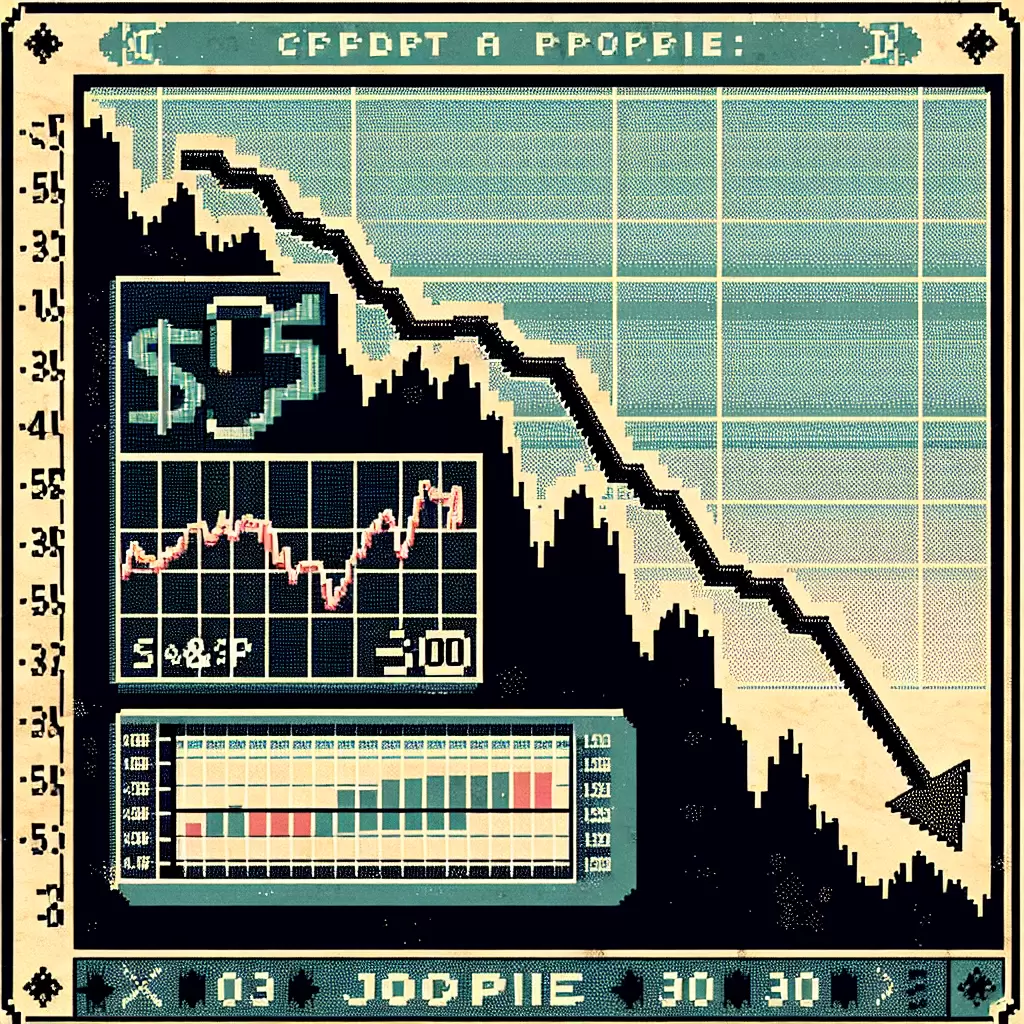
The mood on Wall Street this week felt like a weather shift: one moment clear, the next a heavy cloud of caution rolling in. The S&P 500 nudged lower as investors processed the latest ADP private-payrolls read — a number that, while not catastrophic, reinforced the view that the labor market is cooling. That subtle shift is enough to make traders rethink risk, tech valuations and how fast the Fed might move next.
What happened (quick snapshot)
- ADP’s October private-payrolls report showed a modest gain of about 42,000 jobs on November 5, 2025, a bounce after a couple of weak months but still a far cry from the pace seen earlier in the year.
- The S&P 500 slipped on the news while the Nasdaq and Dow showed mixed action as investors weighed weaker labor momentum against pockets of resilience.
- Markets are especially sensitive right now because official BLS data has been disrupted; traders are leaning on ADP and other indicators for clues about employment and inflation.
Why this matters right now
- The labor market is the primary lever for the Fed: brisk hiring and rising wages give the Fed room to keep rates high; cooling labor reduces near-term inflation pressure and increases the odds of rate cuts or a slower path higher.
- ADP is not the BLS. It’s a private-sample indicator that often points the way but can diverge from the official jobs number. With some government data delayed in recent weeks, ADP’s read carries outsized influence.
- Even modest “slack” in hiring can hurt high-valuation sectors (think tech) and tilt flows toward defensive parts of the market.
Market context and background
- Through 2025 the U.S. labor market has been on a gradual softening trend: monthly hiring has slowed from the heady gains of prior years, and several reports have shown layoffs rising in certain sectors (notably tech and professional services).
- ADP’s October report (released November 5, 2025) showed a limited rebound with gains concentrated in education, healthcare and trade/transportation — while professional services, information and leisure/hospitality continued to lose jobs.
- Investors are also watching broader signals: corporate earnings, layoffs data from firms, and other real‑time indicators that can confirm whether hiring weakness is broad-based.
Market movers (how the indexes reacted)
- S&P 500: slipped as traders priced in slower growth and a slightly stronger chance of policy easing later rather than sooner.
- Nasdaq: sensitive to growth and earnings momentum, it underperformed at times as soft hiring raises questions about tech demand and valuations.
- Dow: tended to be steadier, benefiting from more defensive and cyclical names that are less dependent on expansionary sentiment.
A few takeaways for investors and traders
- ADP matters now because other official data streams are constrained. Treat it as a directional signal, not gospel.
- A modest slowdown in private payrolls is not the same as a recession signal — but it does change the probabilities on Fed timing and equity valuations.
- Sector rotation is alive: less tolerance for richly priced growth names, more interest in value, dividends and beaten-down cyclical names if data deteriorates further.
My take
This is classic “data-driven caution.” The October ADP print is neither a dramatic shock nor a reassurance that everything’s fine. It sits in the middle: enough to make markets re-price risk modestly and to keep central-bank watchers glued to the next data points. In that environment, patience matters. Traders will jump on any fresh signal — another payroll read, CPI or corporate guidance — so expect continued intraday swings and heightened sensitivity to headlines.
Final thoughts
Markets are living through a transition: from a hot labor market that justified higher valuations to a more uncertain one where the Fed’s next move is less obvious. That middle ground often brings volatility and opportunity. For long-term investors, the best move is rarely to panic but to reassess portfolio tilt and ensure allocations reflect both risk tolerance and the new economic backdrop.
Sources
Related update: We recently published an article that expands on this topic: read the latest post.
Related update: We recently published an article that expands on this topic: read the latest post.