GMs HQ Marries Detroit Past and Future | Analysis by Brian Moineau

A new kind of HQ: GM stitches Detroit history into a modern workplace

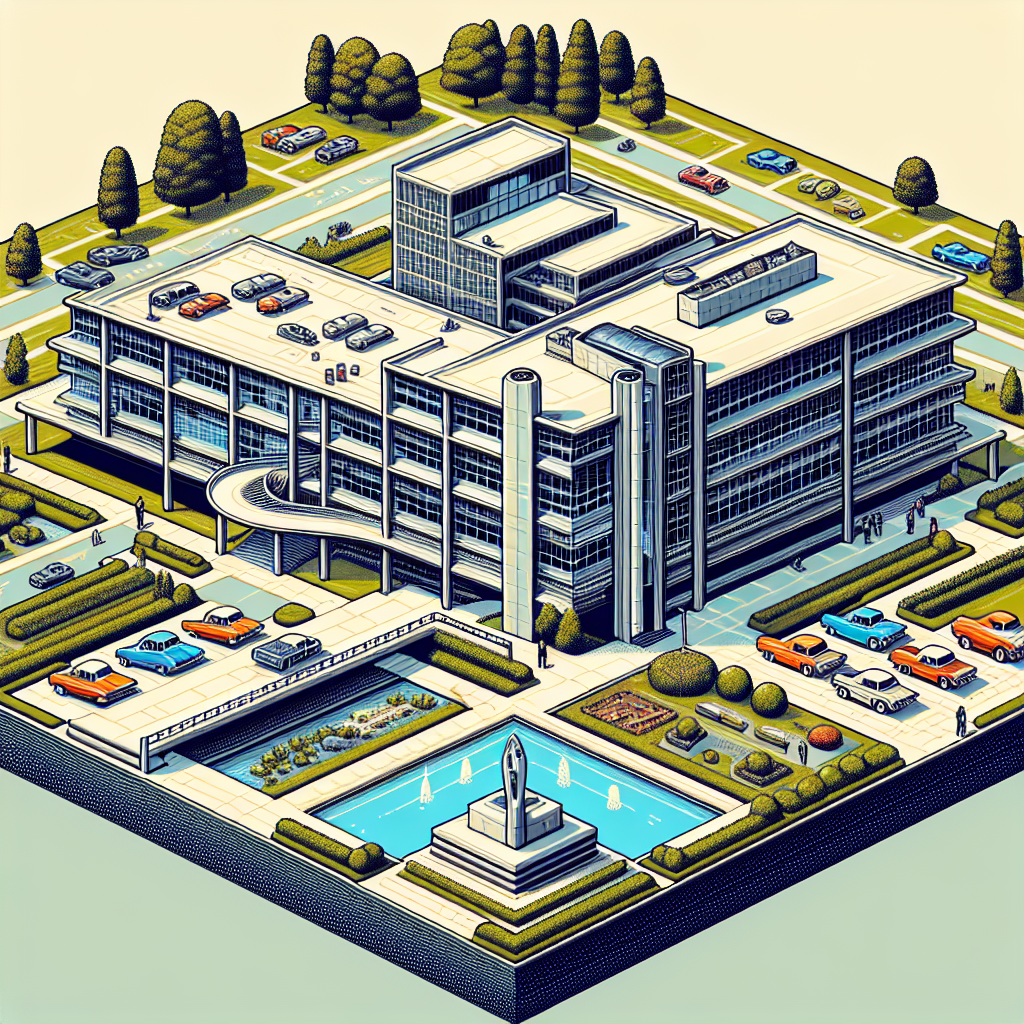
Step inside GM’s new world headquarters in downtown Detroit and you don’t just see offices — you walk through a curated narrative. Vintage artifacts sit beside prototypes, midcentury design cues mingle with cutting‑edge workplace features, and little “Easter eggs” wink at the company’s long, complicated story. It’s an HQ meant to be both museum and living room: a place that honors the past while trying to shape how a global automaker works in the future.

Why this matters now

  • GM’s move from the sprawling Renaissance Center to a smaller footprint in Hudson’s Detroit signals a shift in corporate culture and real estate strategy.
  • The design choices — art, artifacts, and built-in references to GM history — are intended to do more than decorate: they’re meant to anchor identity, inspire designers and engineers, and attract employees back to a post‑pandemic office rhythm.
  • For Detroit, the project is another chapter in the city’s rebirth narrative: global auto icon reconnects physically and symbolically to the Motor City.

What the space says (without saying it)

GM occupies roughly four floors in the Hudson’s Detroit building, and the interior is deliberately layered with meaning:

  • Design lineage: The lobby and executive areas borrow stylistic elements from Eero Saarinen’s GM Global Technical Center — warm wood, golden metallic finishes, clean lines with soft curves — signaling continuity with a storied design tradition.
  • Visible history: From a 1963 Chevrolet truck temporarily displayed to a new Silverado EV, to blueprints of the design dome and a McCormick speed‑form wind‑tunnel model, the artifacts map GM’s evolution from internal combustion icon to electric future.
  • Playful touches: A wall of cassette tape cases — some referencing songs that mention GM vehicles and others cheekily customized for executives — and “Easter eggs” tied to Detroit streets or corporate personalities keep the tone human and local.
  • Salvaged midcentury art: The return and installation of a once‑lost Harry Bertoia sculpture adds cultural heft; it’s a tangible link to Detroit’s midcentury modernist moment and GM’s history of commissioning public art. (archive.ph)

Design meets workplace strategy

This HQ isn’t just about looks. It embodies how modern corporations think about office space:

  • Smaller footprint, higher intention: Moving from the RenCen’s multi‑million square feet to about 200,000 square feet across four floors reflects a pivot away from the “city within a city” headquarters model toward integration with urban life.
  • Hybrid reality: GM’s in‑office policy (employees scheduled Tuesday–Thursday, but with flexibility) and the layout’s emphasis on collaboration spaces aim to make coming in meaningful rather than mandatory.
  • Symbolic headquarters: Executives largely use shared or unassigned offices, with only a handful permanently reserved — a design choice and cultural signal intended to flatten hierarchies and encourage mobility. (archive.ph)

The storytelling details that stick

Small design decisions often speak the loudest:

  • Patent wallpaper: Graphics highlighting roughly 300 patents (from a portfolio of tens of thousands) remind visitors that GM’s identity is technical as well as cultural.
  • Sound‑wave sculptures: Engine and EV tones turned into three‑dimensional art translate engineering into visceral, even poetic, forms.
  • Local roots: References to Detroit streets, framed maps of testing grounds and pieces of design history visually tether the company to its place of origin.
  • Public conversation: By showcasing artifacts and artworks, the HQ becomes a civic touchpoint — a physical message that GM still belongs in and to Detroit. (archive.ph)

What this suggests about GM’s future

  • Identity as strategy: By interweaving heritage and innovation, GM is using corporate identity as a strategic tool — to recruit, to retain, and to build public goodwill.
  • Design-led messaging: The HQ reinforces that design (material, visual, acoustic) is central to how GM wants to be perceived: modern, creative, and respectful of legacy.
  • Urban engagement: Choosing a prominent downtown site and installing public‑facing art signals a willingness to be part of Detroit’s cultural and economic ecosystem again. (archive.ph)

Highlights to remember

  • GM moved from the Renaissance Center to a smaller, more intentional HQ at Hudson’s Detroit, focused on collaboration and flexibility. (archive.ph)
  • The space blends midcentury modern influences with contemporary design, and includes artifacts and “Easter eggs” that celebrate GM’s history and culture. (archive.ph)
  • A rediscovered Harry Bertoia sculpture was restored and installed, tying the new HQ to Detroit’s artistic and design heritage. (news.gm.com)

My take

GM’s HQ feels like a careful balancing act: a company deeply aware of its past using that past to make the present more resonant. There’s a risk of nostalgia performing as a substitute for substantive change, but the blend of artifacts, intentional workplace design, and public art suggests GM is trying to do something subtler — use physical space to influence culture. If the offices help cross‑pollinate teams, spur design conversations, and strengthen ties with Detroit, the building will have earned more than its aesthetic wins.

Sources


Related update: We recently published an article that expands on this topic: read the latest post.

Related update: We recently published an article that expands on this topic: read the latest post.

macOS Tahoe has changed the way I clear mental clutter – 9to5Mac | Analysis by Brian Moineau

macOS Tahoe has changed the way I clear mental clutter - 9to5Mac | Analysis by Brian Moineau

Finding Calm Amid the Chaos: How macOS Tahoe is Revolutionizing Mental Clarity

In a world where digital chaos reigns supreme, our devices often feel more like clutter magnets than tools of productivity. Enter macOS Tahoe, Apple’s latest brainchild, which promises to bring a much-needed breath of fresh air to our digital lives. Dubbed "Calm in the brainstorm," this new iteration of macOS is all about helping us clear mental clutter and find tranquility amidst the storm of notifications, apps, and endless tabs.

Embracing the Zen of macOS Tahoe


The phrase "Calm in the brainstorm" strikes a chord with anyone who’s ever felt overwhelmed by the sheer volume of information we’re bombarded with daily. With its sleek interface and intuitive features, macOS Tahoe offers a sanctuary for the mind, providing users with tools to streamline their digital experiences.

One of the standout features is the Focus Mode, which takes a page from mindfulness practices. Much like meditation helps in clearing mental fog, Focus Mode allows users to tailor their notifications and app access based on what they need to concentrate on at any given moment. It’s reminiscent of the Pomodoro Technique, a time-management method developed by Francesco Cirillo, which encourages short bursts of focused work followed by breaks. By allowing users to customize their digital environment, macOS Tahoe is essentially offering a digital meditation session.

A Broader Context: The Pursuit of Simplicity


The quest for simplicity in technology isn’t unique to Apple. Across the tech industry, there’s a growing recognition of the cognitive load that digital tools can impose. For instance, Google’s Digital Wellbeing initiative and Microsoft’s focus on productivity tools that minimize distractions echo similar sentiments. It's as if the tech giants are collectively saying, "We've given you the world at your fingertips, now let's help you make sense of it."

This movement towards digital minimalism parallels trends in other areas of life as well. Take the rise of Marie Kondo and her KonMari method, which advocates for decluttering physical spaces to achieve mental peace. Or consider the growing popularity of mindfulness apps like Headspace and Calm, designed to help users find moments of tranquility in their hectic schedules. It seems that, across the board, we’re all seeking ways to cut through the noise and focus on what truly matters.

A World in Transition


As we navigate a post-pandemic world, with hybrid work models becoming the norm, the importance of managing mental clutter is more pronounced than ever. The line between personal and professional spaces has blurred, and the ability to switch off and focus is crucial. macOS Tahoe, with its emphasis on calm and clarity, is a timely response to these shifting dynamics.

Moreover, the push for mental clarity extends beyond our screens. Globally, there's a growing emphasis on mental health, with initiatives and conversations happening in workplaces, schools, and communities. The acknowledgment of mental well-being as a critical aspect of overall health is a trend that’s here to stay, and technology like macOS Tahoe plays a supporting role in this narrative.

Final Thoughts


In a fast-paced digital age, macOS Tahoe offers a refreshing departure from the chaos, allowing users to find peace in their digital interactions. It’s a testament to the idea that technology, when used thoughtfully, can enhance rather than detract from our mental well-being. As we continue to embrace these tools, let’s also remember to take a step back, breathe, and find our own calm in the brainstorm.

For more insights and features, check out the full preview of macOS Tahoe on [Apple’s official site](https://www.apple.com/macos/tahoe-preview).

As we integrate these new tools into our lives, the ultimate goal is not just to manage the chaos but to rise above it, finding clarity and purpose in a world that never stops moving.

Read more about AI in Business

Read more about Latest Sports Trends

Read more about Technology Innovations

Google Tasks is now its own website – 9to5Google | Analysis by Brian Moineau

Google Tasks is now its own website - 9to5Google | Analysis by Brian Moineau

**Google Tasks Gets Its Own Website: A Small Leap for Mankind**

In the bustling world of productivity apps, Google has taken a step forward by launching a standalone website for Google Tasks. While it may not seem like a giant leap for mankind, it certainly is a small but noteworthy stride in the realm of digital organization. This change allows users to access their task lists in a more focused and expanded manner, without having to navigate through the previously required Google Calendar fullscreen interface. You can now experience the magic of Google Tasks at [tasks.google.com](https://tasks.google.com).

**The Evolution of Task Management**

Task management tools have become an integral part of our daily routines, especially in this fast-paced, ever-connected world. Remember the good old days of sticky notes and handwritten to-do lists? While some of us might still cling to the tactile satisfaction of crossing out a task with a pen, the digital age has brought about a revolution in how we organize our lives.

Apps like Todoist, Trello, and Microsoft To Do have built empires on the need for better task management. Google, with its vast suite of productivity tools, has always had a presence in this arena, but Google Tasks often felt like the underdog. With this new standalone site, it seems Google is ready to give Tasks the spotlight it deserves.

**A Step Towards Digital Simplicity**

In an age where we're inundated with information and digital noise, simplicity is the new luxury. Google Tasks' minimalist design and straightforward functionality echo this sentiment. By giving Tasks its own dedicated web space, Google provides users with a distraction-free environment to organize their thoughts and plans.

Interestingly, this move also aligns with the broader trend of companies focusing on streamlined user experiences. Take the recent redesign of Apple's iOS, for example, which emphasizes simplicity and ease of use. It's a reminder that sometimes, less really is more.

**The Timing Couldn't Be Better**

The launch of the Google Tasks website comes at a time when many are re-evaluating how they manage their work-life balance. With hybrid work models becoming the norm, tools that help individuals organize their tasks effectively are more crucial than ever. The pandemic has taught us the importance of adaptability and the need for tools that cater to our evolving lifestyles.

Moreover, as the world increasingly prioritizes mental health, having a clear, organized task list can significantly reduce stress levels. A dedicated platform for managing tasks can help users avoid the overwhelm that often comes with juggling multiple responsibilities.

**Final Thoughts**

While the announcement of a standalone Google Tasks website might not make headline news, it's a meaningful development in the tech world. It reflects a broader trend towards user-centric design and the growing importance of effective task management in our digital lives.

As we continue to navigate the complexities of modern existence, having tools that simplify and support our daily routines is invaluable. So, whether you’re a die-hard Google user or just someone looking for a new way to keep your to-do list in check, the standalone Google Tasks site might just be worth a visit.

In the end, it's the small enhancements like these that often make the biggest difference in our day-to-day lives. Here's to hoping that Google continues to innovate and refine its tools for the benefit of all its users.

Read more about AI in Business

Read more about Latest Sports Trends

Read more about Technology Innovations