Liz’s Lomo Saltado | Made by Meaghan Moineau

Liz’s Lomo Saltado

Intro

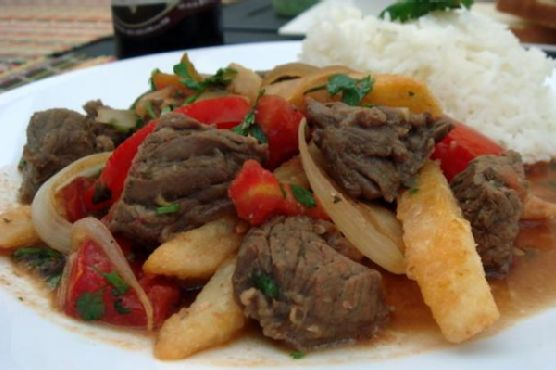
Welcome to my kitchen! Today, I’m sharing a recipe that’s close to my heart – Liz’s Lomo Saltado. This dish takes me back to my childhood, where Sundays were reserved for family gatherings around a table brimming with laughter, love, and delicious food. My grandmother, Liz, would prepare this Peruvian classic with such passion and precision, ensuring every bite was a burst of flavor. Her secret? A perfect balance of spices and fresh ingredients. I hope this recipe brings you a taste of Peru and a touch of nostalgia, just as it does for me.

Why You’ll Love It

Lomo Saltado is a dish that beautifully combines the flavors of Peru with Asian influences. You’ll love it because:

  • Simple and Quick: This recipe comes together in just about 30 minutes, making it a perfect weeknight meal.
  • Flavorful Fusion: The blend of soy sauce, cumin, and red wine vinegar creates an irresistible savory and tangy profile.
  • Versatile: It’s perfect for meat lovers but can be adapted for vegetarians too.
  • Colorful Presentation: The vibrant mix of peppers and tomatoes makes this dish as visually appealing as it is delicious.

Ingredients

  • 1 lb beef tenderloin, cut into chunks
  • 1 tsp cumin
  • 1 tsp complete seasoning
  • 1 green bell pepper, sliced
  • 1 red bell pepper, sliced
  • 1 yellow onion, sliced
  • 2 garlic cloves, minced
  • 1 jalapeno pepper, minced
  • 2 tbsp red wine vinegar
  • 3 tbsp soy sauce
  • 2 plum tomatoes, cut into chunks
  • 1 bag of frozen french fries
  • Fresh cilantro, chopped for garnish

Instructions

  1. Prepare the frozen french fries according to package directions. Set aside when complete and keep warm.
  2. Heat a large wok or skillet over medium-high heat.
  3. Sauté the onions and bell peppers until translucent, about 10 minutes.
  4. Add the garlic and jalapeno and cook for an additional minute. Mix everything until combined.
  5. Add the beef chunks, cumin, complete seasoning, soy sauce, and red wine vinegar. Mix well and cook until beef is no longer pink, about 5 to 7 minutes.
  6. Add the tomato chunks, cover, and cook for an additional 5 minutes.
  7. When ready to serve, add the french fries and toss everything gently together.
  8. Serve lomo saltado over a bed of white rice and garnish with freshly chopped cilantro leaves. Enjoy with aji sauce on the side.

Tips

  • For the best results, use fresh and high-quality beef tenderloin. The tenderness of the meat is key to a great Lomo Saltado.
  • Don’t overcook the vegetables. They should remain slightly crisp to add texture to the dish.
  • Feel free to adjust the amount of jalapeno based on your spice preference. You can remove the seeds to lessen the heat.

Variations & Substitutions

If you’re looking to make this recipe your own, consider these variations and substitutions:

  • Vegetarian Option: Replace beef with mushrooms or tofu. You can still use the same marinade and cooking process.
  • Different Meats: Try using chicken or pork if you prefer a different protein.
  • Alternative Peppers: Use poblano or Anaheim peppers instead of bell peppers for a different flavor profile.

Storage

Leftovers can be stored in an airtight container in the refrigerator for up to 3 days. To reheat, warm in a skillet over medium heat until heated through. It’s best to keep the fries separate until serving to maintain their texture.

FAQ

Can I make Lomo Saltado in advance?

Yes, you can prepare the meat and vegetable mixture in advance and store it in the refrigerator for up to 24 hours. Reheat before serving and add the fries fresh for the best taste and texture.

What can I serve with Lomo Saltado?

Lomo Saltado is traditionally served with white rice, but you can also serve it with quinoa or a side salad for a lighter option. Aji sauce is a popular accompaniment that adds a nice spicy kick.

Nutrition

This dish is a good source of protein and vitamins from the fresh vegetables. However, if you’re watching your sodium intake, consider using a low-sodium soy sauce.

Conclusion

Liz’s Lomo Saltado is more than just a meal; it’s a celebration of flavors and cultures coming together in a single dish. Whether you’re making it for a family gathering or a cozy dinner at home, this recipe promises to deliver both warmth and satisfaction. I hope you enjoy making and eating it as much as I do. Don’t forget to share your experience and let us know how it turned out!

Related update: Liz’s Lomo Saltado

Related update: chilli chicken
Traditional Garlic and Herb Crusted Prime Rib Roast | Made by Meaghan Moineau

Traditional Garlic and Herb Crusted Prime Rib Roast

Intro

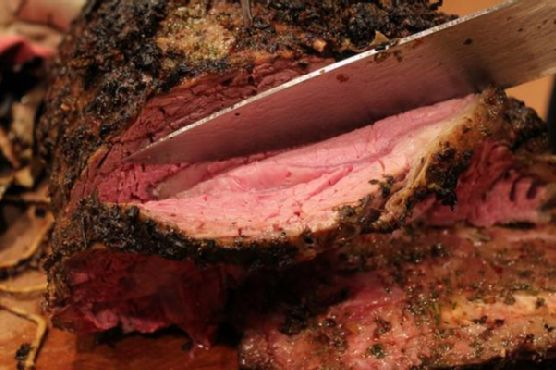
There’s something incredibly comforting about a perfectly cooked prime rib roast. It brings to mind family gatherings and festive celebrations, where the aroma of roasted garlic and herbs fills the air. For me, this dish is synonymous with my grandmother’s holiday dinners. I remember the warmth of her kitchen, where she would spend hours preparing the meal, her hands expertly working with the ingredients, and her love infused in every bite. Today, I want to share this cherished recipe with you, so you can create your own delicious memories.

Why You’ll Love It

This Traditional Garlic and Herb Crusted Prime Rib Roast is a showstopper at any dinner table. Here are a few reasons why you’ll adore this recipe:

  • Flavorful Crust: The combination of fresh herbs and garlic creates a savory crust that locks in the meat’s juices, making every bite tender and flavorful.
  • Simple Preparation: Despite its impressive appearance, this recipe requires minimal preparation, allowing you to spend more time with your guests.
  • Perfect for Special Occasions: Whether it’s a holiday feast or a special family dinner, this prime rib roast is sure to impress and satisfy.

Ingredients

  • 2 tablespoons fresh parsley leaves, chopped
  • 2 tablespoons fresh rosemary leaves, chopped
  • 2 tablespoons fresh tarragon leaves, chopped
  • 2 tablespoons fresh thyme leaves, chopped
  • 6 cloves garlic, minced
  • 1 tablespoon kosher salt
  • 1 tablespoon black pepper
  • 1/4 cup olive oil
  • 1 boneless prime rib roast (about 5-6 pounds)
  • 3-4 bay leaves

Instructions

  1. Three hours before you want to begin cooking, take the roast out of the fridge and place it on a cutting board at room temperature. This helps the meat cook more evenly.
  2. Preheat the oven to 325 degrees F (165 degrees C).
  3. Prepare the roast by removing excess fat from the bottom and trimming the layer of fat from the top side, leaving a thin layer for flavor.
  4. In a bowl, combine the minced garlic, chopped parsley, rosemary, tarragon, thyme, kosher salt, and black pepper. Add the olive oil and mix until a paste forms.
  5. Evenly apply the garlic herb rub on all sides of the roast, pressing it gently to adhere.
  6. Tie the roast with kitchen string at 1-inch intervals. Insert a bay leaf underneath each string across the top of the roast.
  7. Place the roast on a rack in a roasting pan, fat side up. Roast in the preheated oven until the internal temperature reaches 120 degrees F (49 degrees C) for medium-rare, about 2 1/2 hours. If you prefer medium, take the roast out when the thermometer reads 130 degrees F (54 degrees C).
  8. Remove the roast from the oven and let it rest for 10 minutes before carving. This allows the juices to redistribute for a more tender and flavorful result.

Tips

  • Room Temperature: Allowing the meat to come to room temperature before roasting helps it cook more evenly.
  • Use a Meat Thermometer: To achieve your desired doneness, always rely on a meat thermometer rather than cooking times alone.
  • Resting Time: Letting the roast rest is crucial as it allows the internal juices to settle, resulting in a juicier roast.

Variations & Substitutions

This recipe is versatile, and there are several ways to make it your own:

  • Herb Variations: Feel free to experiment with other herbs such as oregano or sage if you prefer different flavors.
  • Garlic Lovers: Increase the amount of garlic if you love a stronger garlic flavor.
  • Spicy Kick: Add a pinch of cayenne pepper to the rub for a bit of heat.

Storage

Leftover prime rib roast can be stored in an airtight container in the refrigerator for up to 3 days. To reheat, slice the meat and warm in a 250-degree F oven until just heated through, being careful not to overcook.

FAQ

Can I prepare the garlic herb crust ahead of time?

Absolutely! You can prepare the garlic herb crust up to a day in advance. Store it in an airtight container in the refrigerator until you’re ready to apply it to the roast.

What should I serve with the prime rib roast?

This roast pairs beautifully with classic sides such as mashed potatoes, roasted vegetables, or a fresh green salad. Don’t forget the au jus or horseradish sauce for an extra touch of flavor!

Nutrition

While I don’t have exact nutritional information for this recipe, rest assured that this prime rib roast is a high-protein, flavorful indulgence. As with any rich dish, enjoy it in moderation and balance it with plenty of vegetables and whole grains for a well-rounded meal.

Conclusion

Crafting this Traditional Garlic and Herb Crusted Prime Rib Roast is not just about creating a delicious meal; it’s about making memories and bringing loved ones together. Whether you’re a seasoned cook or a beginner, this recipe is a wonderful way to celebrate life’s special moments. I hope it becomes as cherished in your home as it is in mine. Happy cooking and enjoy every savory bite!

Related update: Traditional Garlic and Herb Crusted Prime Rib Roast

Tommy Tofu, PETA to Protest at Nathan’s Hot Dog Eat Contest in Joey Chestnut’s Return – Bleacher Report | Analysis by Brian Moineau

Tommy Tofu, PETA to Protest at Nathan's Hot Dog Eat Contest in Joey Chestnut's Return - Bleacher Report | Analysis by Brian Moineau

Hot Dogs, Protests, and the Unstoppable Joey Chestnut: A July Fourth Showdown

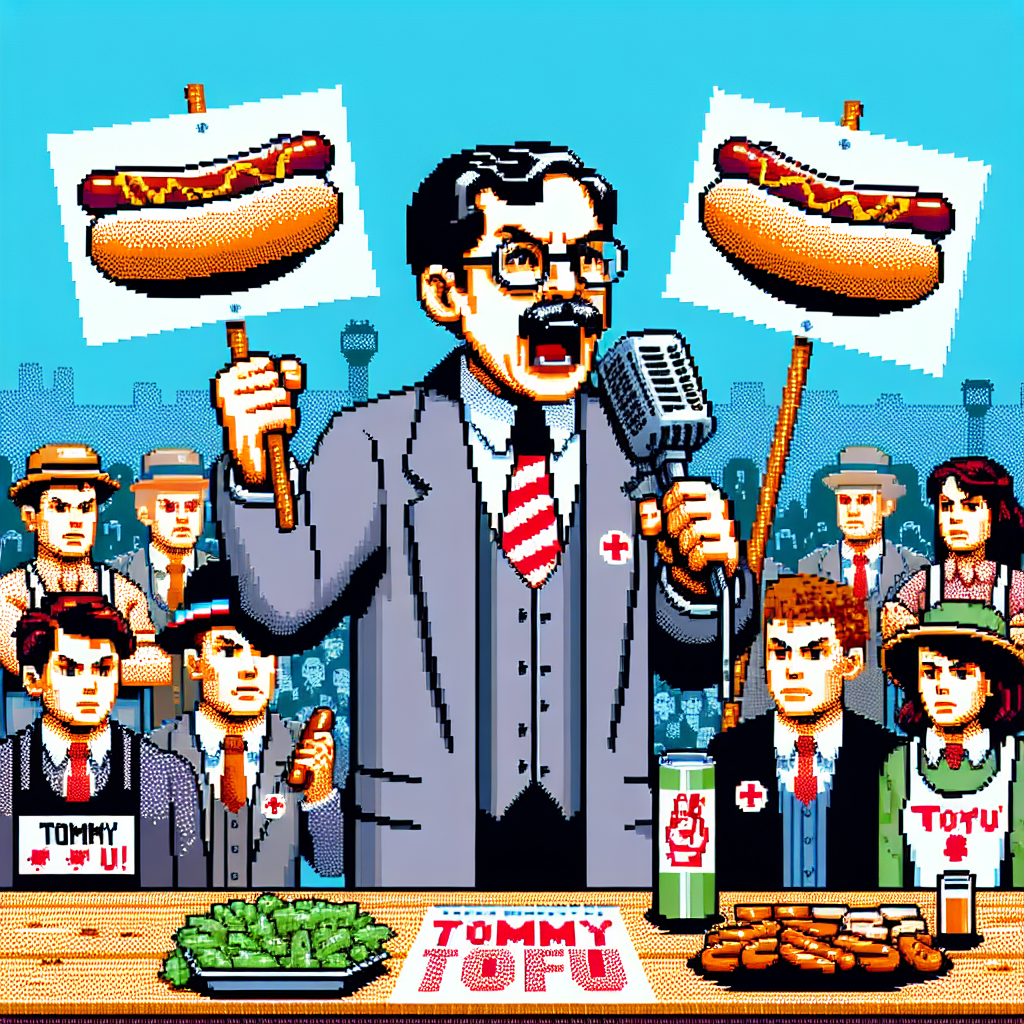
As fireworks illuminate the sky and the smell of barbecue wafts through the air, the Fourth of July offers a quintessential celebration of American culture. But nestled among the apple pie and patriotic parades is another tradition that captures the nation's attention: the Nathan's Famous Hot Dog Eating Contest. This year, the event promises to be even more intriguing as it marks the return of competitive eating legend Joey Chestnut, while simultaneously serving as a stage for a protest organized by PETA and their character, Tommy Tofu.

The King of Competitive Eating Returns

Joey Chestnut, the undisputed titan of the hot dog realm, is set to make his much-anticipated return to the competition. With 15 titles under his belt, Chestnut has become synonymous with the contest, setting world records and pushing the limits of human consumption. His last appearance saw him devour 76 hot dogs in ten minutes, a feat that left spectators in awe and competitors in the dust. But Chestnut is more than just a competitive eater; he's a symbol of perseverance, discipline, and the quirky yet beloved tradition that is competitive eating.

PETA's Culinary Crusade

While Chestnut prepares to reclaim his throne, PETA is gearing up for a different kind of spectacle. Armed with their mascot, Tommy Tofu, they aim to shine a light on the ethical implications of meat consumption. This protest is part of PETA's broader mission to advocate for animal rights and promote a plant-based lifestyle. The juxtaposition of Chestnut's hot dog heroics with PETA's passionate plea for compassion highlights a cultural crossroads that extends beyond the boardwalks of Coney Island.

A Broader Cultural Dialogue

This clash of hot dogs and ethics is not occurring in a vacuum. Across the globe, discussions about sustainability, animal welfare, and health are gaining momentum. From the rise of plant-based meat alternatives to the increasing popularity of initiatives like "Meatless Mondays," people are re-evaluating their dietary choices. The protest at Nathan's contest is a microcosm of these larger shifts, reflecting a society that's grappling with the implications of its culinary traditions.

Connecting the Dots

In a world where climate change and resource conservation are at the forefront of global conversations, the implications of meat consumption are more critical than ever. The United Nations has repeatedly highlighted the environmental impact of livestock farming, noting its significant contribution to greenhouse gas emissions. Similarly, documentaries like "Cowspiracy" and "The Game Changers" are influencing public perception, encouraging audiences to think critically about their food choices.

Final Thoughts

As the Nathan's Hot Dog Eating Contest unfolds this year, it's more than just a battle between competitors; it's a dialogue between tradition and transformation. Joey Chestnut's return is a testament to the enduring allure of competitive eating, while PETA's protest underscores the evolving conversations around what we consume. Both sides of the bun, so to speak, offer food for thought—pun intended. Whether you're cheering for Chestnut or championing change with PETA, this year's contest promises to be a memorable one.

In the end, perhaps the real victory lies not in the number of hot dogs eaten or the fervor of the protest but in the ability to celebrate our differences and engage in meaningful conversations about our shared future. So grab your favorite snack, whatever it may be, and enjoy the show!

Read more about AI in Business

Read more about Latest Sports Trends

Read more about Technology Innovations