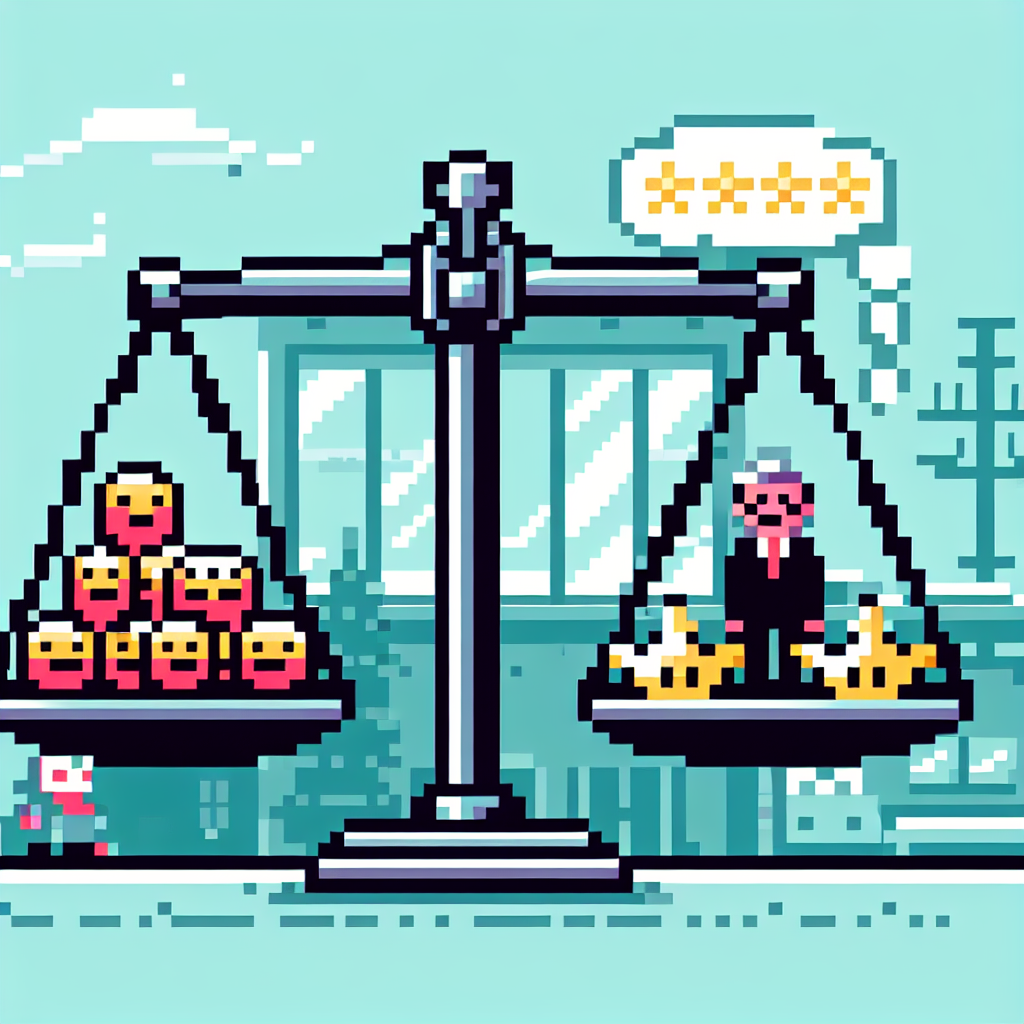
When the studio pushes back: Swen Vincke, hurtful reviews, and the idea of scoring critics
Fresh from the fallout over generative AI in Larian’s next Divinity game, Larian CEO Swen Vincke resurfaced on social media this week with a blunt, emotional take: some game reviews aren’t just critical — they’re hurtful and personal. He even floated a provocative remedy: “Sometimes I think it'd be a good idea for critics to be scored, Metacritic-style.” That one line reopened old wounds about reviews, platforms, and what accountability — if any — should look like in games journalism.
Why this matters right now
- Larian’s recent public debate about generative AI in Divinity set the stage: fans and creators have been arguing passionately about how studios use new tools and what that means for artists and the finished game. (gamespot.com).
- Vincke’s reaction is personal and timely: he’s defending developers who feel targeted by vitriolic commentary, while also reacting to the stress and visibility studio leads now face online. (gamesradar.com).
- Proposals to rate reviewers would upend a familiar dynamic — critics already influence buying, discourse, and developer reputations. A rating-for-reviewers system would change incentives, for better or worse. (pushsquare.com).
The short version: what Vincke said
- He called some reviews “hurtful” and “personal,” arguing that creators shouldn’t have to “grow callus on [their] soul” to publish work. He suggested critics themselves might benefit from being evaluated more visibly — a Metacritic-like scoring for critics. The comment was later deleted, but it captured a wider feeling among some developers. (pushsquare.com).
The context you need
- The AI controversy: Vincke and Larian had already been defending limited uses of generative AI (idea exploration, reference imagery) after a Bloomberg interview and fan backlash. That flare-up made the studio more sensitive to public criticism while internal decisions were under scrutiny. (gamespot.com).
- History of aggregated scores: Metacritic and similar aggregators have long been criticized for turning nuanced reviews into single numbers that can tank a game’s perceived success, influence bonuses, and shape public debate. Applying a similar system to critics would flip the script — but not without risk. (pushsquare.com).
Three ways to see the idea
-
As empathy-building:
- Scoring critics could encourage tone-awareness and accountability. If repeated harshness leads to a lower “trust” score, some reviewers might temper gratuitous cruelty and focus more on fair, evidence-backed critique.
-
As censorship-by-metric:
- Ratings create incentives. Critics might soften legitimate stances to avoid community backlash or platform penalties, eroding critical independence. A popularity contest rarely rewards tough, necessary criticism.
-
As a platform problem, not an individual one:
- The core issue often isn’t the critic’s opinion but how platforms amplify mob responses, harassment, and out-of-context quotes. Addressing amplification, harassment, and context — rather than scoring individuals — might be more effective and less corrosive.
The practical pitfalls
- Gaming the system: Scores can be manipulated with brigading, fake accounts, and review-bombing — precisely the same problems that hurt games on Metacritic and storefronts. (washingtonpost.com).
- Blurry boundaries between critique and attack: Not every harsh review is a personal attack; not every negative reaction is harassment. Implementing a system that distinguishes tone, intent, and substance is technically and ethically fraught.
- Power and incentives: Who would run the scoring system? Platforms? Independent bodies? Whoever controls scores shapes discourse — and that introduces new conflicts of interest.
What would healthier discourse look like?
- Better context on reviews: Publications and platforms could require clearer disclosures (scope of review, version played, reviewer experience) and encourage measured language when critique becomes personal.
- Platform-level harassment controls: Faster removal of doxxing, targeted abuse, and brigading that moves beyond critique into threats or harassment. (washingtonpost.com).
- Community literacy: Readers learning to separate a reviewer’s taste from objective issues (bugs, performance, business practices) reduces the emotional pressure on creators and critics alike.
- Editorial standards and internal accountability: Outlets can enforce codes of conduct and remedial measures when a reviewer crosses ethical lines — without needing a public scorecard that invites retaliation.
Developer fragility vs. public accountability
It’s important to hold both positions as true: developers are human and vulnerable to targeted cruelty; critics and publications serve readers and must be honest and rigorous. The messy part is reconciling emotional harm with the need for frank, sometimes tough criticism that protects consumers and advances the medium.
Things to watch next
- Whether platforms (X/Twitter, editorial sites, aggregator services) discuss or prototype any “critic rating” features.
- How outlets and publishers respond to calls for better tone and transparency in reviews.
- Whether Larian’s public stance changes the tone of developer responses when games receive negative coverage.
Parting thoughts
Scoring critics like games sounds appealing as a quick fix to “mean” reviews, but it risks trading one set of harms for another. A healthier path blends better moderation of abuse, clearer editorial standards, and community education — while preserving the independence that lets critics call out real problems. If Vincke’s comment does anything useful, it’s to remind us that game-making is human work — and that our conversations about it could use more nuance, less bile.
A few practical takeaways
- Criticism should aim to be precise, evidence-based, and separated from personal attacks.
- Platforms must reduce the amplification of harassment and improve moderation tools.
- Developers and outlets should prioritize transparency about process and context to lower misunderstanding.
- Any system that rates reviewers must be designed to resist manipulation and protect free critique.
My take
Protecting creators from abuse and protecting critical independence aren’t mutually exclusive — but balancing them requires structural fixes, not just scoreboard solutions. Let’s demand accountability from both sides: call out harassment swiftly, and encourage reviewers to be rigorous, fair, and humane.
Sources
-
Larian CEO Responds to Divinity Gen AI Backlash. GameSpot.
https://www.gamespot.com/articles/larians-response-to-ai-backlash/1100-6537001/ (gamespot.com) -
“As Highgard continues to get trashed online, Baldur's Gate 3 boss says 'I don't like people s***ing on things'.” GamesRadar.
https://www.gamesradar.com/games/baldurs-gate/as-highguard-continues-to-get-trashed-online-baldurs-gate-3-boss-swen-vincke-says-i-dont-like-people-s-ing-on-things-as-its-easy-to-destroy-things-its-a-lot-harder-to-build-them/ (gamesradar.com) -
Larian CEO thinks game reviewers should be reviewed. Push Square.
https://www.pushsquare.com/news/2026/01/larian-ceo-swen-vincke-sticks-his-foot-in-it-again-thinks-game-reviewers-should-also-be-reviewed (pushsquare.com) -
Gamers force studios to rethink AI use; backlash context. The Washington Post.
https://www.washingtonpost.com/technology/2026/01/26/gamer-protests-ai-slop-backlash/ (washingtonpost.com)
Related update: We recently published an article that expands on this topic: read the latest post.
Related update: We recently published an article that expands on this topic: read the latest post.
