Opinion: Trump has made it (almost) impossible for Powell to cut interest rates – MarketWatch | Analysis by Brian Moineau

Opinion: Trump has made it (almost) impossible for Powell to cut interest rates - MarketWatch | Analysis by Brian Moineau

Title: The Unlikely Dance of Politics and Economics: Trump, Powell, and the Interest Rate Riddle

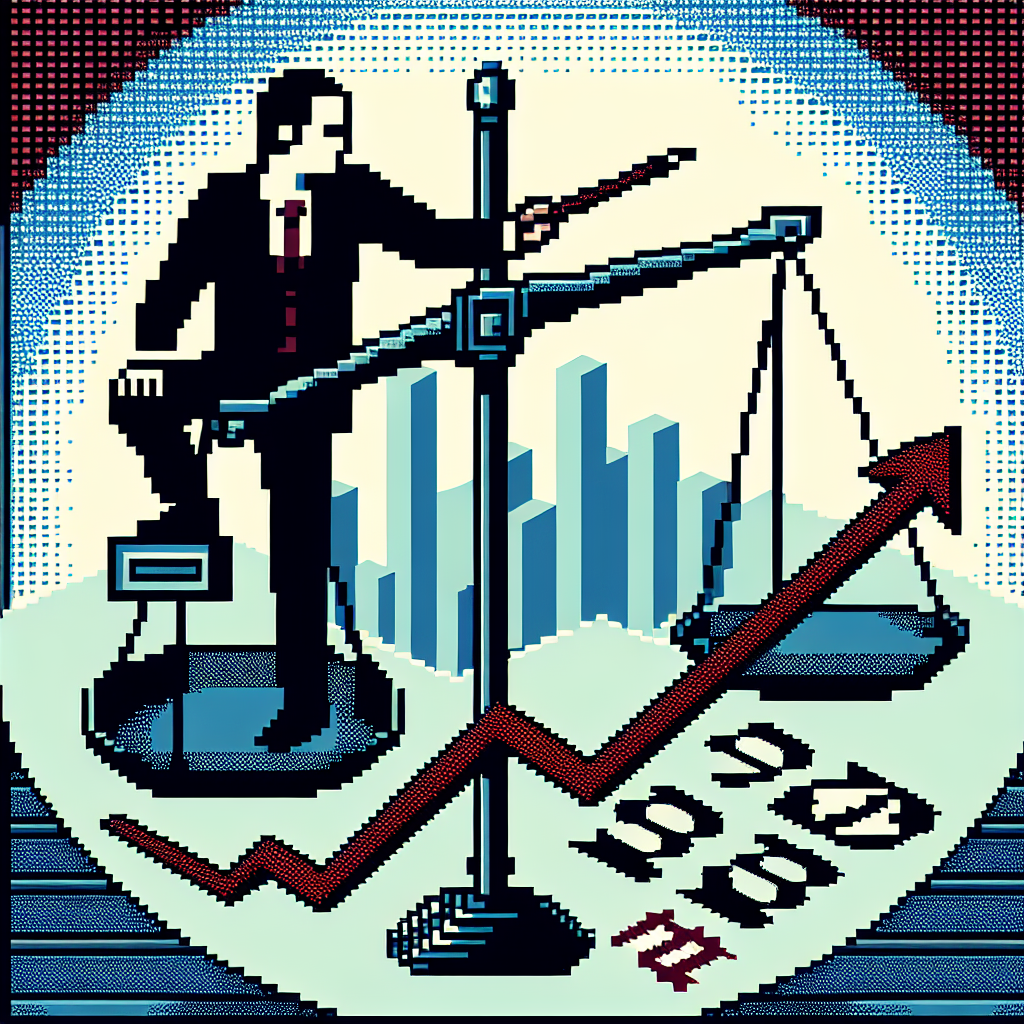
In the world of economics, the dance between politics and monetary policy often resembles a chaotic tango where partners step on each other's toes more frequently than they glide gracefully across the floor. One of the most recent and riveting performances in this ongoing saga is the complex dynamic between former President Donald Trump and Federal Reserve Chairman Jerome Powell. The MarketWatch article, "Opinion: Trump has made it (almost) impossible for Powell to cut interest rates," highlights this intricate relationship and its implications for the global economy.

Trump, a businessman-turned-politician known for his charismatic yet brash style, has always been a figure of controversy. His presidency was marked by a series of unprecedented moves, not the least of which was his frequent public criticism of the Federal Reserve and its chairman, Jerome Powell. Traditionally, the Fed operates independently of political pressures to ensure unbiased economic stewardship. However, Trump's vocal discontent with interest rate policies during his tenure has made it challenging for Powell to maneuver effectively, particularly in terms of cutting rates.

The heart of the matter lies in the Fed's independence, a cornerstone of its credibility with investors. Historically, bond investors have relied on the Fed's ability to make decisions free from political influence, akin to trusting an experienced captain to steer a ship through turbulent waters without interference from the passengers. Yet, as the MarketWatch article suggests, Trump's approach has shaken this trust, leading to concerns over future bond market stability. After all, few are eager to invest in a system where decisions might be swayed by political whims, much like few would volunteer to set fire to their money.

This situation is not just an isolated economic issue; it reflects broader global trends where political figures increasingly influence institutions traditionally designed to be independent. Take, for instance, the global rise of populist leaders who challenge established norms and institutions, creating ripple effects in financial markets worldwide. Whether it's Brexit's impact on the UK economy or political shifts in countries like Brazil and India, the interplay between political decision-making and economic policy is a recurring theme.

While Powell has maintained a steady hand despite the pressures, the broader implications of this Trump-induced challenge are worth considering. An independent central bank is not just a luxury; it's a necessity for maintaining economic stability and investor confidence. Without it, the economy risks becoming a vessel tossed about by the ever-changing winds of political fortune.

In reflecting on this dynamic, one cannot help but wonder about the future of economic policy-making in an increasingly politicized world. Trump may no longer reside in the White House, but the precedent set during his administration could influence how future leaders interact with economic institutions.

As we ponder these developments, it's clear that the relationship between politics and economics will continue to be a dance of complexity and unpredictability. In the end, the challenge for future policymakers, much like Powell, will be to navigate this dance with grace and determination, ensuring that economic decisions remain rooted in sound principles rather than political expediency.

Final Thought: In a world where political and economic landscapes are ever-evolving, maintaining the independence of institutions like the Federal Reserve is more crucial than ever. As citizens and investors, understanding this balance helps us appreciate the intricate dance between politics and economics, reminding us that while leaders may come and go, the principles of sound governance should remain steadfast.

Read more about AI in Business
Read more about Latest Sports Trends

Read more about Technology Innovations

Tracking Trump: Tariff threats send stocks tumbling; fallout from the Trump-Zelensky meeting; and more – The Washington Post | Analysis by Brian Moineau

Tracking Trump: Tariff threats send stocks tumbling; fallout from the Trump-Zelensky meeting; and more - The Washington Post | Analysis by Brian Moineau

**Title: Navigating the Trump Effect: Markets, Meetings, and More**

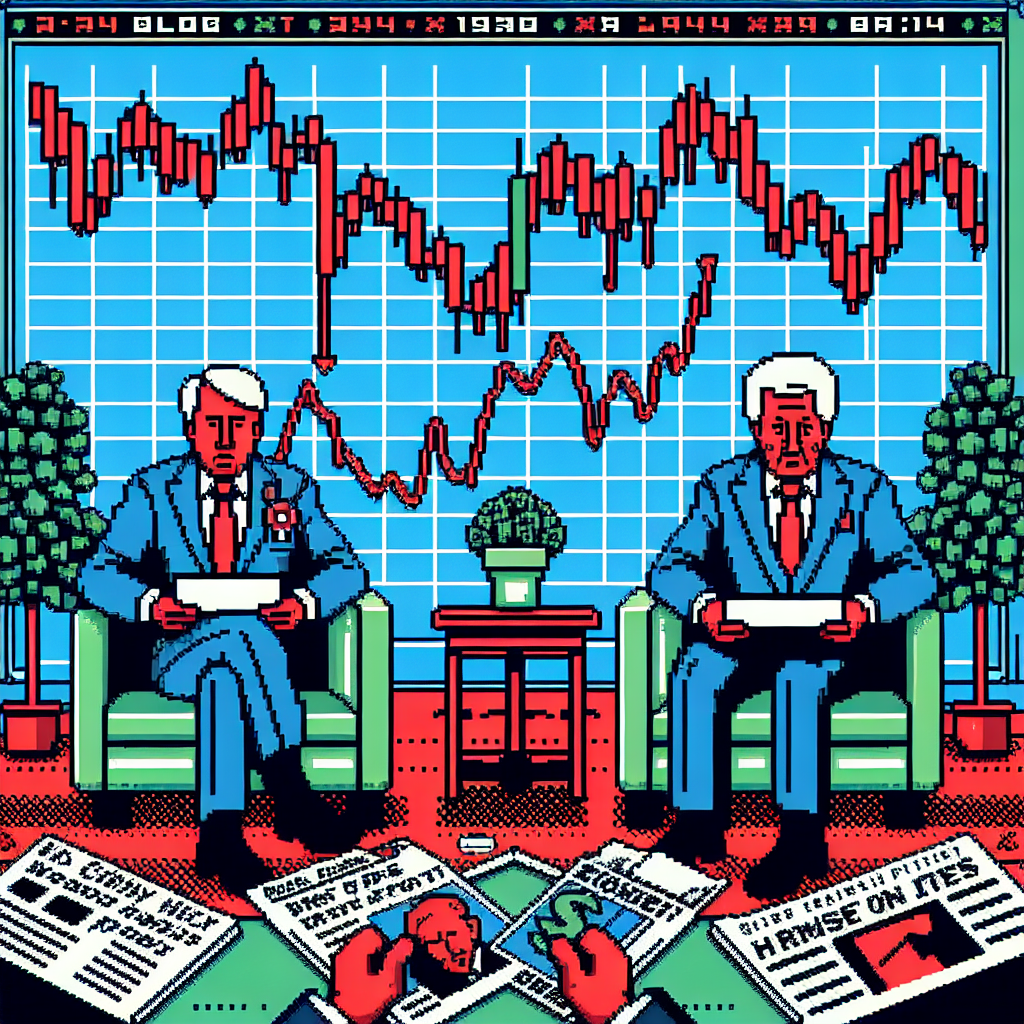
Ah, the whirlwind world of politics and economics! Just when you think the waters are calming, a new ripple—or in this case, a wave—comes along, courtesy of President Donald Trump. In the first 100 days of Trump's presidency, the markets experienced a rollercoaster ride, largely thanks to his unpredictable policy announcements. For instance, recent tariff threats have left stocks tumbling, creating a ripple effect akin to dropping a boulder into a pond. But what exactly is happening here, and how does it connect to the broader world stage?

**The Tariff Tango**

Let's start with tariffs. Trump's aggressive stance on trade, particularly with China, has been a hallmark of his administration. By threatening tariffs, he aims to level the playing field for American businesses, but this approach often sends the stock market into a frenzy. Investors are left holding their breath, unsure of the next move in this high-stakes game of economic chess. The Dow Jones Industrial Average, for instance, often fluctuates wildly with each new announcement.

But Trump's approach isn't without precedent. Remember the Smoot-Hawley Tariff Act of 1930? It aimed to protect American businesses during the Great Depression but instead led to a trade war and worsened the economic downturn. History, it seems, has a way of echoing through the ages.

**Diplomatic Drama: The Trump-Zelensky Meeting**

In another episode of international intrigue, fallout from the Trump-Zelensky meeting has captured global attention. This meeting, which led to a controversial phone call, became a linchpin in the impeachment inquiry against Trump. The conversation allegedly involved Trump pressuring Ukrainian President Volodymyr Zelensky to investigate Joe Biden, a potential political rival.

The diplomatic dance here is reminiscent of the Cold War era, where every conversation had the potential to shift the geopolitical landscape. And while the world watched, it became clear that Trump's presidency was as much about the art of the deal as it was about the art of diplomacy—or lack thereof.

**Trump's Unconventional Approach**

Love him or loathe him, Trump's style is anything but conventional. His presidency has been marked by a break from tradition, whether it's engaging directly with world leaders via Twitter or hosting impromptu press conferences. This unpredictability keeps both supporters and critics on their toes, creating a political climate that's as invigorating as it is exhausting.

Outside of the specifics of tariffs and meetings, Trump's presidency aligns with a global trend of populist leaders rising to power. Figures like Jair Bolsonaro in Brazil and Boris Johnson in the UK reflect a broader shift in politics—a move towards leaders who position themselves as outsiders willing to shake up the status quo.

**Final Thoughts**

As we track the tremors of Trump's first 100 days, it's essential to recognize that we're witnessing a unique chapter in American history. The ripple effects of his policies and interactions are felt not only on Wall Street but across the globe. Whether this approach ultimately benefits or hinders the US and the world remains to be seen.

In the meantime, let's grab some popcorn and watch the show unfold. After all, in the world of Trump, the only certainty is uncertainty itself. And who knows? In this ever-evolving narrative, the next plot twist could be just around the corner.

Read more about AI in Business

Read more about Latest Sports Trends

Read more about Technology Innovations