Drive‑Thru Violence Shakes Fast‑Food | Analysis by Brian Moineau

A chaotic night at Wendy’s: what the Ewing Township drive-thru video tells us about public safety and fast-food flashpoints

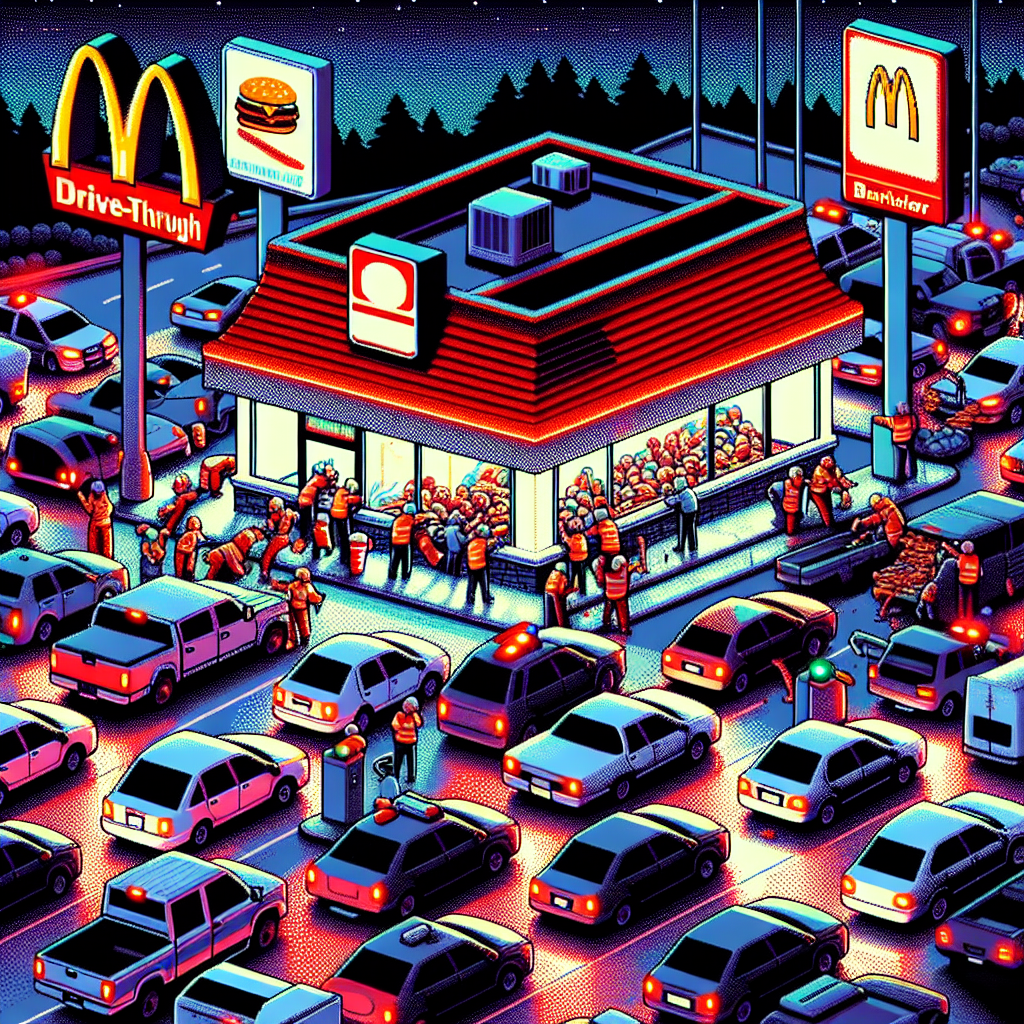
A viral video of violence at a Wendy’s drive-thru in Ewing Township, New Jersey, landed in people’s feeds and raised the same uneasy question: how did a late-night trip for fries and a Frosty turn into breaking windows and attempted assaults? The footage — and the police account that followed — feel like a snapshot of broader tensions playing out in public, commercial and late-night spaces.

What happened (the essentials)

  • Date and place: The incident occurred in the early hours of February 21, 2026, at the Wendy’s on the 1700 block of Olden Avenue in Ewing Township, New Jersey.
  • Who: Police identified three people from Trenton — 23-year-old Honesty Harrison, 18-year-old Saniyah Brittingham and 19-year-old Leah Williford Stevens.
  • Police account: Investigators say the trio damaged property inside the restaurant and attempted to assault employees with various items just before 3 a.m. Two of the suspects face burglary, criminal mischief and unlawful possession of a weapon charges; the third faces burglary and criminal mischief charges. Two turned themselves in; police were asking the public for help locating the third. (Published February 28, 2026). (6abc.com)

Why the video resonated

  • Violence in plain sight: Fast-food restaurants are public, highly visible spaces. Surveillance and phone video make it easy for incidents to spread quickly, sparking community alarm and online debate.
  • Late-night dynamics: After-hours shifts, reduced staffing, and customers under stress (fatigue, alcohol, conflict) can create conditions where small disputes escalate. The Wendy’s video taps into a pattern we’ve unfortunately seen in other fast-food altercations across the country. (cbsnews.com)
  • Emotional response: Viewers don’t only react to the specific actors in the clip — they react to the vulnerability of workers and the breakdown of ordinary civility where people expect quick service and little drama.

Broader context and patterns

  • Not an isolated phenomenon: Incidents at drive-thrus and fast-food locations — from assaults to robberies to crashes into buildings — recur in local news. Those stories highlight vulnerabilities: 24/7 operations, limited security presence late at night, and the physical layout of drive-thrus that can funnel conflict into tight spaces. (cbsnews.com)
  • Worker safety as a policy issue: The footage revives policy questions about protection for frontline employees — from better lighting and barriers to panic buttons, clearer late-night staffing protocols, and collaboration with local police.
  • Social-media ripple effects: Viral video can accelerate investigations (public IDs, tips) but also inflame speculation. Responsible reporting and community restraint help ensure investigations proceed fairly.

What to watch next

  • Legal outcomes: Charges listed in early reports may change as prosecutors review evidence and surveillance is formally entered into court records. Expect updates from local law enforcement and county prosecutors. (6abc.com)
  • Business and community response: Restaurants often respond with temporary closures, revised opening hours, or added security measures after violent incidents. Community leaders may call for interventions to address root causes (youth outreach, mental health supports, curfews).
  • The missing suspect: As of the report, one person had not been located; public tips to police were encouraged. That kind of public lead can be decisive in fast-moving local investigations. (6abc.com)

What this means for customers and workers

  • For customers: Keep interactions calm, especially late at night. If you witness violence, prioritize safety — get to a safe place, call 911, and preserve video only for law enforcement if you're asked to share it.
  • For workers: If your workplace lacks emergency procedures, raise the issue with management. Small protections — training on de-escalation, clear lockup procedures, access to a manager or dispatcher — can make a big difference.
  • For businesses: Reassess late-night staffing, lighting, camera coverage, and partnerships with local police. Investing in safety is both a moral and a business imperative.

Key takeaways

  • The February 21, 2026 Wendy’s incident in Ewing Township shows how quickly late-night disagreements can escalate into property damage and attempted assaults. (6abc.com)
  • Fast-food locations remain vulnerable because of hours of operation, limited security, and layouts that concentrate conflict. (cbsnews.com)
  • Video can spur rapid public reaction and aid investigations, but it also requires careful handling to avoid rushed judgments and misinformation.

My take

The clip is jarring, partly because it strips away the mundane expectation of a frictionless, anonymous late-night purchase. It’s a reminder that public safety and civility depend on small systems — sensible operating policies, visible deterrents, and community supports — not just individual good behavior. Protecting workers and customers doesn’t require grand gestures; it requires practical, often inexpensive steps plus clear communication and community cooperation.

Sources

Marina F1 Free-Run: Spectacle and Mayhem | Analysis by Brian Moineau

When a Free F1 Showrun Became a Neighborhood Free-for-All

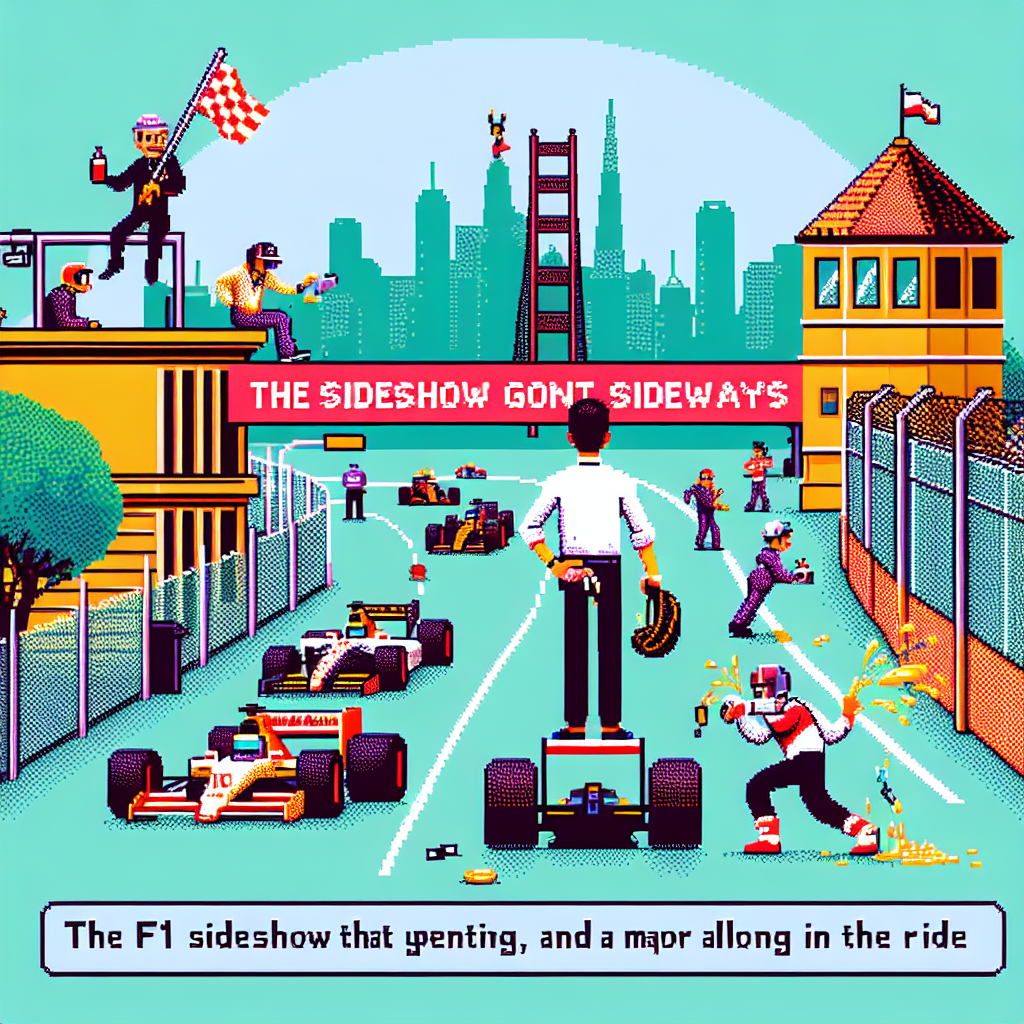
The roar of an F1 engine turned a Sunday in the Marina into a magnet for tens of thousands — and for a few hours the neighborhood looked less like a carefully managed showcase and more like the edges of a music festival that never got its permits. Red Bull’s free Showrun on February 21, 2026, delivered high-speed spectacle and social-media moments: donuts, skids, and an extra helping of chaos as people climbed roofs, trespassed onto private property, and — yes — urinated in yards. San Francisco police ultimately reported no arrests and called the event “extremely safe,” but neighbors’ accounts and local reporting tell a messier story about planning, public space, and how cities host blockbuster events.

Why everyone showed up (and why that matters)

  • Free access + Formula 1 hype = huge turnout. The Red Bull Showrun in the Marina was advertised as an open, public showcase featuring real F1 cars and drivers, which lowered barriers for attendance and raised expectations for spectacle.
  • The Marina is visually perfect for an F1 promo: waterfront views, a straight stretch of road (Marina Blvd.), and dense urban population nearby. That makes it attractive for organizers — and irresistible for thousands of onlookers.
  • What was missing was infrastructure: elevated viewing platforms, adequate restroom and trash facilities, clear crowd flows, and more visible, active crowd control — all the details that turn a pop-up spectacle into a safely run public event.

Neighborhood accounts vs. official line

  • Residents describe roof-climbing, trampling of landscaping, broken tiles and planters, damaged windows, and people relieving themselves on private property. Multiple accounts to local outlets said the scale of the crowd overwhelmed nearby streets and left behind visible damage. (sfstandard.com)
  • SFPD’s public statement to The San Francisco Standard: “Overall, the event was extremely safe, and there were no major public safety incidents.” The department said it responded to calls but made no arrests. That contrast — a calm official assessment versus vivid resident complaints — is at the heart of the controversy. (sfstandard.com)
  • Social media and neighborhood threads amplified the sense that planning and resource allocation were insufficient: limited policing presence at critical choke points, overwhelmed cell service, and a lack of amenities and signage. (reddit.com)

The mayor’s role and optics

  • Mayor Daniel Lurie donned a branded suit and appeared in promotional clips, a move some called a PR-friendly photo op. He later characterized such disruptions as part of the city’s comeback momentum. That framing — prioritize big events and accept some inconveniences — sits uneasily with residents who faced property damage and sanitation issues. (sfstandard.com)
  • When city officials embrace headline events, they also inherit responsibility for ensuring public-safety planning and neighborhood protections. The lack of clear pre-event coordination and post-event accountability has drawn criticism from local supervisors and community leaders. (sfstandard.com)

What went wrong — and what could have helped

  • Insufficient crowd management: no visible, phased entry points or dedicated bleachers meant people improvised with ladders, signs, balconies, and roofs.
  • Not enough public services: portable toilets, trash capacity, first-aid stations, and on-the-ground marshals were reportedly minimal or poorly signposted.
  • Communications and coordination gaps: residents said they received little advance notice and saw a limited on-site presence of city leadership directing logistics.
  • Traffic and emergency access: gridlock stretched across multiple neighborhoods, raising real concerns about ambulance access and urgent response capability. (axios.com)

Takeaway bullets

  • The formula for a successful free public spectacle requires as much logistics as it does hype — sightlines, sanitation, crowd flows, and emergency planning matter.
  • Official assessments that focus on arrests or major incidents don’t always capture the everyday harms neighbors experience (property damage, unsanitary conditions, feeling unheard).
  • High-profile events offer civic benefits — economic activity, tourism, global visibility — but those must be balanced with advance planning and local protections.
  • City leaders and promoters share responsibility: one provides the platform and visibility, the other must ensure the neighborhood survives the afterparty intact.

My take

Large-scale urban events are a test of civic muscle. The Marina Showrun proved that excitement and spectacle are easy to manufacture; the harder part is engineering for tens of thousands of unpredictable humans in a tight space. Calling the day “extremely safe” because there were no arrests feels incomplete. Safety isn’t just arrests avoided — it’s protecting property, ensuring sanitary conditions, preserving access for emergencies, and leaving neighborhoods as intact as they were before the party.

If San Francisco wants the benefits of world-class, headline-making events, the city needs to match that ambition with event infrastructure: meaningful advance coordination with neighbors, clear sightline solutions (paid or free elevated platforms), designated stewarding crews, and contingencies for crowd overflow. Otherwise the story repeats: thrillers on camera, headaches at home.

Sources


Related update: We recently published an article that expands on this topic: read the latest post.


Related update: We recently published an article that expands on this topic: read the latest post.


Related update: We recently published an article that expands on this topic: read the latest post.

Waymos Robotaxi Incident Raises Safety | Analysis by Brian Moineau

Waymo’s Robotaxi Incident: A Wake-Up Call for Autonomous Driving Safety

Imagine stepping out of your home, hailing a ride, and watching as a sleek robotaxi pulls up to whisk you away—all without a human driver at the wheel. This is the future that companies like Waymo are working hard to create. However, recent events have cast a shadow on this vision. Earlier this month, in Atlanta, Georgia, a Waymo robotaxi was observed driving around a stopped school bus, igniting concerns about the safety and reliability of autonomous vehicles.

Background on Waymo’s Journey

Waymo, a subsidiary of Alphabet Inc., has been a pioneer in the autonomous vehicle space for years. With extensive testing and a fleet of robotaxis operating in select cities, the company has touted the safety and efficiency of its self-driving technology. However, as with any innovative technology, there are growing pains. The incident involving the robotaxi and the school bus raises critical questions about the current state of autonomous driving technology and the regulatory frameworks that govern it.

In the aftermath of the incident, Waymo quickly responded by updating the software in its vehicles. This swift action demonstrates the company’s commitment to addressing potential issues, but it also highlights the challenges that come with integrating cutting-edge technology into everyday life.

Regulators Take Notice

Following the incident, regulators have stepped in to investigate. The scrutiny from governing bodies is a necessary part of ensuring that autonomous vehicles operate safely in public spaces. As these vehicles become more prevalent, it’s vital that they adhere to strict safety standards, especially when it comes to scenarios like navigating around school buses, which are often filled with children.

Waymo’s incident is not an isolated case but part of a broader conversation about the maturity of autonomous driving technology. With more companies entering the space, the need for clear regulations and safety protocols has never been more pressing.

Key Takeaways

Regulatory Scrutiny: The incident has prompted regulators to investigate Waymo’s practices, emphasizing the need for oversight in the autonomous vehicle sector. – Software Updates: Waymo has already rolled out a software update to address the issue, showcasing the importance of continuous improvements in technology. – Public Safety Concerns: The event raises valid concerns about the safety of autonomous vehicles, particularly in scenarios involving vulnerable road users like schoolchildren. – Industry Implications: As more autonomous vehicles hit the roads, incidents like this will shape public perception and regulatory measures that govern their operations. – Future of Autonomous Driving: This incident serves as a reminder that while the future of transportation is promising, it comes with responsibilities that need unwavering attention.

Concluding Reflection

The Waymo robotaxi incident is more than just a blip on the radar; it’s a critical moment in the evolution of autonomous driving technology. As we push toward a future where self-driving vehicles become the norm, we must prioritize safety and accountability. The consequences of overlooking these elements can be dire, not just for the companies involved but for society as a whole. Moving forward, we need to foster a collaborative environment where innovation and safety go hand in hand, ensuring that our roads are safe for everyone.

Sources

– TechCrunch: [Regulators probe Waymo after its robotaxi drove around a stopped school bus](https://techcrunch.com/2023/10/15/waymo-robotaxi-school-bus/)

By staying informed and engaged in discussions around autonomous vehicle safety, we can help shape a future that not only embraces innovation but also safeguards our communities.


Related update: We recently published an article that expands on this topic: read the latest post.


Related update: We recently published an article that expands on this topic: read the latest post.


Related update: We recently published an article that expands on this topic: read the latest post.


Related update: We recently published an article that expands on this topic: read the latest post.

TSA bans new item from travelers’ checked luggage – SFGATE | Analysis by Brian Moineau

TSA bans new item from travelers' checked luggage - SFGATE | Analysis by Brian Moineau

Title: TSA’s Latest Ban: A Curling Iron Catastrophe or Safety Sensation?

In a surprising twist that’s sure to ruffle a few hairstyles, the Transportation Security Administration (TSA) has announced a ban on hot hair care tools like curling irons and flat irons from travelers' checked luggage. While this move might initially seem like a bad hair day waiting to happen, it’s actually part of a broader effort to ensure safety and security in air travel—a mission that the TSA takes very seriously.

For those globetrotting fashionistas who rely on their trusty curling irons to maintain those perfect beach waves or sleek, straight styles while on the go, this news might feel like a personal attack. But before you start waving a protest sign made of bobby pins, let’s take a moment to understand the rationale and explore the bigger picture.

Why the Ban?

The TSA's decision to prohibit these styling tools in checked luggage is rooted in safety concerns. Curling irons and flat irons, particularly those that use butane, have been deemed potential fire hazards. Butane irons, which are popular for their cordless convenience, can ignite under certain conditions, posing a risk to the safety of an aircraft.

This isn't the first time the TSA has made headlines with a ban that leaves travelers scratching their heads. Remember the great liquid ban of 2006? While initially met with widespread confusion and frustration, over time, travelers adapted. Similarly, it’s likely that this new rule will soon become just another accepted part of the airport security ritual.

A Broader Context of Safety and Security

The TSA's ban on hair tools is part of a broader trend of increasing security measures in public spaces. In recent years, there’s been a notable rise in regulations aimed at ensuring public safety, from heightened cybersecurity measures to increased security at sporting events and concerts. This correlates with a growing awareness and need for safety in a world that often feels unpredictable.

For example, major events like the Super Bowl and the Olympics have seen ramped-up security protocols, with technology playing a crucial role. Drones, facial recognition, and advanced scanning technologies are becoming commonplace as organizers strive to protect attendees from potential threats.

A Global Perspective

Travelers in Europe and other parts of the world have also experienced similar restrictions. The European Union Aviation Safety Agency (EASA) has stringent rules regarding the transport of potentially hazardous items. This global trend underscores a shared responsibility among nations to prioritize passenger safety.

Moreover, this initiative coincides with the broader environmental movement that encourages individuals to reconsider their consumption habits. As more people become conscious of their carbon footprint, travel trends are shifting towards minimalism and sustainability. Perhaps this TSA ruling might inadvertently encourage travelers to embrace a more natural look, promoting a new wave of travel-friendly beauty trends that require less energy and fewer tools.

Final Thoughts

While the TSA’s ban on hot hair tools in checked luggage might initially seem like a hair-raising inconvenience, it reflects a necessary step in the ongoing journey to ensure passenger safety. As travelers, adaptability is key. So, as we navigate this new rule, perhaps it’s an opportunity to explore new styling techniques, embrace natural looks, or simply enjoy a bit more space in our luggage for those “must-have” souvenirs.

In the grand tapestry of travel, this is but a small adjustment. As the world evolves and security measures continue to tighten, let’s keep our sense of humor intact and remember that sometimes, a little change is the secret ingredient to a great adventure. Safe travels, and may your hair always be fabulous, even at 35,000 feet!

Read more about AI in Business

Read more about Latest Sports Trends

Read more about Technology Innovations