California’s Billionaire Tax Sparks Rift | Analysis by Brian Moineau

California’s billionaire tax: a rebellion in the heart of Silicon Valley

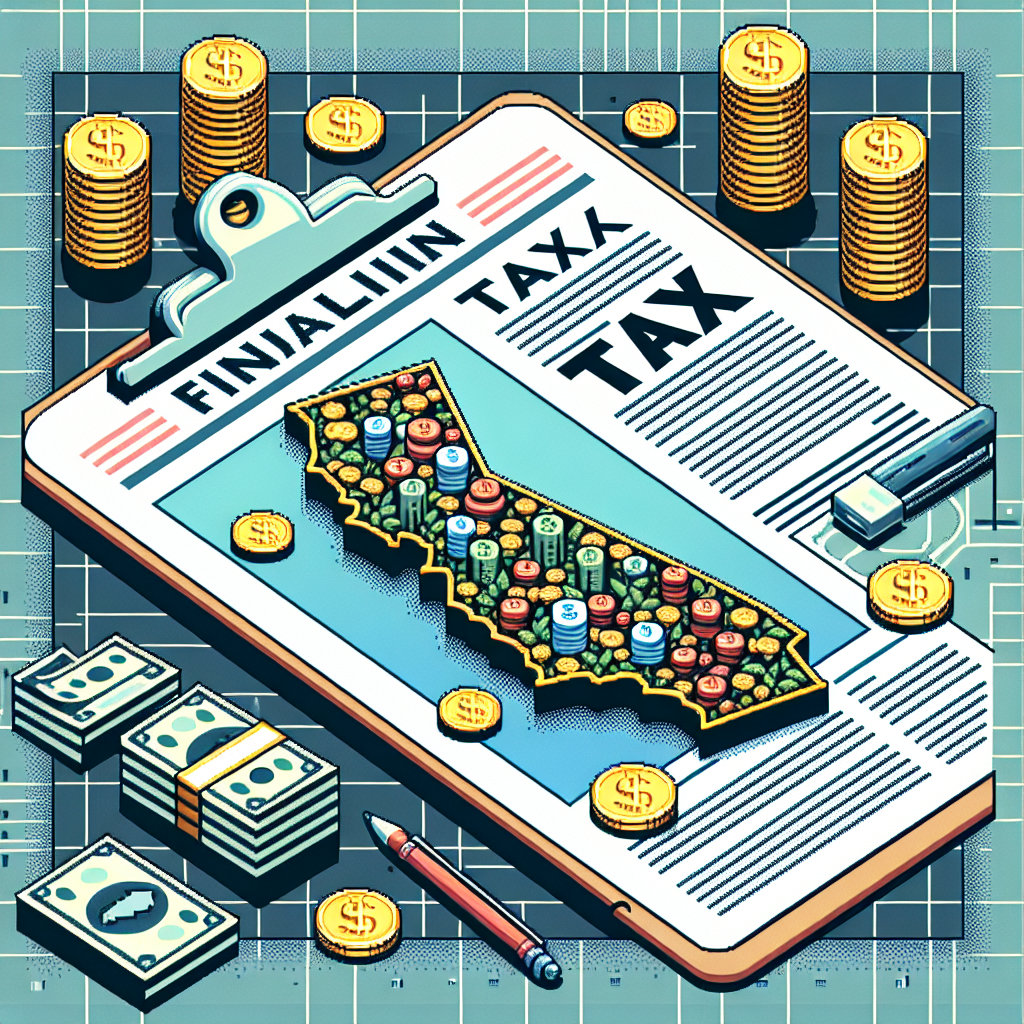
An audacious idea landed in Sacramento’s inbox and the reaction was immediate: outrage, delight, opportunism and a scramble to change addresses. A proposed one-time levy on billionaires—aimed at people with nine-figure and higher net worths who live in California—has ripped open debates about fairness, economic growth and the political future of the state that invents so much of the modern tech economy.

This post untangles the politics, the likely economic fallout, and why the proposal has split Democrats and rattled Silicon Valley in equal measure.

Quick snapshot

  • What: A proposed “billionaire tax” — a one-time 5% levy on net worth above $1 billion, with stiffer fixed amounts for ultra-wealthy tiers (the initiative was filed for the 2026 ballot by SEIU-UHW).
  • Why now: Supporters say it would raise roughly $100 billion to shore up healthcare, food assistance and education after federal cuts; opponents warn it will chase away the state’s richest residents and damage growth.
  • Political reaction: Progressive leaders like Bernie Sanders endorsed it; Governor Gavin Newsom and many business leaders oppose it. Some billionaires publicly threatened to leave; at least a few have already rearranged domiciles or offices.

Why the idea landed and why it resonates

California is a place of extremes: world-class wealth next to deeply stressed public services. That contrast fuels political energy.

  • Rising inequality and the visibility of nine-figure fortunes make a targeted wealth tax emotionally and politically compelling for many voters.
  • The immediate goal—raising money to replace lost federal funding for healthcare and shore up safety-net programs—gives the proposal a concrete use-case beyond abstract redistribution.
  • The union behind the filing argues the tax focuses only on the ultra-rich and won’t touch the middle class.

In short: it’s a focused ask with a dramatic headline number, and in politics, dramatic asks tend to move the needle.

Why Silicon Valley is panicking (and why some aren’t)

The reaction among the ultra-wealthy has not been uniform, but loud and visible.

  • Many tech figures portrayed the proposal as an existential threat: if taxes rise on paper wealth (stock holdings, unliquidated shares), founders and investors say they could be forced to sell stakes or move. Some have publicly announced moves to Florida or Texas; offices and legal addresses have shifted in ways that critics say preempt the levy.
  • Opponents argue that a state-level tax on worldwide assets creates enforcement and constitutional headaches, and that wealthy people are mobile—so revenue estimates may be optimistic if people pack up and leave.
  • Not everyone in the top tier sees it as catastrophic. Some billionaires have publicly shrugged, noting they chose California for talent and infrastructure and won’t be chased off by a one-time levy.

The net effect: a mix of bluster, legal posturing, real relocations and a publicity fight that will shape public opinion.

The political split inside the Democratic coalition

This proposal has exposed a rare public split among Democrats:

  • Progressive leaders frame the levy as moral and practical: wealthy Californians benefit from public goods (education, infrastructure, legal stability) and the state needs revenue for essential services. Some Democrats see it as a way to regain political legitimacy amid affordability crises.
  • Moderate Democrats and many elected officials worry about the state’s tax base. California already depends heavily on high-income taxpayers; if a number of the richest leave or shelter assets, revenues could fall. The governor’s opposition signals that the establishment wing is worried about economic consequences and political optics.

This isn’t just an intra-party debate about tax policy; it’s a fight over political identity—whether California leans into aggressive redistribution or prioritizes a stable business climate.

Economic and legal realities to watch

  • Revenue estimates are uncertain. Ballpark figures like $100 billion assume most targeted people remain in-state and that valuation and collection are enforceable. Past experiences suggest aggressive taxes can trigger behavioral responses that reduce expected receipts.
  • Valuation complexity. Taxing unrealized gains or illiquid assets (private company stock, art, intellectual property) is administratively hard and prone to legal challenge.
  • Mobility matters. The very wealthy can—and sometimes do—change residency or restructure holdings. Even the appearance of tax risk can spur preemptive moves.
  • Constitutional, interstate and federal issues could surface. State-level wealth taxes are uncommon in the U.S., and legal fights over retroactivity, apportionment, and interstate effects are likely.

All of that means the practical outcome will be shaped as much in courtrooms and tax counsels’ offices as at the ballot box.

What happens next

  • Signature drive and ballot placement. The initiative needs enough valid signatures to qualify for the November ballot (the filing targeted 2026). If it makes the ballot, the public debate will intensify.
  • Counter-campaigning. Expect deep-pocketed opposition, ad spending, messaging about jobs and innovation, and union-backed pro-tax campaigns framing the tax as funding essential services.
  • Potential legal challenges even before election day, and numerous legislative and advocacy responses aimed at shaping public perception and technicalities.

Something to keep in mind

Policies like this don’t play out in a single election cycle. Even if a ballot measure fails, the conversation nudges policy options and political narratives for years—about taxation, corporate responsibility, and the balance between wealth creation and social stability.

What the headlines miss

  • The debate isn’t only about punishing success. It’s about how a state dependent on a handful of mega-wealthy taxpayers secures long-term funding for services most residents rely on.
  • It’s also a test of political branding: can progressives convert anger at inequality into durable policy without triggering capital flight that undermines the tax base?

Key takeaways

  • The billionaire tax proposal crystallizes a larger question: who pays for California’s public goods when wealth is increasingly concentrated?
  • Economic estimates are uncertain and vulnerable to behavioral changes—residency shifts and asset structuring could shrink expected revenues.
  • The split among Democrats shows this is as much a political and cultural contest as a fiscal one.
  • Expect years of litigation, lobbying and relocation strategies regardless of the ballot outcome.

My take

There’s a moral clarity to asking the ultra-rich for more when public systems are strained—but the mechanics matter. A smart approach would pair targeted revenue aims with careful legal design and federal coordination to avoid making California a test-case for unintended consequences. Whether through state action or renewed federal attention to wealth taxation, the core problem—extreme concentration of wealth amid crumbling public infrastructure—needs durable solutions, not just headline-grabbing measures.

Sources


Related update: We recently published an article that expands on this topic: read the latest post.
Here come the glassholes, part II – Financial Times | Analysis by Brian Moineau

Here come the glassholes, part II - Financial Times | Analysis by Brian Moineau

Title: The Return of the Glassholes: Will Facial Recognition in Smart Glasses Ever Be a Good Look?

Ah, smart glasses. Remember the early 2010s when Google Glass promised to revolutionize how we view the world? Instead, it gifted us a new term - "glassholes" - for those who wore them with a bit too much enthusiasm, often at the expense of social norms. Fast forward to today, and we're on the brink of a sequel, thanks to the latest tech trend: integrating facial recognition into smart glasses.

Silicon Valley's dreamers are once again at the forefront, eagerly pushing the boundaries of what's technologically possible. But will their vision align with societal acceptance? If history has taught us anything, it's that the path from innovation to integration is often fraught with unforeseen twists.

The Tech Temptation


Facial recognition technology is no stranger to controversy. While its applications can be groundbreaking, such as aiding law enforcement or streamlining airport security, it also raises significant privacy concerns. Incorporating it into smart glasses could let users identify strangers on the street, an appeal to some, but a potential invasion of privacy to many others.

Consider the recent pushback against facial recognition in public spaces. Cities like San Francisco and Portland have already enacted bans on its use by government agencies, citing concerns over accuracy, bias, and civil liberties. If public sentiment is any indication, adding this feature to smart glasses may not be as warmly received as some tech enthusiasts hope.

A World Already on Edge


The timing of this innovation is particularly noteworthy. We're living in a world increasingly conscious of privacy, driven by revelations of data breaches and surveillance. The Cambridge Analytica scandal, which revealed how personal data could be weaponized, has made people more protective of their digital footprints.

Moreover, the COVID-19 pandemic has accelerated our dependence on technology, while simultaneously highlighting the importance of personal space and privacy. As we navigate this new normal, the idea of being constantly watched, even if just through a pair of glasses, might not sit well with the public.

Echoes of Innovation


This isn't the first time tech has faced resistance before eventual acceptance. The smartphone, now an indispensable part of daily life, was once met with skepticism. However, those devices offered clear, immediate benefits that outweighed privacy concerns for most users. Smart glasses with facial recognition, on the other hand, are yet to make a compelling case for how they will enhance, rather than intrude upon, our lives.

The Broader Implications


Beyond privacy, there's the question of social etiquette. How will society adapt to a world where anyone can know your name with a glance? The potential for misuse is high, from unwanted advances to more sinister applications like stalking or doxing.

Interestingly, this debate parallels discussions in other tech domains. Take, for example, the rise of AI-driven customer service bots. While they promise efficiency, they also risk depersonalizing interactions. Similarly, smart glasses must balance innovation with the human element, ensuring they serve rather than disrupt society.

Final Thoughts


As we stand on the precipice of another potential technological leap, it's crucial to remember that just because we can do something doesn't mean we should. The allure of smart glasses with facial recognition is undeniable, yet we must tread cautiously. Society must have a say in how this technology is developed and deployed.

In the end, perhaps the most significant lesson from the "glassholes" saga is that technology should enhance human interaction, not replace it. If smart glasses can find that balance, they might just avoid the pitfalls of their predecessors. Otherwise, we might find ourselves peering into a future where the promise of connectivity comes at the cost of our privacy.

Read more about AI in Business

Read more about Latest Sports Trends

Read more about Technology Innovations

PayPal Park to host NWSL Championship on Nov. 22 – ESPN | Analysis by Brian Moineau

PayPal Park to host NWSL Championship on Nov. 22 - ESPN | Analysis by Brian Moineau

Title: Kicking Off History: PayPal Park Hosts the 2025 NWSL Championship

As the leaves turn golden and the air grows crisp in November 2025, soccer fans from around the nation will converge upon San Jose, California. Their destination? PayPal Park, the vibrant heart of West Coast soccer, which is set to host the National Women’s Soccer League (NWSL) Championship on November 22. This event promises not just a thrilling showdown on the field but also a celebration of the explosive growth and increasing recognition of women’s soccer globally.

PayPal Park: More Than Just a Venue


Nestled in the innovative hub of Silicon Valley, PayPal Park is no stranger to hosting marquee soccer events. Its selection as the venue for the 2025 NWSL Championship further cements its reputation as a cornerstone of soccer culture in the United States. The stadium, known for its intimate setting and enthusiastic crowds, offers an electric atmosphere that mirrors the dynamism of the women's game today.

NWSL: A League on the Rise


The NWSL has been on an upward trajectory in recent years, and its championship game represents the pinnacle of this growth. With increased viewership, sponsorship deals, and a roster of international stars, the league stands as a testament to the rising popularity of women's sports. This year's championship will likely feature players who have become household names, thanks to their impressive performances on both domestic and international stages.

Global Impact and Cultural Shift


The significance of hosting the NWSL Championship at PayPal Park extends beyond the pitch. It reflects a broader cultural shift towards gender equality in sports. Events like this underscore the growing recognition of female athletes' talents and contributions. This aligns with global movements advocating for equal pay and opportunities for women in sports, exemplified by the U.S. Women's National Team's successful fight for equal compensation.

Soccer and Silicon Valley: A Perfect Match


Hosting the championship in San Jose isn't just about sports; it's a convergence of tech and talent. Silicon Valley, with its innovative spirit, mirrors the dynamic and evolving nature of the NWSL. The tech industry has increasingly played a role in sports, from enhancing fan experiences through AR and VR to data analytics transforming team strategies. The championship at PayPal Park might just inspire new intersections between technology and sports.

A Final Thought: The Future is Bright


As we look forward to the NWSL Championship at PayPal Park, it's clear that women's soccer is not merely experiencing a moment—it's building a legacy. This event is more than just a game; it's a milestone in a movement that continues to gain momentum around the world. Whether you're a die-hard soccer fan or new to the sport, November 22 in San Jose will be a day to witness history in the making. So gear up, show your support, and be part of a vibrant chapter in the story of women's sports. After all, the future of soccer is as bright as the California sun.

For those who want to dive deeper into the world of women's soccer, consider checking out resources like [The Athletic's coverage of NWSL](https://theathletic.com/nwsl/) or the [official NWSL website](https://www.nwslsoccer.com/). Let's keep the conversation going and continue to champion the incredible athletes who inspire us all.

Read more about AI in Business

Read more about Latest Sports Trends

Read more about Technology Innovations

A Tesla worker built a website protesting Elon Musk. He was fired a few days later. – Business Insider | Analysis by Brian Moineau

A Tesla worker built a website protesting Elon Musk. He was fired a few days later. - Business Insider | Analysis by Brian Moineau

Silicon Valley Showdown: When Innovation Meets Protest

In the ever-evolving world of tech, where innovation is the name of the game, a curious dance between corporate giants and individual voices is always unfolding. Enter Matthew LaBrot, a former Tesla worker whose story is both a cautionary tale and a beacon of hope for those advocating for change within monolithic organizations.

Matthew LaBrot recently made headlines by taking a bold step that few of his colleagues dared to consider. In an era where Tesla has climbed the ranks to become a symbol of innovation and sustainability, LaBrot decided to build a website protesting some of Elon Musk's decisions. His efforts, however, were met with a swift response from his employer: termination.

This incident isn't just a blip on the radar for Tesla; it highlights a broader conversation happening across industries. As companies grow and their influence becomes more pervasive, employees are increasingly finding their voices, advocating for change from within. This isn't just about one man or one company—it's a reflection of a larger movement where employees demand more transparency, better conditions, and a say in the direction their companies are headed.

The Man Behind the Website


Matthew LaBrot isn't just a disgruntled employee; he's part of a new wave of tech workers who are willing to put their livelihoods on the line for what they believe in. LaBrot's willingness to stand up against a corporate behemoth like Tesla is reminiscent of other movements within tech, like the Google employees who protested their company's handling of sexual harassment claims and the Amazon workers who have been vocal about climate change policies.

LaBrot's website was more than just a protest; it was a platform intended to spark dialogue among Tesla employees and beyond. It was his way of saying that the employees who help build the brand should also have a voice in shaping its future.

A Global Conversation


This event is part of a larger, global conversation about the power dynamics between employees and employers. In recent years, we've seen similar stories unfold across different sectors. For example, in the world of sports, athletes like Colin Kaepernick have used their platforms to protest systemic issues, leading to intense debates about the role of activism in professional settings.

Similarly, in the entertainment industry, the

MeToo movement showcased the power of individual voices coming together to challenge longstanding practices. LaBrot's story is another chapter in this ongoing narrative, illustrating that no industry is immune to the calls for change and accountability.


The Elon Musk Effect


Of course, any discussion involving Tesla inevitably circles back to its enigmatic CEO, Elon Musk. Musk is a figure who inspires both adulation and criticism, often in equal measure. Known for his ambitious visions and sometimes controversial tweets, Musk has become a lightning rod for discussions about leadership in the tech industry.

While some view him as a modern-day Thomas Edison, pushing the boundaries of what's possible, others see him as emblematic of a Silicon Valley culture that prioritizes rapid growth over the welfare of its employees. LaBrot's protest adds another layer to this complex narrative, challenging Musk to consider the voices of those who work tirelessly to bring his visions to life.

Final Thoughts


As we navigate this new era of employee activism, it's important to remember that change is rarely comfortable, but often necessary. Matthew LaBrot's story is a reminder that even the most innovative companies must remain accountable to those who help make them successful. As employees continue to find their voices, companies will need to adapt, creating environments where dialogue is encouraged, not suppressed.

In the end, the dance between innovation and protest is a delicate one, but it's a dance worth engaging in. For it's in this space that true progress occurs—where the brightest ideas are not just born but are also nurtured by a workforce that feels heard, valued, and inspired.

Read more about AI in Business

Read more about Latest Sports Trends

Read more about Technology Innovations

Apple drops lawsuit against former iOS engineer accused of leaking Vision Pro details – The Verge | Analysis by Brian Moineau

Apple drops lawsuit against former iOS engineer accused of leaking Vision Pro details - The Verge | Analysis by Brian Moineau

**Title: Apple Drops Lawsuit: A Win for Former iOS Engineer and a Peek into Tech Culture**

In a turn of events that has the tech world buzzing, Apple has decided to drop its lawsuit against a former iOS engineer accused of leaking confidential information about its highly anticipated Journal app and the Vision Pro headset. This move has sparked discussions about corporate secrecy, employee loyalty, and the ever-intensifying race in the tech industry.

For those who might not be immersed in the daily ebb and flow of Silicon Valley drama, this story is a classic tale of David vs. Goliath. Apple, a company synonymous with innovation and design, took a firm stand against one of its own, accusing the engineer of betrayal. The heart of the matter? Allegedly, the individual leaked sensitive details about the Vision Pro headset—a product that has been shrouded in mystery and speculation.

The Vision Pro headset is Apple’s bold step into augmented reality (AR), a field teeming with potential but also fraught with challenges. With competitors like Meta (formerly Facebook) and Microsoft investing heavily in AR and virtual reality (VR) technologies, Apple’s Vision Pro is seen as a critical piece in maintaining its competitive edge.

Interestingly, this lawsuit resolution comes at a time when the tech industry is under immense scrutiny. Companies are grappling with issues of privacy, data security, and ethical responsibility. Apple's decision to drop the lawsuit could be seen as a strategic move to shift the narrative away from legal battles and back to innovation.

Moreover, this incident sheds light on the high-stakes environment tech employees navigate. The pressure to innovate, coupled with the threat of legal action for perceived breaches of trust, creates a unique workplace culture. This is not the first time an employee has found themselves in hot water over leaks; Tesla, Google, and other tech giants have faced similar situations. It raises a question about the balance between protecting intellectual property and fostering an open, creative work environment.

In a broader context, the resolution of this lawsuit parallels other developments in tech. For instance, Google recently settled a case involving former engineers accused of data theft. Such moves reflect a growing trend of companies opting for resolution over prolonged legal battles, perhaps in a bid to maintain public goodwill and focus resources on innovation rather than litigation.

As for the former iOS engineer, while the details of the settlement remain under wraps, one can imagine a sense of relief. It’s a reminder of the human element behind the headlines—individuals navigating careers, reputations, and personal integrity in an industry known for its relentless pace and high stakes.

In closing, Apple dropping its lawsuit is a reminder that the tech world, much like any other industry, is a complex tapestry of innovation, competition, and human stories. As we watch the Vision Pro headset and Apple’s Journal app evolve from rumor to reality, one can only hope that the lessons learned from this case foster a more open and balanced tech culture.

**Final Thought:** As we continue to marvel at the technological wonders companies like Apple bring to life, it’s crucial to remember the people behind the screens. After all, innovation thrives in environments where creativity is nurtured, and trust is paramount.

Read more about AI in Business

Read more about Latest Sports Trends

Read more about Technology Innovations