
Google Teases Pixel 10 Ahead of August Reveal – CNET | Analysis by Brian Moineau

Google Teases Pixel 10 Ahead of August Reveal - CNET | Analysis by Brian Moineau

Pixel 10: The Unchanged Evolution of Smartphones?

Ah, technology! Just when you think it can't possibly get any more advanced, Google teases something new, like the Pixel 10. But this time, it comes with a twist: the Pixel 10, from what we can see so far, looks identical to its predecessor, the Pixel 9. This might leave some tech enthusiasts scratching their heads, while others will nod knowingly, recognizing a trend in the tech world that's as old as time itself—sometimes, the more things change, the more they stay the same.

Now, before we start critiquing Google's choice to maintain a familiar design, let's take a step back and look at the broader picture. In a world where innovation is often equated with radical change, there's something comforting about consistency. Just like how Apple's iPhone design remained largely unchanged between the iPhone 6 and iPhone 8, Google seems to be taking a page from Apple's playbook. The Pixel line's sleek and minimalistic design has garnered a loyal fan base, so why fix what isn’t broken?

It's also worth noting that this tease comes at a time when the world is experiencing a bit of déjà vu in various areas. For example, the fashion industry is seeing a resurgence of '90s trends. High-waisted jeans, chokers, and even bucket hats are making a comeback. Similarly, in the automotive world, Volkswagen recently brought back the iconic microbus in an electric form with the ID. Buzz, blending nostalgia with modern technology.

So, what could be Google's play here? Perhaps they're focusing on perfecting what's under the hood rather than altering the chassis. If we look at other tech companies, such as Tesla, the updates are often more about what's inside—software upgrades, enhanced battery life, and autopilot features—rather than cosmetic changes.

Moreover, as we continue to navigate the post-pandemic world, tech companies are increasingly prioritizing sustainability. By sticking to a similar design, Google might be reducing waste associated with creating entirely new molds and parts, instead focusing on refining their existing production processes.

While we wait for the official August reveal, this teaser serves as a reminder that innovation isn't always flashy or immediately visible. Sometimes, it's about refining the details, improving the user experience, and making technology more sustainable and accessible.

In conclusion, the Pixel 10 may look identical to the Pixel 9, but it’s a reminder that not all progress is visible on the surface. Whether you’re a tech enthusiast eagerly awaiting new features or someone who simply appreciates a reliable smartphone, the Pixel 10 promises to be yet another solid entry in Google's lineup. So let's keep our eyes peeled for what's to come and celebrate the small, incremental innovations that often make the biggest impact. After all, in tech, like in life, it's often the little things that matter most.

Read more about AI in Business
Read more about Latest Sports Trends

Read more about Technology Innovations

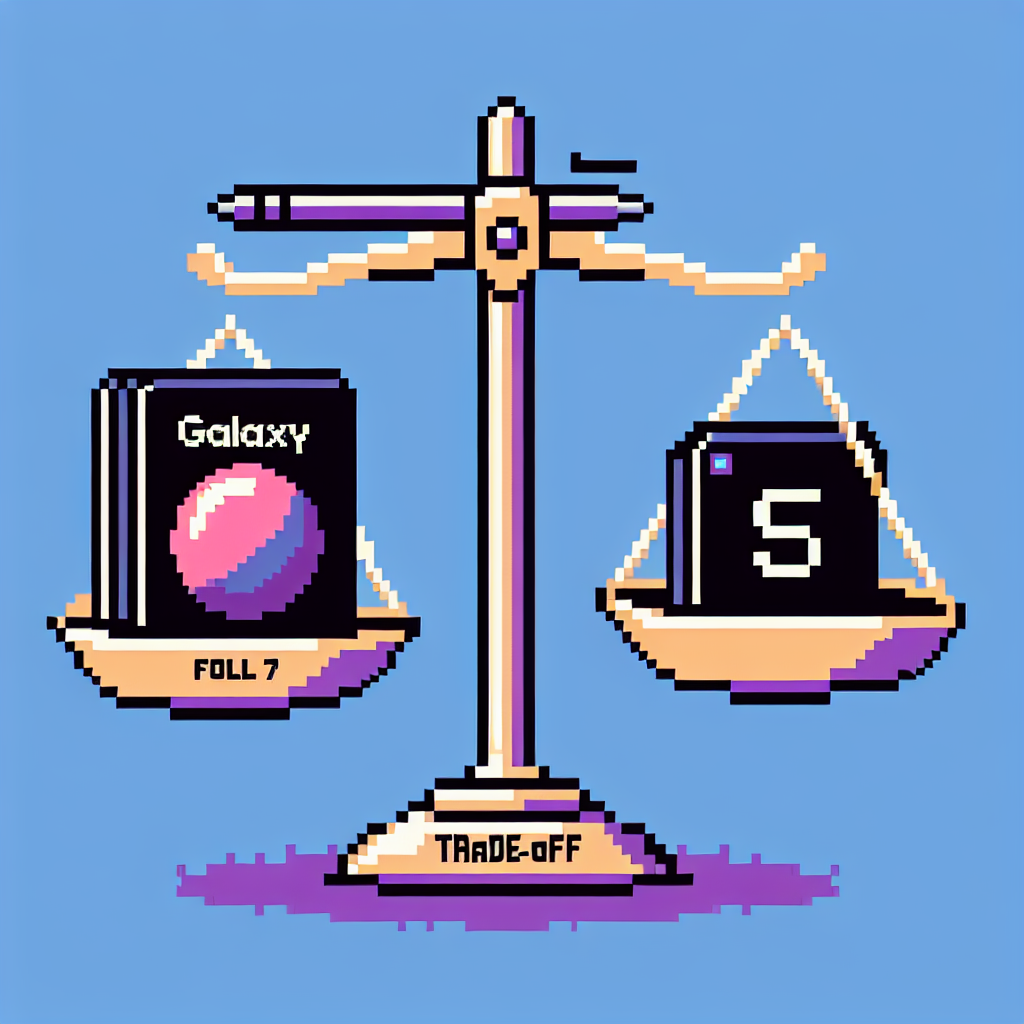
Samsung says you should think of Galaxy Z Fold 7 as a ‘trade-off’ as it reconsiders S Pen support – 9to5Google | Analysis by Brian Moineau

Samsung says you should think of Galaxy Z Fold 7 as a 'trade-off' as it reconsiders S Pen support - 9to5Google | Analysis by Brian Moineau

The Foldable Dilemma: Samsung’s Balancing Act with the Galaxy Z Fold 7

In the ever-evolving world of smartphones, trade-offs are as inevitable as the next big thing. Samsung's latest revelation about the Galaxy Z Fold 7 epitomizes this notion. The tech giant has decided to forgo the S Pen support in favor of a slimmer design. While some might find this a disappointing omission, it's a strategic move that mirrors broader trends and challenges in tech innovation.

A Tale of Two Features: Slimness vs. Functionality

Samsung's decision to prioritize a sleeker build over the inclusion of the S Pen underscores a significant shift in consumer electronics: the push for portability and aesthetic appeal. This choice invites users to consider what they truly value in a device. Is it the convenience of a digital pen, or the elegance and ease of a device that slips effortlessly into a pocket?

This isn't the first time we've seen such dilemmas. Apple's iPhone once faced backlash for removing the headphone jack. Yet, today, wireless earbuds are almost ubiquitous. It’s a testament to how initial resistance can evolve into acceptance, even appreciation, as new norms take hold.

The S Pen: More Than a Tool

The S Pen has been more than just an accessory for Samsung users. It's a symbol of creativity and productivity, a tool that transforms the way users interact with their devices. For artists, note-takers, and professionals, it's an extension of their digital toolkit. Losing it, even temporarily, can feel like a step back.

However, Samsung hints at a future where the S Pen might return to the foldable series. This suggests a continued commitment to innovation, where the company might find a way to reconcile the slim design with S Pen functionality. It’s a challenge of engineering and design that Samsung seems eager to tackle.

Global Trends and the Bigger Picture

Samsung's decision comes at a time when tech companies worldwide are grappling with similar questions of design versus functionality. For instance, automotive industries are now focusing more on aesthetics and sustainability, transitioning to electric vehicles that promise a blend of style and eco-friendliness. Similarly, wearable tech is moving towards minimalism, offering more features in smaller, sleeker packages.

Moreover, the global supply chain disruptions have forced companies to rethink priorities, often choosing to streamline production for efficiency over adding new features. It’s a delicate balance of innovation and practicality, much like what Samsung is attempting with the Galaxy Z Fold 7.

Final Thoughts

In the grand scheme of technological advancement, Samsung's "trade-off" is a reminder of the complex decisions that drive innovation. While some users may lament the temporary absence of the S Pen, others will appreciate the sleek design of the Galaxy Z Fold 7. It's a dance of progress where consumer feedback and technological possibilities must find harmony.

As we look to the future, the possibility of a Galaxy Z Fold that accommodates both a slim design and the beloved S Pen remains exciting. Until then, we can enjoy the current strides in foldable technology, knowing that the next breakthrough is just around the corner.

In the world of tech, trade-offs today often pave the way for tomorrow's triumphs. Samsung’s journey with the Galaxy Z Fold series is just one chapter in this ongoing story.

Read more about AI in Business

Read more about Latest Sports Trends

Read more about Technology Innovations

Store banner reveals Samsung Galaxy Z Fold7’s design, shows off its slender frame – GSMArena.com news – GSMArena.com | Analysis by Brian Moineau

Store banner reveals Samsung Galaxy Z Fold7's design, shows off its slender frame - GSMArena.com news - GSMArena.com | Analysis by Brian Moineau

The Evolution of Foldable Phones: A Glimpse into the Samsung Galaxy Z Fold7

It seems like just yesterday when flip phones were all the rage, a symbol of sleek technology and modern convenience. Fast forward to the present, and we've been swept into a new era of foldable phones, with the Samsung Galaxy Z Fold7 set to redefine our expectations yet again. This latest revelation from Samsung, as uncovered by a store banner, promises a device that's not just a technological marvel, but also a style statement.

Imagine holding a device that effortlessly transforms from a compact phone into a tablet. It's like carrying a piece of the future in your pocket. Samsung claims that the Z Fold7 will be the thinnest and lightest horizontal foldable yet. The thought of such a slender frame conjures images of a device that's not just about functionality but also about elegance. For those of us who remember the clunky first attempts at foldables, this is nothing short of revolutionary.

A few weeks ago, whispers in the tech community hinted that Samsung had sent out demo units of this sleek gadget. The excitement was palpable. It's not just about the specs; it's about the story these devices tell. The evolution from the first foldable screens, with their visible creases and hefty builds, to the refined design of the Galaxy Z Fold7, is a testament to how far technology has come in such a short time.

I remember my first encounter with a foldable smartphone. It felt like stepping into a sci-fi movie where gadgets could bend and twist without breaking. The initial models were fascinating, but undeniably bulky. Now, Samsung's promise of a lighter and thinner design makes me wonder how these advancements will impact the way we use our phones daily. Will we soon see foldables seamlessly replace the tablets and laptops we lug around?

The unveiling of the Samsung Galaxy Z Fold7 is more than just another product launch; it's a glimpse into the future of mobile technology. As we continue to blur the lines between phones and tablets, the role of these devices in our lives becomes increasingly integral. From streaming our favorite shows on the go to managing work tasks with ease, the potential is limitless.

Reflecting on this, I can't help but wonder what the next five years will bring. Will we see holographic displays, or perhaps phones that fold into wearable devices? The pace of innovation is exhilarating, and the Galaxy Z Fold7 is a beacon of what's possible when design meets technology.

In the end, it's not just about having the latest gadget; it's about how these innovations enhance our lives. The Samsung Galaxy Z Fold7 isn't just a phone; it's a statement of what's possible when we push the boundaries of technology. As we eagerly await its release, one thing is certain: the future of mobile technology is unfolding before our eyes, quite literally.

Read more about AI in Business

Read more about Latest Sports Trends

Read more about Technology Innovations

Nothing CEO says Apple no longer creative; smartphone future is a single app – 9to5Mac | Analysis by Brian Moineau

Nothing CEO says Apple no longer creative; smartphone future is a single app - 9to5Mac | Analysis by Brian Moineau

Title: The Future of Smartphones: A Single App and the End of Creativity?

In a world where technology evolves at a breakneck speed, the recent comments by Carl Pei, CEO of Nothing Technology, offer a thought-provoking perspective on the future of smartphones and the creative direction of industry giants like Apple. Pei's assertion that Apple is no longer a bastion of creativity and his vision of a future defined by a singular app is as bold as it is intriguing.

Apple's Creative Legacy: A Brief Reflection

For decades, Apple has been synonymous with innovation. From the Macintosh to the iPhone, the company has redefined entire industries. However, Pei's critique of Apple suggests a stagnation in their creative output, a sentiment that echoes among some tech enthusiasts and analysts. This perspective isn't isolated; even The New York Times has noted Apple's recent emphasis on iterative improvements rather than groundbreaking innovations.

Yet, it's essential to recognize the enormity of Apple's past contributions. Steve Jobs, with his visionary leadership, introduced products that didn't just meet existing needs but created new ones. The iPod revolutionized music consumption, and the iPhone did the same for mobile communication. Tony Fadell, the "father of the iPod" and a key investor in Nothing Technology, was instrumental in these innovations. His involvement in Nothing Technology adds an interesting layer to Pei's vision, perhaps indicating a desire to reignite the creative spark that once defined Apple.

The Single App Future: Utopian or Dystopian?

Pei's vision of a smartphone future dominated by a single app is both fascinating and controversial. Imagine a world where your smartphone becomes a portal to an all-encompassing digital experience, streamlining everything from communication to commerce. This idea aligns with current trends in app ecosystems, where super apps like WeChat in China offer a multitude of services within a single platform.

However, this future raises questions about diversity, competition, and user freedom. A single app ecosystem might stifle innovation and concentrate power in the hands of a few tech giants. It's reminiscent of concerns raised by experts about monopolistic tendencies in the tech industry, as seen in the antitrust cases against companies like Google and Facebook.

Connecting the Dots: A Global Perspective

Pei's comments come at a time when the technology industry is undergoing significant transformations. The rise of AI, as highlighted by OpenAI's breakthroughs with GPT models, is reshaping how we interact with technology. Meanwhile, companies like Tesla are pushing boundaries in the automotive industry, emphasizing the interconnectedness of innovation across sectors.

Moreover, Pei's critique of Apple's creativity invites a broader discussion on the role of startups and emerging companies in driving technological progress. As giants like Apple focus on refining their ecosystems, smaller players like Nothing Technology have the opportunity to challenge norms and push the envelope, much like how SpaceX has revolutionized the aerospace industry.

Final Thoughts: Embracing Change and Innovation

In conclusion, Carl Pei's remarks serve as a reminder of the ever-evolving nature of technology and the importance of fostering creativity and innovation. Whether or not Apple is still a creative powerhouse, the tech landscape is ripe for disruption and evolution. As consumers and enthusiasts, we can look forward to a future where new ideas and bold visions continue to shape our digital experiences.

As we navigate these changes, let's remain open to new possibilities and remember that creativity knows no bounds. Whether it's through a single app or a multitude of innovations, the future of technology promises to be as exciting as ever.

Read more about AI in Business

Read more about Latest Sports Trends

Read more about Technology Innovations

Samsung Galaxy S25 Edge Battery Test Results are out: not as bad as feared – PhoneArena | Analysis by Brian Moineau

Samsung Galaxy S25 Edge Battery Test Results are out: not as bad as feared - PhoneArena | Analysis by Brian Moineau

The Samsung Galaxy S25 Edge: A Battery Surprise That’s Not a Deal-Breaker

In the ever-evolving world of smartphones, where each device iteration promises to outshine its predecessor, the anticipation for the Samsung Galaxy S25 Edge was palpable. The tech community was buzzing, and the biggest question on everyone's mind was: would the Galaxy S25 Edge's smaller battery size be its Achilles' heel? Thankfully, recent battery test results shared by PhoneArena have put some of these fears to rest.

Battery Fears: More Bark Than Bite

When Samsung unveiled the Galaxy S25 Edge, the collective gasp from tech enthusiasts wasn't just about its sleek design or impressive camera capabilities. The concern was squarely focused on its smaller battery. With competing devices boasting ever-larger battery capacities, could the S25 Edge hold its own?

According to the recent tests, the answer is a resounding "yes." While the battery isn't setting any records, it performs admirably, offering respectable longevity that should keep most users satisfied throughout the day. This unexpected resilience is a testament to Samsung's optimization prowess. By fine-tuning software and hardware, they've managed to eke out every ounce of energy efficiency from the device, much like Apple has done with its iPhone series, often criticized for smaller batteries yet praised for their endurance.

A Broader Tech Landscape

The Galaxy S25 Edge's battery situation is a microcosm of a larger trend in technology: achieving more with less. As devices become more compact and powerful, manufacturers are constantly challenged to balance design, performance, and battery life. This equilibrium is reminiscent of the automotive industry, where electric vehicles are pushing boundaries in terms of range and efficiency, despite concerns about battery size and charging infrastructure.

Moreover, as the world becomes more environmentally conscious, the push for smaller, more efficient batteries aligns with global sustainability goals. Samsung's approach with the S25 Edge might well be a nod towards a future where tech companies prioritize not just performance, but also the planet.

Connecting the Dots: Tech and Beyond

It's fascinating to see parallels between the tech industry's challenges and those faced in other sectors. For instance, the fashion industry is grappling with similar issues of innovation and sustainability. Designers are increasingly tasked with creating eco-friendly clothing that doesn't compromise on style or quality. Just as Samsung has optimized the S25 Edge to perform beyond expectations, fashion brands like Stella McCartney are leading the charge in sustainable fashion, proving that eco-consciousness and high performance can coexist.

Final Thoughts

The Samsung Galaxy S25 Edge may not boast the largest battery on the market, but its performance suggests that sometimes, size isn't everything. In a world where efficiency and optimization are becoming key differentiators, this latest offering from Samsung is a reminder that thoughtful engineering can overcome initial skepticism. So, for those worried about battery life being a deal-breaker, rest easy. The Galaxy S25 Edge is more than capable of keeping you powered through your daily adventures, proving once again that good things often come in small packages.

Read more about AI in Business

Read more about Latest Sports Trends

Read more about Technology Innovations

I was wrong about the Google Pixel 9a – Android Authority | Analysis by Brian Moineau

I was wrong about the Google Pixel 9a - Android Authority | Analysis by Brian Moineau

**Title: Coming Around to the Google Pixel 9a: A Lesson in Embracing Change**

In the fast-paced world of technology, change is both inevitable and often met with skepticism. The Google Pixel 9a's new design is a textbook example of this phenomenon. Initially met with mixed reactions, the Pixel 9a has sparked months of debate among tech enthusiasts and casual users alike. Yet, like a fine wine, the design seems to be growing on us over time. As we navigate this unexpected turn of events, it’s worth exploring why this change isn’t as daunting as it first seemed.

### A Bold New Chapter for Google Pixel

When Google first unveiled the Pixel 9a, reactions were polarized. The design was a marked departure from its predecessors, boasting a sleek, modern aesthetic that some critics deemed too radical. However, what initially seemed like a departure from tradition is now being appreciated as a bold step forward. This shift mirrors the broader trend in the tech industry, where companies are increasingly willing to take risks to stand out in a crowded market.

The Pixel 9a's design, characterized by its minimalist lines and innovative use of materials, is reminiscent of Apple's transition with the iPhone X in 2017. At the time, the removal of the home button and introduction of the notch drew ire from consumers, but today, those changes are standard across many smartphones. It seems Google is taking a page out of Apple's playbook, and it's starting to pay off.

### Resisting Change: A Universal Experience

This hesitance towards change isn't confined to the tech world. Across various sectors, from fashion to automobiles, initial resistance often gives way to acceptance and even admiration. Consider the fashion industry's cyclical trends, where what was once considered outdated is suddenly chic again. Or think about the automotive industry, where electric vehicles were initially met with skepticism but are now increasingly embraced as the future of transportation.

The Pixel 9a's journey from controversial to commendable is a microcosm of our broader societal relationship with change. As humans, we are creatures of habit, and deviations from the norm can feel unsettling. Yet, as we've seen time and again, innovation often requires stepping outside of our comfort zones.

### Embracing the New Normal

As the dust settles and the initial shock subsides, the Pixel 9a is being recognized for its strengths. The design not only offers aesthetic appeal but also enhances functionality. The ergonomic feel, improved camera capabilities, and intuitive interface are winning over even the staunchest critics. This mirrors a pattern seen in other tech unveilings, such as Tesla's Cybertruck, which was initially mocked but has since found a solid fan base due to its futuristic design and functionality.

Moreover, the Pixel 9a's design reflects a growing trend towards sustainability in tech. With eco-friendly materials and energy-efficient components, Google is responding to the increasing demand for environmentally conscious products. This aligns with global movements towards sustainability, echoing the sentiment seen in recent global climate initiatives.

### Final Thoughts

The Google Pixel 9a's journey from controversial to commendable is a reminder of the power and potential of change. As consumers, we are often hesitant to embrace the new, but sometimes, a fresh perspective is precisely what we need. Whether it's in technology, fashion, or any other aspect of life, change can be a catalyst for improvement and innovation.

In the grand scheme, the Pixel 9a’s design evolution is a testament to Google's commitment to pushing boundaries and redefining norms. As we continue to engage with and adapt to new technologies, let's remain open to the possibilities that change can bring. After all, today's controversy might just be tomorrow's new normal.

Read more about AI in Business

Read more about Latest Sports Trends

Read more about Technology Innovations