Debt Burden Shifts Costs to Younger | Analysis by Brian Moineau

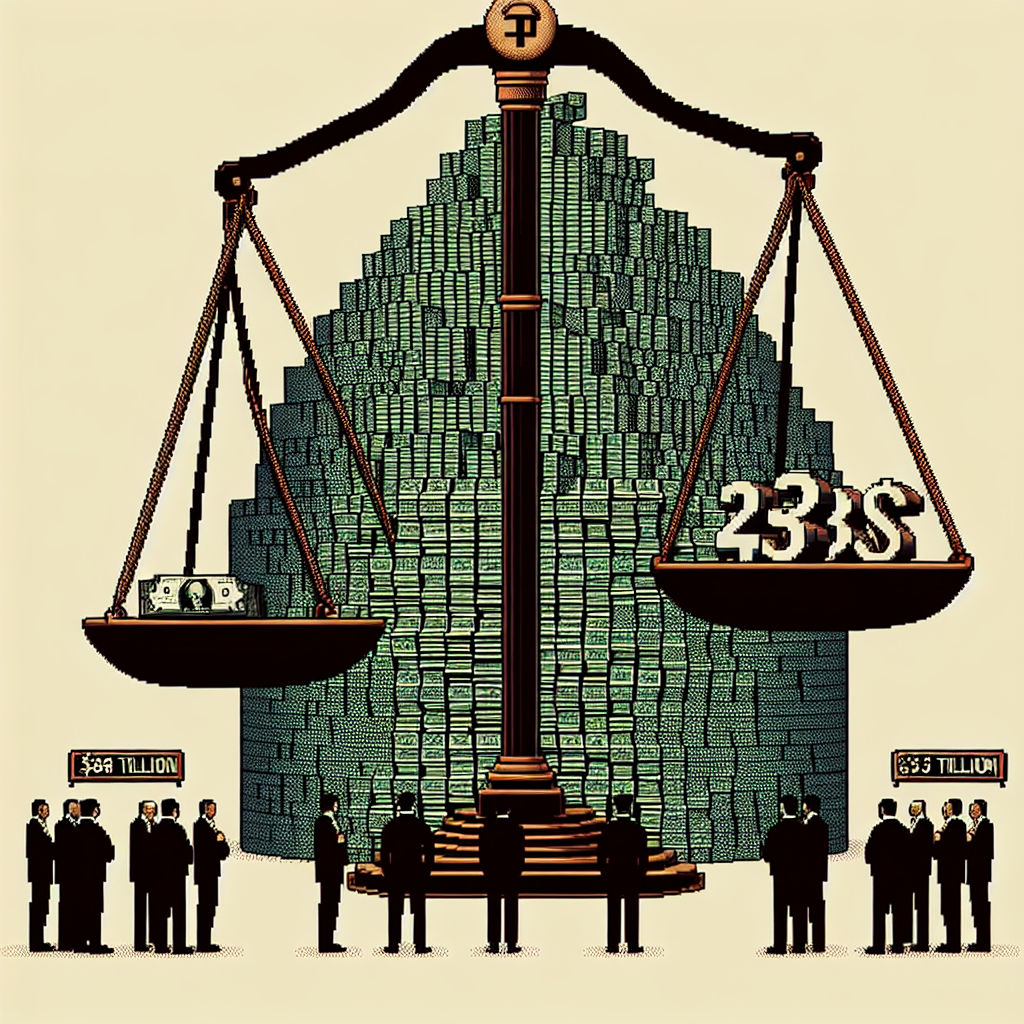
When $38 Trillion Isn’t Just a Number: How America’s Debt Could Tip the Generational Scales

We love big round numbers until they start deciding our futures. $38 trillion is one of those numbers — headline-grabbing, slightly abstract, but increasingly real for anyone trying to buy a home, save for college, or imagine retirement. A recent think‑tank note picked up by Fortune warns that America’s mounting national debt won’t fall evenly across the population: it will weigh on younger generations the most. That warning deserves a closer look.

A quick, human-sized snapshot

  • The U.S. federal debt has crossed the $38 trillion mark in 2025, a milestone reached faster than many expected. (fortune.com)
  • Rising interest costs are already a major budget item; they threaten to crowd out spending on education, infrastructure, research — things that boost long‑term prosperity. (fortune.com)
  • Jordan Haring, director of fiscal policy at the American Action Forum, warns that these developments exacerbate generational imbalances, shifting costs onto millennials, Gen Z, and future workers. (fortune.com)

Why generational imbalance matters (and why this isn’t just political theater)

Think of the federal budget like a household budget that’s borrowed to stay comfortable. When debt servicing (interest) grows, less is left for investments that raise future incomes — schools, roads, basic research, child care supports. The American Action Forum’s analysis, cited in Fortune, makes three linked points:

  • Higher interest costs mean a bigger share of tax dollars goes to past borrowing instead of future growth. (fortune.com)
  • Demographic trends (aging population, lower birth rates) increase pressure on entitlement spending while shrinking the relative size of the workforce that finances those promises. (fortune.com)
  • If policymakers don’t change course, younger cohorts will face either higher taxes, reduced benefits, or both — plus slower wage growth if public and private investment is crowded out. (fortune.com)

That dynamic creates a policy trap: politically powerful older voters push to preserve benefits earned under prior rules, while younger voters—who will carry the fiscal burden—have less political leverage today.

The mechanics: how debt becomes a generational problem

  • Interest and crowding out
    As the debt rises, interest payments climb. Those dollars are fungible: every extra dollar to interest is a dollar not available for things that foster growth. Over time, that constraints opportunity for younger workers. (pgpf.org)

  • Demographics and entitlement pressure
    Medicare and Social Security scale with an aging population. With fewer workers per retiree, the math becomes harder: either taxes go up or benefits are trimmed — both outcomes bite future generations. (fortune.com)

  • Market reactions and macro risks
    If debt grows faster than the economy for long, lenders demand higher yields; that raises borrowing costs across the economy (mortgages, business loans), slowing growth and wages — again, a heavier share of the pain lands on those just starting their careers. (fortune.com)

Contrasting views and caveats

  • Not everyone frames the problem the same way. Some economists emphasize growth, inflation dynamics, or monetary policy as the bigger risk drivers rather than demographics alone. High public debt is a vulnerability, but timing and severity of consequences depend on policy responses and macro conditions. (fortune.com)

  • The American Action Forum is a conservative-leaning think tank; critics have disputed past estimates and assumptions. That doesn’t negate the underlying concern — high debt creates constraints — but it does mean projections depend heavily on assumptions about growth, interest rates, and future policy. (fortune.com)

What policy options could ease the burden?

  • Slow debt growth through a mix of spending restraint and revenue measures, ideally spread across program areas so the cost is shared rather than concentrated. (pgpf.org)
  • Re-target or reform entitlement rules to stabilize long‑term obligations (gradual retirement‑age adjustments, means‑testing, or benefit formula tweaks). (fortune.com)
  • Invest in growth-enhancing priorities (education, infrastructure, research) to raise future GDP and improve the debt-to-GDP picture without purely austerity‑style measures. (fortune.com)

None of these are politically painless. Each redistributes costs across time, income groups, or generations — which is why agreement is hard to come by.

What young people (and their allies) should watch for

  • Budget tradeoffs: are rising interest payments displacing education and infrastructure? (pgpf.org)
  • Tax policy design: whether reforms are progressive or regressive will determine who bears new burdens. (fortune.com)
  • Long-term commitments: look at whether short-term fixes are crowding out durable solutions that protect future generations’ economic mobility. (fortune.com)

A few practical questions worth asking policymakers

  • How will proposed fiscal plans change debt trajectories over the next 10–30 years?
  • Which public investments are being prioritized or cut as interest costs rise?
  • Do revenue measures shift the burden toward future workers or distribute it more evenly across incomes and ages?

My take

Numbers like $38 trillion can feel distant, but the policy choices we make now determine whether that sum acts as a drag on future opportunity or a problem we responsibly manage. The American Action Forum’s warning — that younger Americans will disproportionately shoulder the cost — is persuasive in its logic even if specific projections vary. If we want a fairer fiscal future, conversations about debt can’t remain technocratic sidebar arguments; they must center the people who will live with the bill longest.

Sources


Related update: We recently published an article that expands on this topic: read the latest post.



Related update: We recently published an article that expands on this topic: read the latest post.


Related update: We recently published an article that expands on this topic: read the latest post.

Claiming Social Security Early: A Smart | Analysis by Brian Moineau

Why Waiting to Claim Social Security Might Not Be Worth It

Have you ever found yourself wondering whether you should wait until age 70 to start claiming your Social Security benefits? You’re not alone. Many people grapple with this decision, often swayed by the lure of larger monthly checks. But as highlighted in a recent Wall Street Journal article, “Why Delaying Your Social Security Benefits May Not Make Sense,” there’s much more to this story than meets the eye. Let’s dive into the nuances of Social Security timing and why it might be beneficial to claim earlier than you think.

Understanding Social Security Benefits

Social Security is a crucial part of retirement planning for many Americans. You may know that you can start receiving benefits as early as age 62, but the longer you wait, the higher your monthly payment will be. Delaying benefits until age 70 can yield an increase of up to 76% compared to claiming at age 62. This has led to a common belief that waiting is the best option, particularly for those who expect to live into their 80s or beyond.

However, as the Wall Street Journal points out, most people don’t actually wait until age 70. In fact, many claim benefits before reaching that age, and for good reason. Factors such as personal health, financial needs, and lifestyle preferences can heavily influence this decision.

The Big Picture: Life Expectancy and Financial Needs

While a longer wait might seem financially savvy, it’s important to consider the reality of life expectancy and individual circumstances. The average life expectancy in the U.S. has been gradually increasing, but it’s not the same for everyone. Health issues, family history, and even lifestyle choices can dramatically affect how long one might live. If you have a family history of health problems or if you’re experiencing health issues of your own, starting benefits earlier might make more sense.

Moreover, many retirees face immediate financial needs that require them to tap into Social Security benefits sooner rather than later. This is especially true for those who are not able to continue working or who have fixed incomes. Delaying benefits could mean missing out on years’ worth of payments that could provide essential support.

Key Takeaways

Claiming Early vs. Delaying: Most people do not wait until age 70 to claim Social Security, and many have valid reasons for claiming earlier.

Financial Needs Matter: Personal financial situations can necessitate claiming benefits sooner than later, especially if you have immediate expenses or are unable to work.

Health is a Factor: Individual health circumstances can significantly impact life expectancy and, consequently, the decision of when to claim benefits.

The Bigger Picture: It’s essential to consider your personal circumstances, rather than just focusing on maximizing monthly payments.

Consult a Financial Advisor: Before making a decision, consider discussing your options with a financial advisor to tailor a strategy that fits your specific needs.

Conclusion: Timing Is Everything

Deciding when to claim Social Security benefits is not a one-size-fits-all proposition. While waiting might yield higher monthly payments, factors such as health, financial needs, and personal circumstances can make claiming earlier a more sensible option for many.

The key takeaway? Don’t let the allure of a larger check at age 70 overshadow your current needs and reality. Take a holistic view of your situation, and don’t hesitate to reach out for professional advice. After all, retirement should be about enjoying life, not stressing over financial strategies.

Sources

– Wall Street Journal: “Why Delaying Your Social Security Benefits May Not Make Sense” (link not available)

By understanding the intricacies of Social Security benefits, you can make an informed decision that aligns with your goals and needs. Remember, it’s not just about the numbers; it’s about your quality of life in retirement.


Related update: We recently published an article that expands on this topic: read the latest post.


Related update: We recently published an article that expands on this topic: read the latest post.

Social Security Payment Cuts Hit in July: Some Will See 50% Smaller Checks – Fingerlakes1.com | Analysis by Brian Moineau

Social Security Payment Cuts Hit in July: Some Will See 50% Smaller Checks - Fingerlakes1.com | Analysis by Brian Moineau

Navigating the Storm: Understanding July 2025 Social Security Payment Cuts

As the summer of 2025 rolls in, Social Security recipients across the United States are bracing for a wave of reduced payments. Yes, you read that right—starting in July, some beneficiaries might be seeing a startling 50% cut in their checks. It's a headline that demands attention, but before you hit the panic button, let's dive into the details with a light-hearted touch and a bit of perspective.

Who’s Affected?


First off, not everyone is in the same boat. The cuts are primarily hitting those who are already receiving higher-than-average payments, thanks to previous overpayments or recalculations. It's a bit like when you discover your favorite coffee shop has been giving you extra-large lattes for the price of a regular. Eventually, the barista catches on, and reality sets in. While this may feel like a jarring wake-up call, it's targeted adjustments rather than across-the-board slashes.

Why Is This Happening?


The why can be traced back to budgetary constraints and recalibrations within the Social Security Administration. With an aging population and increased longevity, the system is under pressure to sustain itself. This isn't a new story—it's been an ongoing narrative as policymakers grapple with the balance between providing for today’s retirees and ensuring the system’s longevity for future generations. It's similar to managing a family budget where suddenly, everyone's tastes have become a bit too gourmet for the wallet.

How to Appeal


For those who find themselves on the receiving end of these cuts, there is a light at the end of the tunnel—an appeals process. Recipients can challenge the recalculated amounts if they believe there has been an error. Think of it as giving a second chance to that online order that arrived two sizes too small. Detailed guidance will be provided by the Social Security Administration, making sure that everyone has an opportunity to present their case.

Connecting the Dots


This shake-up in Social Security is not happening in isolation. Around the globe, countries are re-evaluating their social welfare programs in response to economic pressures and demographic shifts. In the UK, for instance, the government has been adjusting pension ages and contributions, sparking intense debate. Meanwhile, Japan, with one of the world’s oldest populations, is pioneering innovative solutions to support its elderly citizens. These global movements underscore a shared challenge—how to maintain social safety nets in changing times.

A Final Thought


As we navigate these changes, it's important to remember that adaptability and resilience are key. While reduced payments are undoubtedly a challenge, they also serve as a reminder of the importance of financial planning and advocacy. Staying informed, proactive, and engaged with policymakers can help shape the future of social security systems not just in the U.S., but worldwide.

In the grand tapestry of economic and social policy, these changes are but one thread. Yet, they offer an opportunity for awareness and action, ensuring that the system remains robust for those who depend on it today, and those who will in the years to come.

And remember, even amidst the toughest financial news, there’s always room for a little humor. After all, nothing quite says "I'm cutting back" like half a latte!

Read more about AI in Business

Read more about Latest Sports Trends

Read more about Technology Innovations

DOGE Is Coming for Your Social Security, States Prepare to Sue – Gizmodo | Analysis by Brian Moineau

DOGE Is Coming for Your Social Security, States Prepare to Sue - Gizmodo | Analysis by Brian Moineau

**Title: When Meme Coins Meet Bureaucracy: The DOGE-Driven Drama Unfolding**

In the ever-evolving world of cryptocurrency, the line between the absurd and the revolutionary often blurs. Enter DOGE, the meme-inspired cryptocurrency that has captured imaginations and wallets alike. According to a recent Gizmodo article, "DOGE Is Coming for Your Social Security, States Prepare to Sue," things are heating up as Elon Musk's team makes moves that are raising eyebrows—and legal challenges—across various agencies.

**The DOGE Dilemma**

It was all fun and games when DOGE was just the Shiba Inu meme that became a digital currency. But now, with Musk's group reportedly pushing DOGE into more formal financial spaces, states are starting to get nervous. The idea of a meme coin being involved in something as serious as social security is enough to make anyone do a double take. While the specifics of how DOGE could intertwine with such systems weren't fully detailed, the prospect alone has been enough to stir legal waters.

**Elon Musk: The Ringmaster of the Crypto Circus**

Elon Musk, the enigmatic billionaire and tech mogul, seems to thrive in chaos and controversy. Whether he's launching rockets with SpaceX, revolutionizing electric cars with Tesla, or sending Dogecoin's value on a rollercoaster ride with a single tweet, Musk is no stranger to making headlines. His involvement with DOGE has been particularly notable, with his tweets alone often causing dramatic spikes or dips in the coin's value.

Musk's influence over DOGE has drawn both admiration and criticism. On one hand, he's made cryptocurrency accessible and fun for the masses; on the other, his unpredictable whims can destabilize markets. His apparent push to integrate DOGE into more structured systems is yet another bold, albeit contentious, move in his playbook.

**Crypto and the Broader Picture**

The drama surrounding DOGE and social security isn't happening in a vacuum. The entire cryptocurrency landscape is undergoing significant shifts. Governments worldwide are grappling with how to regulate digital currencies, while central banks are exploring their own digital options. For instance, China's digital yuan and the European Central Bank's digital euro are both responses to the crypto craze, aiming to harness the benefits of digital currency while maintaining regulatory oversight.

Furthermore, the United States has been seeing a surge in discussions around cryptocurrency regulation. The Securities and Exchange Commission (SEC) has been particularly active, with Chairman Gary Gensler frequently emphasizing the need for comprehensive regulatory frameworks to protect investors and maintain market integrity.

**A Lighthearted Look at a Serious Subject**

While the idea of DOGE meddling with social security might sound like the plot of a satirical novel, it highlights the real and urgent need for clarity in the crypto space. It's a reminder that as technology evolves, so too must our laws and societal structures. The comedic nature of DOGE's origins doesn't negate the serious implications of its integration into mainstream systems.

In the words of the late Douglas Adams, author of "The Hitchhiker's Guide to the Galaxy," "Don't Panic." The world of cryptocurrency might feel chaotic and unpredictable, but it's also filled with potential and innovation. As states prepare to sue and legal teams gear up for battle, one can't help but watch with a mix of amusement and anticipation.

**Final Thought**

As this saga unfolds, remember that the world of cryptocurrency is still in its early days. Mistakes will be made, lessons will be learned, and hopefully, a balanced approach will emerge that harnesses the benefits of digital currencies while safeguarding vital societal structures. In the meantime, keep your digital wallets close and your sense of humor closer—because in the world of DOGE, anything is pawsible.

Read more about AI in Business

Read more about Latest Sports Trends

Read more about Technology Innovations