Southwest’s New Policy Spurs Travel Loss | Analysis by Brian Moineau

“A betrayal”: Southwest’s new plus-size rule and the passengers it sidelines

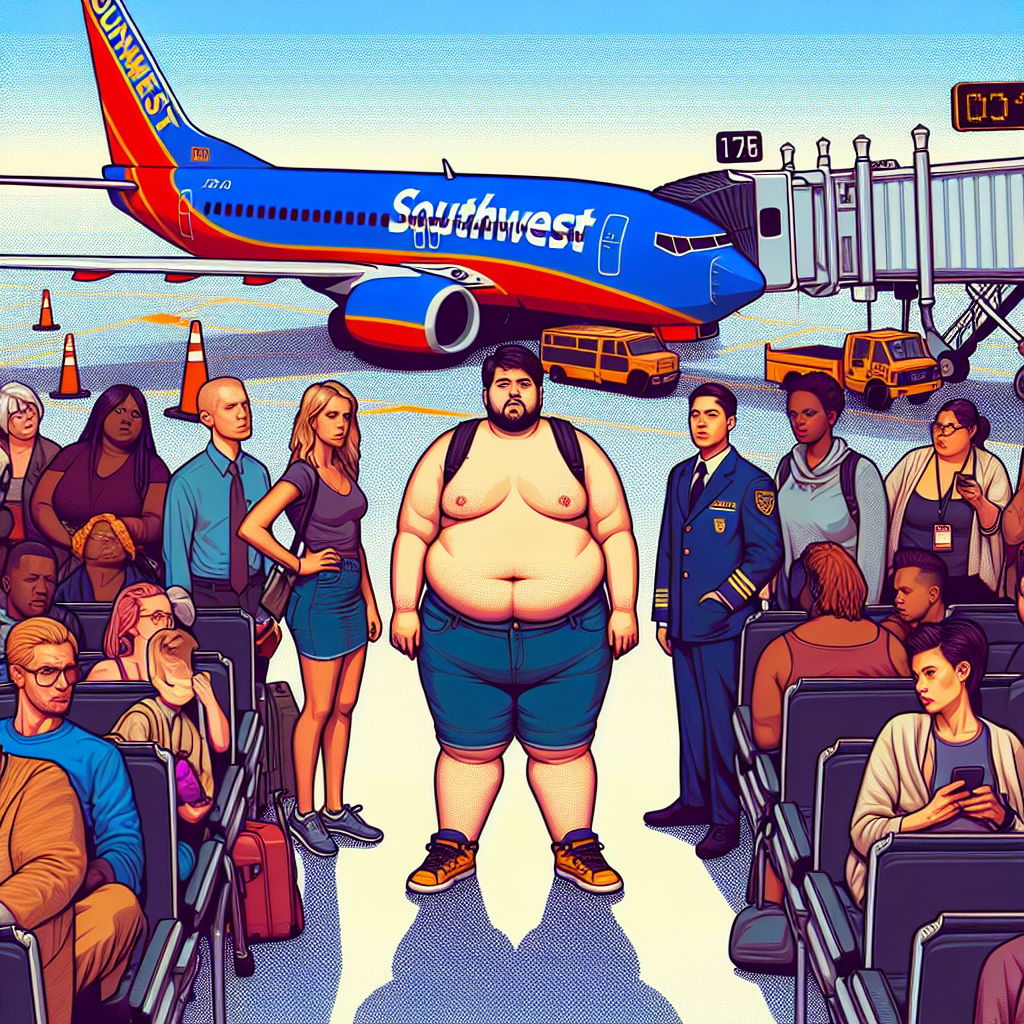
Southwest Airlines has built a brand on being the friendly, affordable airline that makes travel feel a little easier. Which is why the recent change in its “Customer of Size” policy — requiring travelers who need more than one seat to buy the adjacent seat at booking rather than relying on a last-minute accommodation — hit so many loyal customers like a gut punch. For some regulars, it isn’t just an inconvenience: it’s a decision that shrinks their ability to travel at all.

Why this feels personal

  • The policy change goes into effect January 27, 2026 — the same day Southwest abandons its decades-old open-seating approach and adopts assigned seats.
  • Under the previous practice, plus-size travelers who needed an extra seat could request one at the gate and often receive a refund afterward if space allowed.
  • Now, travelers who “encroach upon the neighboring seat(s)” are asked to proactively purchase the adjacent seat when booking. Refunds are allowed only if specific conditions are met (the flight had at least one open seat, both seats were in the same fare class, and the passenger requests the refund within 90 days).

That mixture of ambiguity (what exactly counts as “encroaching”) and financial risk (pay now, maybe get money back later) is what’s driving the anger and the sense of betrayal among longtime Southwest customers.

The human impact

  • For some travelers, buying two seats doubles the cost of a trip — suddenly making family visits, medical travel, or business trips unaffordable.
  • The change shifts the burden onto individuals who already face stigma and logistical barriers when they travel.
  • Because refunds depend on the flight’s occupancy at departure, travelers can’t know in advance whether they’ll get their money back. That uncertainty pressures people to either pay upfront or gamble on being rebooked — an untenable choice for many.

You can see why advocacy groups and regular flyers call the move “fatphobic” or discriminatory in practice. Even if the airline frames it as operational fairness (ensuring every passenger has the seat they purchased), the outcome disproportionately affects a marginalized group.

The broader context

This policy isn’t happening in a vacuum. Southwest has been reshaping its product and revenue model throughout 2025–2026:

  • It ended the open-seating tradition and introduced assigned seating.
  • It rolled out new fare tiers and seat types (Standard, Preferred, Extra Legroom).
  • Starting in 2025, Southwest began charging for checked bags on many fares — a major departure from its historic “two free bags” perk.

Those changes reflect a strategic pivot toward the commercial norms of legacy carriers: more segmentation, more ancillary fees, and more ways to upsell. For investors, that can look like maturation and profit optimization; for some customers, it feels like losing the airline’s original promise.

Practical questions the policy raises

  • How will “encroaching” be measured? Southwest refers to the armrest as the boundary and reserves discretion for staff; that leaves room for inconsistent application.
  • What happens if a traveler buys a seat and it’s later assigned to someone else as a standby or reissued? Reports suggest confusion and inconsistent refunds have already surfaced in some cases.
  • Will crews be trained and supported to handle emotionally charged interactions when a passenger is asked to buy an extra seat at the gate or be rebooked?

These are operational details that will determine whether the policy functions as a polite nudge toward fairness or as a recurring source of conflict and exclusion.

Perspectives around the change

  • Supporters say the rule is reasonable: if a passenger truly needs more space, paying for two seats treats them like any other customer who buys multiple seats and prevents disputes over who’s entitled to what.
  • Critics counter that the policy ignores systemic issues — from seat width standards to social stigma — and imposes additional cost and humiliation on people who may already avoid travel because of these barriers.

The airline’s stated intent is to “ensure space” and align policies with assigned seating. But intent and impact are different things, and for people whose mobility and livelihood depend on accessible—and affordable—air travel, the impact is what matters.

What travelers can do now

  • If you or a traveling companion might need an extra seat, consider purchasing it at booking to avoid last-minute gate pressure.
  • Keep documentation and fare class parity if you hope to qualify for a post-travel refund (and request the refund within the stated 90 days).
  • When possible, pick flights with lower expected loads or times that historically have less demand; refunds depend on open seats at departure.

None of these are ideal fixes — they’re stopgap tactics while customers and advocates push for clearer, fairer approaches.

A few fast takeaways

  • Southwest’s policy, effective Jan 27, 2026, requires advance purchase of adjacent seats for passengers who “encroach” on neighboring seats; refunds are limited and conditional.
  • The change coincides with Southwest’s shift to assigned seating and other revenue-driven reforms.
  • The policy creates financial and emotional burdens for plus-size flyers and leaves significant operational ambiguity.

My take

This feels like a classic clash between operational clarity and human dignity. Airlines need clear rules to run safe, predictable operations — but rules should be designed with empathy and equity. Requiring upfront payment for an extra seat is administratively tidy, but when the policy disproportionately reduces access for a vulnerable group, it risks crossing from practical to punitive.

If Southwest wanted to uphold both operational integrity and inclusion, it could publish clear, objective criteria (rather than discretionary ones), offer a straightforward refund guarantee when an airline cancels or reassigns seats, and couple the policy with investments in brighter, wider cabin options over time. Otherwise, the airline may gain short-term predictability while losing the loyalty of travelers who helped define its identity.

Sources


Related update: We recently published an article that expands on this topic: read the latest post.
FRONTIER, AMERICA’S LOW FARE AIRLINE, COMMITS TO BEING THE #1 LOW FARE CARRIER IN THE TOP 20 U.S. METROS – Frontier Airlines | Analysis by Brian Moineau

FRONTIER, AMERICA’S LOW FARE AIRLINE, COMMITS TO BEING THE #1 LOW FARE CARRIER IN THE TOP 20 U.S. METROS – Frontier Airlines | Analysis by Brian Moineau

Flying High on a Budget: Frontier Airlines’ Ambitious Plan to Conquer the Skies

In a world where frugality often feels like a forgotten virtue, Frontier Airlines is stepping up to remind us that affordable travel is not just a dream but a mission. Announced on August 26, 2025, Frontier Airlines, trading under Nasdaq: ULCC, has set its sights on becoming the number one low-fare carrier in the top 20 U.S. metro areas. With an audacious plan to add 20 new routes, Frontier is not only expanding its wings but also pledging to keep our wallets from feeling too light.

The Frontier Spirit: Low Fares, High Hopes

Frontier Airlines, headquartered in Denver, Colorado, has long been known as the go-to airline for budget-conscious travelers. But what does it mean to commit to being the top low-fare carrier in the biggest metro areas across the United States? Essentially, it’s a promise to provide accessible air travel without compromising on the essentials. The airline plans to achieve this by slashing unnecessary frills and focusing on what truly matters to travelers: getting from point A to point B safely and affordably.

The move comes at a time when the aviation industry is bouncing back from the depths of the COVID-19 pandemic. With more people eager to travel, airlines like Frontier are capitalizing on pent-up demand and a renewed enthusiasm for exploration. According to the International Air Transport Association (IATA), global air travel is expected to fully recover to pre-pandemic levels by 2024, making Frontier’s timing both strategic and opportune.

A Competitive Sky

The race to dominate the low-fare market is nothing short of fierce. With competitors like Spirit Airlines and Southwest Airlines also vying for budget travelers, Frontier’s strategy will need to be as nimble as it is bold. In fact, the recent merger between Spirit and JetBlue has made headlines, shaking up the low-cost carrier landscape and pushing Frontier to up its game.

But Frontier seems ready for the challenge. The airline’s CEO, Barry Biffle, has been vocal about the importance of maintaining low costs while expanding the network. This approach not only attracts cost-conscious flyers but also builds loyalty in a market where price often trumps brand allegiance.

Global Connections

Frontier’s expansion is part of a larger trend of democratizing air travel across the world. In Europe, for instance, Ryanair and EasyJet have successfully made air travel accessible to millions by perfecting the low-cost model. Meanwhile, in Asia, airlines like AirAsia have revolutionized the way people think about flying on a budget. Frontier’s commitment to affordability aligns with this global shift, emphasizing that air travel should not be a luxury, but a possibility for all.

Final Thoughts: The Sky’s the Limit

Frontier Airlines’ bold commitment to being the top low-fare carrier in the top 20 U.S. metros is more than just a business move—it’s a declaration of intent to make travel accessible to everyone. In a world that often feels divided, the ability to explore new places and connect with others is invaluable. Whether you’re a seasoned traveler or someone just dipping their toes into the world of air travel, Frontier is making sure the sky truly is the limit, without breaking the bank.

So, next time you’re planning a getaway, consider the little airline that could. Who knows? With Frontier’s expanding reach, your dream destination might just be a ticket away—at a price that leaves room in your budget for a few extra souvenirs. Safe travels!

Read more about AI in Business

Read more about Latest Sports Trends

Read more about Technology Innovations


Related update: We recently published an article that expands on this topic: read the latest post.
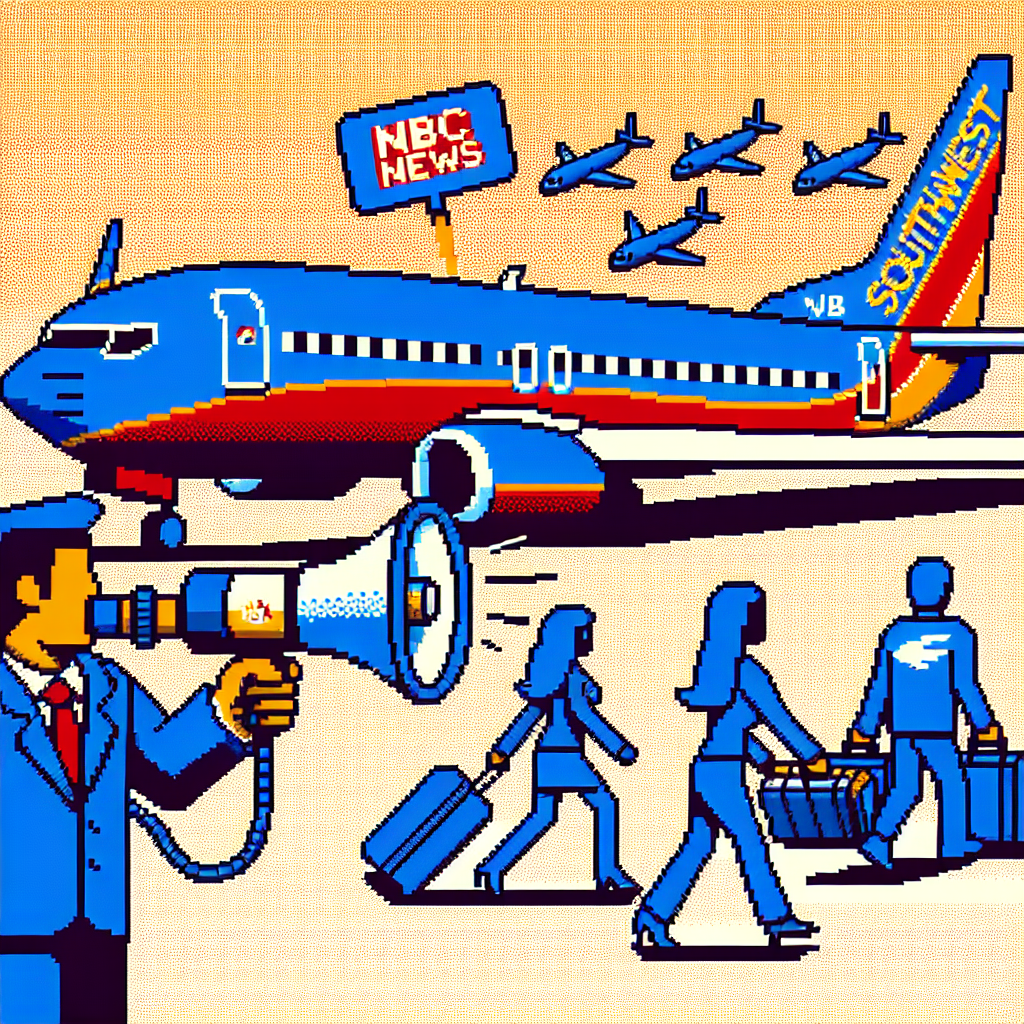
Southwest Airlines’ new policy will affect plus-size travelers. Here’s how – ABC News | Analysis by Brian Moineau

Southwest Airlines' new policy will affect plus-size travelers. Here's how - ABC News | Analysis by Brian Moineau

Flying High: Navigating the Skies with Southwest Airlines' New Policy

Ah, the joy of air travel. The thrill of soaring above the clouds, the delight of tiny complimentary snacks, and now, the latest wrinkle in the flight plan: Southwest Airlines' new policy for plus-size travelers.

In a move that's already creating quite a buzz, Southwest Airlines has announced that passengers who are unable to fit within the armrests of a single seat will be required to purchase an additional seat in advance. This policy is designed to ensure comfort and safety for all passengers, but it's also sparking conversations about fairness, inclusivity, and the ever-evolving landscape of air travel.

Navigating the Skies: A Balancing Act

Southwest's decision comes at a time when airlines are continually striving to balance passenger comfort with operational efficiency. The topic of space on airplanes has been a hot-button issue for years, as airlines have faced criticism for shrinking seat sizes while increasing passenger loads. The International Air Transport Association (IATA) has long advocated for standard seat dimensions to ensure passenger comfort, yet airlines often have the final say.

This new policy from Southwest may seem like a step backward to some, but the airline argues that it is necessary for ensuring all passengers have a comfortable and safe experience. It's worth noting that Southwest has long been known for its customer-friendly policies, including no change fees and free checked bags, which sets it apart from many of its competitors. This new policy, though, puts them in line with several other airlines that have similar requirements, such as American Airlines and Delta.

A Wider Context: Inclusivity in Travel

The broader discussion of inclusivity in travel is not limited to the skies. Across the globe, industries are grappling with how to accommodate people of all sizes and abilities. For instance, the fashion industry has been making strides by introducing plus-size models and more inclusive clothing lines. Similarly, theme parks like Disney have been updating their ride designs to accommodate larger guests.

This shift towards inclusivity is crucial, but it also highlights the challenges businesses face in implementing these changes. Companies must balance financial realities with the moral imperative to be inclusive. Southwest's new policy is a reminder of the ongoing struggle to find this equilibrium.

Soaring Forward: The Future of Air Travel

As we navigate these skies of change, it’s important to remember that air travel, like any other industry, is in a constant state of evolution. Policies will continue to adapt as societal norms shift and as we all strive for a more inclusive world.

While Southwest’s policy may be a point of contention for some, it also serves as a catalyst for broader discussions about inclusivity, comfort, and fairness. As travelers, we should remain engaged in these conversations, advocating for policies that respect and accommodate everyone.

Final Thoughts

As we pack our bags and head to the airport, let’s keep in mind that the skies belong to all of us. Whether you're a frequent flyer or an occasional traveler, each journey is a chance to reflect on how we can make the world a more welcoming place for everyone. Who knows? Maybe the next time you're wedged between two armrests, you'll be inspired to launch the next big idea in inclusive travel. Until then, happy flying!

Read more about AI in Business

Read more about Latest Sports Trends

Read more about Technology Innovations

Spirit Airlines raises doubts about its ability to stay in business, months after exiting bankruptcy – CNN | Analysis by Brian Moineau

Spirit Airlines raises doubts about its ability to stay in business, months after exiting bankruptcy - CNN | Analysis by Brian Moineau

Navigating Turbulence: The Bumpy Flight of Spirit Airlines

In the often unpredictable world of aviation, Spirit Airlines finds itself in a precarious situation, echoing the turbulence faced by airlines worldwide. Just months after emerging from the shadow of bankruptcy, Spirit is once again grappling with significant financial challenges, raising doubts about its ability to continue flying high. The airline's recent warning about "going-concern" uncertainties highlights a rough patch amid weak domestic demand and dwindling cash reserves. Let's delve into the current state of Spirit Airlines and draw some parallels to broader industry trends and global happenings.

The Spirit of Resilience

Emerging from bankruptcy is akin to a phoenix rising from the ashes. For Spirit Airlines, this rebirth was supposed to be a new chapter of stability and growth. Yet, the current economic climate has thrown a wrench into those plans. With domestic travel demand not rebounding as expected and operational costs soaring, Spirit is feeling the squeeze. It's a reminder of the aviation industry's vulnerability to external shocks, from economic downturns to fluctuating oil prices and shifting consumer preferences.

Connecting the Dots: Global Aviation Challenges

Spirit's struggles are not happening in isolation. The global aviation industry is navigating a perfect storm of challenges. The COVID-19 pandemic was a seismic event that grounded fleets worldwide, and even as travel restrictions ease, the recovery has been uneven. Airlines are grappling with pilot shortages, increased fuel prices, and changing consumer behaviors. The rise of remote work has altered business travel dynamics, while leisure travel, though recovering, is subject to economic uncertainties.

For instance, British Airways recently faced a summer of discontent with IT failures and staffing shortages disrupting operations. Similarly, American Airlines has been under the microscope for its operational hiccups and customer service woes. These issues underscore the broader industry trend: airlines are in a race to adapt to a new normal, balancing cost-cutting measures with the need to invest in infrastructure and technology.

Spirit in the Context of Competition

Spirit Airlines has long been known for its ultra-low-cost business model, appealing to budget-conscious travelers with no-frills service. However, the very model that attracted passengers in a pre-pandemic world now faces scrutiny. As travelers increasingly demand flexibility and enhanced safety measures, Spirit must evolve to stay competitive. The airline's struggles offer a microcosm of the broader challenge faced by low-cost carriers in a post-pandemic world.

Competitors like Southwest Airlines and JetBlue have also faced their share of challenges but have leveraged customer loyalty and strategic partnerships to maintain stability. JetBlue's recent acquisition of Spirit, which has been a topic of much industry chatter, could be a lifeline for Spirit, offering synergies and expanded market reach.

Lessons from Other Industries

Spirit's financial turbulence is not unique to aviation. The retail industry, for example, has seen giants like JCPenney and Neiman Marcus navigate bankruptcy proceedings, only to emerge and face fresh challenges in a transformed market landscape. The key takeaway? Adaptability and innovation are crucial for survival. Whether it's airlines or retail, businesses must remain agile, embracing digital transformation and understanding shifting consumer expectations.

Final Thoughts

Spirit Airlines' journey is emblematic of the broader challenges facing industries worldwide. As the airline navigates this period of uncertainty, its fate will depend on strategic decisions and adaptability to changing market conditions. Amidst the turbulence, there's an opportunity for Spirit—and indeed the entire aviation industry—to innovate and emerge stronger. As travelers, we can only hope that Spirit, and other airlines, find a way to soar above the challenges, delivering the connectivity and experiences we crave in this interconnected world. Safe travels, Spirit. May you find smoother skies ahead.

Read more about AI in Business

Read more about Latest Sports Trends

Read more about Technology Innovations

Final boarding call for free bags at Southwest as airline abandons a cherished perk – NBC News | Analysis by Brian Moineau

Final boarding call for free bags at Southwest as airline abandons a cherished perk - NBC News | Analysis by Brian Moineau

Title: Farewell to Free Bags: Southwest Airlines and the End of an Era

In a world where airlines are constantly jostling for competitive advantage, Southwest Airlines has long stood out for its customer-friendly policies. Their most cherished perk, no-fee checked bags, has been a hallmark of their service for decades. However, as the airline industry continues to evolve and adapt to new economic realities, Southwest has made the difficult decision to end this beloved policy. Today marks the last day travelers can book a Southwest flight without incurring fees for checked luggage, signaling the end of an era that many frequent flyers will undoubtedly miss.

For years, Southwest has differentiated itself from competitors by eschewing many of the fees that travelers have come to expect from budget carriers. This approach not only garnered customer loyalty but also established Southwest as a maverick in the industry—a budget airline that didn't act like one. The "Bags Fly Free" policy was a cornerstone of this strategy, providing passengers with a sense of relief and convenience not often found in air travel today.

The decision to abandon free checked bags is reflective of the broader changes sweeping across the airline industry. Rising fuel costs, increased operational expenses, and the need to remain competitive against a backdrop of fluctuating demand have forced airlines to rethink their revenue models. In this context, Southwest's move mirrors similar shifts by other airlines, which have increasingly relied on ancillary fees as a critical revenue stream.

Interestingly, this change at Southwest occurs amidst a broader societal shift towards re-evaluating what "value" means in different contexts. For example, in the world of streaming services, companies like Netflix and Disney+ have steadily increased subscription prices while introducing ad-supported tiers, reflecting a similar need to adapt to changing economic landscapes and consumer expectations.

Moreover, the move away from free checked bags aligns with a growing trend towards personalization and customization in various industries. Just as tech companies are tailoring user experiences based on individual preferences, airlines might begin offering more à la carte services, allowing passengers to pay only for what they value most—be it extra legroom, priority boarding, or, in this case, checked baggage.

While some passengers may lament the loss of free checked bags, it's worth acknowledging Southwest's broader contributions to the airline industry. The company has consistently ranked high in customer satisfaction, thanks in part to its emphasis on friendly service and straightforward pricing. As Southwest makes this transition, it remains committed to maintaining the aspects of its service that customers have come to love, even if it means incrementally adjusting other policies.

As we bid adieu to this era of free bags, travelers may find themselves reflecting on the broader implications of this shift. Much like the recent changes in international travel policies or the ongoing evolution of remote work norms, Southwest's decision underscores a period of transformation that extends beyond any single industry.

In the end, while we may grumble about the new checked bag fees, it's essential to remember that the travel experience is about more than just the cost. It's about the journey, the destinations, and the memories we create along the way. And if Southwest has taught us anything, it's that flying can be a little more fun when you're not nickel-and-dimed at every turn.

So, as you plan your next adventure, take a moment to appreciate the small joys of travel—whether it's a magnificent sunset during takeoff or the thrill of exploring a new city. After all, some things truly are priceless. Happy travels!

Read more about AI in Business

Read more about Latest Sports Trends

Read more about Technology Innovations

Mad about Southwest charging bag fees? One of its competitors is trying to cash in. – Business Insider | Analysis by Brian Moineau

Mad about Southwest charging bag fees? One of its competitors is trying to cash in. - Business Insider | Analysis by Brian Moineau

Flying High on Free Bags: Frontier's Playful Jab at Southwest

In the roller-coaster world of airline policies, passengers have long been accustomed to the ups and downs of service charges, from seat selections to in-flight snacks. Yet, few policies have been as universally beloved as Southwest Airlines' famous free checked bag offer. For years, it was the airline industry's equivalent of a warm hug—a comforting assurance that one could pack without paranoia. However, as the saying goes, all good things must come to an end. Enter Frontier Airlines, ready to swoop in and take advantage of a potential passenger shift with its timely promotion.

Starting this summer, as Southwest ends its free bag policy, Frontier Airlines is launching a summer-long free bag promotion. It's a clever move, akin to a chess player capitalizing on an opponent's blunder. Frontier's initiative not only provides a tangible benefit for travelers but also serves as a playful jab at its competitor. In the cutthroat world of air travel, where brand loyalty can be as fleeting as an in-flight Wi-Fi signal, such promotions might just tip the scales in Frontier's favor.

In many ways, this is a classic case of market dynamics at play. Southwest's decision to charge for bags is likely a response to rising operational costs, a narrative that's been unfolding across industries globally. Inflationary pressures have forced businesses to reassess their pricing strategies, and airlines are no exception. But while Southwest tightens its belt, Frontier is loosening its grip, hoping to win over passengers who are justifiably "mad about Southwest charging bag fees."

This scenario isn't just a tale of two airlines—it's a microcosm of business strategy in a competitive landscape. Much like how tech giants like Apple and Samsung constantly vie for consumer attention with new features and promotions, airlines like Frontier and Southwest are engaged in a high-stakes game of customer retention and acquisition.

Frontier's strategy also echoes other recent consumer trends where companies are using promotions to lure customers. Take, for instance, the streaming wars, where platforms like Netflix and Disney+ have offered free trials and discounted subscriptions to win subscribers. It's all about creating an attractive value proposition at the right moment.

Beyond the world of airlines and streaming services, this notion of seizing opportunity is prevalent in sports too. Consider how teams in the NBA, like the Los Angeles Lakers, capitalize on free agency to bolster their rosters. It's about finding the right talent at the right time, much like Frontier is seeking to attract the right passengers during this summer of free bags.

As the summer travel season approaches, passengers will undoubtedly weigh their options. Frontier's promotion might entice those who are budget-conscious or simply fed up with the incremental costs that can nickle-and-dime a travel budget to death. It's a reminder that in business, as in life, timing can be everything.

In conclusion, while Southwest's policy change might initially ruffle feathers, it opens the door for competitors like Frontier to shine. Whether Frontier's strategy will pay off in the long run remains to be seen, but for now, it offers a glimmer of hope for travelers yearning for the days when baggage fees were not a worry. So, if you're planning a summer getaway, maybe it's time to give Frontier a try. Who knows, you might just find yourself enjoying the ride, free bags and all.

Read more about AI in Business

Read more about Latest Sports Trends

Read more about Technology Innovations