OpenAI: The $1 Trillion AI Dealmaker | Analysis by Brian Moineau

OpenAI: The Epicenter of a $1 Trillion AI Network

In the ever-evolving landscape of artificial intelligence, few stories are as captivating as that of OpenAI. With the launch of ChatGPT, this innovative company has not only changed the way we interact with technology but has also positioned itself as a linchpin in a burgeoning $1 trillion network of deals. But how did OpenAI become the go-to partner for tech giants, and what does this mean for the future of AI? Let’s dive in.

The Rise of OpenAI: A Brief Background

Founded in December 2015, OpenAI set out with a mission to ensure that artificial general intelligence (AGI) benefits all of humanity. Its commitment to safety and ethical considerations in AI has resonated with stakeholders across various industries. However, it was the introduction of ChatGPT in late 2022 that propelled OpenAI into the spotlight. The demand for conversational AI surged, and suddenly, companies recognized the value of integrating OpenAI’s technology into their operations.

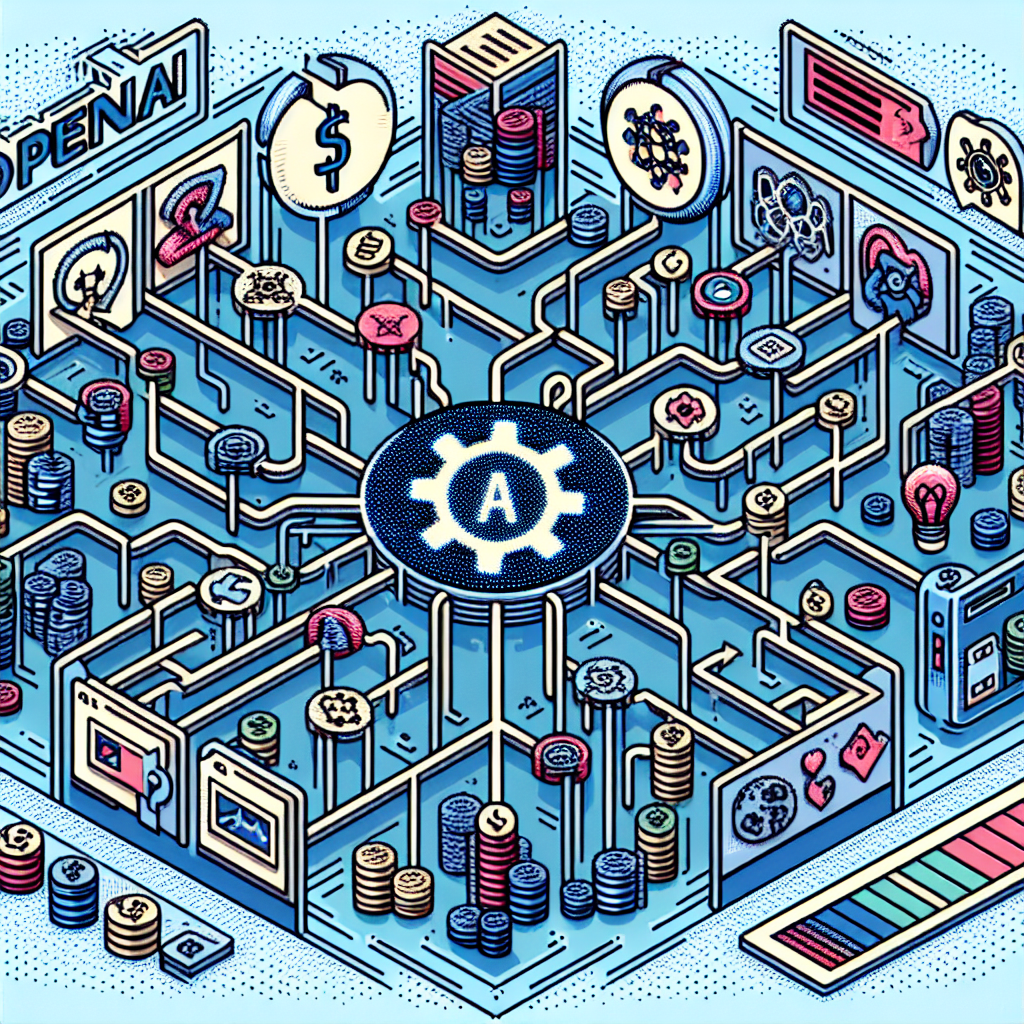
Fast forward to today, and OpenAI has entered into strategic partnerships with major players like Microsoft, Google, and others, creating a complex web of financial dependencies. According to a recent Financial Times article, these collaborations have placed OpenAI at the center of a $1 trillion network, significantly shaping the AI ecosystem.

Key Events Shaping OpenAI’s Dominance

1. Strategic Investments: Microsoft’s multibillion-dollar investment in OpenAI has not just provided financial backing; it’s allowed Microsoft to integrate OpenAI’s models into its products, enhancing offerings like Azure and Office 365. This partnership has effectively positioned both companies as leaders in AI solutions.

2. Collaborations and Licensing: OpenAI has entered into licensing agreements with various companies, allowing them to build their own applications on top of OpenAI’s technology. This has created a ripple effect, driving innovation while also generating revenue.

3. Growing Ecosystem: As more companies leverage OpenAI’s capabilities, there’s a growing reliance on its technology, which fosters a network effect. The more companies that use and depend on OpenAI, the stronger its position in the market becomes.

4. Focus on Ethics and Safety: OpenAI’s commitment to ethical AI development has attracted partnerships with organizations that prioritize responsible technology use, further solidifying its reputation in the industry.

5. Market Influence: OpenAI’s leadership in AI technology has led to increased competition, prompting other companies to invest heavily in AI to keep pace. This has created an environment ripe for innovation and growth across the sector.

Key Takeaways

OpenAI has positioned itself as a central player in the AI landscape, signing lucrative partnerships with major tech companies. – Financial dependencies are shaping the future of AI development, creating a network that enhances collaboration and innovation. – Ethics and safety are paramount for OpenAI, attracting partners focused on responsible AI use. – The competitive landscape is evolving, with OpenAI’s influence driving other firms to invest more in AI capabilities.

Reflecting on OpenAI’s Future

As OpenAI continues to extend its reach within the tech industry, its impact on the future of artificial intelligence cannot be overstated. The company’s ability to foster collaboration while emphasizing ethical standards sets a precedent for how AI can be developed and utilized responsibly. The next few years will undoubtedly be pivotal in determining not only OpenAI’s trajectory but also the broader implications of AI technology on society.

With the stakes this high, it’s clear that OpenAI isn’t just a player in the game; it’s becoming the game itself.

Sources

– Financial Times. “How OpenAI put itself at the centre of a $1tn network of deals.” [Financial Times](https://www.ft.com/content/openai-network-deals) – OpenAI Official Website. [OpenAI](https://openai.com) – Microsoft Official Blog. [Microsoft AI](https://blogs.microsoft.com/ai)

By keeping an eye on OpenAI and its network of alliances, we can better understand the transformative power of AI in our everyday lives. Whether you’re a tech enthusiast or a business leader, the unfolding narrative around OpenAI is one to watch closely.


Related update: We recently published an article that expands on this topic: read the latest post.

ChatGPT’s Study Mode Is Here. It Won’t Fix Education’s AI Problems – WIRED | Analysis by Brian Moineau

ChatGPT’s Study Mode Is Here. It Won’t Fix Education’s AI Problems - WIRED | Analysis by Brian Moineau

Navigating the AI Classroom: ChatGPT’s New Study Mode and the Future of Education

In a world where artificial intelligence is reshaping industries faster than you can say "machine learning," the education sector finds itself at a fascinating crossroads. The latest development? OpenAI has rolled out a new study mode for ChatGPT. This fresh feature, designed to throw questions back at students, aims to promote critical thinking by encouraging learners to engage more deeply with their study material.

A New Chapter or the Same Old Story?

At first glance, this seems like a promising step in integrating AI into educational frameworks. Imagine a virtual Socrates sitting in your pocket, prompting you to think more deeply about the causes of the American Civil War or the themes in "Hamlet." Yet, as pointed out in WIRED's thought-provoking article, this study mode doesn't quite tackle the broader disruptions AI has introduced to education. The fears of students outsourcing their thinking to AI, the ethical implications, and the potential for widening the digital divide remain unaddressed.

The Bigger Picture

While ChatGPT's study mode is a step forward, we must remember that technology alone cannot resolve the systemic challenges facing education today. The COVID-19 pandemic has shown us both the possibilities and the pitfalls of digital learning. Remote classrooms and online resources have become the norm, yet this shift also highlighted significant disparities in access to technology and quality education.

Globally, schools and universities are grappling with how to integrate AI meaningfully without compromising educational integrity. A report from UNESCO emphasizes the importance of balancing AI's benefits with ethical considerations, ensuring that all students, regardless of their socio-economic status, can access these new tools.

Drawing Parallels

Interestingly, this AI-education conundrum is mirrored in other sectors dealing with technological disruption. Consider the music industry, which has been transformed by streaming platforms like Spotify. These services have democratized access to music but have also sparked debates around artist compensation and the value of creative work. Similarly, in education, while AI can democratize access to learning resources, it raises questions about the value and authenticity of human teaching.

A Lighthearted Take

As we navigate these AI-infused waters, perhaps we should embrace a bit of humor and humility. After all, even the most advanced AI can't replicate the quintessential experience of a teacher's raised eyebrow or a classmate's late-night study group antics. And let's not forget the timeless student dilemma of "Will this be on the test?"—a question that, for now, remains outside the purview of AI's algorithms.

Final Thoughts

ChatGPT’s study mode is a promising innovation, nudging students towards more interactive learning experiences. However, it is but a small piece of the educational puzzle. As we continue to explore AI's role in the classroom, we must strive for an approach that not only embraces technological advancements but also reinforces the value of critical thinking, ethical considerations, and equitable access.

In the end, perhaps the greatest lesson AI can teach us is not found in any textbook or algorithm, but in our shared journey to harness technology for the greater good, ensuring that education remains a beacon of opportunity for all.

Read more about AI in Business

Read more about Latest Sports Trends

Read more about Technology Innovations

Here come the glassholes, part II – Financial Times | Analysis by Brian Moineau

Here come the glassholes, part II - Financial Times | Analysis by Brian Moineau

Title: The Return of the Glassholes: Will Facial Recognition in Smart Glasses Ever Be a Good Look?

Ah, smart glasses. Remember the early 2010s when Google Glass promised to revolutionize how we view the world? Instead, it gifted us a new term - "glassholes" - for those who wore them with a bit too much enthusiasm, often at the expense of social norms. Fast forward to today, and we're on the brink of a sequel, thanks to the latest tech trend: integrating facial recognition into smart glasses.

Silicon Valley's dreamers are once again at the forefront, eagerly pushing the boundaries of what's technologically possible. But will their vision align with societal acceptance? If history has taught us anything, it's that the path from innovation to integration is often fraught with unforeseen twists.

The Tech Temptation


Facial recognition technology is no stranger to controversy. While its applications can be groundbreaking, such as aiding law enforcement or streamlining airport security, it also raises significant privacy concerns. Incorporating it into smart glasses could let users identify strangers on the street, an appeal to some, but a potential invasion of privacy to many others.

Consider the recent pushback against facial recognition in public spaces. Cities like San Francisco and Portland have already enacted bans on its use by government agencies, citing concerns over accuracy, bias, and civil liberties. If public sentiment is any indication, adding this feature to smart glasses may not be as warmly received as some tech enthusiasts hope.

A World Already on Edge


The timing of this innovation is particularly noteworthy. We're living in a world increasingly conscious of privacy, driven by revelations of data breaches and surveillance. The Cambridge Analytica scandal, which revealed how personal data could be weaponized, has made people more protective of their digital footprints.

Moreover, the COVID-19 pandemic has accelerated our dependence on technology, while simultaneously highlighting the importance of personal space and privacy. As we navigate this new normal, the idea of being constantly watched, even if just through a pair of glasses, might not sit well with the public.

Echoes of Innovation


This isn't the first time tech has faced resistance before eventual acceptance. The smartphone, now an indispensable part of daily life, was once met with skepticism. However, those devices offered clear, immediate benefits that outweighed privacy concerns for most users. Smart glasses with facial recognition, on the other hand, are yet to make a compelling case for how they will enhance, rather than intrude upon, our lives.

The Broader Implications


Beyond privacy, there's the question of social etiquette. How will society adapt to a world where anyone can know your name with a glance? The potential for misuse is high, from unwanted advances to more sinister applications like stalking or doxing.

Interestingly, this debate parallels discussions in other tech domains. Take, for example, the rise of AI-driven customer service bots. While they promise efficiency, they also risk depersonalizing interactions. Similarly, smart glasses must balance innovation with the human element, ensuring they serve rather than disrupt society.

Final Thoughts


As we stand on the precipice of another potential technological leap, it's crucial to remember that just because we can do something doesn't mean we should. The allure of smart glasses with facial recognition is undeniable, yet we must tread cautiously. Society must have a say in how this technology is developed and deployed.

In the end, perhaps the most significant lesson from the "glassholes" saga is that technology should enhance human interaction, not replace it. If smart glasses can find that balance, they might just avoid the pitfalls of their predecessors. Otherwise, we might find ourselves peering into a future where the promise of connectivity comes at the cost of our privacy.

Read more about AI in Business

Read more about Latest Sports Trends

Read more about Technology Innovations

iOS 26 Could Bring Sleep Detection, Camera Controls, and New Gestures to AirPods – MacRumors | Analysis by Brian Moineau

iOS 26 Could Bring Sleep Detection, Camera Controls, and New Gestures to AirPods - MacRumors | Analysis by Brian Moineau

Title: The Future is in Your Ears: What iOS 26 Means for AirPods Lovers

Ah, the age-old ritual of waiting for an iOS update—it's like Christmas morning for tech enthusiasts. This time, though, there's a little extra sparkle in the form of iOS 26, which promises to elevate your AirPods experience to a whole new level. We're not just talking about sound quality improvements or battery life extensions; we're diving into the realm of sleep detection, camera controls, and new gestures. Let's break it all down, shall we?

Sleep Tight with Your AirPods

First up, sleep detection. Yes, you heard it right. AirPods might soon be able to monitor your sleep patterns. Now, before you dismiss this as another gimmick, consider the booming market for sleep tech. From smart mattresses to sleep-tracking apps, everyone is vying for a piece of the sleep industry pie. With sleep disorders affecting millions worldwide, the potential for AirPods to help track and improve sleep could be a game-changer. Just imagine waking up to find your AirPods have not only serenaded you to sleep but also provided insights into your sleep quality. Sweet dreams, indeed!

Say Cheese with AirPods Camera Controls

Next, let's talk about camera controls. The idea of snapping a selfie or starting a video recording with a simple gesture or voice command via your AirPods feels like something out of a sci-fi movie. It’s a feature that could redefine convenience, especially for content creators and social media aficionados who are always on the go. Imagine being able to capture moments without fumbling for your phone; just a subtle nod or a whispered command is all it takes. It's the kind of seamless tech integration that makes you wonder why it wasn't thought of sooner.

Gesture Magic: The Next Wave of Interaction

New gestures for AirPods could also be on the horizon. While the current double-tap and press features have served us well, the potential for more complex gestures could open up a new world of interaction. Whether it’s controlling playback, adjusting volume, or even triggering smart home devices, the possibilities are endless. We’re talking about taking the concept of wearable tech to a whole new level—one where your AirPods become an extension of your digital life.

Context and Connections

Now, let's connect the dots. The introduction of these features aligns perfectly with the broader trends in technology where wearables are becoming more integrated into daily life. Apple isn't just competing with other headphone manufacturers; it's positioning itself against the likes of Fitbit, Oura, and even traditional camera brands. As these companies expand their offerings, Apple’s foray into sleep and camera functionalities is a strategic move to ensure its AirPods remain indispensable.

Moreover, consider how this update could influence the health and wellness sector. With mental health and well-being taking center stage globally, features like sleep detection aren’t just nice-to-haves; they're becoming essential tools for maintaining a balanced lifestyle. Apple's potential entry into this space could spur further innovation across the tech industry, leading to more personalized and effective health solutions.

Final Thoughts

In the grand tapestry of technological advancement, iOS 26’s potential AirPods features are another thread weaving us into a more interconnected and convenient future. Whether these updates will make us more productive or just more dependent on our gadgets remains to be seen. But one thing's for sure: the line between fiction and reality continues to blur, and the future is quite literally in your ears. So here’s to the next wave of innovation—may it be as exciting as it sounds.

What are you most excited about in the upcoming iOS 26 updates? Let us know in the comments below!

Read more about AI in Business

Read more about Latest Sports Trends

Read more about Technology Innovations

Porsche’s next Taycan gets an infotainment upgrade — but no new CarPlay – The Verge | Analysis by Brian Moineau

Porsche’s next Taycan gets an infotainment upgrade — but no new CarPlay - The Verge | Analysis by Brian Moineau

Revving Up the Infotainment Game: Porsche's 2026 Taycan and the Age of Intelligent Autos

In a world where the line between automobiles and technology continues to blur, Porsche is shifting gears with its 2026 Taycan, 911, Panamera, and Cayenne models. The German automaker is set to launch a revitalized infotainment system, featuring Apps and Alexa integration. While it's a leap forward in the quest for a more connected driving experience, some enthusiasts might be left pondering why the new CarPlay hasn't made the cut.

Porsche, a brand synonymous with luxury and performance, is no stranger to innovation. The introduction of Alexa, Amazon's virtual assistant, into its lineup is a testament to the growing trend of voice-activated technologies in vehicles. As smart home devices become more prevalent, it was only a matter of time before the automotive industry followed suit. Alexa's integration will enable drivers to control their smart home devices, check the weather, or even manage their shopping lists—all without taking their hands off the wheel or their eyes off the road.

This shift towards a more digital driving experience is not just a Porsche phenomenon. Across the industry, manufacturers are racing to enhance their infotainment systems, often serving as a battleground for technological supremacy. Take Tesla, for instance, which has been a pioneer in equipping its vehicles with large touchscreen displays and over-the-air updates that keep their software fresh. Similarly, Ford's partnership with Google to infuse its vehicles with Android's ecosystem speaks volumes about this tech-driven arms race.

However, Porsche's decision to sidestep a new CarPlay integration raises questions. Apple's CarPlay is a beloved feature for many drivers, offering seamless connectivity to iPhones. It's possible that Porsche is holding its cards close to its chest, perhaps waiting for a more robust version of CarPlay, rumored to feature deeper integration with car hardware, to emerge.

The timing of Porsche's announcement is intriguing, given the broader context of the automotive world. We're witnessing an era where electric vehicles (EVs) are no longer niche, and autonomous driving is no longer a distant dream. As EV giants like Tesla, Rivian, and Lucid Motors continue to make headlines with their cutting-edge innovations, Porsche's move is a strategic effort to remain competitive in this rapidly evolving market.

Moreover, the inclusion of Alexa could be seen as a strategic alignment with Amazon, a company that has ventured into the auto industry through partnerships with companies like Rivian, to whom it has supplied delivery vans. This alliance hints at a future where automotive experiences are fully integrated with our digital lives, making the transition between home and car virtually seamless.

As we steer into this new frontier of intelligent automobiles, one can't help but wonder what the future holds. Will we see cars that are not only smart but also capable of learning and adapting to our habits? Perhaps the infotainment systems of tomorrow will be powered by AI, predicting our routes, preferences, and needs before we even realize them ourselves.

In conclusion, Porsche's infotainment upgrade is a reflection of the broader technological renaissance within the auto industry. While some may lament the absence of a new CarPlay, the integration of Alexa is a promising step towards a more connected and intuitive driving experience. As technology continues to accelerate at breakneck speed, it's an exciting time to be both a driver and a tech enthusiast. Here's to the road ahead—may it be as smart as it is thrilling.

Read more about AI in Business

Read more about Latest Sports Trends

Read more about Technology Innovations

New iOS 19 and visionOS 3 Tidbits Revealed – MacRumors | Analysis by Brian Moineau

New iOS 19 and visionOS 3 Tidbits Revealed - MacRumors | Analysis by Brian Moineau

**Exploring the Future: Sneak Peeks into iOS 19 and visionOS 3**

As the tech world eagerly anticipates Apple's next big software unveilings, some juicy tidbits about iOS 19 and visionOS 3 have started to trickle out, courtesy of MacRumors. With about three months to go before the official release, these little leaks are like the aroma of freshly baked cookies wafting through a house, promising something delicious just around the corner.

**iOS 19: The Evolution Continues**

Let's start with iOS 19. While the leaks don't reveal a complete overhaul, we're looking at the kind of subtle yet impactful changes that Apple has become known for over the years. Remember when iOS 14 introduced widgets to the home screen? It was a seemingly small addition that fundamentally changed how iPhone users interacted with their devices. We're expecting iOS 19 to follow in this tradition, potentially offering enhancements that make our digital lives not just easier, but maybe even a little more fun.

One whisper is about enhanced AI capabilities. With the rise of AI tools like ChatGPT and Google's Bard, it wouldn't be surprising to see Apple's own AI integration take a leap. Imagine Siri finally understanding your commands with the precision of a seasoned butler, rather than the occasional confusion of a novice intern.

**visionOS 3: The Next Dimension**

On the other hand, visionOS 3 is drawing attention for its potential to redefine our interaction with augmented reality (AR). Apple's venture into AR has been methodical, but with the competitive landscape heating up—thanks to efforts from Meta's Quest series and Microsoft's HoloLens—visionOS 3 could be Apple's next big push into making AR as mainstream as the iPhone itself.

Rumors suggest improvements in AR gaming experiences, which could attract not only gamers but also educators and professionals looking to leverage immersive tech for training and development. There's also talk about a more seamless integration between Apple's AR devices and the rest of their ecosystem. Imagine starting a project on your iPad, continuing it on your Mac, and then visualizing it in 3D through your AR headset.

**Connecting the Dots in the Tech World**

These developments in iOS and visionOS come at a time when technology is rapidly integrating into every facet of our lives. For instance, the automotive industry is slowly but surely embracing AR, with companies like Tesla and BMW exploring AR dashboards. Apple's advancements could potentially influence these sectors, making your next car as smart as your phone.

Moreover, as we see countries worldwide debating data privacy and digital security, Apple's updates are likely to reflect their ongoing commitment to user privacy—a topic they've championed in recent years. With laws like the European Union's General Data Protection Regulation (GDPR) influencing tech giants, Apple might introduce new features that enhance user control over personal data.

**Final Thoughts**

As we inch closer to the official unveiling of iOS 19 and visionOS 3, it's clear that Apple is not resting on its laurels. These updates hint at a future where our digital and physical worlds blend more seamlessly than ever before. While we wait with bated breath, one thing is certain: Apple's next moves will continue to shape the landscape of tech, influencing how we work, play, and live. So, keep your devices charged and your curiosity piqued—exciting times are ahead!

Read more about AI in Business

Read more about Latest Sports Trends

Read more about Technology Innovations