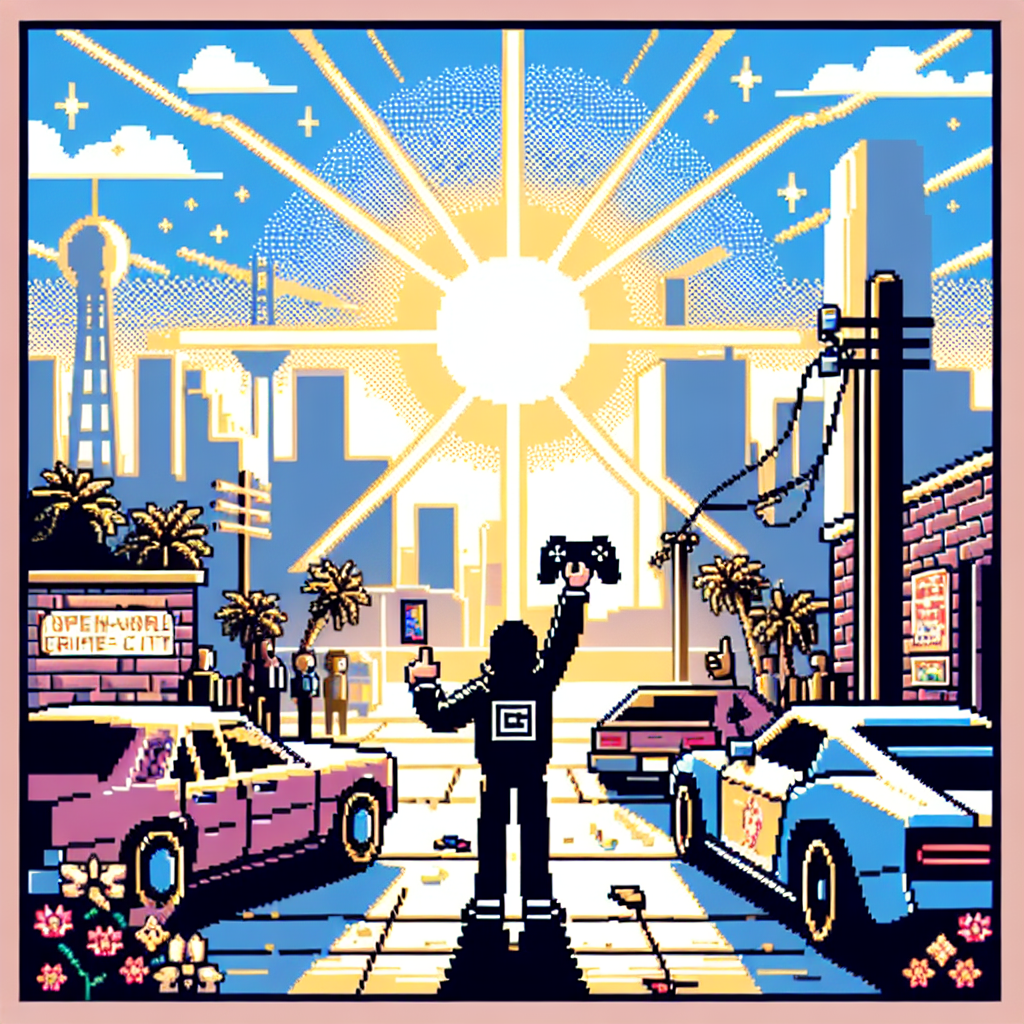
A small, human moment amid the hype: Rockstar helps a terminally ill fan play GTA 6 early
Imagine waiting years for a game you love, only to be told you might not live long enough to play it. For one devoted fan, that dread became painfully real late last year — and the gaming world quietly rallied. What started as a heartfelt LinkedIn plea led to Rockstar Games stepping in and arranging early access to Grand Theft Auto VI so a terminally ill fan could experience the game before its official launch. The story is equal parts tender and revealing about how big studios can (and sometimes do) bend their secrecy rules for compassion. (gadgets360.com)
Why this matters beyond a single act of kindness
- It humanizes studios that often exist behind layers of PR and NDAs.
- It shows how gaming communities and industry connections can move fast when the situation is personal.
- It raises questions about exceptions to secrecy and how companies balance confidentiality with empathy. (pcgamer.com)
The arc of the story
- In December 2025, Anthony Armstrong — a UI integrator at Ubisoft Toronto — posted on LinkedIn on behalf of a family member who had been given a prognosis of roughly 6–12 months after a cancer diagnosis. He asked, respectfully and aware of non-disclosure constraints, whether Rockstar (which has a studio nearby) could arrange a private playtest so his relative could see GTA 6 before launch. (gadgets360.com)
- The post gained traction. Armstrong later updated it to say Take-Two’s CEO Strauss Zelnick had been in touch and that “great news” had followed after conversations with Rockstar — implying the company was working out a private arrangement. Details remain private, likely under NDA. (gadgets360.com)
- Grand Theft Auto VI is scheduled for release on November 19, 2026, so this kind of early access is highly unusual because Rockstar tightly controls pre-release builds. Still, this isn’t an unprecedented gesture in games: similar one-off exceptions have been reported before with other studios and titles. (gamesradar.com)
What this says about the industry
There’s a habit in journalism of framing large studios as faceless corporations, and sometimes that’s accurate — but moments like this cut through the corporate veil. A few takeaways:
- Big companies can make private, compassionate decisions without broad policy changes. That’s good for the person involved, but it also means these acts rely on individual discretion rather than systemic approaches to empathy. (pcgamer.com)
- The story underscores the power of networks. Armstrong’s public appeal reached people inside the industry and the publisher’s leadership quickly — a reminder that platforms like LinkedIn can, in rare cases, become conduits for real-world help. (gadgets360.com)
- It also highlights the tension between secrecy and goodwill. Rockstar is famously secretive about GTA 6; making exceptions risks leaks, legal exposure, and precedent — which is likely why any session would be tightly controlled, under NDA, and handled privately. (pcgamer.com)
A pattern, not an anomaly
This isn’t a one-off in the wider ecosystem of gaming. Recent years have seen developers and publishers make exceptions to help terminally ill fans experience highly anticipated titles early or visit studios for special events. Those actions tend to be small, private, and warmly received — and they become news precisely because they run counter to the usual, impersonal image of big studios. (pcgamer.com)
Things to keep in mind
- Most of what we know comes from Armstrong’s posts and reporting that followed; Rockstar and Take-Two have not published a detailed public statement about the arrangement. That means some details (exact timing, location, whether the session was in-person or a controlled remote arrangement) remain private. (gadgets360.com)
- The wider debate — should companies create formal programs to help fans in crisis? — is worth having. One-off compassion is meaningful; institutionalizing that compassion would make it fairer and less dependent on chance or who knows whom. (pcgamer.com)
My take
There’s an understandable fascination with big releases and splashy marketing, but this story is a gentle reminder of why games matter beyond sales figures and review scores. They’re part of people’s lives and memories. Rockstar’s move — whatever the exact mechanics behind it — is a small, humane pivot in an industry that can feel very corporate. I hope studios take note: compassion doesn’t have to be a PR line. It can be a policy. That kind of thinking would turn isolated, heartwarming moments into predictable, equitable support for players who need it most.
Sources
-
PC Gamer — Rockstar responds to plea for a terminally ill 'huge GTA fan' to get his hands on the game early.
https://www.pcgamer.com/games/grand-theft-auto/rockstar-responds-to-plea-for-a-terminally-ill-huge-gta-fan-to-get-his-hands-on-the-game-early/ (pcgamer.com) -
GamesRadar — Terminally ill GTA 6 fan with 6–12 months to live has seemingly been put in touch with Rockstar about playing the game early.
https://www.gamesradar.com/games/grand-theft-auto/terminally-ill-gta-6-fan-with-6-12-months-to-live-has-seemingly-been-put-in-touch-with-rockstar-about-playing-the-game-early/ (gamesradar.com) -
The report of the original appeal (coverage and summaries across outlets referencing Anthony Armstrong’s LinkedIn posts).
Example coverage: Gadgets 360 — Rockstar Games Said to Have Granted a Terminally Ill Fan's Wish to Play GTA 6.
https://gadgets360.com/games/news/rockstar-games-grants-wish-play-gta-6-terminally-ill-fan-take-two-10786541 (gadgets360.com) -
GamesRadar (background on GTA 6 release timing and Rockstar delays).
https://www.gamesradar.com/games/grand-theft-auto/gta-6-delayed-6-more-months-as-rockstar-commits-to-november-2026-and-says-sorry/ (gamesradar.com)
(Note: Eurogamer’s site is referenced in some roundups but was not accessible for direct linking at the time of writing; the reporting above synthesizes Armstrong’s public posts and subsequent reporting by multiple outlets.)
Related update: We recently published an article that expands on this topic: read the latest post.
Related update: We recently published an article that expands on this topic: read the latest post.