Volkswagen seeks audience with Trump, dangling more than $10 billion in U.S. investments in exchange for tariff exemptions – Fortune | Analysis by Brian Moineau

Volkswagen seeks audience with Trump, dangling more than $10 billion in U.S. investments in exchange for tariff exemptions - Fortune | Analysis by Brian Moineau

Title: Volkswagen's $10 Billion Gamble: Navigating Tariffs and Tempting Trump

In a world where international relations are as unpredictable as the latest TikTok trends, Volkswagen’s recent strategic maneuver is nothing short of a high-stakes chess game. In a bid to gain favor with former President Donald Trump, the automotive behemoth is contemplating a whopping $10 billion investment in the United States. The catch? They’re hoping for a little leniency on those pesky tariffs that have been squeezing their margins tighter than a pair of skinny jeans after Thanksgiving dinner.

The Tariff Tango

Volkswagen, the world’s second-largest carmaker, is feeling the heat from U.S. tariffs, which have cost the company approximately $1.4 billion in the second quarter alone. These tariffs have forced Volkswagen to slash its 2025 guidance for revenue, margins, and cash. It’s a classic case of economic cause and effect, where political decisions trickle down to impact the bottom line of even the mightiest corporations.

The proposed $10 billion investment is not just a generous offer; it’s a strategic move aimed at positioning Volkswagen favorably in a market that is as lucrative as it is challenging. The U.S. auto market is a battleground, and Volkswagen's investment could lead to increased production capabilities, more jobs, and potentially a stronger competitive edge.

Trump and the Art of the (Auto) Deal

Former President Trump, known for his business acumen and penchant for deal-making, is no stranger to the world of tariffs and trade negotiations. During his presidency, Trump was a polarizing figure on the global stage, often using tariffs as a tool to negotiate better terms for American interests. Whether you see him as a savvy businessman or a disruptor, his influence on international trade policies is undeniable.

Volkswagen's decision to seek an audience with Trump is intriguing. It’s a reminder of how businesses often have to navigate the intricate dance of politics to achieve their objectives. By dangling a $10 billion carrot, Volkswagen is not just making an investment; it’s making a statement about its commitment to the U.S. market and its willingness to adapt to the ever-changing geopolitical landscape.

Connecting the Dots: Global Trade and Tensions

Volkswagen’s strategic gambit is reflective of a broader trend in global trade. Companies worldwide are grappling with the complexities of tariffs and trade wars. The U.S.-China trade tensions, for instance, have had ripple effects across various industries, from technology to agriculture. Similarly, the ongoing discussions about Brexit and its implications on trade between the UK and the EU illustrate how political decisions can have far-reaching economic consequences.

In this interconnected world, businesses must remain agile and proactive. Volkswagen’s move is a testament to the importance of strategic foresight and the ability to pivot in response to external pressures.

Final Thoughts: Driving into the Future

As Volkswagen navigates this challenging terrain, it serves as a reminder that the road to success is rarely a straight line. It’s filled with twists, turns, and the occasional pothole. Whether their $10 billion proposal will lead to tariff exemptions remains to be seen, but one thing is certain: Volkswagen is playing the long game.

In the end, this story is about more than just cars and tariffs; it's about the delicate balance between business strategy and political diplomacy. As we watch this narrative unfold, one can’t help but wonder: what other surprises does the world of international trade have in store for us? Buckle up, because the journey is just beginning.

Read more about AI in Business
Read more about Latest Sports Trends

Read more about Technology Innovations

Apple Stock Falls After Trump Threatens Tariffs on Foreign-Made iPhones – Barron’s | Analysis by Brian Moineau

Apple Stock Falls After Trump Threatens Tariffs on Foreign-Made iPhones - Barron's | Analysis by Brian Moineau

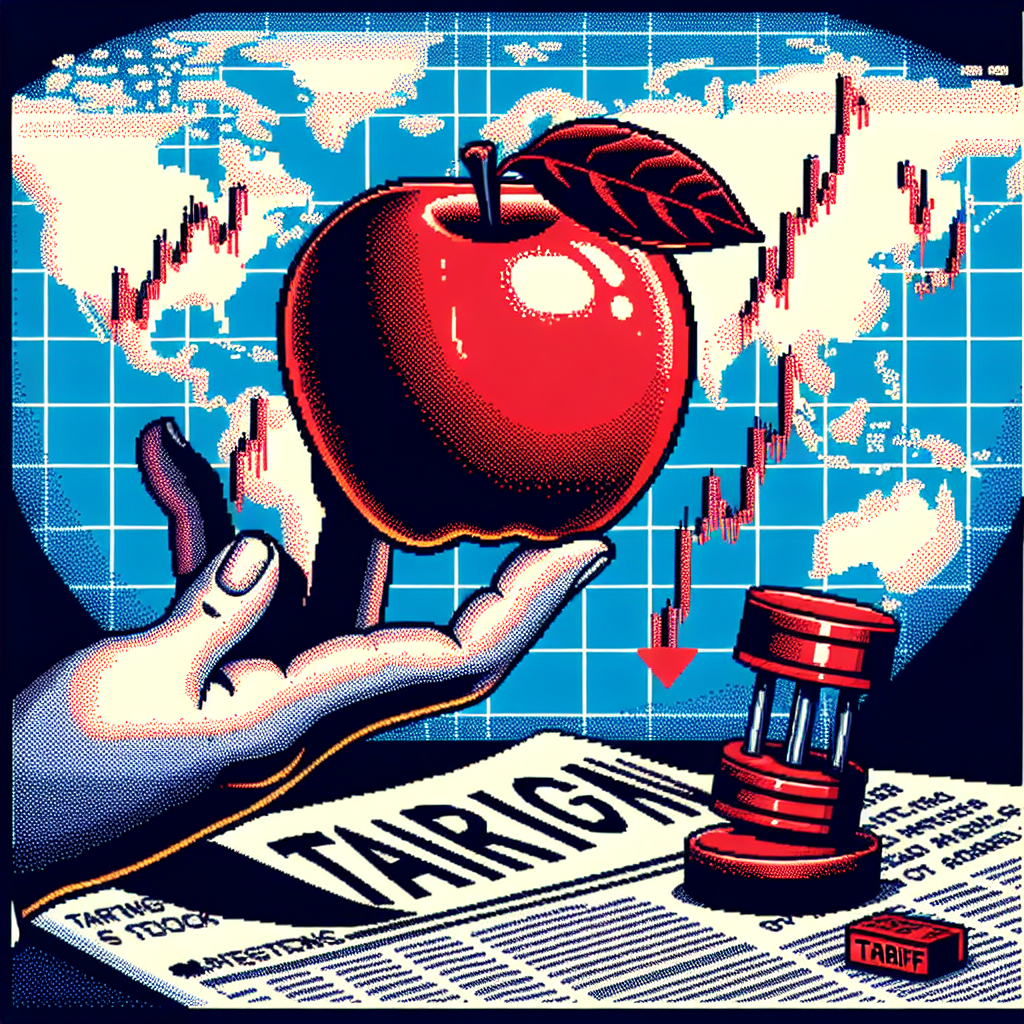
The Tariff Tango: How Trump's Threats Danced with Apple's Stock

Alright, folks, let's dive into the fascinating world of international trade, politics, and technology, where iPhones are the stars, Trump is the director, and the stock market is the unpredictable audience.

Recently, Apple stock took a bit of a nosedive after former President Donald Trump floated the idea of imposing tariffs on foreign-made iPhones. Now, let's not pretend the stock market hasn't been on a rollercoaster ride over the past few years, but this particular twist in the tale has a few interesting layers.

Trump's Tariff Talk: The Sequel

Now, if you've been following the saga of Trump and tariffs, you know this isn't the first time he's flirted with the idea of imposing tariffs on products made overseas. His presidency was marked by a series of tariff threats and implementations, particularly targeting China, in an attempt to bring manufacturing back to the United States. Love him or hate him, Trump's tariff tactics were a central part of his economic strategy.

The latest chapter in this ongoing narrative seems to have come out of the blue. Even though Trump is no longer in office, his comments still carry weight—particularly when it involves a tech giant like Apple. The notion of tariffs on foreign-made iPhones is enough to send shivers down the spine of investors and consumers alike. After all, who wants to pay more for their gadgets?

The Global Web of iPhone Production

Apple's production strategy is a masterclass in globalization. The company has a sprawling supply chain that spans the globe, with key production facilities in China and other countries. This global tapestry is what allows Apple to produce iPhones at a scale and cost that keeps them competitive. Slapping tariffs on these devices would mean increased costs for Apple, which could trickle down to consumers in the form of higher prices.

And let's be honest, nobody wants to pay more for their iPhone, especially when they're already dropping a small fortune on the latest model with all the bells and whistles.

The Ripple Effect of Tariffs

The mention of tariffs doesn’t just affect Apple; it has a domino effect on the broader tech industry and the stock market. Investors, ever wary of uncertainty, tend to react swiftly to any disruptions in the production flow of major companies like Apple.

Moreover, tariffs are a double-edged sword. While they might incentivize companies to bring production back to the U.S., they can also lead to increased production costs and strained international relations. For instance, during Trump's presidency, the U.S.-China trade tensions led to a series of retaliatory tariffs that impacted various industries.

A World of Change

Outside the tech and trade bubble, it's fascinating to see how interconnected our world is. From the global supply chains that bring us our beloved tech gadgets to the political moves that can shake markets, everything is intertwined. Even as we navigate the complexities of international trade and politics, the bigger picture is how these developments push companies to innovate. For instance, Apple's recent investment in U.S. manufacturing facilities, such as the Austin, Texas plant, is a testament to the balancing act companies must perform.

Final Thoughts: The Dance Continues

In the grand scheme of things, Trump's tariff threats are just one more step in the ongoing dance of global trade. While Apple's stock may have taken a hit, the company has weathered storms before. With its massive cash reserves and innovative prowess, it's likely that Apple will adapt, just as it always has.

In a world that's constantly evolving, the only certainty is change. Whether it's tariffs, tech advancements, or political shifts, companies like Apple will continue to navigate the dance floor of global commerce. And as spectators, all we can do is watch, speculate, and maybe hold onto our wallets a little tighter the next time we upgrade our iPhones.

Read more about AI in Business

Read more about Latest Sports Trends

Read more about Technology Innovations