Rockstar Grants Terminally Ill Fan Early | Analysis by Brian Moineau

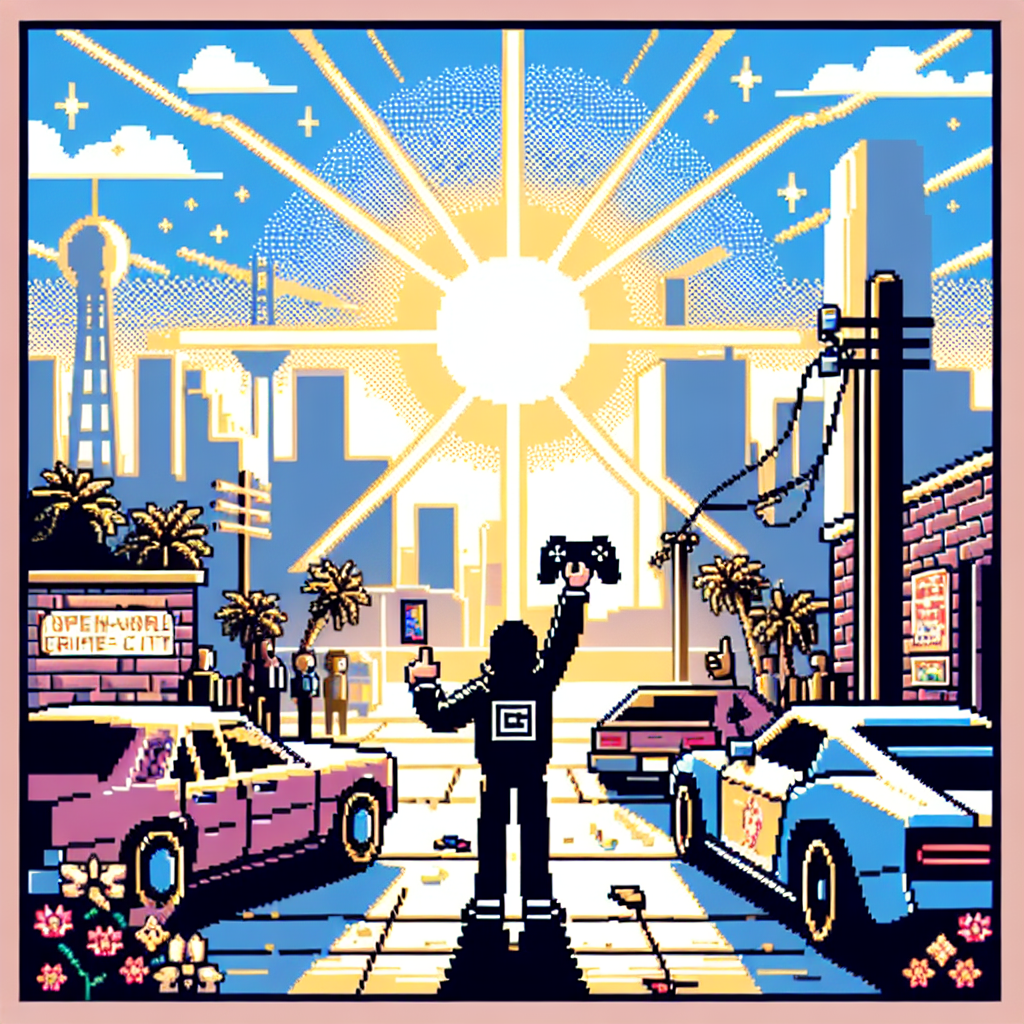
A small, human moment amid the hype: Rockstar helps a terminally ill fan play GTA 6 early

Imagine waiting years for a game you love, only to be told you might not live long enough to play it. For one devoted fan, that dread became painfully real late last year — and the gaming world quietly rallied. What started as a heartfelt LinkedIn plea led to Rockstar Games stepping in and arranging early access to Grand Theft Auto VI so a terminally ill fan could experience the game before its official launch. The story is equal parts tender and revealing about how big studios can (and sometimes do) bend their secrecy rules for compassion. (gadgets360.com)

Why this matters beyond a single act of kindness

  • It humanizes studios that often exist behind layers of PR and NDAs.
  • It shows how gaming communities and industry connections can move fast when the situation is personal.
  • It raises questions about exceptions to secrecy and how companies balance confidentiality with empathy. (pcgamer.com)

The arc of the story

  • In December 2025, Anthony Armstrong — a UI integrator at Ubisoft Toronto — posted on LinkedIn on behalf of a family member who had been given a prognosis of roughly 6–12 months after a cancer diagnosis. He asked, respectfully and aware of non-disclosure constraints, whether Rockstar (which has a studio nearby) could arrange a private playtest so his relative could see GTA 6 before launch. (gadgets360.com)
  • The post gained traction. Armstrong later updated it to say Take-Two’s CEO Strauss Zelnick had been in touch and that “great news” had followed after conversations with Rockstar — implying the company was working out a private arrangement. Details remain private, likely under NDA. (gadgets360.com)
  • Grand Theft Auto VI is scheduled for release on November 19, 2026, so this kind of early access is highly unusual because Rockstar tightly controls pre-release builds. Still, this isn’t an unprecedented gesture in games: similar one-off exceptions have been reported before with other studios and titles. (gamesradar.com)

What this says about the industry

There’s a habit in journalism of framing large studios as faceless corporations, and sometimes that’s accurate — but moments like this cut through the corporate veil. A few takeaways:

  • Big companies can make private, compassionate decisions without broad policy changes. That’s good for the person involved, but it also means these acts rely on individual discretion rather than systemic approaches to empathy. (pcgamer.com)
  • The story underscores the power of networks. Armstrong’s public appeal reached people inside the industry and the publisher’s leadership quickly — a reminder that platforms like LinkedIn can, in rare cases, become conduits for real-world help. (gadgets360.com)
  • It also highlights the tension between secrecy and goodwill. Rockstar is famously secretive about GTA 6; making exceptions risks leaks, legal exposure, and precedent — which is likely why any session would be tightly controlled, under NDA, and handled privately. (pcgamer.com)

A pattern, not an anomaly

This isn’t a one-off in the wider ecosystem of gaming. Recent years have seen developers and publishers make exceptions to help terminally ill fans experience highly anticipated titles early or visit studios for special events. Those actions tend to be small, private, and warmly received — and they become news precisely because they run counter to the usual, impersonal image of big studios. (pcgamer.com)

Things to keep in mind

  • Most of what we know comes from Armstrong’s posts and reporting that followed; Rockstar and Take-Two have not published a detailed public statement about the arrangement. That means some details (exact timing, location, whether the session was in-person or a controlled remote arrangement) remain private. (gadgets360.com)
  • The wider debate — should companies create formal programs to help fans in crisis? — is worth having. One-off compassion is meaningful; institutionalizing that compassion would make it fairer and less dependent on chance or who knows whom. (pcgamer.com)

My take

There’s an understandable fascination with big releases and splashy marketing, but this story is a gentle reminder of why games matter beyond sales figures and review scores. They’re part of people’s lives and memories. Rockstar’s move — whatever the exact mechanics behind it — is a small, humane pivot in an industry that can feel very corporate. I hope studios take note: compassion doesn’t have to be a PR line. It can be a policy. That kind of thinking would turn isolated, heartwarming moments into predictable, equitable support for players who need it most.

Sources

(Note: Eurogamer’s site is referenced in some roundups but was not accessible for direct linking at the time of writing; the reporting above synthesizes Armstrong’s public posts and subsequent reporting by multiple outlets.)


Related update: We recently published an article that expands on this topic: read the latest post.

Related update: We recently published an article that expands on this topic: read the latest post.

French Indie RPG Wins Presidential Praise | Analysis by Brian Moineau

A tiny French studio, a sweeping RPG, and a presidential nod: why Clair Obscur matters

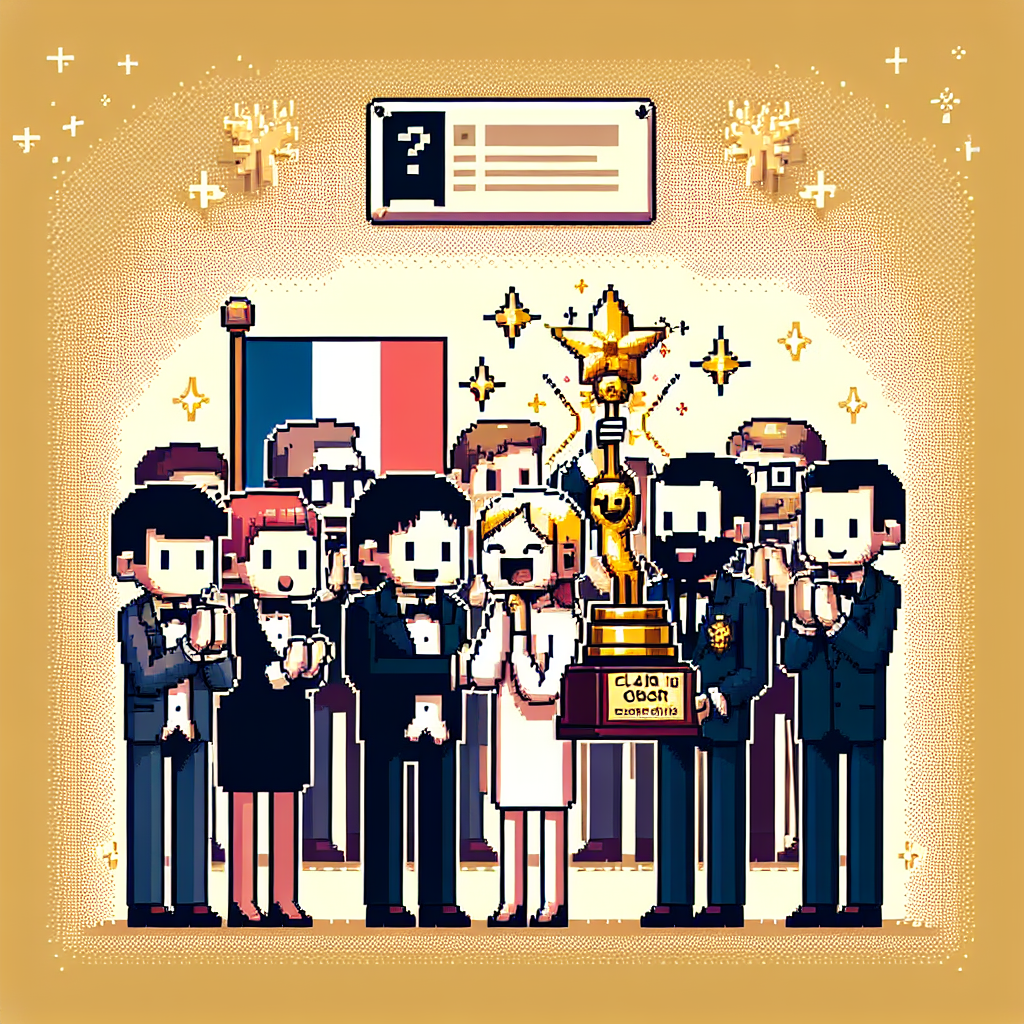
When a relatively small Montpellier studio walks away from The Game Awards with Game of the Year — and the president of France posts public congratulations — you know something cultural has shifted. Clair Obscur: Expedition 33 isn’t just a surprise hit; it’s an example of how narrative ambition, indie craft, and national pride can collide in the most public of ways.

Why Emmanuel Macron’s congratulations feel bigger than a social media shout-out

  • Macron’s Instagram praise came twice: first after the game’s breakout commercial success earlier in 2025 and again following its record-setting haul at The Game Awards in December 2025.
  • His second message called the Game Awards win “a historic first for a French title” and framed the achievement as “great pride for Montpellier and for France.” (videogameschronicle.com)

That tone matters. Political leaders rarely weigh in on entertainment awards unless they see national cultural value — think of film festivals, literature prizes, or sporting victories. Macron’s public recognition signals that big, mainstream gaming moments are now part of national cultural conversation in France, not just niche industry talk.

What Clair Obscur did — and why the industry took notice

  • It swept multiple major categories at The Game Awards 2025, including Game of the Year, Best Narrative, Best Game Direction, Best Art Direction, Best Score and Music, Best RPG, and several indie-focused awards — a historic haul that made it one of the most-awarded games in the ceremony’s history. (gamesradar.com)
  • The game launched from Sandfall Interactive, a modestly sized French studio, and paired strong sales with critical acclaim — the combination that turns a successful release into a conversation starter about how games are made and valued. (en.wikipedia.org)

This mixture of indie origin, artistic ambition, and mainstream recognition complicates the old “indie vs AAA” story. Clair Obscur shows that a focused, coherent vision — and a smart relationship with players and press — can break through award seasons and sales charts alike.

A few broader ripples to watch

  • National industries: Macron’s praise could amplify interest in French game development funding, education, and export programs. Governments often point to cultural wins when arguing for more creative-sector investment. (videogameschronicle.com)
  • Indie visibility: A high-profile indie success re-centers conversations about creative risk, narrative-driven design, and sustainable studio models that avoid exploitative monetization. Industry leaders and fellow developers have publicly lauded Sandfall’s scale and choices. (en.wikipedia.org)
  • Cultural legitimacy: Games increasingly operate in the same cultural register as film and literature. When a president celebrates a title as representative of national audacity and creativity, that feeds broader acceptance of games as art and soft power.

A concise takeaway for readers (and gamers)

  • Clair Obscur: Expedition 33 proves that a small, well-crafted game can win the world’s attention — and win respect at the highest civic levels. That shift benefits players, creators, and national industries that want culture that travels.

My take

There’s a satisfying poetry to this moment: a team of creatives in Montpellier builds something personal and precise, players respond in force, critics reward daring, and a head of state frames it as national pride. That flow — from studio spark to cultural recognition to political acknowledgment — is exactly the arc that helps games move from hobby to heritage. It doesn’t mean every political comment is unalloyed praise (leaders often have complicated relationships with gaming), but Macron’s public congratulations are a reminder that games now live squarely in the lens of culture and diplomacy.

Sources

(Notes: linked articles above provide reporting on Macron’s messages, the Game Awards results, and the cultural response around Sandfall Interactive’s win.)


Related update: We recently published an article that expands on this topic: read the latest post.


Related update: We recently published an article that expands on this topic: read the latest post.


Related update: We recently published an article that expands on this topic: read the latest post.

Players Have Too Many Options to Spend $80 on a Video Game – Bloomberg.com | Analysis by Brian Moineau

Players Have Too Many Options to Spend $80 on a Video Game - Bloomberg.com | Analysis by Brian Moineau

Title: Navigating the Gaming Landscape: $80 Games vs. Budget Masterpieces

The gaming industry is undergoing a seismic shift, as evidenced by the latest report from Bloomberg, "Players Have Too Many Options to Spend $80 on a Video Game." This headline is a nod to the growing trend of budget-friendly titles outperforming their pricier counterparts, a scenario that’s causing even industry giants like Xbox to rethink their strategies. With Xbox announcing a price hike on their premier titles, the debate over value versus cost in gaming has never been more relevant.

For years, we've been conditioned to equate higher cost with higher quality. However, the recent surge in acclaim for budget games is challenging that notion. Titles like "Hades," "Celeste," and "Among Us" have captured the hearts of millions without the hefty price tag. These games prove that creativity, compelling storytelling, and innovative gameplay can trump high-end graphics and massive marketing budgets.

This shift isn't just happening in isolation. It mirrors broader trends in the entertainment industry where value perception is being redefined. Take, for instance, the indie film surge and the rise of streaming platforms. Movies made with a fraction of traditional Hollywood budgets are garnering critical acclaim and audience adoration. Similarly, platforms like Netflix and Disney+ have redefined how we value and consume content, often favoring creative storytelling over blockbuster budgets.

The discussion extends beyond entertainment into the world of technology and consumption as a whole. For example, consider the rise of sustainable fashion brands that prioritize ethics and quality over mass-produced luxury items. Consumers are increasingly demanding transparency and authenticity, whether that's in the clothes they wear or the games they play.

Returning to the realm of gaming, this trend of budget success stories is also a reflection of the changing demographics of gamers. The average gamer today is more diverse than ever, with varying tastes and financial capabilities. This diversity has paved the way for a broader spectrum of games, catering to niche markets that large-scale titles often overlook.

While Xbox's decision to raise prices might initially seem counterintuitive, it can also be seen as a strategic move within this complex landscape. By doing so, Xbox could be signaling a commitment to providing premium experiences, banking on the loyalty of hardcore fans willing to pay for cutting-edge technology and exclusive content.

In the grand tapestry of gaming history, this moment might be viewed as a turning point. As players, we have the privilege—and challenge—of navigating an ever-expanding universe of options. The secret to making the most of it? Embrace the exploration. Try that quirky indie game everyone's talking about, or dive into a big-budget adventure if it promises the experience you're seeking.

In closing, the gaming world is rich with possibilities, and there's something for everyone. Whether you’re a budget-conscious adventurer or a loyal fan of high-end exclusives, the choice is yours. As the industry continues to evolve, it’s clear that the value of a game is no longer solely determined by its price tag. Instead, it’s about the joy, challenge, and memories it can offer players around the globe. So, ready your controllers and let's see where this exciting journey takes us next.

Read more about AI in Business

Read more about Latest Sports Trends

Read more about Technology Innovations