Rising Unemployment Roils Trump’s Economic | Analysis by Brian Moineau

When the jobless rate climbs, a political narrative starts to wobble

There’s a particular hum in Washington when a jobs report walks in slightly off-script: markets twitch, talking heads adjust their tone, and political teams scramble for new soundbites. The headline from mid-December was blunt — the unemployment rate rose, even as the economy added a modest number of jobs — and that small shift has outsized implications for an administration that has made “economic comeback” central to its pitch to voters.

Below I unpack why a rising jobless rate matters politically, what’s driving the softening labor market, and why this is more than just a numbers game.

What happened — the quick version

  • In the latest Labor Department snapshots, the unemployment rate ticked up to the mid-4 percent range (reports around the December jobs release put it at roughly 4.6% for November), while payroll gains were modest. (wsj.com)
  • Revisions and one-off cuts — notably large reductions in federal payrolls earlier in the year — have removed a cushion that previously helped headline job growth. (washingtonpost.com)
  • Other indicators — weaker hiring in manufacturing and finance, slower wage growth, and falling private job openings — point to a labor market that’s cooling rather than collapsing. (businessinsider.com)

Why this stings Trump’s economic messaging

  • The core of the Trump message has been: my policies deliver jobs and rising incomes. Voters notice the jobless rate more than they notice GDP nuance. A rising unemployment rate is a visceral, easy-to-grasp signal that “the economy isn’t working for people.” (politico.com)
  • Politics is about attribution. When unemployment climbs, the incumbent is the default target; opponents and the press will link labor weakness directly to administration choices — tariffs, federal workforce cuts, and policy uncertainty — even if causes are mixed. (americanprogress.org)
  • Messaging mismatch: The White House can point to private-sector gains and labor-force entrants as explanations, but those arguments are weaker if people feel longer job searches, slower pay growth, or layoffs in local industries. Numbers that look small in D.C. spreadsheets translate to real pain on Main Street. (whitehouse.gov)

What’s behind the shift in the labor market

  • Policy headwinds: Tariff uncertainty and trade policy shifts have raised costs for some manufacturers and importers, prompting hiring freezes or cuts in certain sectors. (businessinsider.com)
  • Federal payroll reductions: Large federal workforce cuts earlier in the year removed a steady source of employment and ripple effects into the private firms that depend on government contracts. (washingtonpost.com)
  • Monetary legacy and demand cooling: The Federal Reserve’s earlier cycle of high interest rates and their lagged effects are still tamping down investment and hiring in interest-sensitive sectors. That, plus slower wage growth, reduces hiring incentives. (ft.com)
  • Structural changes: Automation, AI adoption, and shifting sectoral demand mean some occupations face lasting disruption, complicating the short-term picture. (businessinsider.com)

Voter dynamics and the election arithmetic

  • Timing matters. If the labor market continues to weaken heading into an election year, skepticism about economic stewardship becomes a tangible drag. Voters who once prioritized pocketbook improvements are quicker to notice higher joblessness and slower hiring. (politico.com)
  • The administration can still shape the narrative (point to private-sector job creation, rising participation, or short-term payroll gains), but repetition works only so long if local experiences tell a different story. Campaigns that rely on economic credibility are particularly vulnerable to a steady, measurable rise in unemployment. (whitehouse.gov)

What to watch next

  • Monthly Labor Department jobs reports and revisions: small headline changes can have big political effects once they stack into a trend. (wsj.com)
  • Federal employment and contract dynamics: more cuts or restorations will directly affect regions and industries that provide campaign reach. (washingtonpost.com)
  • Wage trends and jobless-duration metrics: growing spell lengths or falling real wages are the signals that sway everyday voters more than the unemployment number alone. (wsj.com)
  • Fed policy shifts: if the Fed moves aggressively on rates, it will change the trajectory of hiring and investment, with clear political consequences. (ft.com)

Quick takeaways

  • A rising unemployment rate punches above its weight politically — it’s shorthand for “economy not delivering.” (wsj.com)
  • Policy choices (tariffs, federal cuts) and lingering monetary effects are combining with structural labor shifts to cool hiring. (americanprogress.org)
  • The administration can frame the data in ways that defend its record, but sustained labor-market deterioration would make persuasive messaging much harder. (politico.com)

My take

Numbers move markets, but narratives move voters. A single uptick in unemployment doesn’t end a presidency. But in politics, perception is cumulative: a steady string of softer labor reports can erode the economic credibility that incumbents depend on. For an administration that’s built a central narrative around jobs and prosperity, the safe play is twofold — stabilize the labor market with clear, targeted policy and lay out an honest, localized story that connects policy moves to tangible results for working people. Spin only stretches so far when someone in your town has been looking for work longer than they used to.

Sources

(Note: URLs above are non-paywalled where available; some outlets may require free registration.)


Related update: We recently published an article that expands on this topic: read the latest post.
Related update: We recently published an article that expands on this topic: read the latest post.

K‑Shaped Recovery: Winners and Losers | Analysis by Brian Moineau

Why everyone’s talking about the “K‑shaped” economy — and why it should make you think twice

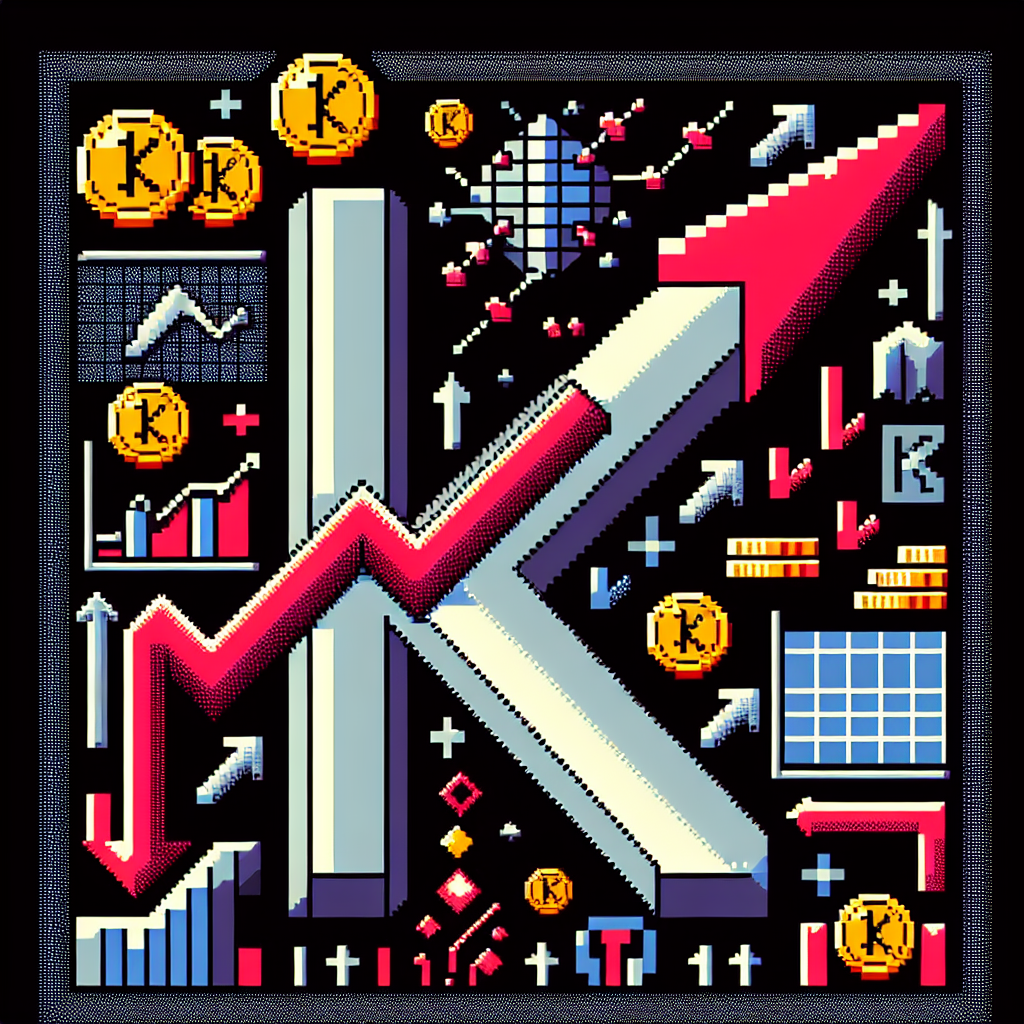
You’ve probably heard the phrase “K‑shaped recovery” a few times lately — and not just from economists. It’s showing up in corporate earnings calls, news headlines, and even at kitchen‑table conversations. The image is simple: a K, with one arm shooting up and the other slumping down. But the real story behind that picture is messy, emotional, and getting more relevant to daily life than many of us expected.

What the K really means

  • The upper arm of the K represents higher‑income households: incomes, asset values and spending are rising for people who own lots of stocks, real estate or high‑paying jobs tied to tech and finance.
  • The lower arm represents lower‑ and middle‑income households: wage growth is weak, price pressure (rent, groceries, energy) bites harder, and many people have less ability to spend or save.
  • The result: headline GDP and stock indices can look healthy while large swaths of Americans feel stuck or squeezed.

This isn’t a new concept — economists used “K‑shaped” during the pandemic to describe divergent recoveries. What’s changed is how sharply the split has re‑emerged in 2025 as asset prices and AI‑sector gains lift wealth at the top while pay and hiring cool off for lower‑wage workers.

How we got here: context that matters

  • Pandemic-era policies, huge fiscal responses, shifting labor markets and record‑high tech valuations created a period where asset owners got a disproportionate share of the gains.
  • In 2023–24 some lower‑wage workers saw real wage improvements, narrowing the gap briefly — but that momentum faded in 2025 as inflation‑adjusted wage growth slowed more for the bottom quartile than for the top.
  • The AI boom and heavy corporate investment in data centers and infrastructure have powered big gains for a few companies (and their shareholders) without producing broad wage gains or mass hiring in many sectors.
  • Consumer spending overall continues, but a growing share comes from higher‑income households; lower‑income spending lags, which reshuffles which businesses win and which struggle.

Who’s winning and who’s losing

  • Winners:
    • Households that own stocks and other financial assets. The stock market and gains tied to the AI winners have boosted wealth for the top slice of Americans.
    • Companies that sell premium goods and services to affluent buyers. Luxury retail and high‑end travel show resilience even when mass‑market demand softens.
  • Losers:
    • Lower‑wage workers in retail, hospitality and entry‑level services where hiring and pay growth have cooled.
    • Businesses that rely on broad, volume‑based spending by younger and lower‑income consumers (certain fast‑casual restaurants, budget retailers, travel tailored to younger demographics).

Why this pattern matters beyond headlines

  • Fragile consumer demand: If lower‑ and middle‑income households pull back sharply, overall spending — and corporate revenue — could fall, potentially causing a feedback loop that hits hiring and investment.
  • Policy risks: If policymakers respond by cutting rates or changing tax rules to stoke growth, the effects may again flow unevenly and could widen the gap unless targeted measures accompany them.
  • Social and political consequences: Persistent divergence heightens concerns about affordability, social mobility and the role of public policy in redistributing opportunity.

Signals to watch next

  • Wage growth by income quartile (are lower‑income wages improving or stagnating?)
  • Consumer spending breakdowns by income (is spending concentration at the top growing?)
  • Hiring trends in low‑wage industries (is employment cooling or recovering?)
  • Corporate capex in AI and how much of that translates into broader hiring
  • Stock market concentration vs. household participation (who holds the gains?)

A few practical takeaways

  • For workers: Skills and mobility matter. Sectors tied to AI, cloud infrastructure, health care and trade‑sensitive manufacturing may offer different pathways than retail or entry‑level hospitality.
  • For savers and investors: Recognize concentration risk. Heavy reliance on a handful of tech winners can be rewarding — and risky — if broader demand softens.
  • For businesses: Reassess customer segmentation. Firms that depended on volume from younger or lower‑income consumers may need to tweak pricing, value propositions, or product mix.
  • For policymakers: Monitoring and targeted supports (training, childcare, housing affordability) will be essential to prevent a K‑shaped boom from calcifying into longer‑term inequality.

A few numbers that make it real

  • Bank of America card data (October 2025) showed higher‑income households’ spending grew noticeably faster than lower‑income households (roughly 2.7% vs. 0.7% year‑over‑year in October).
  • Federal Reserve data has long shown stock ownership is heavily concentrated; recent analyses report that the top 10% of households own the vast majority of equities, which amplifies asset‑price gains for the wealthy.
    (These figures help explain why stock rallies lift the top arm of the K much more than they lift the bottom.)

My take

We’re living in an economy that can look simultaneously strong and fragile — strong for people whose wealth is tied to rising assets and fragile for those whose day‑to‑day living depends on wages and price stability. The “K” is a useful shorthand, but it’s not destiny. Policy choices, corporate strategies, and investment in people’s skills and safety nets will decide whether that divergence narrows or becomes structural. If you care about sustainable growth that doesn’t leave large groups behind, pay attention to the signals above — and to how policies shift in the next year.

Sources


Related update: We recently published an article that expands on this topic: read the latest post.


Related update: We recently published an article that expands on this topic: read the latest post.

Unemployment fears hit worst levels since Covid as tariffs fuel inflation outlook, Fed survey shows – CNBC | Analysis by Brian Moineau

Unemployment fears hit worst levels since Covid as tariffs fuel inflation outlook, Fed survey shows - CNBC | Analysis by Brian Moineau

Navigating the Economic Storm: Unemployment Fears and Inflation Woes


As the world continues to grapple with the aftershocks of the Covid-19 pandemic, it seems we've found ourselves in the economic equivalent of a perfect storm. A recent survey by the Federal Reserve, highlighted in a CNBC article, paints a picture of growing consumer concerns over inflation, unemployment, and the stock market. Let's dive into the heart of these issues and explore their broader implications.

The Tariff Tangle


One of the primary drivers of these economic jitters is the ongoing global trade war. Tariffs, initially introduced as leverage in international negotiations, have started to take a toll on both consumer prices and business operations. It's a bit like playing a high-stakes poker game; every time a country raises its tariffs, it risks driving up inflation, which in turn impacts everything from grocery bills to mortgage rates.

This isn't the first time tariffs have stirred the economic pot. History is peppered with examples, such as the Smoot-Hawley Tariff Act of 1930, which many economists believe exacerbated the Great Depression. While today's global economy is vastly different, the fundamental principles remain the same: trade barriers often come with unintended consequences.

Rising Unemployment Fears


Adding another layer of anxiety is the specter of unemployment. The pandemic-induced job market recovery, while robust in some sectors, remains uneven. Industries like hospitality and travel have bounced back with vigor, but others, especially those reliant on international supply chains, continue to struggle.

According to the Fed's survey, consumer confidence in job security is at its lowest since the height of the pandemic. This unease is not unfounded; the ripple effects of supply chain disruptions and increased production costs can lead to job cuts as companies seek to preserve their bottom lines.

Inflation: The Silent Wallet Drainer


Inflation is the silent economic force that erodes purchasing power. As tariffs drive up production costs, these increases are often passed down to consumers. The result? Higher prices on everyday goods and services. The Fed's survey reveals that these inflationary pressures are a major concern for consumers, who fear that their hard-earned dollars will stretch less and less.

The situation isn't entirely bleak, though. Some economists argue that moderate inflation can be a sign of a growing economy. However, when inflation outpaces wage growth, it can lead to decreased consumer spending, which in turn slows economic growth—a delicate balance that policymakers must manage.

A Broader Perspective


While these economic challenges may seem daunting, it's crucial to remember that the world has faced similar trials before and emerged stronger. For instance, during the 2008 financial crisis, coordinated global efforts led to significant economic reforms that bolstered financial systems worldwide.

Moreover, innovation continues to thrive despite these challenges. Just look at the rise of remote work technologies and the rapid development of vaccines during the pandemic. These advancements not only address immediate needs but also lay the groundwork for future growth.

In the broader context, geopolitical tensions, like those between the US and China, also play a significant role in shaping economic landscapes. As countries navigate these complex relationships, the emphasis on diplomacy and cooperation becomes ever more critical.

Final Thoughts


While the current economic landscape may feel uncertain, it's essential to approach these challenges with both caution and optimism. Consumers and businesses alike must remain adaptable, as flexibility is often the key to weathering economic storms.

As we look ahead, the lessons learned from past crises can guide us. By fostering innovation, strengthening global cooperation, and prioritizing economic stability, we can overcome these hurdles and pave the way for a more resilient future.

In the words of Winston Churchill, "A pessimist sees the difficulty in every opportunity; an optimist sees the opportunity in every difficulty." As we navigate these turbulent times, let's choose optimism and work towards a brighter economic future.

Read more about AI in Business

Read more about Latest Sports Trends

Read more about Technology Innovations