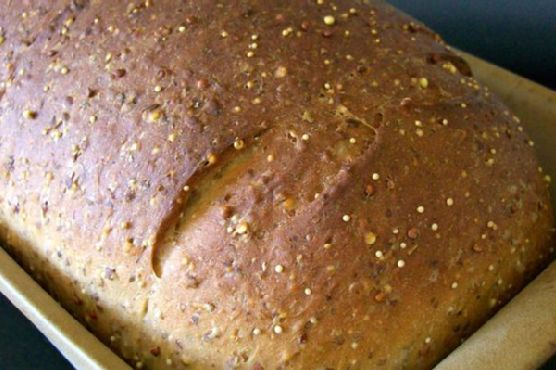
Ancient Grains Bread: A Nourishing Journey Back in Time
Intro
There’s something incredibly comforting about the aroma of freshly baked bread wafting through the house. It transports me back to my grandmother’s kitchen, where the clatter of vintage pots and the warmth of her old oven created a sanctuary of love and nourishment. Her bread, always an eclectic mixture of grains, was not just food, but a testament to resilience and tradition. Today, I want to share with you a recipe that echoes those cherished memories: Ancient Grains Bread. This hearty loaf combines the wholesome goodness of grains rooted in history, offering a taste that’s both rustic and refined.
Why You’ll Love It
This Ancient Grains Bread isn’t just any bread; it’s a journey through time. Each bite is packed with nutrients and flavors that tell a story of ancient civilizations and traditional baking methods. You’ll love it for its rich, earthy taste and delightful texture that pairs beautifully with both sweet and savory toppings. Plus, it’s a versatile addition to any meal, whether you’re toasting it for breakfast or serving it alongside a comforting soup for dinner.
Ingredients
- 2 teaspoons yeast
- 2 1/2 cups flour
- 1 cup whole wheat flour
- 1/2 cup rye flakes
- 1/4 cup ground flaxseed
- 1/4 cup amaranth grain
- 1/4 cup quinoa
- 1/4 cup soy flour
- 2 tablespoons vital wheat gluten
- 2 tablespoons skim milk powder
- 1 1/2 teaspoons salt
- 1 1/2 cups warm water
- 2 tablespoons honey
Instructions
- In a large bowl or stand mixer, whisk together the yeast, flours, rye flakes, flaxseed, amaranth, quinoa, soy flour, wheat gluten, skim milk powder, and salt.
- Stir in the warm water and honey, mixing thoroughly to form a cohesive, fairly firm (but workable) dough.
- Turn out onto a floured board or knead with the dough hook for 12 minutes, until very elastic and smooth.
- Place into a bowl, cover and allow to rest for 30 minutes.
- Roll rested dough into a log shape and tuck it into a greased loaf pan.
- Cover with a clean towel and allow to rise for 50-60 minutes.
- Preheat the oven to 350°F (175°C).
- Slash the top of the loaf 2-3 times with a sharp knife or lame.
- Bake for 40 minutes.
- Turn out of the pan immediately and cool on a rack before slicing.
Tips
For the best results, make sure your yeast is fresh and active. If you’re unsure, proof it by dissolving it in a small amount of warm water with a pinch of sugar. It should become foamy within a few minutes. Additionally, be patient with the kneading process; it’s essential to develop the gluten network that gives this bread its wonderful texture.
Variations & Substitutions
Feel free to get creative with the grains and flours in this recipe. You can substitute spelt flour for the whole wheat flour or add a handful of sunflower seeds for extra crunch. If you prefer a gluten-free version, experiment with gluten-free flour blends and adjust the liquid as needed to achieve the right dough consistency.
Storage
Store your Ancient Grains Bread in a bread box or wrapped in a clean kitchen towel at room temperature for up to 3 days. For longer storage, slice the bread and freeze it in an airtight container or bag. Simply toast the slices straight from the freezer when you’re ready to enjoy them.
FAQ
Can I make this bread without a stand mixer?
Absolutely! While a stand mixer simplifies the process, you can knead the dough by hand. It might take a bit longer, but the therapeutic rhythm of kneading can be quite rewarding. Aim for a smooth and elastic dough, which should take about 12-15 minutes of hand kneading.
What can I use instead of honey?
If you prefer not to use honey, maple syrup or agave nectar are excellent substitutes that will provide similar sweetness and moisture to the dough.
Is it necessary to slash the top of the loaf?
Slashing the top of the loaf is not strictly necessary, but it allows the bread to expand evenly during baking and gives it a rustic look. If you skip this step, the loaf may crack unpredictably.
Nutrition
Each slice of this Ancient Grains Bread is a powerhouse of nutrition. Packed with fiber, protein, and essential vitamins and minerals, it’s a fantastic way to support a balanced diet. The incorporation of whole grains and seeds provides sustained energy and aids digestion.
Conclusion
Baking Ancient Grains Bread is more than crafting a loaf; it’s about connecting with the past and savoring the simple pleasures of homemade goodness. Whether you’re a seasoned baker or a curious beginner, this recipe invites you to explore the rich textures and flavors of ancient grains. So, tie on your apron, dust your counter with flour, and embark on this delightful baking journey. Your kitchen will soon be filled with the heartwarming aroma of tradition and love.
Related update: Ancient Grains Bread
Related update: Ancient Grains Bread