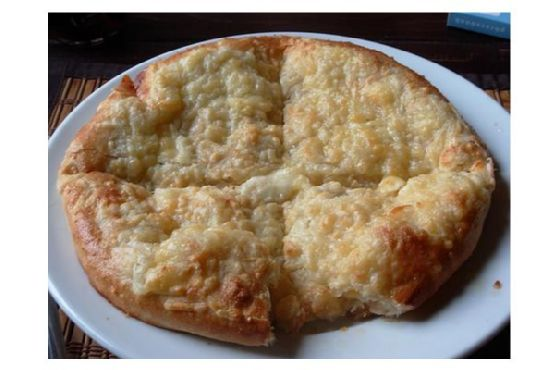
Khachapuri | Made by Meaghan Moineau

Picture this: it’s a drizzly Tuesday evening, and you’ve just returned from a long day that felt like a relentless blur of meetings and errands. You’re craving something comforting and hearty, yet adventurous enough to pull you out of the weekday monotony. Enter Khachapuri — the pillowy, cheese-filled bread boat that hails from Georgia (the country, not the state). I’ve always found Khachapuri to be the perfect marriage of comfort and culinary curiosity, with its gooey center and golden, flaky crust. Making it is like giving yourself a cozy hug in bread form, and it’s surprisingly doable even when you’re running on fumes. Let’s dive into creating this cheesy delight that’s sure to warm your soul.

Jump to Recipe

What You’ll Need

What’s fantastic about this recipe is that you might already have most of these ingredients lounging in your pantry or fridge. Let’s get you prepped:

  • Dry yeast
  • Sugar
  • Water
  • Milk
  • Butter
  • Salt
  • White Swiss cheese – 8 ounces
  • Cheddar
  • 2 eggs
  • Muenster cheese
  • Parsley
  • White pepper

How to Make Khachapuri

  1. Dissolve the yeast and 1 teaspoon of sugar in 1/4 cup of warm water. Let it stand for 5-10 minutes until it becomes foamy and alive with little yeast bubbles.
  2. In a mixing bowl, combine the proofed yeast with milk, 2 tablespoons of sugar, butter, and salt. Gradually mix in enough flour to form a soft, slightly tacky dough.
  3. Transfer the dough to a greased bowl, turning it so it’s coated on all sides. Cover with a damp cloth and let it rise in a warm spot until it doubles in size — about an hour.
  4. While your dough is having its beauty rest, shred the cheeses and mix them with the eggs, parsley, and a pinch of white pepper. Pop this filling in the fridge to chill and mingle.
  5. Grease a 9-inch springform pan generously. Punch down the risen dough, shape it into a ball, and roll it out to a 20-inch circle.
  6. Gently fold the dough circle in half to lift it, then unfold it into the pan, allowing the edges to drape over. Pile the cheese filling into the dough-lined pan.
  7. Bring the draped edges of the dough up and over the filling, creating 8-12 evenly spaced pleats around the perimeter. Twist and pinch the ends together in the center to form a rustic knob.
  8. Cover the loaf with a buttered square of waxed paper and let it rise again until doubled in bulk.
  9. Preheat your oven to 375°F. Brush the top with a glaze made of 1 egg white mixed with 1 tablespoon of water, or simply use margarine.
  10. Bake for 40-50 minutes until the Khachapuri is deeply golden brown. Remove from the pan and place directly on the oven rack for an additional 5 minutes to crisp the bottom crust.
  11. Let it cool on a rack for about 45 minutes before slicing into wedges and basking in all the cheesy goodness.

Cook’s Notes

Here’s where the magic and little nuances come into play:

  • Proofing patience: If your yeast doesn’t foam, give it another try with fresh yeast and slightly warmer water. It’s worth the wait to get that dough rising right!
  • Cheese choices: Feel free to tailor the cheese mix to your liking. I find the combination of Swiss, Cheddar, and Muenster to be a dreamy balance between sharp and creamy.
  • Leftovers: Khachapuri does great as leftovers. Wrap it tightly in foil and reheat it in the oven at 350°F for about 10-15 minutes to refresh that crispy crust.
  • Make-ahead: You can prepare the dough and filling up to a day in advance — just keep them chilled and separate until you’re ready to assemble and bake.

Make It Your Own

  • Herb It Up: Add fresh dill or cilantro to the filling for an herbal twist.
  • Meaty Marvel: Toss in crispy bacon bits or diced ham for a protein-packed version.
  • Spice Things Up: Mix in a pinch of red pepper flakes into the cheese for a touch of heat.
  • Go Green: Layer in some sautéed spinach or kale for a veggie boost.

If you try this Khachapuri recipe, I’d love to hear all about your cheesy adventures! Drop me a comment or tag me on social media with your delicious creations. Let’s connect over this cozy, cheesy masterpiece!

Related update: Khachapuri

Sims 4 March Patch: Marketplace | Analysis by Brian Moineau

The Sims 4 Patch Features for March 17th — Marketplace, fixes, and the messy fallout

The latest Sims 4 Patch Features for March 17th landed like a surprise house party that someone forgot to RSVP to: exciting headline news (hello, Marketplace), a stack of welcome bug fixes, and — for many players — an unexpected mess that broke mods and custom content. If you fired up The Sims 4 on March 17, 2026 expecting to browse the new in-game Marketplace, you probably found yourself juggling feelings: curiosity, irritation, and for some, the heartbreak of missing CC.

Here’s what happened, why it matters, and how the community is reacting — plus a few practical notes for Simmers who want to stay calm while the patch train gets back on the rails.

Why this patch mattered

This update introduced the long-announced in-game Marketplace and the Maker Program, which lets creators sell “Maker Packs” for real money currency (Moola). It also bundled more than 60 bug fixes and gameplay adjustments intended to improve stability and balance across many systems.

That combination makes the March 17th patch a big one: new monetization and creator tools on top of regular maintenance. It’s exactly the kind of update that changes how players access content and how creators share it — so stakes are high. Sources at EA and major outlets confirmed the Marketplace rollout for PC and Mac on March 17, with consoles to follow later. (help.ea.com)

Marketplace and Maker Program — what changed

  • The Marketplace is an in-game storefront where players can browse and buy official Kits, Maker Packs, and other items using Moola (a paid currency).
  • Kits that were previously purchasable through other channels were consolidated into the Marketplace, making some content exclusively available there after launch.
  • The Maker Program allows creators to publish and sell curated packs, with the promise of revenue share and support from the Sims team.

The intent is clear: bring more curated creator work into the official ecosystem, extend discoverability to console players, and create a monetization path for talented creators who want to sell polished packs. That shift could benefit creators who want an official storefront — but it also reorients a community that has relied on free and third-party distribution for years. (pcgamer.com)

The rollout: fixes shipped, and an unintended crash for mods

On paper, the patch delivered dozens of quality-of-life fixes and gameplay balances — the usual housekeeping that keeps a complex life simulator running smoothly. But in practice, many players reported a severe side effect: their custom content (CC) and mods were either invisible or stopped working after the update.

Community threads exploded with reports that package files and scripts weren’t loading properly, with users advising others to avoid updating until creators patched their mods. Some creators and community members hypothesized that changes to how package files are scanned or how Marketplace files integrate could be responsible. By March 18, EA and community managers were actively engaged in troubleshooting discussions and a quick-fix path was being explored. (reddit.com)

What the community is saying

  • Many mod and CC users felt blindsided: after years of relying on custom content, the immediate incompatibility looked like a blunt instrument against the modding scene.
  • Some players welcomed the Marketplace as a way to bring curated content to consoles, where installing CC has been historically difficult.
  • A substantial portion of the community expressed skepticism or anger: consolidating Kits and enabling paid CC felt like monetizing what many consider the soul of The Sims.

The discourse is polarized. Enthusiasts who run strictly vanilla games see potential for polished creator-made content, while longtime modders worry that official monetization and file-format changes could marginalize the free-creative foundations of the community. (gamesradar.com)

Practical advice for Simmers right now

  • If you rely on mods/CC, don’t auto-update or launch the game until you’ve read developer updates and creator guidance.
  • Back up your Mods/CC folder and important save files to an external drive before installing any game updates.
  • Follow official channels (EA/Maxis posts) and trusted creator hubs for compatibility patches and recommended fixes.
  • If your CC vanished after the patch, community troubleshooting threads point to temporary workarounds (clearing caches, toggling certain DirectX settings, or temporarily removing mods), but results vary — wait for verified fixes from creators or EA when possible. (reddit.com)

Marketplace vs modding culture — the deeper tension

This update brings a larger cultural question into sharper focus: can an official monetized marketplace coexist with a community built on free sharing, experimentation, and permissionless creativity?

  • Pros: Marketplace can provide a revenue stream for creators, increase discoverability, and make curated content more accessible on consoles.
  • Cons: It risks fragmenting the ecosystem, changing how creators prioritize their work, and — as the March 17 patch showed — introducing technical risks that affect the entire modding base.

The Sims community has always been resilient. Modders adapt, patchers collaborate, and players find workarounds. But trust matters: any transition to paid content needs transparent communication, careful technical migration, and solid safeguards for existing creators and players.

My take

The March 17th patch is ambitious and represents a real attempt to expand the ecosystem for creators and consoles. That said, the way it landed exposed a classic tension: big new features can’t be divorced from the fragile patchwork of community content that defines The Sims. The ideal path forward is incremental, transparent, and community-friendly — with rollback options and clear technical guidance for creators.

For now, be cautious with updates, back up everything, and keep an eye on creator channels and official announcements for fixes. The Marketplace could be a useful addition — but it shouldn’t come at the cost of sidelining the community that made The Sims what it is.

Where to read more

  • The official EA/Maxis update pages and the Sims’ Steam news feed for patch notes and developer statements. (help.ea.com)
  • Coverage and analysis from outlets like PC Gamer and GamesRadar for context on the Marketplace and community reaction. (pcgamer.com)
  • Community threads and troubleshooting on Reddit and creator hubs for real-time reports and creator responses. (reddit.com)

Sources