Huawei’s second trifold adds stylus support and purple pleather – The Verge | Analysis by Brian Moineau

Huawei’s second trifold adds stylus support and purple pleather - The Verge | Analysis by Brian Moineau

Title: The Huawei Mate XTs: The Purple Pleather Revolution

In the ever-evolving world of technology, where innovation is the name of the game, Huawei has once again set the stage for a futuristic leap with the introduction of its Mate XTs. Picture this: a trifold smartphone that not only folds like origami but also supports a stylus and comes wrapped in a chic purple pleather finish. This latest marvel arrives in China with a price tag of $2,500, making waves before Samsung has even dipped its toes into the trifold waters.

The Huawei Mate XTs is not just another smartphone; it's a statement. In an era where devices are as much about style as they are about functionality, Huawei has taken a bold step towards combining both. The sleek design, enhanced by the royal hue of purple pleather, is reminiscent of the lavishness one might expect from a high-end fashion brand, rather than a tech giant. It's a nod to the idea that our gadgets are extensions of our personal style, much like a designer handbag or a bespoke suit.

Beyond its aesthetics, the Mate XTs pushes the boundaries of what we expect from a smartphone. The inclusion of a stylus brings back fond memories of the beloved PalmPilot and the more recent Samsung Galaxy Note series. It's a tool that creatives and professionals alike have cherished for its precision and ease of use. This move by Huawei not only caters to the artistic community but also to the tech-savvy multitaskers who appreciate the finer things in life.

The introduction of the Mate XTs also highlights a broader trend within the tech industry — the race for foldable devices. Samsung, a frontrunner in this arena with its Galaxy Z Fold and Flip series, has yet to unveil a trifold device. Huawei's preemptive strike could be seen as a gentle nudge, urging its competitors to think outside the box, or in this case, to fold three times instead of two. It's a classic case of innovation leading the charge, reminiscent of the tech battles between Apple and Microsoft in the early 2000s.

On the global stage, Huawei's move comes at a time when technology is increasingly becoming a focal point of geopolitical discussions. With ongoing trade tensions and the global chip shortage affecting production timelines across the industry, Huawei's ability to introduce such a pioneering device is noteworthy. It speaks to the resilience and adaptability of tech companies in navigating complex international landscapes to bring cutting-edge products to market.

In a world where we're constantly bombarded with new gadgets and gizmos, the Mate XTs stands out not just for its technological prowess, but for its audacity to blend fashion with function. It's a reminder that technology isn't just about circuits and screens; it's about pushing boundaries and redefining what's possible.

As we look to the future, the Huawei Mate XTs is a beacon of what's to come. It's a call to action for the tech industry to continue innovating, to surprise and delight consumers, and to never settle for the status quo. So, whether you're a tech enthusiast, a fashion aficionado, or simply someone looking for the next big thing, the Mate XTs is a device that demands your attention.

In the end, the arrival of Huawei's Mate XTs is more than just a product launch; it's a testament to the ever-evolving dance of technology and design. As we fold and unfold our way into the future, one thing is clear: the possibilities are as endless as they are exciting.

Read more about AI in Business

Read more about Latest Sports Trends

Read more about Technology Innovations

Best Buy reports modest sales recovery, but says tariffs are complicating its turnaround – CNBC | Analysis by Brian Moineau

Best Buy reports modest sales recovery, but says tariffs are complicating its turnaround - CNBC | Analysis by Brian Moineau

Title: Navigating the Retail Seas: Best Buy's Modest Recovery Amidst Tariff Tides

The retail world is no stranger to the ebbs and flows of economic tides, and Best Buy, the electronics giant, recently reported a modest sales recovery that seems to signal a change in the winds. Surpassing revenue and earnings expectations for its most recent quarter, Best Buy is showcasing a resilience that many other retailers could stand to emulate. But, as the company's leadership wisely notes, the journey is far from over, with the looming specter of tariffs complicating what could otherwise be a smooth turnaround.

The news, originally reported by CNBC, highlights Best Buy's cautious optimism. Despite the positive quarterly results, the company has maintained its full-year forecast, citing tariff uncertainty as a potential storm cloud on the horizon. It's a prudent move, considering the current geopolitical climate where trade tensions can shift as quickly as a wind gust.

Tariffs have been a hot topic globally, with many industries feeling the impact of trade policies, particularly those between the United States and China. Electronics, one of Best Buy's staple offerings, often bear the brunt of these tariffs due to their complex international supply chains. Much like sailors navigating treacherous waters, retailers must be adept at steering their strategies to avoid the rocks of increased costs and reduced consumer spending.

Interestingly, Best Buy's performance can also be seen as a microcosm of the broader retail landscape, which has been experiencing a renaissance of sorts. The pandemic accelerated e-commerce adoption, yet many consumers still value the tactile experience of in-store shopping. This dual demand requires retailers to be agile, offering seamless omnichannel experiences that satisfy both digital and traditional shoppers.

In the wider world of business, parallels can be drawn to companies like Apple and Amazon, who have also had to deftly maneuver through tariff implications. Apple's supply chain, deeply intertwined with Chinese manufacturing, has been particularly vulnerable, driving the company to explore diversification strategies. Meanwhile, Amazon's vast global logistics network gives it some insulation from individual tariff impacts, but it too keeps a watchful eye on trade developments.

Beyond the realm of commerce, tariffs have ripple effects that touch various aspects of society. For instance, educational institutions that rely on imported technology for STEM programs may face budgetary pressures, which in turn affects students' learning experiences. Similarly, small businesses that can't absorb increased costs as easily as larger corporations may pass these on to consumers, leading to broader economic implications.

So, what does this mean for the average consumer? While Best Buy's cautious approach might seem like a corporate strategy discussion far removed from everyday life, it actually serves as a reminder of the interconnectedness of global markets and personal wallets. As tariffs influence product prices, consumers may find themselves making more deliberate purchasing decisions, weighing the value of immediate gratification against potential future costs.

In conclusion, Best Buy's recent performance is a testament to strategic resilience, a quality that is increasingly vital in today's unpredictable economic environment. While tariffs remain a complicating factor, the company's ability to navigate these challenges offers hope not only for its own future but also for the broader retail industry. As we move forward, it will be fascinating to watch how Best Buy and its peers continue to adapt, innovate, and steer through the complexities of global trade. Whether you're a shareholder, a shopper, or simply someone interested in the dynamics of business, there's much to learn from Best Buy's journey. Sail on, Best Buy, sail on.

Read more about AI in Business

Read more about Latest Sports Trends

Read more about Technology Innovations

Flagship fight: Google Pixel 10 Pro vs. Samsung Galaxy S25 Ultra – Mashable | Analysis by Brian Moineau

Flagship fight: Google Pixel 10 Pro vs. Samsung Galaxy S25 Ultra - Mashable | Analysis by Brian Moineau

Flagship Fight: Google Pixel 10 Pro vs. Samsung Galaxy S25 Ultra - The Choice is Yours!

In the ever-evolving landscape of smartphone technology, two names have consistently risen to the forefront: Google and Samsung. This year, the battle between the tech giants has reached new heights with the release of the Google Pixel 10 Pro and the Samsung Galaxy S25 Ultra. As consumers stand at the crossroads of choice, the question looms large: Which of these beefy flagships is better for you?

The Specs Showdown


Let's kick things off with the essentials. Both the Pixel 10 Pro and the Galaxy S25 Ultra are powerhouses designed to push the boundaries of what's possible in a smartphone. The Pixel 10 Pro, with its signature Google AI enhancements, offers an incredibly intuitive user experience that learns and adapts to your habits. Meanwhile, the S25 Ultra, with its robust hardware and expansive display, is a force to be reckoned with, bringing Samsung's legacy of innovation to the forefront.

Both devices boast impressive camera systems, but with different philosophies. Google's Pixel line has long been celebrated for computational photography, using software to produce striking images. The Pixel 10 Pro continues this tradition, promising stunning shots even in low light. Samsung, on the other hand, leverages sheer hardware prowess, with the S25 Ultra featuring an updated periscope zoom that brings distant subjects into sharp relief.

The World Beyond Smartphones


While these devices vie for your attention, the broader tech world is abuzz with developments that may influence your decision. For one, the push towards sustainability is becoming a major factor in consumer choices. Both Google and Samsung have made strides in this area, with Google pledging to make its hardware products carbon neutral by 2030, and Samsung focusing on recycled materials and energy efficiency.

Moreover, the ongoing developments in AI have broader implications beyond smartphones. As AI continues to advance, it reshapes industries from healthcare to automotive. The integration of AI in smartphones, like those seen in the Pixel 10 Pro's enhanced Google Assistant features, is just the tip of the iceberg. This shift towards smarter devices mirrors a global trend towards more intelligent and interconnected systems.

Cultural Connections


It's also worth noting how these flagship devices reflect broader cultural trends. The rise of mobile gaming, for instance, has influenced the development of more powerful processors and enhanced graphics capabilities in both phones. The Galaxy S25 Ultra's focus on immersive experiences and the Pixel 10 Pro's seamless integration with cloud gaming platforms are testament to the growing importance of gaming in our daily lives.

Additionally, these devices are not just tools but also statements of identity. In an age where personalization and individuality are highly valued, the customization options offered by both Google and Samsung allow users to express themselves through their tech choices. This echoes a larger cultural shift towards personalization in everything from fashion to media consumption.

Final Thoughts


In the end, choosing between the Google Pixel 10 Pro and the Samsung Galaxy S25 Ultra boils down to what you value most in a smartphone. Are you drawn to Google's AI prowess and sleek software experience, or do you lean towards Samsung's hardware excellence and expansive ecosystem? Whichever path you choose, both devices represent the pinnacle of modern smartphone technology, and either will serve as a faithful companion in our digitally connected world.

As technology continues to advance at a breakneck pace, one thing remains constant: our devices are more than just gadgets—they're extensions of ourselves, shaping how we interact with the world and each other. So, whether you're a photo enthusiast, a mobile gamer, or a productivity powerhouse, there's never been a better time to embrace the future with one of these flagship titans in hand.

Read more about AI in Business

Read more about Latest Sports Trends

Read more about Technology Innovations

Every Pixel device announced at Made by Google yesterday: 10 Pro Fold, Watch, Buds, more – ZDNET | Analysis by Brian Moineau

Every Pixel device announced at Made by Google yesterday: 10 Pro Fold, Watch, Buds, more - ZDNET | Analysis by Brian Moineau

Pixel Perfect: A Glimpse into Google's Technological Wonderland

Ah, the crisp air of autumn—leaves falling, pumpkin spice lattes in hand, and tech enthusiasts eagerly awaiting the latest gadgetry revelations. This week, Google added a new chapter to its tech saga by unveiling its latest suite of Pixel devices at the Made by Google event. Let’s dive into the digital treasure chest filled with shiny new toys like the Pixel 10 Pro Fold, the new Pixel Watch, Pixel Buds, and more.

The Pixel 10 Pro Fold: A Bendable Marvel


First up, the Pixel 10 Pro Fold. It’s not just a smartphone; it’s Google’s answer to the foldable frenzy that has captured the market. With competition from Samsung’s Galaxy Z Fold series and Huawei’s Mate X, Google had to bring its A-game. And it seems they have, with a sleek design that promises seamless transitions between tablet and phone modes, a powerhouse of a camera system, and AI enhancements that only a company like Google could integrate so effortlessly.

Spec Check: The Pixel 10 Pro Fold boasts a stunning 7.6-inch QHD+ foldable display, Google Tensor G3 chip, and an impressive camera setup that leverages computational photography to its fullest. If you’ve ever wanted to be the Ansel Adams of smartphone photography, this might just be your golden ticket.

Wearable Wonders: Pixel Watch


Next in line is the new Pixel Watch, a device that doesn’t just tell time but offers a full suite of health and fitness features. Google has wisely continued its partnership with Fitbit, ensuring that fitness enthusiasts have all the tools they need to track their health metrics. In an era where health tech is booming, with Apple and Samsung continually upping their game, Google’s Pixel Watch stands as a strong contender with its stylish design and robust functionality.

Sound and Style: Pixel Buds


Let’s not forget the Pixel Buds—Google’s response to the ubiquitous AirPods. With improved sound quality, active noise cancellation, and a snug fit, these earbuds are designed for those who live life on the go. In a world where remote work and virtual meetings have become the norm, high-quality audio devices are no longer a luxury but a necessity.

The Bigger Picture


While these announcements are exciting in their own right, they also reflect larger trends in the tech world. As we continue to emerge from the global pandemic, there's a noticeable shift towards devices that enhance connectivity, productivity, and wellness. Google's latest offerings are a testament to this trend, showing that technology is not just about innovation for innovation's sake, but about making life more interconnected and efficient.

Final Thoughts


As the leaves continue to fall, tech enthusiasts everywhere are left with much to ponder. Google’s latest Pixel lineup is not just a suite of devices; it’s a statement about where technology is headed. As AI continues to integrate into our daily lives, and as devices become more personalized and powerful, one can only imagine what the next chapter holds.

In a world that’s constantly evolving, it’s comforting to know that some things—like the excitement of a new gadget—never change. So here’s to Google, and to all the tech wizards who continue to push the boundaries of what’s possible, making our lives a little more pixel perfect.

Read more about AI in Business

Read more about Latest Sports Trends

Read more about Technology Innovations

PlayStation 5 price changes in the U.S. – PlayStation.Blog | Analysis by Brian Moineau

PlayStation 5 price changes in the U.S. - PlayStation.Blog | Analysis by Brian Moineau

Navigating the Digital Game Board: The PlayStation 5's New Price Tag Adventure

In the ever-evolving landscape of gaming, one constant remains: change. As of August 21, the PlayStation 5, Sony's flagship console, embarked on a new pricing journey in the United States, a move that has sparked discussions across the gaming community and beyond. But what does this mean for the avid gamer, the casual player, and the industry as a whole? Let's dive into the dynamic world of console economics and see how these price shifts might play out.

Leveling Up or Powering Down?

The PlayStation 5's pricing update is not just a number change—it's a signal flare in a complex ecosystem of supply chains, consumer demand, and competitive strategy. Since its highly anticipated release in November 2020, the PS5 has been navigating turbulent waters, initially characterized by a scarcity that had gamers scrambling to get their hands on one. Fast forward to 2023, and the narrative is shifting. With production stabilizing, Sony's decision to adjust prices could be seen as a strategic recalibration in response to both market saturation and the broader economic climate.

Interestingly, this price change isn't happening in a vacuum. The global tech industry is currently in a state of flux, with factors like semiconductor shortages, fluctuating currency values, and evolving consumer habits all playing a part. For instance, the semiconductor shortage that plagued the tech industry for the past few years appears to be easing, which might be contributing to Sony's newfound pricing flexibility. Meanwhile, competitors like Microsoft with its Xbox Series X are also adapting, keeping the console wars lively and unpredictable.

The Ripple Effects in Gaming and Beyond

While the new price points might evoke mixed feelings among gamers, they also reflect larger trends in the tech world. For example, subscription services and digital content have become increasingly central to gaming companies' business models. Sony’s PlayStation Plus, akin to Xbox Game Pass, is a testament to how the gaming industry is pivoting towards recurring revenue streams, emphasizing the importance of ecosystem over hardware.

Moreover, these price adjustments could have a knock-on effect on the secondary market, where used consoles and games circulate. A lower entry price for new consoles might depress the resale value, influencing gamers' decisions on whether to trade in old devices or hold onto them.

A Glimpse Beyond the Screen

Outside the realm of gaming, these developments echo broader societal shifts. As digital and virtual experiences gain precedence—spurred by the pandemic's impact on social behavior—consoles like the PS5 are not just gaming devices. They serve as portals to expansive worlds, social hubs, and even educational tools. The gaming industry, already a cultural powerhouse, continues to blur the lines between entertainment and lifestyle, making these pricing strategies all the more significant.

Final Thoughts

The PlayStation 5's price change is more than just a financial adjustment; it's a reflection of the gaming industry's agility and its capacity to adapt in a rapidly changing world. For gamers, this could mean more accessible entry points to next-gen gaming, and for the industry, it's yet another chapter in the ongoing saga of innovation and competition.

As we power forward, controllers in hand, it's clear that the game is far from over. In fact, with each new development, it feels like we're just getting started. Whether you're exploring new worlds on your PS5 or simply observing the industry's evolution from the sidelines, one thing is certain: the next level is just around the corner, and it's shaping up to be an exciting ride.

Read more about AI in Business

Read more about Latest Sports Trends

Read more about Technology Innovations

Spotify copies Apple Music’s AutoMix feature before iOS 26 even ships – 9to5Mac | Analysis by Brian Moineau

Spotify copies Apple Music’s AutoMix feature before iOS 26 even ships - 9to5Mac | Analysis by Brian Moineau

Title: Spotify’s Sneaky Move: A Fresh Spin on Apple’s AutoMix Feature

In the fast-paced world of music streaming, innovation is key. Just when Apple Music enthusiasts were excitedly awaiting the official launch of iOS 26, Spotify swooped in, mimicking one of its standout features: AutoMix. This feature, beloved for its ability to use artificial intelligence to create seamless, DJ-like transitions between songs, has been a game-changer for Apple Music. But what does Spotify’s move mean for the music streaming landscape?

Imagine this: you're hosting a small get-together. You've got the snacks, the drinks, and the perfect playlist. But there’s one thing missing—the smooth transitions that only a seasoned DJ could provide. Enter AutoMix, a feature that understands your playlist's vibe and effortlessly blends tracks, ensuring no awkward silences or jarring transitions. This is the magic Apple Music promised with iOS 26, and Spotify has astutely decided to jump on this trend even before Apple's official release.

This isn’t the first time we’ve seen tech giants borrowing ideas from each other. Remember when Instagram Stories appeared, blatantly inspired by Snapchat? Or when Facebook adopted the "Like" button, a concept popularized by platforms like FriendFeed? It's all part of the innovation cycle—take a good idea, refine it, and make it your own.

Spotify’s preemptive move raises an interesting question: is it better to be first or to be best? While Apple Music might have introduced the concept, Spotify’s integration could offer enhancements that Apple's version lacks, possibly using Spotify’s vast data algorithms to curate even more personalized mixes. In the tech world, the race isn't always about who crosses the finish line first, but who does it with style.

This development also speaks to a broader trend of AI integration in our daily lives. As artificial intelligence continues to evolve, we're seeing its influence in everything from music curation to autonomous vehicles. Just last year, Tesla's AI Day showcased how far the technology has come with self-driving cars, hinting at a future where AI seamlessly integrates into our everyday experiences. Similarly, AutoMix represents AI’s potential to enhance our leisure activities, making music consumption more dynamic and engaging.

Beyond the streaming wars, there’s an overarching narrative about consumer choice and competition. With Spotify and Apple Music constantly vying for our attention, users benefit from a continuous stream of innovative features designed to enhance our listening experiences. It’s a digital arms race, where the real winners are the listeners who get to enjoy cutting-edge features at their fingertips.

In conclusion, while Spotify’s move might seem cheeky, it’s a testament to the dynamic, ever-evolving nature of the tech industry. As users, we can sit back and enjoy the benefits of this fierce competition. So, whether you're team Apple or team Spotify, one thing is clear: music streaming just got a whole lot more exciting.

Final Thought: As tech titans continue this dance of innovation and imitation, remember that these features, while impressive, are just tools to enhance the human experience. Whether it’s an AutoMix feature or an AI-driven playlist, the ultimate goal is to make our moments richer and our connections deeper. So, plug in, press play, and let the music take you on a journey.

Read more about AI in Business

Read more about Latest Sports Trends

Read more about Technology Innovations

LAST DAY: Massive Apple deal event – M3 iPad Air all-time low, AirPods, M4 MacBooks $300 off, more [Updated] – 9to5Toys | Analysis by Brian Moineau

LAST DAY: Massive Apple deal event – M3 iPad Air all-time low, AirPods, M4 MacBooks $300 off, more [Updated] - 9to5Toys | Analysis by Brian Moineau

Title: The Tech Extravaganza: Apple's All-Time Low Deals and What It Says About Our Gadget-Driven World

As we inch closer to the weekend, there's a palpable buzz in the tech world, and no, it's not just the anticipation of a relaxing Saturday brunch. The excitement is courtesy of Apple and their blockbuster deal event, featuring jaw-dropping discounts on their latest gadgets. From the sleek M3 iPad Air to the powerhouse M4 MacBooks, and the ever-popular AirPods, it seems like there's something for everyone in this digital feast.

The Apple of Our Eye: What's on Offer

Apple's latest deal event, as highlighted by the folks over at 9to5Toys, is the stuff of tech lovers' dreams. The M3 iPad Air, known for its impressive blend of portability and power, is now available at an all-time low. Meanwhile, the M4 MacBooks are sporting a hefty $300 discount, making it a compelling time for anyone looking to upgrade their work-from-home setup. Not to mention, the trusty AirPods are also part of this sale, ensuring that your soundtrack for life remains uninterrupted and crystal clear.

The Bigger Picture: Gadgets and Our Lives

But beyond the irresistible allure of shiny new tech, this event is a microcosm of a larger trend. In a world where remote work and virtual connections have become the norm, our reliance on technology has never been more pronounced. Devices like iPads and MacBooks aren't just luxury items; they're essential tools that facilitate our daily lives, bridging gaps in communication and bringing the world to our fingertips.

This event also mirrors a broader shift in consumer behavior. As inflation concerns loom and economic uncertainties persist, consumers are becoming more discerning, seeking value in their purchases. Apple's deal event is not just a sale; it's a strategic move to meet the demands of a savvy, budget-conscious audience.

The Global Context: Technology in the Spotlight

The timing of this sale is particularly interesting when juxtaposed with global tech developments. Just recently, at the 2023 Global Tech Summit, discussions centered around the future of personal tech and its role in sustainable living. As companies like Apple push boundaries in innovation, there's a growing conversation about the environmental impact of our tech consumption. Apple's commitment to carbon neutrality by 2030 is a step in the right direction, reminding us that while we indulge in these deals, mindful consumption is key.

A Final Thought

As the curtain falls on this massive Apple deal event, we're reminded of the integral role technology plays in our lives. It's not just about the gadgets themselves, but about how they enable us to connect, create, and innovate. In a rapidly evolving digital landscape, the devices we choose are a reflection of not just our needs, but our values. So whether you're snagging that M3 iPad Air for a bargain or simply window shopping, remember that in the world of tech, it's the impact we make with our tools that truly counts.

For more details on the deals, check out the full article on [9to5Toys](https://9to5toys.com). Happy tech hunting!

Read more about AI in Business

Read more about Latest Sports Trends

Read more about Technology Innovations

ASUS Launches World’s First 4K WOLED Gaming Monitors In The Strix OLED XG32U Series, Bringing Dual-Mode Configurations With Up To 480Hz Refresh Rate – Wccftech | Analysis by Brian Moineau

ASUS Launches World’s First 4K WOLED Gaming Monitors In The Strix OLED XG32U Series, Bringing Dual-Mode Configurations With Up To 480Hz Refresh Rate - Wccftech | Analysis by Brian Moineau

Dive into the Future: ASUS Unveils 4K WOLED Gaming Monitors with Lightning-Fast Refresh Rates


In a world where technological advancements are as rapid as the blink of an eye, ASUS has once again leaped ahead by launching the world’s first 4K WOLED gaming monitors. Unveiled under the Strix OLED XG32U series, these monitors not only boast the stunning visual clarity of 4K resolution but also push the boundaries of gaming performance with an unprecedented 480Hz refresh rate in dual-mode configuration at 1080p. Gamers, tech enthusiasts, and even casual users should take note—this is a game-changer.

A New Era of Visual Excellence


The introduction of WOLED (White Organic Light-Emitting Diode) technology in gaming monitors is a significant milestone. WOLEDs are known for their superior color accuracy, deeper blacks, and higher contrasts compared to traditional LED panels. This makes ASUS's latest offering a visual delight, providing an immersive experience that is both vibrant and realistic. While OLED technology has been a staple in high-end TVs and smartphones, its marriage with gaming monitors marks a pivotal evolution in display technology.

Gaming at the Speed of Light


What truly sets the Strix OLED XG32U series apart is its dual-mode capability, allowing gamers to switch between a 4K resolution at a standard refresh rate and a 1080p resolution at a blazing 480Hz. This flexibility means that whether you're exploring the vast landscapes of open-world games or engaging in fast-paced esports, your monitor can adapt to provide the optimal gaming experience.

480Hz is a refresh rate that only a few years ago would have seemed like a pipe dream. It surpasses even the needs of professional gamers, who often compete at 240Hz. This leap in refresh rate is akin to the speed at which Usain Bolt sprinted into history, setting records that seemed unattainable just a short time before.

A Broader Industry Context


While ASUS is forging ahead, it's worth noting how this development reflects broader trends in the tech world. The gaming industry, now worth over $300 billion globally, is continuously driven by advancements in hardware that challenge the status quo. This move by ASUS aligns with a larger trend of tech companies striving for innovation that not only meets but anticipates the expectations of an increasingly discerning consumer base.

Furthermore, the push for higher refresh rates and better display technologies parallels developments in other sectors. For instance, the automotive industry is seeing a similar race towards high-tech displays in vehicles, enhancing the driving experience with augmented reality and interactive screens. This convergence of technology across industries underscores a future where seamless, high-quality visual experiences are the norm rather than the exception.

Final Thoughts


ASUS’s launch of the Strix OLED XG32U series is more than just a product release—it's a glimpse into the future of digital interaction. As gaming continues to grow not only as entertainment but as a cultural and economic powerhouse, innovations like these will pave the way for new levels of engagement and immersion.

As we stand on the brink of an era defined by such technological marvels, one can't help but wonder what the next breakthrough will be. For now, ASUS has set a new standard, and it's one that will surely inspire others to reach for the stars—or, in this case, the pixels. Whether you're a gamer, a tech enthusiast, or someone who simply appreciates the beauty of cutting-edge technology, these monitors are a testament to human ingenuity and the relentless pursuit of excellence.

Read more about AI in Business

Read more about Latest Sports Trends

Read more about Technology Innovations

ROG Xbox Ally Handhelds Reportedly Launching in October — and Prices Have Leaked, Too – Windows Central | Analysis by Brian Moineau

ROG Xbox Ally Handhelds Reportedly Launching in October — and Prices Have Leaked, Too - Windows Central | Analysis by Brian Moineau

Leveling Up: The ROG Xbox Ally Handhelds Are Ready to Play

As we step into October, gamers everywhere are buzzing with anticipation, eagerly awaiting the launch of the ROG Xbox Ally handheld devices. Scheduled to hit the shelves on October 16, these innovative gadgets promise to inject a fresh dose of excitement into the gaming world. According to a recent report by Windows Central, prices for these handhelds have also leaked, aligning closely with earlier speculations, setting the stage for a thrilling fall season for tech enthusiasts.

The ROG Xbox Ally is poised to make waves in the handheld gaming market, a segment that has seen a resurgence in recent years. With the success of devices like the Nintendo Switch and Valve’s Steam Deck, gamers have shown an enduring love for portable gaming experiences. The ROG Xbox Ally aims to blend the best of both worlds by offering the versatility of a handheld device with the robust gaming ecosystem of Xbox. If you're a fan of gaming on the go, this could be the device that redefines your experience.

While the gaming community eagerly awaits this launch, it's worth drawing parallels to the broader tech world. The rise of handheld devices marks a significant shift in consumer preferences, echoing trends in other sectors. For instance, the growing popularity of remote work tools and mobile technology underscores a desire for flexibility and portability across various domains. Just as workers crave the freedom to work from anywhere, gamers too are seeking the ability to play anywhere, anytime.

This trend is not only reshaping the gaming landscape but also influencing the strategies of major tech companies. Take Apple, for example, which has been ramping up its focus on gaming with the Apple Arcade. Meanwhile, Google's Stadia and Amazon's Luna are pushing the boundaries of cloud gaming, offering gamers the ability to stream high-quality games without the need for powerful hardware. The ROG Xbox Ally fits neatly into this evolving narrative, promising to deliver a premium gaming experience in a compact form.

Of course, with any major launch, there are always whispers of speculation and intrigue. The leaked prices for the ROG Xbox Ally have been a hot topic, with many wondering how they'll stack up against competitors. While these leaks align with previous rumors, it's always wise to take such information with a grain of salt until official announcements are made. However, if the pricing is competitive, it could position the ROG Xbox Ally as a formidable contender in the handheld market.

As we count down to October 16, the excitement is palpable. Whether you're a die-hard Xbox fan or simply curious about the latest tech trends, the ROG Xbox Ally represents a thrilling development in the world of gaming. It’s a testament to the industry's relentless drive for innovation and the unyielding demand for new ways to experience beloved games.

In closing, the launch of the ROG Xbox Ally is more than just a new product release; it's a reflection of a broader movement within technology and society. As our lives become increasingly mobile, the allure of portable gaming devices only grows stronger. Whether this handheld will become a game-changer remains to be seen, but one thing is certain: October 16 is a date to remember for gamers everywhere. Let the games begin!

Read more about AI in Business

Read more about Latest Sports Trends

Read more about Technology Innovations

Still live: One of the best prices ever on 24GB M4 Mac mini at $699 + 48GB and 64GB models at $200 off – 9to5Toys | Analysis by Brian Moineau

Still live: One of the best prices ever on 24GB M4 Mac mini at $699 + 48GB and 64GB models at $200 off – 9to5Toys | Analysis by Brian Moineau

The Mac Mini Marvel: Why This Deal is a Game-Changer

Hey there, tech enthusiasts and bargain hunters alike! Today, we’re diving into a little nugget of tech goodness that has recently caught the attention of many—a stellar deal on the M4 Mac Mini, courtesy of B&H. Now, if you’re anything like me, you understand that the world of technology is constantly evolving, and finding the perfect balance between performance and price can sometimes feel like searching for a needle in a haystack. But every now and then, a deal comes along that makes your tech-savvy heart skip a beat. Enter the M4 Mac Mini at just $699 for the 24GB model, with the 48GB and 64GB variations also receiving a generous $200 discount.

For those who might not be in the know, the Mac Mini is Apple’s unsung hero. While it might not boast the same celebrity status as the MacBook or the iMac, it offers a unique proposition—powerful performance in a compact form factor that doesn’t break the bank. And with this deal, B&H is sweetening the pot, making it even more accessible to those looking to upgrade or enter the Apple ecosystem.

Now, why is this a big deal, you ask? Well, the tech industry, much like the rest of the world, has been navigating the tricky waters of post-pandemic supply chain disruptions. We’ve seen everything from chip shortages to shipping delays, making it harder to get our hands on the latest gadgets. So, when a well-regarded retailer like B&H steps up with a deal like this, it doesn’t just make waves; it sends ripples through the entire tech community.

But let’s not get too bogged down in the details. Instead, let’s zoom out and look at the bigger picture. The affordability of the M4 Mac Mini is a testament to the broader trend of democratizing technology. As the digital world becomes increasingly integral to our daily lives—whether it’s remote work, digital content creation, or simply streaming the latest season of your favorite show—having access to high-performance devices is more important than ever.

In a world where tech giants are constantly innovating, it’s refreshing to see a focus on making technology more accessible. Apple’s push towards providing more budget-friendly options without compromising on quality is a step in the right direction. And this deal from B&H is a perfect example of how consumer electronics can be made more attainable without sacrificing performance.

Speaking of democratizing technology, let’s take a moment to connect this to a broader narrative. Consider the rise of community-driven tech initiatives, like the Raspberry Pi Foundation, which aims to put the power of computing into the hands of as many people as possible. While the Mac Mini might not be as stripped-down or customizable as a Raspberry Pi, it shares a similar ethos—providing powerful computing at a price point that opens doors for more people.

As we continue to witness the rapid pace of technological advancement, it’s crucial to remember that these developments have the potential to impact various aspects of our lives. For instance, the increased availability of powerful yet affordable computing solutions could play a role in bridging the digital divide—an issue that has become more pronounced in recent years.

So, if you’re in the market for a new device, or if you’re simply a tech aficionado who loves a good deal, this M4 Mac Mini offer from B&H might just be the perfect opportunity to snag a piece of Apple’s innovative technology at an unbeatable price.

In conclusion, let’s celebrate moments like these where high-tech meets affordability. As we sit on the cusp of a new era in technology, let’s hope for more deals and innovations that make the digital world a more inclusive and accessible place for all. Happy shopping, and here’s to a future where tech continues to enrich our lives in ways big and small!

Read more about AI in Business

Read more about Latest Sports Trends

Read more about Technology Innovations


Related update: We recently published an article that expands on this topic: read the latest post.

AirPods Pro 2 get better every year, and iOS 26 extends that streak – 9to5Mac | Analysis by Brian Moineau

AirPods Pro 2 get better every year, and iOS 26 extends that streak - 9to5Mac | Analysis by Brian Moineau

Blog Post: "AirPods Pro 2: The Gift That Keeps on Giving"

In the age of rapid technological advancement, where the latest gadget seems obsolete by the time it hits the shelves, Apple stands out with its ability to breathe new life into existing products. A shining example of this is the AirPods Pro 2, a product that, like a fine wine, only seems to get better with age. Thanks to the magic of firmware updates, these seemingly humble earphones have evolved significantly since their initial release. The latest leap forward? iOS 26, which is extending this streak of innovation with a host of new features.

The Evolution of AirPods Pro 2


Since their debut, the AirPods Pro 2 have been a testament to Apple's commitment to excellence in audio technology. From enhanced noise cancellation to spatial audio, each update has added a layer of sophistication and utility. With iOS 26, users are now treated to even more improvements. Imagine waking up one morning to find your earbuds have learned new tricks overnight – it’s like having a personal tech upgrade without the hassle of purchasing new hardware.

These updates aren't just about adding flashy new features; they are about refining the experience. Consider, for instance, the ability to better manage ambient sounds, allowing users to customize their audio environment more precisely. This is particularly useful in our increasingly noisy world, where finding a quiet moment can seem like a luxury.

A World of Constant Upgrades


The phenomenon of constantly improving gadgets isn't unique to Apple. Tesla, for example, has been updating its vehicles with over-the-air software updates, adding everything from improved battery range to enhanced autopilot capabilities. This approach allows companies to keep their products fresh and competitive, reflecting a broader trend in technology where software updates extend the lifecycle of hardware.

But why is this important? In a world where sustainability is becoming a critical concern, extending the usability of existing products can significantly reduce electronic waste. According to a report by the Global E-waste Monitor, the world generated a staggering 53.6 million metric tons of electronic waste in 2019 alone. By updating rather than discarding, we take a small but meaningful step toward a more sustainable future.

The Bigger Picture


While technology companies like Apple and Tesla push the boundaries of what updates can do, other sectors too are embracing continuous improvement. Take the world of sports, where athletes constantly refine their techniques and strategies. Coaches use data analytics to fine-tune performance, ensuring their teams improve with each passing season. This is reminiscent of how firmware updates fine-tune the capabilities of devices like the AirPods Pro 2.

Final Thoughts


As we enjoy the latest features brought by iOS 26 to our trusty AirPods Pro 2, it's worth reflecting on the broader implications of this trend. We're witnessing a shift in how we perceive technology – not as a series of disposable gadgets, but as evolving companions that grow with us. In a world that's always looking for the next big thing, sometimes the most exciting innovation is simply making the old new again.

In conclusion, the AirPods Pro 2 exemplify the beauty of iterative innovation. They remind us that with the right updates, our devices can continue to surprise and delight us, year after year. Whether you're tuning out the world with improved noise cancellation or customizing your audio experience, it's clear that the future is bright – and it's already here, tucked comfortably in your ears.

Read more about AI in Business

Read more about Latest Sports Trends

Read more about Technology Innovations

Why Android E-Readers Are Superior to the Kindle Colorsoft (Especially If You Read Comics) – Lifehacker | Analysis by Brian Moineau

Why Android E-Readers Are Superior to the Kindle Colorsoft (Especially If You Read Comics) - Lifehacker | Analysis by Brian Moineau

In the ever-evolving landscape of digital reading, the debate between Android e-readers and Kindle Colorsoft has captivated bookworms and comic enthusiasts alike. The recent Lifehacker article, “Why Android E-Readers Are Superior to the Kindle Colorsoft (Especially If You Read Comics),” sheds light on this heated discussion. While the Kindle has been a dominant force in the e-reader market for years, the versatility and adaptability of Android e-readers are giving the Kindle a run for its money, especially for those whose reading habits extend beyond traditional novels.

The Screen is Just the Beginning

At first glance, many might assume that a great screen is the pinnacle of e-reader excellence. However, as Lifehacker points out, there's much more to consider. Android e-readers offer a level of customization and flexibility that the Kindle Colorsoft simply doesn't match. For instance, the ability to download apps directly from the Google Play Store opens up a world of possibilities. From comic book readers to productivity apps, the Android ecosystem allows users to tailor their reading experience to their personal needs and preferences.

This adaptability is particularly crucial for comic book fans. Comics, with their vibrant colors and intricate artwork, require a device that can handle more than just text. Android e-readers, with their high-resolution screens and the ability to support a wide range of comic book formats, provide an experience that's much closer to flipping through a physical comic book than the Kindle Colorsoft does.

The Power of Open Ecosystems

The open nature of Android also means that users aren’t locked into a single ecosystem. While Amazon's Kindle store offers a vast selection of books, an Android e-reader can access content from multiple sources, including public libraries, independent bookstores, and subscription services like ComiXology, which incidentally, was acquired by Amazon in 2014. This acquisition is a testament to the growing importance of digital comics, a market that Android e-readers are well-positioned to dominate.

A Nod to the Past, With Eyes on the Future

Reflecting on the broader tech industry, the rise of Android e-readers mirrors trends seen across other tech sectors. Just as Android smartphones have offered an alternative to Apple's iPhone by providing more customization and choice, Android e-readers are doing the same in the e-reader market. This shift towards open ecosystems and user-driven experiences can also be seen in other industries, such as the push for open-source software and platforms that prioritize user freedom and innovation.

Comics and Culture: A Broader Impact

Beyond the realm of technology, the resurgence in comic book popularity has significant cultural implications. Comics have transcended their niche origins to become a major part of mainstream media, with blockbuster films and television series drawing from comic storylines. As digital reading technology continues to evolve, it’s likely that we’ll see even greater integration of comics into our everyday media consumption.

Final Thoughts: Embrace the Change

In conclusion, while the Kindle Colorsoft holds a storied place in the world of e-readers, the flexibility and forward-thinking design of Android e-readers make them a compelling choice, especially for comic enthusiasts. As technology continues to advance, those who embrace the adaptability and openness of platforms like Android will find themselves not only keeping pace with change but leading the charge. Whether you're diving into the latest graphic novel or exploring new genres, an Android e-reader might just be your best companion on this literary journey.

Read more about AI in Business

Read more about Latest Sports Trends

Read more about Technology Innovations

He tried building smartphones in the US over a decade ago. He has advice for companies trying it today – CNN | Analysis by Brian Moineau

He tried building smartphones in the US over a decade ago. He has advice for companies trying it today - CNN | Analysis by Brian Moineau

Title: "From the Factory Floor to Your Pocket: The Journey of Making Smartphones in the USA"

In 2013, Motorola made a bold move in the fiercely competitive smartphone market: it decided to manufacture its devices on American soil. This was a time when Apple and Samsung were the reigning champions, and the idea of "Made in the USA" smartphones was both an ambitious and patriotic endeavor. Fast forward to today, and the lessons learned from this venture remain incredibly relevant for companies now considering similar strategies.

Motorola's attempt was centered around the idea of bringing jobs back to the United States while also tapping into a marketing narrative that would appeal to American consumers. The initiative was spearheaded by Dennis Woodside, then CEO of Motorola, who believed that the proximity to the American market could offer advantages like faster delivery times and more customization options for consumers.

While the vision was commendable, the execution faced several hurdles. The cost of labor in the U.S. was significantly higher than in traditional manufacturing hubs like China, and the supply chain infrastructure wasn't as mature for electronics manufacturing domestically. These challenges eventually led to the closure of the Fort Worth, Texas, plant in 2014, just a year after it opened.

Today, as companies like Apple explore the possibility of diversifying their manufacturing locations due to global supply chain disruptions and geopolitical tensions, the Motorola experiment offers valuable insights. Companies are now more cautious and strategic, often opting for a hybrid model that involves partial assembly or specific manufacturing processes in the U.S., while the bulk of production remains overseas.

This push towards local manufacturing is also seen in other industries. For example, Tesla has set up Gigafactories in the U.S. to produce electric vehicles and batteries, largely driven by the need for proximity to the consumer base and the quest for reducing carbon footprints.

The broader economic implications of such moves can't be overlooked. Bringing manufacturing back to the U.S. has the potential to create jobs and stimulate local economies, but it also requires substantial investment in training and infrastructure development. As automation and robotics continue to advance, companies might find a middle ground where high-tech manufacturing processes can offset labor costs.

Dennis Woodside, after his stint at Motorola, went on to hold significant positions in other tech companies, including Dropbox and Impossible Foods. His journey is a testament to the dynamic nature of the tech industry, where innovation and adaptability are key. His experience with Motorola undoubtedly provided him with unique insights into the complexities of global manufacturing and the ever-evolving consumer electronics landscape.

In conclusion, the story of "Made in the USA" smartphones is a fascinating chapter in the history of American manufacturing. It serves as a reminder of the challenges and opportunities that come with such ambitious endeavors. As the world grapples with new economic realities and technological advancements, the lessons from the past can guide the way for future innovations. Whether or not more companies will take the leap remains to be seen, but one thing is certain: the spirit of innovation and resilience continues to drive the industry forward.

Read more about AI in Business

Read more about Latest Sports Trends

Read more about Technology Innovations

Elgato’s new 4K webcam lets you swap lens filters like a pro camera – The Verge | Analysis by Brian Moineau

Elgato’s new 4K webcam lets you swap lens filters like a pro camera - The Verge | Analysis by Brian Moineau

Blog Post: Elevate Your Streaming Game with Elgato’s New 4K Webcam

In the ever-evolving world of content creation, staying ahead of the curve often means embracing the latest technological innovations. Enter Elgato’s latest offering: the Facecam 4K. This sleek piece of tech isn’t just another webcam—it's a game-changer, especially for creators looking to up their video quality without a steep learning curve or breaking the bank.

For just $199.99, Elgato’s Facecam 4K brings the clarity and vibrant detail of a 4K resolution right to your streaming setup. But the real kicker? It supports swappable lens filters, a feature typically reserved for professional cameras. This addition opens up a new realm of creative possibilities for users who want to experiment with different visual effects and moods.

Why Swappable Lens Filters Matter

The ability to swap lens filters is a nod to traditional photography and cinema, where filters have been used for decades to manipulate lighting, contrast, and color. By incorporating this feature, Elgato is making it easier for streamers, YouTubers, and even remote workers to personalize their video feeds. Want a softer look for an evening stream? Pop on a diffusion filter. Need to cut through glare in a bright home office? A polarizing filter can do the trick.

This feature bridges the gap between consumer webcams and professional-grade cameras. It democratizes high-quality video production, allowing more people to produce content that looks polished and professional without needing expensive and bulky equipment.

A Nod to the Past and a Step into the Future

Elgato's move is reminiscent of the smartphone camera revolution, where the addition of features like portrait mode and wide-angle lenses transformed ordinary phone users into budding photographers. Similarly, the Facecam 4K could do for video what smartphones did for photography: empower a new generation of creators to tell their stories with stunning visual quality.

Meanwhile, in the broader tech landscape, we see a similar trend of accessibility in high-quality tech. Companies like Adobe and Canva have made professional-grade design tools available to the masses, and platforms like TikTok and Instagram continue to lower the entry barrier for content creation. Elgato’s Facecam 4K fits perfectly into this narrative, providing high-quality tools to anyone with a creative spark.

Implications Beyond Streaming

Although primarily targeted at content creators, the Facecam 4K could find uses beyond streaming on platforms like Twitch or YouTube. As remote work continues to be a staple of modern life, presenting oneself professionally on video calls is more important than ever. A 4K webcam with customizable filters could be just as valuable in a corporate setting, where first impressions still count, even if they’re made virtually.

Final Thoughts

Elgato’s Facecam 4K is more than just a fancy webcam—it's a reflection of the ongoing trend towards making professional-quality tools accessible to everyone. As we continue to blur the lines between professional and consumer tech, innovations like these remind us that with the right tools, anyone can become a creator.

Whether you're an aspiring streamer, a seasoned YouTuber, or someone who just wants to look good on Zoom calls, the Facecam 4K offers a compelling mix of features and accessibility. So, keep your eyes peeled and your lens filters ready—your next creative breakthrough might just be a click away.

Read more about AI in Business

Read more about Latest Sports Trends

Read more about Technology Innovations

Google Teases Pixel 10 Ahead of August Reveal – CNET | Analysis by Brian Moineau

Google Teases Pixel 10 Ahead of August Reveal - CNET | Analysis by Brian Moineau

Pixel 10: The Unchanged Evolution of Smartphones?

Ah, technology! Just when you think it can't possibly get any more advanced, Google teases something new, like the Pixel 10. But this time, it comes with a twist: the Pixel 10, from what we can see so far, looks identical to its predecessor, the Pixel 9. This might leave some tech enthusiasts scratching their heads, while others will nod knowingly, recognizing a trend in the tech world that's as old as time itself—sometimes, the more things change, the more they stay the same.

Now, before we start critiquing Google's choice to maintain a familiar design, let's take a step back and look at the broader picture. In a world where innovation is often equated with radical change, there's something comforting about consistency. Just like how Apple's iPhone design remained largely unchanged between the iPhone 6 and iPhone 8, Google seems to be taking a page from Apple's playbook. The Pixel line's sleek and minimalistic design has garnered a loyal fan base, so why fix what isn’t broken?

It's also worth noting that this tease comes at a time when the world is experiencing a bit of déjà vu in various areas. For example, the fashion industry is seeing a resurgence of '90s trends. High-waisted jeans, chokers, and even bucket hats are making a comeback. Similarly, in the automotive world, Volkswagen recently brought back the iconic microbus in an electric form with the ID. Buzz, blending nostalgia with modern technology.

So, what could be Google's play here? Perhaps they're focusing on perfecting what's under the hood rather than altering the chassis. If we look at other tech companies, such as Tesla, the updates are often more about what's inside—software upgrades, enhanced battery life, and autopilot features—rather than cosmetic changes.

Moreover, as we continue to navigate the post-pandemic world, tech companies are increasingly prioritizing sustainability. By sticking to a similar design, Google might be reducing waste associated with creating entirely new molds and parts, instead focusing on refining their existing production processes.

While we wait for the official August reveal, this teaser serves as a reminder that innovation isn't always flashy or immediately visible. Sometimes, it's about refining the details, improving the user experience, and making technology more sustainable and accessible.

In conclusion, the Pixel 10 may look identical to the Pixel 9, but it’s a reminder that not all progress is visible on the surface. Whether you’re a tech enthusiast eagerly awaiting new features or someone who simply appreciates a reliable smartphone, the Pixel 10 promises to be yet another solid entry in Google's lineup. So let's keep our eyes peeled for what's to come and celebrate the small, incremental innovations that often make the biggest impact. After all, in tech, like in life, it's often the little things that matter most.

Read more about AI in Business

Read more about Latest Sports Trends

Read more about Technology Innovations

ASUS ProArt 6K Display for Mac users will be available in August, at a compelling price – 9to5Mac | Analysis by Brian Moineau

ASUS ProArt 6K Display for Mac users will be available in August, at a compelling price - 9to5Mac | Analysis by Brian Moineau

Title: The ASUS ProArt 6K Display: A New Dimension for Mac Users

The tech world is buzzing with excitement as ASUS unveils its much-anticipated ProArt 6K Display, specifically designed for Mac users. Originally announced at Computex 2024 and later showcased at CES 2025, this display is set to hit the shelves in August, promising a high-quality experience at a compelling price point. But what makes this display stand out, and why should Mac users be particularly thrilled?

A Technological Marvel in the Making

The ASUS ProArt 6K Display isn't just another screen; it's a testament to ASUS's commitment to catering to the creative professionals who crave precision and excellence. With its 6K resolution, the display offers stunning clarity and color accuracy, which is essential for photographers, video editors, and designers. This move by ASUS indicates a strong competition with Apple's own Pro Display XDR, providing an alternative that blends seamlessly with the Mac ecosystem.

A Nod to the Creative Class

In recent years, there has been a noticeable shift toward devices that prioritize creative capabilities. Apple's consistent updates to its Mac lineup, particularly with the introduction of the M1 and M2 chips, have set a high bar for performance and efficiency. The ASUS ProArt 6K Display is a response to this trend, offering Mac users a tool that matches their need for quality and performance.

Connections in the Wider World

The release of the ASUS ProArt 6K Display aligns with a broader movement toward high-resolution displays across various industries. The rise of 4K and 8K content creation has made such advancements not just desirable but necessary. As streaming services like Netflix and Disney+ continue to produce content in these formats, the demand for displays that can handle such quality is only growing. Furthermore, the gaming industry is also seeing a push towards higher resolutions, with consoles like the PS5 and Xbox Series X supporting 4K and beyond.

An Eye on the Competition

While ASUS is making waves with this announcement, it's essential to keep an eye on the competition. Dell's UltraSharp series and LG's UltraFine displays are notable mentions in the high-resolution monitor market. Each brand offers unique features and compatibilities, pushing the envelope in terms of what professionals can expect from their display technology.

Final Thought: A Bright Future for Displays

The ASUS ProArt 6K Display is more than just a product launch; it's a signal of where the future of display technology is headed. As tech companies continue to innovate and compete, consumers benefit from improved quality and affordability. Mac users, in particular, have much to look forward to with this release. With a keen eye on the needs of creative professionals, ASUS has crafted a product that promises to enhance the way we view and create digital content. As we await its availability, one thing is clear: the future of high-resolution displays is brighter than ever.

Read more about AI in Business

Read more about Latest Sports Trends

Read more about Technology Innovations

One Tech Tip: How to clean your computer, earbuds and smartphone – AP News | Analysis by Brian Moineau

One Tech Tip: How to clean your computer, earbuds and smartphone - AP News | Analysis by Brian Moineau

Tech Hygiene: The Unsung Hero of Device Longevity

In our fast-paced, tech-driven world, keeping our gadgets clean is a practice that's often overlooked. Yet, as pointed out in the AP News article "One Tech Tip: How to clean your computer, earbuds and smartphone," maintaining the cleanliness of electronic devices is more than just a superficial task—it's essential for both their functionality and our health.

The Silent Benefits of Cleanliness

First and foremost, regular cleaning of devices such as computers, earbuds, and smartphones can significantly extend their lifespan. Dust and grime can accumulate in the crevices of keyboards, clog speaker grills, and even infiltrate internal components, leading to overheating or malfunctioning. A simple routine of wiping down surfaces with a microfiber cloth and using compressed air for those hard-to-reach places can prevent these issues, ultimately saving us from costly repairs or replacements.

Moreover, in a world where personal hygiene has become more crucial than ever, thanks to the recent global health crisis, keeping our tech clean is a small yet impactful way to stay healthy. Our smartphones, in particular, are notorious for harboring bacteria—studies have shown that the average phone is dirtier than a toilet seat! By regularly disinfecting our devices with alcohol-based wipes or sprays, we can reduce the risk of germ transmission, keeping ourselves and those around us safer.

A Global Connection

Cleaning our gadgets might seem like a mundane task, but it aligns with a broader global trend toward a more sustainable and health-conscious lifestyle. For instance, the "Right to Repair" movement has gained momentum in recent years, advocating for consumer rights to repair their own devices instead of discarding them. Regular maintenance, including cleaning, is an integral part of this philosophy, encouraging us to take active roles in the longevity of our possessions.

Additionally, as we become more aware of our environmental footprint, prolonging the life of our devices through proper care can reduce electronic waste—a growing concern worldwide. According to the Global E-waste Monitor 2020, a record 53.6 million metric tonnes of e-waste was generated globally in 2019, with only 17.4% being recycled. By keeping our gadgets in good condition, we contribute to lessening this burden on our planet.

A Few Tips for Tech Cleaning

Before you embark on a tech-cleaning spree, it's essential to check the manufacturer's guidelines for each device and always power them off before cleaning. For instance, Apple provides specific instructions for cleaning their products on their [support page](https://support.apple.com/en-us/HT204172). Use a soft, lint-free cloth for screens and gentle cleaning solutions that won't damage sensitive surfaces.

For earbuds, a gentle brush or cotton swab can remove dirt from speaker grills, while a little rubbing alcohol can disinfect them. Computers, particularly laptops, benefit from compressed air to blow out dust from keyboards and vents.

Final Thought

Incorporating tech hygiene into our regular routine isn't just about aesthetics—it's about creating a healthier, more efficient, and sustainable world. As we continue to integrate technology into every facet of our lives, let's not forget the small but mighty practice of keeping our devices clean. It's a simple step with far-reaching benefits, ensuring that our gadgets serve us well for years to come. So, the next time you pause to clean your smartphone screen, remember—you're not just wiping away fingerprints; you're embracing a more conscientious way of living.

Read more about AI in Business

Read more about Latest Sports Trends

Read more about Technology Innovations

Samsung says you should think of Galaxy Z Fold 7 as a ‘trade-off’ as it reconsiders S Pen support – 9to5Google | Analysis by Brian Moineau

Samsung says you should think of Galaxy Z Fold 7 as a 'trade-off' as it reconsiders S Pen support - 9to5Google | Analysis by Brian Moineau

The Foldable Dilemma: Samsung’s Balancing Act with the Galaxy Z Fold 7

In the ever-evolving world of smartphones, trade-offs are as inevitable as the next big thing. Samsung's latest revelation about the Galaxy Z Fold 7 epitomizes this notion. The tech giant has decided to forgo the S Pen support in favor of a slimmer design. While some might find this a disappointing omission, it's a strategic move that mirrors broader trends and challenges in tech innovation.

A Tale of Two Features: Slimness vs. Functionality

Samsung's decision to prioritize a sleeker build over the inclusion of the S Pen underscores a significant shift in consumer electronics: the push for portability and aesthetic appeal. This choice invites users to consider what they truly value in a device. Is it the convenience of a digital pen, or the elegance and ease of a device that slips effortlessly into a pocket?

This isn't the first time we've seen such dilemmas. Apple's iPhone once faced backlash for removing the headphone jack. Yet, today, wireless earbuds are almost ubiquitous. It’s a testament to how initial resistance can evolve into acceptance, even appreciation, as new norms take hold.

The S Pen: More Than a Tool

The S Pen has been more than just an accessory for Samsung users. It's a symbol of creativity and productivity, a tool that transforms the way users interact with their devices. For artists, note-takers, and professionals, it's an extension of their digital toolkit. Losing it, even temporarily, can feel like a step back.

However, Samsung hints at a future where the S Pen might return to the foldable series. This suggests a continued commitment to innovation, where the company might find a way to reconcile the slim design with S Pen functionality. It’s a challenge of engineering and design that Samsung seems eager to tackle.

Global Trends and the Bigger Picture

Samsung's decision comes at a time when tech companies worldwide are grappling with similar questions of design versus functionality. For instance, automotive industries are now focusing more on aesthetics and sustainability, transitioning to electric vehicles that promise a blend of style and eco-friendliness. Similarly, wearable tech is moving towards minimalism, offering more features in smaller, sleeker packages.

Moreover, the global supply chain disruptions have forced companies to rethink priorities, often choosing to streamline production for efficiency over adding new features. It’s a delicate balance of innovation and practicality, much like what Samsung is attempting with the Galaxy Z Fold 7.

Final Thoughts

In the grand scheme of technological advancement, Samsung's "trade-off" is a reminder of the complex decisions that drive innovation. While some users may lament the temporary absence of the S Pen, others will appreciate the sleek design of the Galaxy Z Fold 7. It's a dance of progress where consumer feedback and technological possibilities must find harmony.

As we look to the future, the possibility of a Galaxy Z Fold that accommodates both a slim design and the beloved S Pen remains exciting. Until then, we can enjoy the current strides in foldable technology, knowing that the next breakthrough is just around the corner.

In the world of tech, trade-offs today often pave the way for tomorrow's triumphs. Samsung’s journey with the Galaxy Z Fold series is just one chapter in this ongoing story.

Read more about AI in Business

Read more about Latest Sports Trends

Read more about Technology Innovations

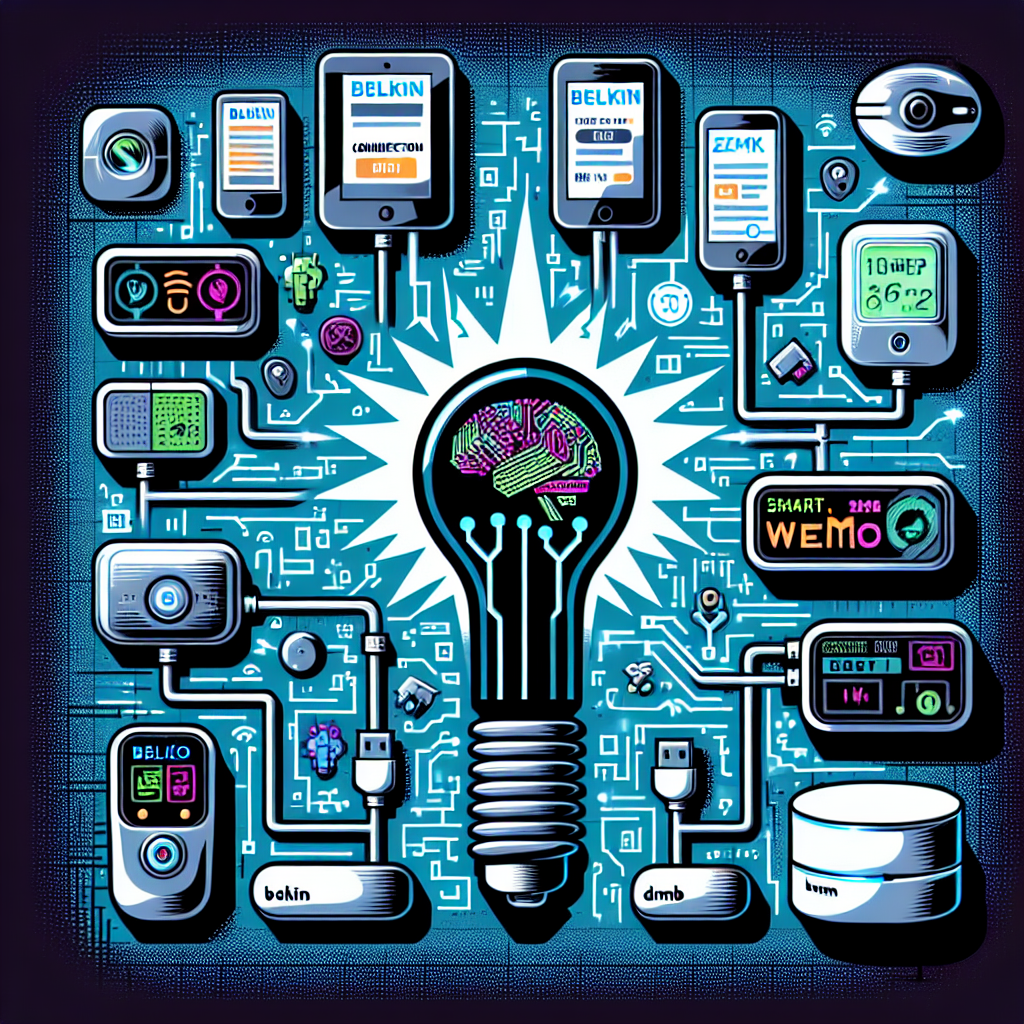
Your Wemo smart devices are about to get dumb as Belkin pulls the plug – ZDNET | Analysis by Brian Moineau

Your Wemo smart devices are about to get dumb as Belkin pulls the plug - ZDNET | Analysis by Brian Moineau

When Smart Devices Lose Their Minds: The Wemo Saga


In a world where our coffee makers remind us of meetings and our lights adjust to our moods, the idea of a "smart" home has transitioned from science fiction to reality. But what happens when our smart gadgets become, well, not so smart? The recent announcement from Belkin, the parent company of Wemo, that they are ending support for nearly all of their smart home devices, has left many users in the lurch. [ZDNet reports](https://www.zdnet.com) on this unexpected turn of events, shedding light on a growing concern in the realm of Internet of Things (IoT) devices.

The Rise and Fall of Wemo


Wemo, once a pioneer in the smart home device market, offered products that allowed users to control their home environment with the touch of a button or the sound of a voice command. From smart plugs and light switches to cameras and dimmers, Wemo was the go-to brand for many tech enthusiasts. However, as technology evolves, so do the demands and expectations of consumers.

Belkin's decision to pull the plug on Wemo support seems to be a response to the rapidly changing landscape of smart home technology. With giants like Google and Amazon dominating the market with their Google Home and Alexa ecosystems, smaller players like Wemo face intense competition. This move by Belkin may be an attempt to refocus resources or pivot their strategy in a tech world that waits for no one.

The Broader Context: When Tech Companies Abandon Ship


Wemo's situation is not isolated. As technology advances at breakneck speed, companies often leave older models and systems behind. Remember when Google decided to phase out its Works with Nest program, leaving many smart home users scrambling to find alternatives? Or when Sonos announced it would stop supporting some of its older speakers, causing an uproar among loyal customers?

These instances highlight a growing issue in the tech industry: the sustainability of smart devices. As more companies push for innovation, the longevity of devices seems to be decreasing. This cycle of constant upgrading not only burdens consumers but also raises concerns about electronic waste and environmental impact.

The Human Side of Smart Tech


While the technical aspects of this story are fascinating, it's important to remember the human side of technology. Many Wemo users have invested time and money into setting up their smart homes. For them, this news is more than just an inconvenience—it's a disruption to their daily routines. It's a reminder that in our quest for convenience, we often become reliant on technology that may not stand the test of time.

This situation also echoes a broader societal trend. As we become more dependent on technology, we must also become more adaptable. Whether it's learning to use a new app, upgrading our devices, or finding alternatives when support ends, adaptability is quickly becoming a necessary skill in our tech-driven world.

Final Thoughts: Adapt and Innovate


The Wemo saga serves as a cautionary tale for both consumers and tech companies. For consumers, it's a reminder to be mindful of the technology we depend on and to prepare for the unexpected. For companies, it's a call to prioritize customer loyalty and consider the long-term impact of their decisions.

In the end, the world of technology is ever-evolving, and with that comes both challenges and opportunities. While it's disappointing to see Wemo devices lose their "smart" capabilities, it's also a chance for innovation and reimagining what the future of smart homes might look like. As we move forward, let's embrace change, learn from the past, and continue to create a future that's not only smart but also sustainable and user-friendly.

Read more about AI in Business

Read more about Latest Sports Trends

Read more about Technology Innovations

Aqara’s feature-packed G410 video doorbell is now available – The Verge | Analysis by Brian Moineau

Aqara’s feature-packed G410 video doorbell is now available - The Verge | Analysis by Brian Moineau

Aqara G410 Video Doorbell: A New Era of Smart Home Security

In the ever-evolving world of smart home technology, the Aqara G410 video doorbell has emerged as a game-changer, packed with features that are bound to make tech enthusiasts swoon. Priced at a competitive $129.99, this device doesn't just open doors to your home—it opens a world of possibilities for enhancing security and connectivity. As we delve into the specifics of this gadget, let's explore how it fits into the broader landscape of technology and smart living.

A Symphony of Features

The Aqara G410 is not just any video doorbell; it's a symphony of cutting-edge technology. Featuring mmWave radar, it offers advanced motion detection capabilities, allowing it to differentiate between humans and inanimate objects with impressive accuracy. This means fewer false alarms and more peace of mind.

Moreover, the integration with HomeKit Secure Video ensures that your footage is not only easily accessible but also securely encrypted, keeping your privacy intact. With local recording and RTSP support, the G410 caters to a variety of preferences, whether you're an Apple aficionado or a fan of open-source solutions.

One standout feature is its role as a Matter controller. Matter is the new standard for smart home devices, aiming to unify the fragmented world of smart home ecosystems. With the G410, Aqara is not just keeping up with trends—it's setting the stage for future-forward homes that are more connected and interoperable than ever before.

Connecting the Dots

The introduction of the Aqara G410 comes at a time when smart home technology is rapidly advancing. The global smart home market, according to a report by MarketsandMarkets, is projected to reach $138.9 billion by 2026, growing at a CAGR of 27.07%. In this context, devices like the G410 are not just novelties; they are necessities that shape the future of home living.

Furthermore, the emphasis on interoperability, as seen with the inclusion of Matter, mirrors a broader shift in technology towards open standards. This is reminiscent of the recent developments in the tech world where companies like Apple, Google, and Amazon are collaborating on the Matter standard, showcasing a rare spirit of cooperation in an industry often defined by competition.

A Light-Hearted Look at the Future

Imagine a world where your video doorbell can chat with your smart refrigerator about the groceries delivered, or your thermostat adjusting itself when it senses you approaching the door. While this might sound like a scene from "The Jetsons," devices like the Aqara G410 are bringing us closer to this reality.

In a time when technology can sometimes feel overwhelming, the G410 stands out as a beacon of simplicity and efficiency, proving that smart devices can be both functional and fun. It's not just about keeping unwanted visitors at bay; it's about welcoming a smarter way of living.

Final Thoughts

The Aqara G410 video doorbell is a testament to how far we've come in the realm of smart home technology. It's a symbol of the seamless integration of security, convenience, and cutting-edge innovation. As we embrace these advancements, it's essential to remember the ultimate goal: creating homes that are not just smart, but also harmonious and human-centric.

As we keep an eye on the ever-changing landscape of smart home devices, the Aqara G410 reminds us that the future is not just knocking at our doors—it's ringing the bell.

Read more about AI in Business

Read more about Latest Sports Trends

Read more about Technology Innovations