Why CEOs are using AI to scare workers – Axios | Analysis by Brian Moineau

Why CEOs are using AI to scare workers - Axios | Analysis by Brian Moineau

The AI Paradox: Why CEOs are Using Artificial Intelligence as a Boogeyman


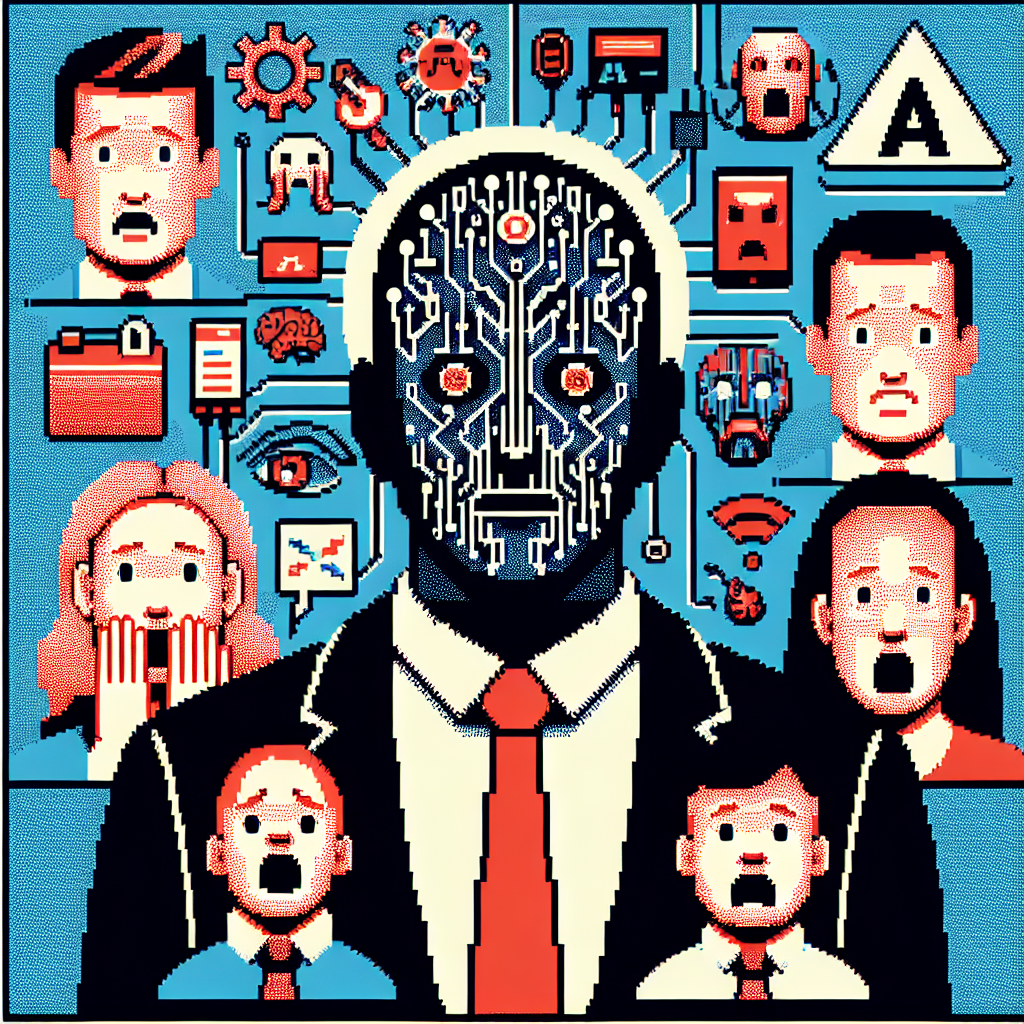
In the age of rapid technological advancement, few things spark as much intrigue—and anxiety—as artificial intelligence (AI). An article from Axios titled "Why CEOs are using AI to scare workers" delves into the intriguing dynamic where leaders of large corporations are simultaneously heralding AI as the future while also warning their workforce of its potential to disrupt and displace. This intriguing paradox raises questions about the motives and implications of such messaging, especially in today’s fast-evolving work landscape.

AI: The New Corporate Tool of Motivation?


Imagine being part of a workforce where the CEO encourages you to embrace a new technology that could, paradoxically, make your role obsolete. It's akin to being handed a double-edged sword. On one hand, AI is positioned as a tool for enhancing productivity and efficiency, while on the other, it's depicted as a looming threat to job security. This duality isn't just a strategic move; it's a reflection of the broader societal shift towards automation and digital transformation.

CEOs might be using AI as a scare tactic for a few reasons. First, it might be a strategic push to accelerate digital literacy and adaptability among employees. By highlighting the potential for job displacement, they create an urgency for workers to upskill and integrate AI into their work. This tactic isn't new. Historically, the introduction of any groundbreaking technology—from the steam engine to personal computers—has been met with both enthusiasm and caution.

Drawing Parallels: AI and the Gig Economy


The current discourse around AI and job security is reminiscent of the rise of the gig economy. Platforms like Uber and Airbnb transformed traditional sectors, offering flexibility but also raising questions about job stability and benefits. As AI continues to evolve, it’s likely to further blur the lines between traditional employment and gig work. Just as workers adapted to the gig economy, they'll need to navigate the AI-driven landscape.

The Global AI Race


On the global stage, nations are racing to harness AI’s potential, with countries like China and the US making substantial investments in AI research and development. This global competition further fuels the narrative of urgency and inevitability surrounding AI adoption. The World Economic Forum has noted that while AI could displace some jobs, it also has the potential to create new roles that we can scarcely imagine today.

Final Thoughts: Embracing Change with Caution


While the rhetoric from CEOs might seem daunting, it’s crucial for both employees and leaders to approach AI with a balanced perspective. Embracing AI doesn’t mean surrendering to it. Instead, it’s about integrating it intelligently to augment human capabilities, not replace them. Workers should focus on building skills that complement AI, such as emotional intelligence, creativity, and complex problem-solving—areas where machines still lag behind humans.

In this era of digital transformation, the key is not to fear the machine, but to understand and work alongside it. As we’ve seen with previous technological shifts, adaptability and learning are our greatest allies. So, while AI might be the latest bogeyman in the corporate world, it also holds the promise of a future where humans and machines collaborate to achieve the unimaginable. Let's embrace this brave new world with informed optimism.

Read more about AI in Business
Read more about Latest Sports Trends

Read more about Technology Innovations

Nvidia CEO Jensen Huang Sounds Alarm As 50% Of AI Researchers Are Chinese, Urges America To Reskill Amid ‘Infinite Game’ – Yahoo Finance | Analysis by Brian Moineau

Nvidia CEO Jensen Huang Sounds Alarm As 50% Of AI Researchers Are Chinese, Urges America To Reskill Amid 'Infinite Game' - Yahoo Finance | Analysis by Brian Moineau

The AI Global Race: A Call to Action from Nvidia's Jensen Huang

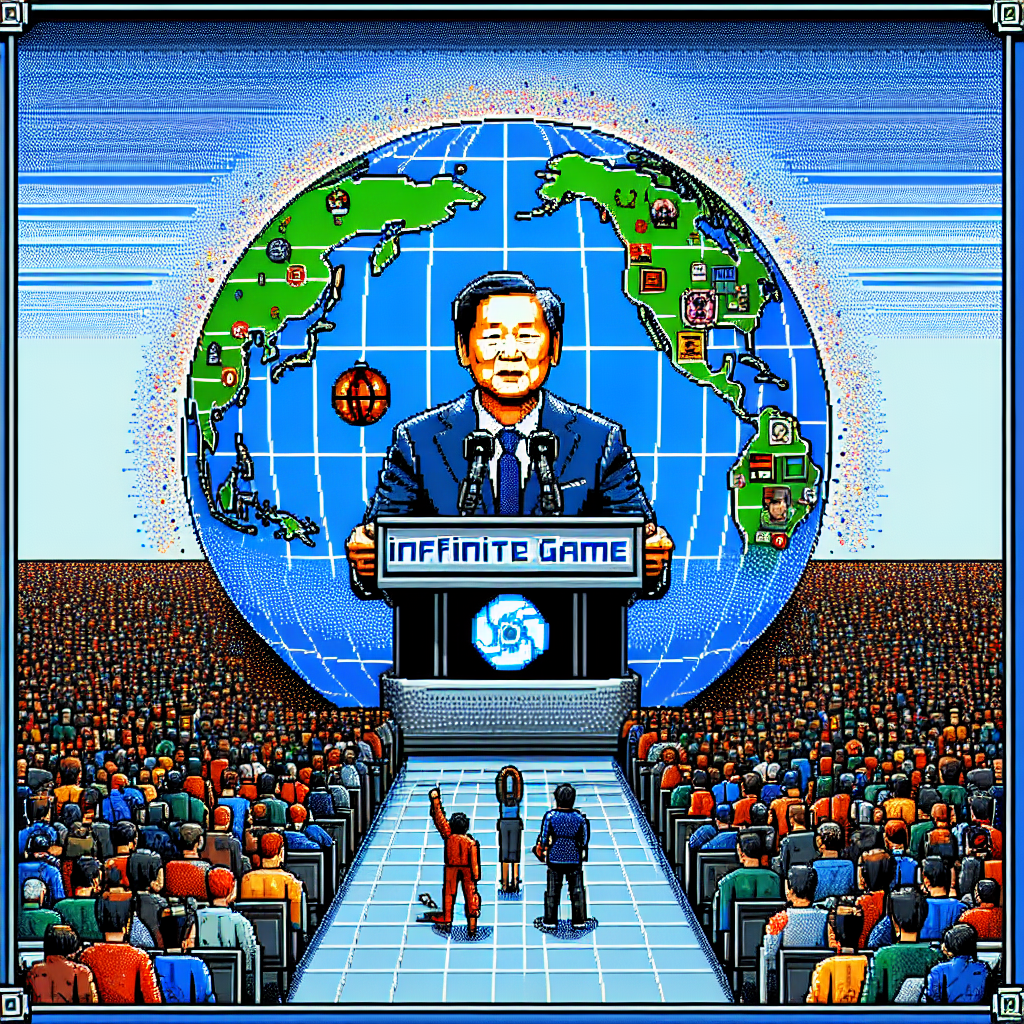
In a world where technology evolves faster than the latest TikTok trend, Nvidia CEO Jensen Huang is sounding the alarm on America’s need to embrace artificial intelligence (AI) as a strategic imperative. During a recent address, Huang highlighted a striking statistic: 50% of AI researchers are Chinese. This revelation is both a wake-up call and a rallying cry for the United States to revamp its approach to AI and technology education.

Huang's message is clear—America needs to reskill its workforce to remain competitive in what he describes as an "infinite game." Unlike a finite game, where players vie for a clear endpoint, this infinite game of AI innovation has no finish line. It's all about persistence, adaptation, and continuous improvement. The stakes are high, and the competition is fierce.

The Global AI Landscape

The global AI landscape is evolving rapidly, with countries like China making significant strides. China's investment in AI research and development is substantial, supported by robust government policies and a vast pool of tech-savvy talent. Their progress in AI, particularly in areas like facial recognition and data analytics, underscores the importance of strategic investment and education in the field.

Meanwhile, in the United States, tech giants like Google, IBM, and Microsoft are leading the charge in AI innovation. However, Huang's comments suggest a broader need for a national strategy that goes beyond the efforts of a few companies. This involves not only investing in emerging technologies but also fostering a culture of continuous learning and adaptation across all sectors.

Jensen Huang: A Visionary Leader in Tech

Jensen Huang, a Taiwanese-American entrepreneur, co-founded Nvidia in 1993. Under his leadership, Nvidia has become a powerhouse in the semiconductor industry, known for its graphics processing units (GPUs) that power everything from gaming to AI research. Huang's foresight and commitment to innovation have positioned Nvidia at the forefront of technological advancements, particularly in AI and machine learning.

Huang's insights are not only shaped by his experience at Nvidia but also reflect broader trends within the tech industry. His call to action is a reminder of the importance of leadership in navigating the complexities of technological change. As AI continues to transform industries and societies, leaders like Huang play a crucial role in guiding the conversation and shaping the future.

The Bigger Picture: Education and Policy

Huang’s emphasis on reskilling resonates with ongoing discussions about the future of work and education. As AI and automation reshape job markets, the need for adaptive learning and skills training becomes increasingly urgent. Initiatives like coding boot camps, online courses, and collaborative tech hubs are essential in equipping the workforce with the skills needed to thrive in an AI-driven economy.

Moreover, policymakers must consider the implications of AI on privacy, ethics, and security. Collaborative efforts between government, academia, and industry are vital in developing frameworks that balance innovation with societal well-being.

Final Thoughts

Jensen Huang’s call for America to fully embrace AI is more than just a strategic recommendation—it's a vision for future-proofing the nation in an ever-evolving technological landscape. As we navigate this infinite game, the ability to learn, adapt, and innovate will determine our success. By investing in education, fostering collaboration, and embracing change, America can secure its position as a leader in AI and technology for generations to come.

In the words of Charles Darwin, “It is not the strongest of the species that survive, nor the most intelligent, but the one most responsive to change.” In the realm of AI, this mantra rings truer than ever. Let's heed Huang's call to action and embrace the infinite possibilities ahead.

Read more about AI in Business

Read more about Latest Sports Trends

Read more about Technology Innovations