Belichick’s Petty T-Shirt Mic Drop | Analysis by Brian Moineau

Nobody does petty better than Bill Belichick (and apparently his entourage)

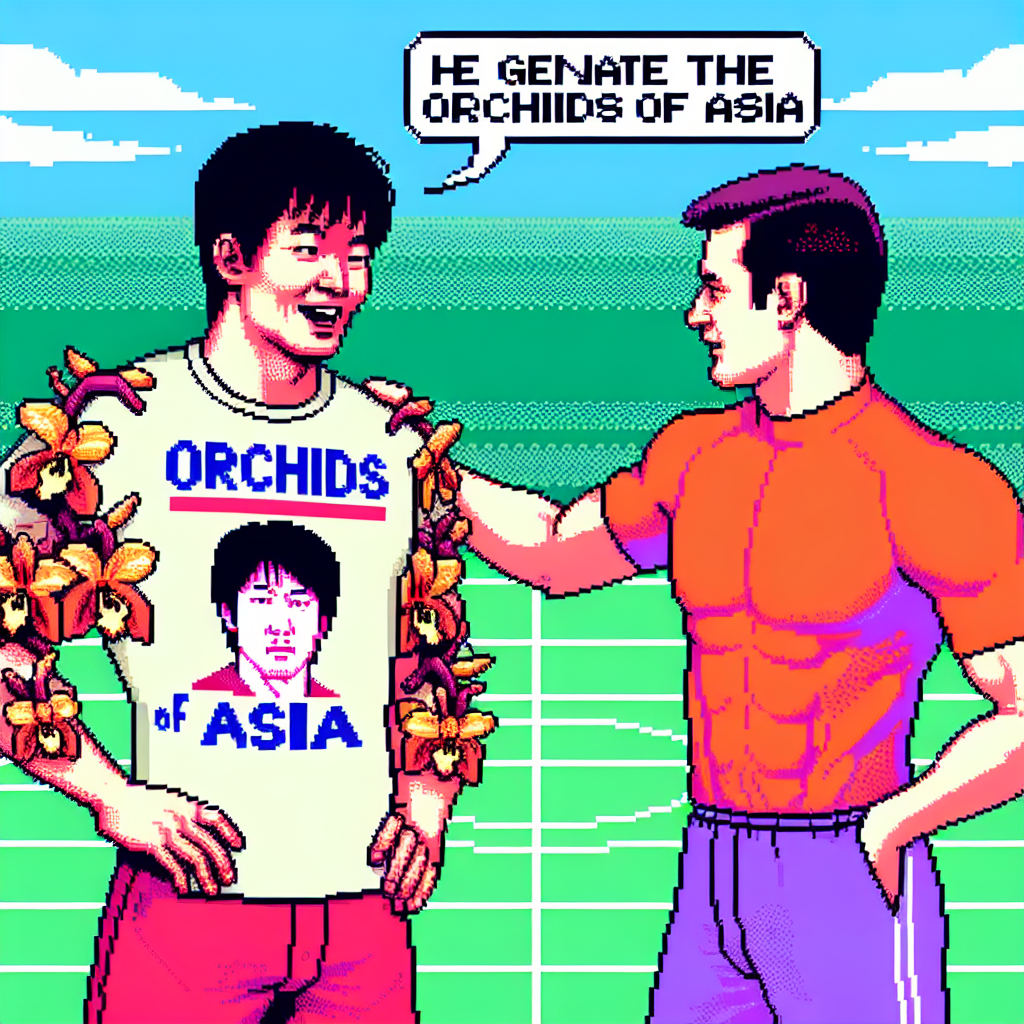
There are athletic rivalries and then there is full-on petty theater — the kind that plays out with perfect timing, pointed symbolism, and a wink that says, “You know exactly what I mean.” On February 8, 2026, Jordon Hudson, longtime girlfriend of Bill Belichick, showed up at the UNC–Duke game wearing an “Orchids of Asia Day Spa” T‑shirt. For anyone who remembers the 2019 Jupiter, Florida, scandal that briefly ensnared Patriots owner Robert Kraft, the shirt was less fashion choice and more mic drop.

This wasn’t subtle. It was theatrical. It was the kind of move that turns a sideline photo into the latest episode of an ongoing narrative: the Belichick–Kraft rift, the Hall of Fame snubs, and a dynasty’s backstage drama playing out on the public stage.

What happened and why it landed

  • Jordon Hudson appeared at the UNC–Duke basketball game wearing an Orchids of Asia Day Spa T‑shirt — a brand name associated with the 2019 legal sting that led to charges against Robert Kraft (charges were later dropped). (NBC Sports, Boston.com).
  • The timing was striking: the shirt showed up on the eve of Super Bowl LX and shortly after both Belichick and Kraft were passed over for the 2026 Pro Football Hall of Fame class — a moment that has already fueled tension between the two men. (NBC Sports, Boston.com).
  • The visual provoked a strong reaction online and in local coverage: some called it hilarious and perfectly petty; others found it in poor taste and unnecessarily provocative (Boston Globe, CBS Sports).

Why this is classic Belichick-level pettiness (even if he didn’t wear the shirt)

  • Symbolic payback beats direct confrontation. Belichick’s brand has always been about psychological edge — and this kind of off-field signaling keeps that culture alive without an on-the-record statement.
  • It extends a narrative. The Belichick–Kraft story isn’t just about two men — it’s about power, legacy, and how the Patriots dynasty is remembered. A shirt like this is a cheap, viral way of steering public perception.
  • Timing is everything. Wearing it around the Super Bowl and after the Hall of Fame snub turns a personal jab into a national talking point.

Context and recent history you should know

  • Orchids of Asia Day Spa was at the center of a 2019 investigation in Jupiter, Florida, that led to misdemeanor solicitation charges against several men, including Robert Kraft; those charges were later dropped after legal rulings about the surveillance used in the investigation. (Boston.com, The Boston Globe).
  • Bill Belichick coached the Patriots for 24 seasons and built a run of sustained success; tensions with Kraft deepened after Belichick’s 2024 departure from New England and have included public barbs and media narratives that portray each man differently. (NBC Sports coverage).
  • Jordon Hudson has previously made headlines for attention-grabbing moments — most notably a T‑shirt referencing Super Bowl LI and a tendency to insert herself into public moments around Belichick — so this move fits an established pattern. (NBC Sports, Boston Globe).

The broader meaning beyond the meme

This isn’t only about an awkward photo op. It’s emblematic of how modern sports drama is performed across platforms, where symbolism and image often carry as much currency as on-field accomplishments.

  • Legacy vs. narrative: The two men are now part of how the Patriots dynasty is told. Public spats and visual jabs influence which version of that story gets airtime.
  • Media and optics: In the social age, sideline snapshots travel wider and faster than any press release. A single shirt can define stories for days.
  • The human element: Personal slights — real or perceived — matter. Whether you see this as justified payback or unnecessary provocation depends on which side of the story you’re on, but the gesture reminds us that sports leadership is personal as well as professional.

A few notable reactions

  • Some reporters and fans hailed it as a perfectly timed, witty bit of petty drama — the kind of pop-culture zinger that keeps the Belichick mystique alive.
  • Others criticized the move as crude or mean-spirited, arguing it dredged up a painful subject for little more than a viral moment.
  • The exchange underlines how public figures weaponize imagery and memory in ways that traditional rivalry never did.

Final thoughts

Whether you laugh at the audacity or wince at the tone, the Orchids T‑shirt is a reminder: petty is a performance art, and Bill Belichick — by personality and proximity — is now a masterclass. In an era when off-field gestures can alter the conversation around legacy, one T‑shirt is enough to keep the feud alive and the headlines rolling.

Would it change anything meaningful about either man’s place in football history? Almost certainly not. But for a fleeting, perfectly petty moment, it gave the public the kind of theater that sports media runs on — a visual one-liner that sums up a much larger, complicated relationship.

Things to remember

  • This was a symbolic, public gesture tied to a real 2019 investigation in Florida; the criminal charges referenced were later dismissed.
  • The incident feeds into a larger narrative about Belichick’s split from the Patriots and the fraught public relationship between him and Robert Kraft.
  • In modern sports, image and timing can be as influential as wins and losses in shaping legacy.

Sources


Related update: We recently published an article that expands on this topic: read the latest post.

Related update: We recently published an article that expands on this topic: read the latest post.

Tisch, Epstein Emails and Public Trust | Analysis by Brian Moineau

Epstein’s emails and the Steve Tisch revelations: why the latest document dump matters

A short, sharp scene: an email thread from 2013 shows Jeffrey Epstein offering to connect New York Giants co-owner Steve Tisch with women — one exchange even has Tisch asking, “Is she fun?” The U.S. Department of Justice’s recent release of millions of pages of Epstein-related material has forced that exchange and others back into the public eye, raising familiar questions about power, access and accountability.

This post walks through what the records show, why those details matter beyond the salacious headlines, and how to think about reputational fallout when prominent figures appear in leaked or released documents tied to criminal networks.

Why this story landed in the headlines

  • The Department of Justice released a massive trove of documents related to Jeffrey Epstein and Ghislaine Maxwell in late January 2026 under the Epstein Files Transparency Act.
  • Multiple news outlets reported that the files contain emails from 2013 in which Epstein repeatedly offered or arranged meetings between women and Steve Tisch, who has been a co-owner and executive of the New York Giants for decades.
  • Tisch has publicly said he “had a brief association” with Epstein, exchanged some emails about “adult women,” and “did not take him up on any of his invitations” nor visited Epstein’s private island. He was not charged with any crimes related to Epstein’s trafficking.

What the newly released emails actually show

  • The exchanges appear to be largely contemporaneous threads from 2013 in which Epstein proposes or confirms introductions between Tisch and various women — described by Epstein in transactional language and sometimes with details about travel, age differences, or anxieties.
  • Some messages show Tisch asking pointed questions (for example, whether a woman was a “working girl” or whether she was “fun”) and responding casually when Epstein followed up about encounters.
  • Other messages reference professional topics — movies, philanthropy, or invitations to sporting events — mixing conventional networking with arrangements that read as personal and sexual in nature.

(These descriptions are based on contemporaneous reporting and direct excerpts from the released files as covered by major outlets.)

A few ways to interpret these revelations

  • Reputation vs. criminal liability:
    • Being named in documents or receiving introductions does not equal criminal wrongdoing. Tisch has not been charged, and he denies participation in criminal acts linked to Epstein.
    • But reputational harm can be swift and enduring for public figures tied—even peripherally—to criminal networks, particularly in sex-trafficking scandals.
  • Power dynamics and plausibility:
    • The exchanges exhibit the social choreography that allowed Epstein to act as a broker of introductions between wealthy men and vulnerable or young women. That pattern matters because it helps explain how trafficking networks exploited influence and financial incentives.
  • Media and institutional response:
    • Teams, leagues, studios and foundations often respond defensively or with distance when board members or executives are implicated. Statements of regret, clarification of limited contact, or policies review are typical first steps — but not always sufficient to restore public trust.

What we should ask next

  • Transparency: Will institutions connected to named individuals disclose any internal reviews or conclusions about conduct and associations?
  • Context and corroboration: Do the emails stand alone, or are there additional documents, witness statements or contemporaneous evidence that further clarify intent and actions?
  • Policy: How will sports franchises and cultural institutions update vetting and governance to reduce the risk of leaders being entangled in abusive networks?

What to remember

  • Released emails indicate that Jeffrey Epstein acted as a connector between prominent men and women; they show social introductions and suggestive exchanges involving Steve Tisch but do not prove criminal conduct by Tisch.
  • The public and institutions reasonably expect clearer explanations from those named in the files — both about what happened and about steps taken since to address any ethical lapses.
  • Document dumps create headlines, but the long-term consequences fall on how organizations and individuals handle accountability, transparency, and prevention.

My take

The Epstein file releases are ugly, necessary reminders of how influence and commerce can cloak predatory behavior. When powerful people show up in those documents, we shouldn’t leap straight to assumptions about criminality — but we also shouldn’t minimize the moral responsibility that comes with wealth and leadership. The right first moves are clear: full transparency from institutions, independent review where warranted, and public policy that makes it harder for exploiters to operate in plain sight. The real test is whether cultural and legal systems learn from these revelations or simply file them away as another scandal headline.

Sources

(Note: links above point to non-paywalled news reporting on the January 2026 release of Epstein-related documents.)


Related update: We recently published an article that expands on this topic: read the latest post.


Related update: We recently published an article that expands on this topic: read the latest post.


Related update: We recently published an article that expands on this topic: read the latest post.


Related update: We recently published an article that expands on this topic: read the latest post.


Related update: We recently published an article that expands on this topic: read the latest post.

Princess Peach’s Voice Actor Has Been Replaced After 18 Years – Nintendo Life | Analysis by Brian Moineau

Princess Peach's Voice Actor Has Been Replaced After 18 Years - Nintendo Life | Analysis by Brian Moineau

A New Chapter for Princess Peach: Reflecting on Change in Gaming and Beyond


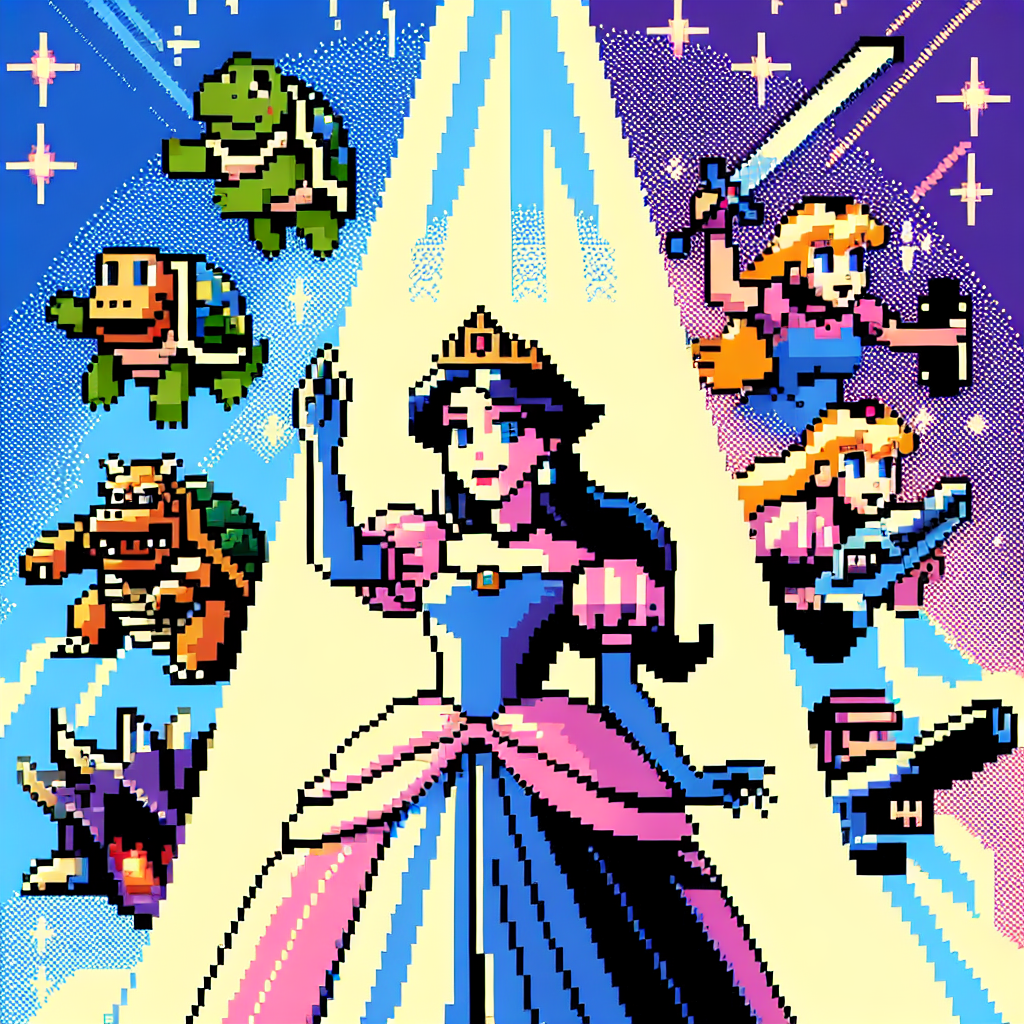
In a surprising twist of fate, our beloved Princess Peach is getting a new voice after 18 years. The news that Nintendo has decided to replace Jen Taylor, the long-time voice behind both Princess Peach and Toad, has sent ripples through the gaming community, prompting a mix of nostalgia and curiosity about what's next.

Jen Taylor's contribution to the world of Nintendo is nothing short of iconic. For nearly two decades, her voice has been synonymous with the Mushroom Kingdom's most regal resident. From her first appearance as Peach in "Mario Golf: Toadstool Tour" to her endearing portrayal of Toad, Jen's vocal talents have brought these characters to life in ways that have captivated audiences worldwide. Her ability to convey Peach's charm and Toad's endearing quirks has left an indelible mark on the franchise.

In the broader context of entertainment, this change highlights how characters and their portrayals evolve over time. Much like when Daniel Craig hung up his tuxedo as James Bond or when Doctor Who regenerates into a new actor, these transitions are both a challenge and an opportunity. They remind us that while change can be unsettling, it also opens doors to fresh interpretations and new stories.

From Hollywood to Hyrule, the world of entertainment is no stranger to such shifts. Consider the recent announcement of Hugh Jackman reprising his role as Wolverine in the Marvel Cinematic Universe. Fans rejoiced at the familiar face, but it also sparked discussions about the future of the character and the potential for new narratives. Similarly, the casting of a new voice for Princess Peach invites excitement and speculation about how this change might influence future Mario games and the character's development.

Outside the realm of gaming, the concept of change is equally poignant. In a world that's evolving faster than ever, adaptability is key. Whether it's the tech industry rolling out new AI advancements or companies embracing remote work, change remains the only constant. This sentiment resonates with Nintendo's decision to refresh its iconic characters—embracing change while respecting the legacy.

So, who will be the new voice of Princess Peach? While the answer remains a mystery for now, the anticipation is palpable. Will they bring a fresh energy or perhaps a nuanced depth to the character? Only time will tell, but one thing is certain: fans will be listening with open ears and hearts.

In conclusion, the changing of the guard for Princess Peach's voice is a reminder of the fluid nature of storytelling and character development. As we bid farewell to Jen Taylor’s era, we also welcome the potential for new adventures and interpretations. Just like in life, in gaming, it's not the end of the story but merely the beginning of a new chapter. So, let's embrace this change and look forward to the new tales waiting to be told. After all, in the immortal words of Mario himself, "Let's-a go!"

Read more about AI in Business

Read more about Latest Sports Trends

Read more about Technology Innovations