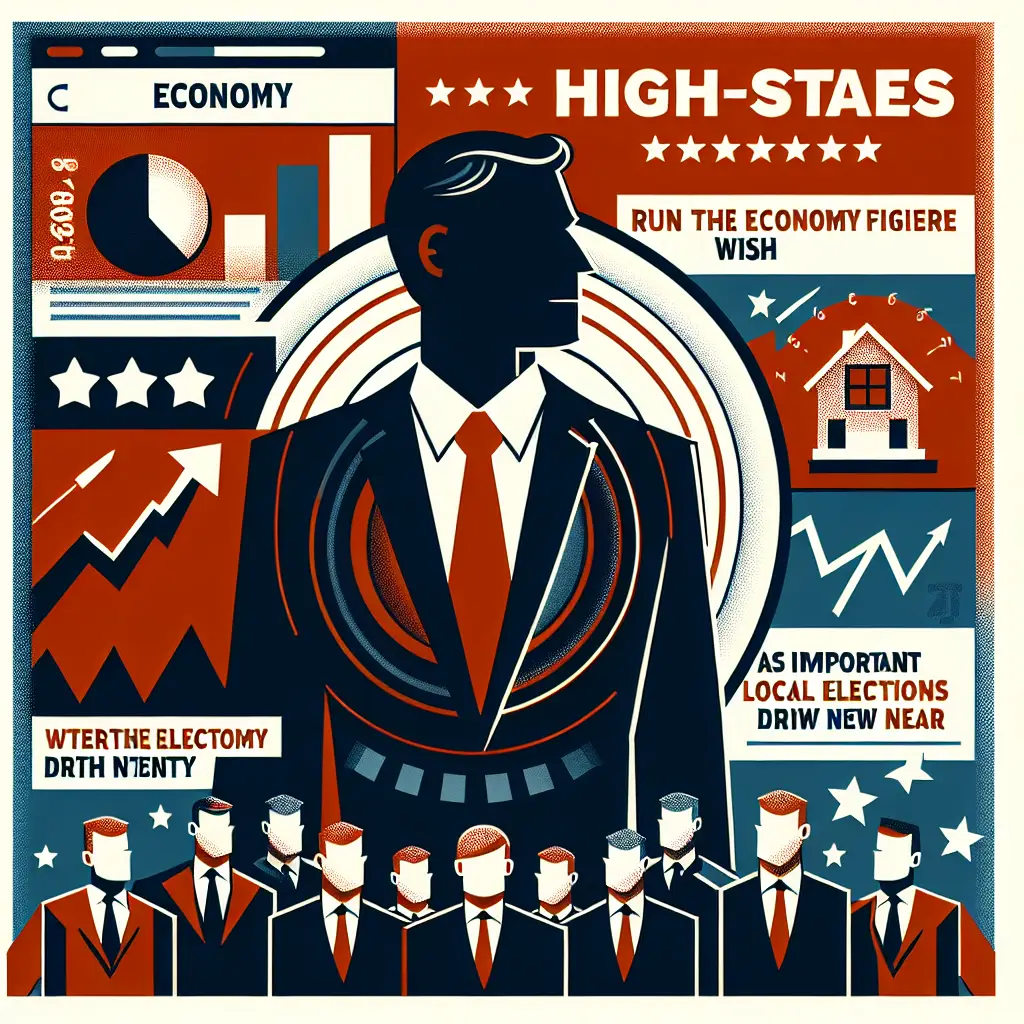
Running the Economy Hot: Politics, AI and the Bet for a Midterm Bounce
The White House is openly gambling that a hotter economy will translate into happier voters. Picture this: bigger tax refunds hitting bank accounts this spring, investment incentives nudging companies to spend, a friendlier regulatory climate—and a steady drumbeat about AI-driven productivity keeping inflation from erupting. It’s a full-court press aimed at lifting Republican prospects in November’s congressional elections.
Below I unpack what the administration is promising, why economists are split, and what voters and markets should watch as the calendar moves toward the midterms.
Why the administration thinks this will work
- The policy centerpiece is sweeping tax changes that increase refunds and lower tax bills for many households and businesses—money the White House says will fuel consumer spending and business investment.
- Officials are banking on three reinforcing forces: fiscal stimulus (tax refunds and incentives), looser regulation, and an expected easing of interest rates from the Federal Reserve.
- Crucially, they argue that productivity gains from broader AI adoption will expand supply and output, allowing wages and growth to rise without rekindling persistent inflation.
This is not subtle messaging. Administration officials and allies have framed the near-term goal as “running the economy hot” to deliver strong GDP numbers before voters cast ballots.
What’s actually in motion (and the timing)
- Tax refunds: New or extended provisions in recent tax legislation mean many filers will see larger refunds this filing season, which typically peaks from February through April. That timing could create visible short-term boosts in consumer spending.
- Business incentives: Provisions that accelerate write-offs and expand research & development credits are designed to push companies to invest now rather than later.
- Monetary policy hopes: The White House is counting on the Fed to cut rates in 2026, lowering borrowing costs and amplifying fiscal stimulus. That’s a political — and calendar-sensitive — wish.
- AI productivity argument: Officials point to faster productivity in IT and knowledge sectors as proof that AI can raise output without a proportional rise in prices.
The economist’s dilemma
- Stimulus composition matters. Tax cuts skewed toward higher earners and corporate incentives can increase GDP without producing the same marginal consumption boost as relief targeted at lower-income households. Higher-income recipients tend to save or invest a larger share.
- Timing and behavioral responses are uncertain. Many households carry elevated credit-card balances and might use refunds to pay debt rather than spend. Corporations may also delay investment if they see demand or policy risks.
- Inflation and the Fed. If growth re-accelerates faster than expected and inflation moves up, the Fed could tighten—undoing the administration’s hoped-for cycle of rate cuts.
- Tariffs, immigration stance and regulatory rollbacks could blunt gains. Trade barriers and policies that strain labor supply may raise costs and constrain growth even as tax-driven demand rises.
Who wins — and who might not
- Potential winners: Homeowners, asset-holders and firms positioned to benefit from accelerated investment or deregulation. Voters who receive larger refunds and feel immediate relief may reward incumbents.
- Potential losers: Younger, price-sensitive renters facing high housing costs; lower-income households that don’t see proportional benefit; and broader wage earners if inflation returns or housing and credit costs stay elevated.
- Political payoff depends on perception: Voters tend to reward perceivable personal economic gain. A headline GDP beat helps, but pocketbook effects (paychecks, refunds, mortgage rates) often matter more.
Signals to watch between now and November
- IRS refund flows and consumer spending figures (Feb–Apr): are refunds getting spent or used to pay down debt?
- Job growth and wage trends: sustained wage gains would bolster the “hot economy” narrative.
- Core inflation and Fed communications: any sign inflation is re-accelerating could prompt a policy pivot.
- Corporate capex announcements: are firms actually accelerating investment on the incentives?
- Housing and credit indicators: mortgage rates, home prices and consumer credit trends will shape broader sentiment.
Quick takeaways
- The administration is pursuing a time-sensitive strategy: fiscal boosts, deregulatory moves and a narrative about AI productivity to produce a visible economic lift before midterms.
- The policy mix could produce a short-term growth bump, but whether that translates into durable gains or voter gratitude is uncertain.
- The Federal Reserve and household responses (spending vs. debt repayment) are the two wildcards that will determine if “running hot” helps or backfires.
My take
This is a high-stakes political experiment wrapped in economic policy. The mechanics are plausible—a tax-season boost, combined with business incentives, can push GDP higher in the short run. But economics is full of second acts: who receives the gains, how they use them, and how monetary policy reacts. If AI does meaningfully raise productivity and the Fed leans dovish as hoped, the White House narrative could be vindicated. If inflation surprises to the upside or refunds flow into debt repayment, the engine sputters—and the political returns may fall short.
Sources
-
Trump wants to run the economy hot, as midterm elections approach — The Washington Post.
https://www.washingtonpost.com/business/2026/02/08/economic-boom-2026-elections/ -
President Trump Delivers Largest Tax Refund Season in U.S. History — The White House (January 26, 2026).
https://www.whitehouse.gov/articles/2026/01/president-trump-delivers-largest-tax-refund-season-in-u-s-history/ -
Working Families Tax Cuts Boost Tax Refunds — U.S. Senate Committee on Finance (January 26, 2026).
https://www.finance.senate.gov/chairmans-news/working-families-tax-cuts-boost-tax-refunds -
Trump aims for economic boom ahead of midterms — The Boston Globe.
https://www.bostonglobe.com/2026/02/08/nation/trump-economy-hot-midterm-elections/
Related update: We recently published an article that expands on this topic: read the latest post.
Related update: We recently published an article that expands on this topic: read the latest post.
Related update: We recently published an article that expands on this topic: read the latest post.