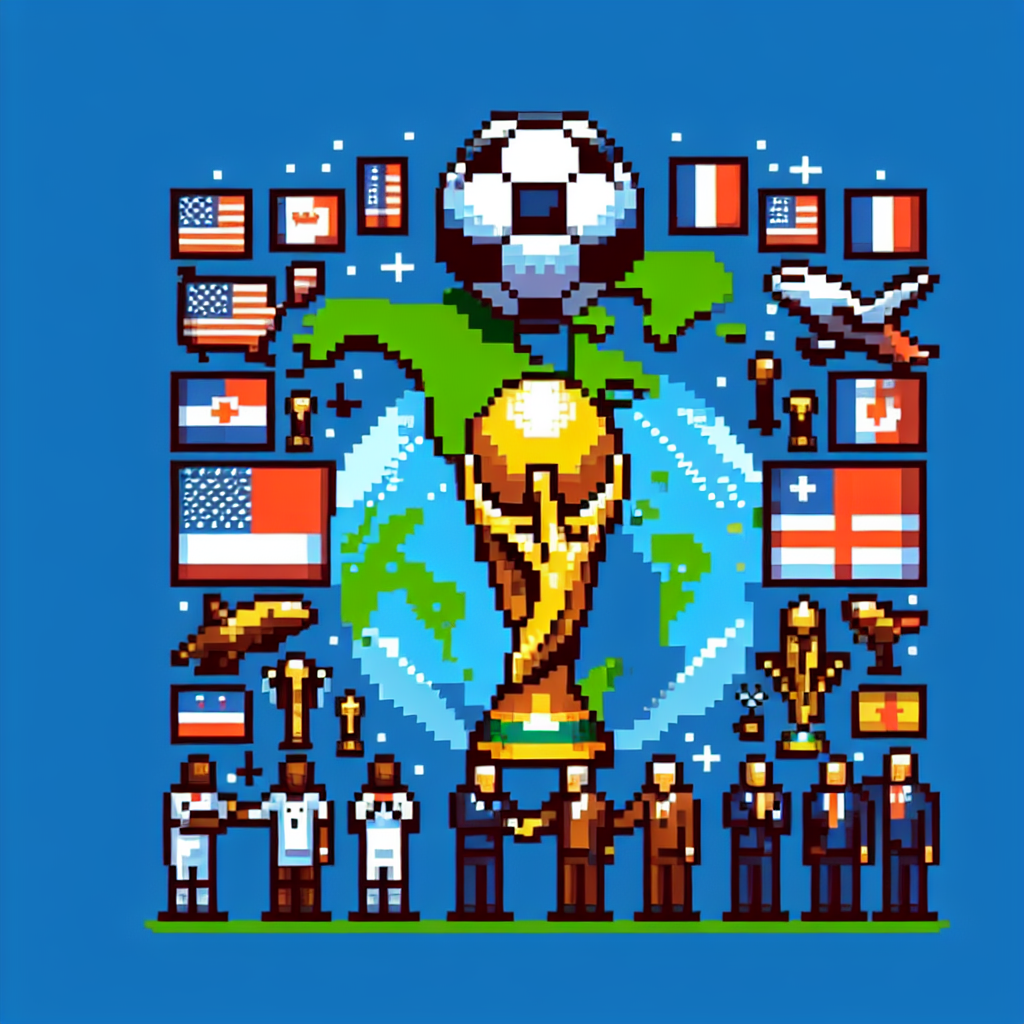
Three Nations, Three World Cup Experiences | Analysis by Brian Moineau

When a Continental Win Becomes Three Separate Shows

An unexpected split is taking shape ahead of the FIFA World Cup 2026. What began as a landmark North American victory — Canada, Mexico and the United States winning the right to co-host the expanded 48‑team World Cup — is starting to look less like a unified celebration and more like three overlapping tournaments driven by different priorities, politics and practicalities.

Opening hook

Imagine a single global party with three hosts who don’t quite agree on the playlist, the budget or who’s footing the bar tab. That’s the vibe right now: spectators will still flock to 16 host cities across the continent, but fans, organizers and local governments are preparing for very different experiences depending on which border they cross.

The promise — and how it frays

  • The United 2026 bid was sold as a demonstration of continental unity: shared infrastructure, shared storytelling, and a chance to show the world a diverse, cooperating region. That shared narrative helped beat Morocco and won FIFA votes.
  • But hosting responsibilities were never evenly distributed. The U.S. will stage the lion’s share of matches (78 of 104), including the knockout rounds and final, while Mexico and Canada each host 13 matches. That imbalance sets different stakes for each country. (en.wikipedia.org)

Three different agendas

  • United States: scale, security, and local headaches

    • The U.S. model leans heavily on decentralized host committees. Each U.S. city is responsible for much of the operations, security, permitting and costs — a setup that shifts financial risk to local governments and creates inconsistent readiness and enthusiasm. Some cities have balked at FIFA’s terms or at paying up-front security bills, and federal security funds promised for host cities have been slow to flow. That produces a patchwork of preparedness and local political fights rather than a single national push. (en.wikipedia.org)
    • Politics has seeped into planning. High-level U.S. interventions — from presidential task forces to public statements about “safe” cities — introduce uncertainty that can ripple through FIFA, sponsors and traveling fans. (apnews.com)
  • Mexico: heritage, passion, and risk management

    • Mexico brings deep soccer culture and iconic stadiums (notably Estadio Azteca). For Mexican organizers, the World Cup is both a sporting moment and a chance to showcase national football heritage and tourism. But safety concerns tied to crime and local security dynamics are real and have prompted contingency conversations and scrutiny. FIFA maintains confidence in Mexico’s readiness even as observers highlight risks and the potential need for alternate plans. (dailyjusticengr.com)
  • Canada: cautious optimism and logistical constraints

    • Canada’s hosting footprint is smaller but strategic: Toronto and Vancouver are set to host key matches and fan festivals. Canadian hosts emphasize public health, environmental concerns (wildfire smoke risks), and scaled fan experiences. Cities are planning large public festivals, but the smaller number of games and greater geographic distance between cities shape a different, more localized approach to the World Cup atmosphere. (apnews.com)

Practical consequences fans will notice

  • Inconsistent fan festivals and public programming: U.S. cities scaling back expected events because of local costs or political priorities; Canada and Mexico planning different styles of civic engagement and public viewing. (newsweek.com)
  • Security and funding gaps: debates over who pays for policing, medical services and emergency response have led to delays and local friction in U.S. host cities. Examples include licensing disputes, withheld approvals and battles over federal reimbursement timing. (en.wikipedia.org)
  • Political headlines becoming part of the story: trade tensions, immigration policy rhetoric and high‑profile political interventions risk overshadowing match-day narratives and souring fan sentiment, especially for travelers worried about visas, safety or admission rules. (apnews.com)
  • Environmental and health risks: wildfire smoke and extreme heat are variable regionally and may force last-minute operational moves or altered fan experiences, particularly in western Canada and southern U.S. venues. (apnews.com)

Why this matters beyond sport

  • A World Cup is both spectacle and soft power. When three neighbors co-host successfully, it can reshape global impressions of regional cooperation and civic capacity. When hosting is fractured, it exposes governance weaknesses — who pays, who decides and who is accountable — and that can eclipse on-field drama.
  • Economic expectations are uneven. Cities and regions counted on tourism and downtown activity; when festivals are scaled back or local fighters refuse licenses over cost, the expected economic windfall and small-business boosts may fall short. (newsweek.com)

What could re-unify the experience

  • Clearer federal coordination in the U.S., with timely distribution of promised funds and centralized guidance for security and permits, would reduce the patchwork effect.
  • Cross-border cultural programming and synchronized fan experiences — coordinated fan zones, shared broadcast moments and joint marketing — can help preserve a single narrative even if delivery differs by country.
  • Contingency plans for safety or climate issues that are transparent and jointly communicated would calm fans and stakeholders across borders. (en.wikipedia.org)

My take

This World Cup will still be historic: more teams, more cities, and the chance to watch global football across an entire continent. But the spectacle fans expect — the sense that North America is throwing one giant, coordinated party — is at risk. The three hosts are operating from different playbooks: the U.S. is navigating decentralized logistics and political friction, Mexico is balancing legacy and security, and Canada is emphasizing measured public events and public-health concerns. The quality of the tournament won’t hinge only on goals and upsets; it will also hinge on crisis management, coherent communication, and whether organizers can stitch these separate efforts into a convincing continental story.

Final thoughts

Fans will still see great soccer. What’s less certain is whether the 2026 World Cup will be remembered as a unified North American triumph — or as an impressive but disjointed continental showcase. Either way, the tournament will teach a lot about modern mega-event governance: big, cross-border wins are easy to sell; making them feel like one shared success is the real challenge.

Sources

(Note: I used multiple news and reporting sources to shape perspective and context.)


Related update: We recently published an article that expands on this topic: read the latest post.
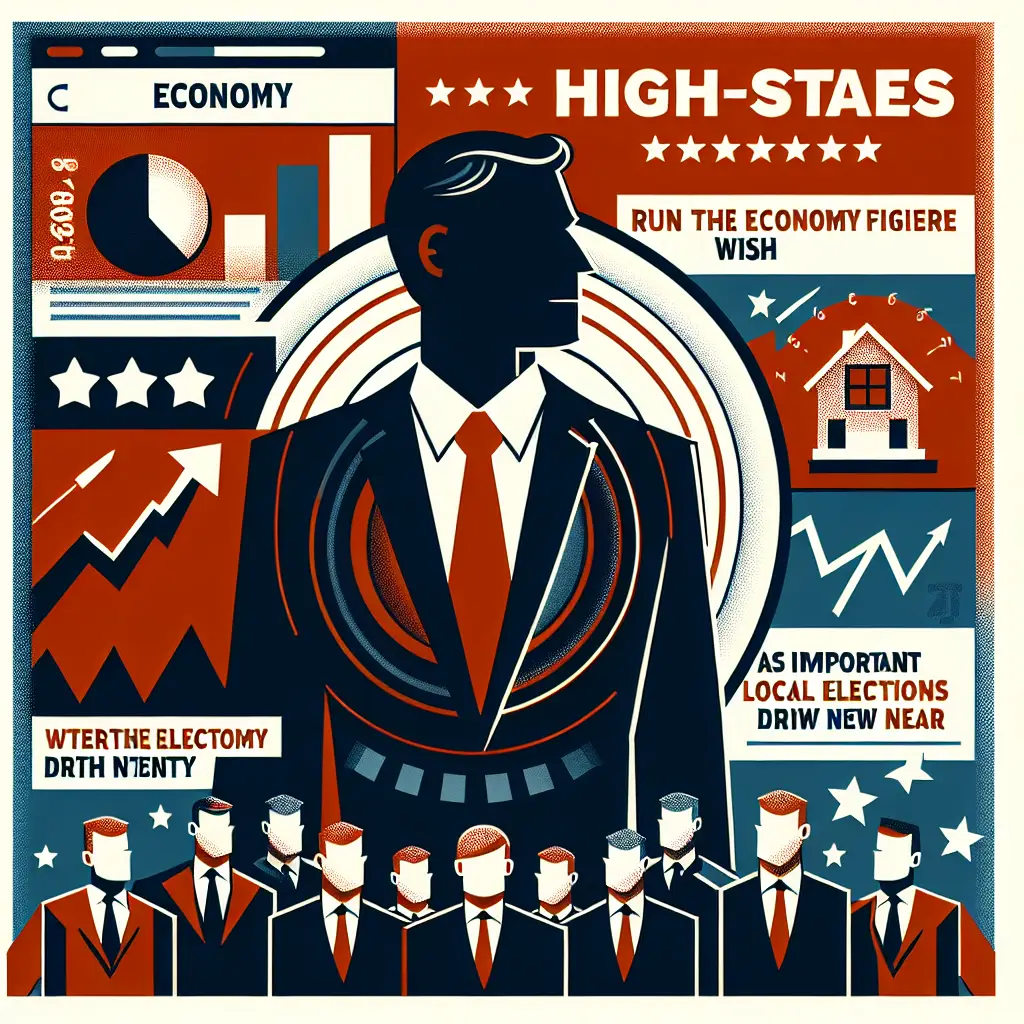
Betting on a Hot Economy to Win Midterms | Analysis by Brian Moineau

Running the Economy Hot: Politics, AI and the Bet for a Midterm Bounce

The White House is openly gambling that a hotter economy will translate into happier voters. Picture this: bigger tax refunds hitting bank accounts this spring, investment incentives nudging companies to spend, a friendlier regulatory climate—and a steady drumbeat about AI-driven productivity keeping inflation from erupting. It’s a full-court press aimed at lifting Republican prospects in November’s congressional elections.

Below I unpack what the administration is promising, why economists are split, and what voters and markets should watch as the calendar moves toward the midterms.

Why the administration thinks this will work

  • The policy centerpiece is sweeping tax changes that increase refunds and lower tax bills for many households and businesses—money the White House says will fuel consumer spending and business investment.
  • Officials are banking on three reinforcing forces: fiscal stimulus (tax refunds and incentives), looser regulation, and an expected easing of interest rates from the Federal Reserve.
  • Crucially, they argue that productivity gains from broader AI adoption will expand supply and output, allowing wages and growth to rise without rekindling persistent inflation.

This is not subtle messaging. Administration officials and allies have framed the near-term goal as “running the economy hot” to deliver strong GDP numbers before voters cast ballots.

What’s actually in motion (and the timing)

  • Tax refunds: New or extended provisions in recent tax legislation mean many filers will see larger refunds this filing season, which typically peaks from February through April. That timing could create visible short-term boosts in consumer spending.
  • Business incentives: Provisions that accelerate write-offs and expand research & development credits are designed to push companies to invest now rather than later.
  • Monetary policy hopes: The White House is counting on the Fed to cut rates in 2026, lowering borrowing costs and amplifying fiscal stimulus. That’s a political — and calendar-sensitive — wish.
  • AI productivity argument: Officials point to faster productivity in IT and knowledge sectors as proof that AI can raise output without a proportional rise in prices.

The economist’s dilemma

  • Stimulus composition matters. Tax cuts skewed toward higher earners and corporate incentives can increase GDP without producing the same marginal consumption boost as relief targeted at lower-income households. Higher-income recipients tend to save or invest a larger share.
  • Timing and behavioral responses are uncertain. Many households carry elevated credit-card balances and might use refunds to pay debt rather than spend. Corporations may also delay investment if they see demand or policy risks.
  • Inflation and the Fed. If growth re-accelerates faster than expected and inflation moves up, the Fed could tighten—undoing the administration’s hoped-for cycle of rate cuts.
  • Tariffs, immigration stance and regulatory rollbacks could blunt gains. Trade barriers and policies that strain labor supply may raise costs and constrain growth even as tax-driven demand rises.

Who wins — and who might not

  • Potential winners: Homeowners, asset-holders and firms positioned to benefit from accelerated investment or deregulation. Voters who receive larger refunds and feel immediate relief may reward incumbents.
  • Potential losers: Younger, price-sensitive renters facing high housing costs; lower-income households that don’t see proportional benefit; and broader wage earners if inflation returns or housing and credit costs stay elevated.
  • Political payoff depends on perception: Voters tend to reward perceivable personal economic gain. A headline GDP beat helps, but pocketbook effects (paychecks, refunds, mortgage rates) often matter more.

Signals to watch between now and November

  • IRS refund flows and consumer spending figures (Feb–Apr): are refunds getting spent or used to pay down debt?
  • Job growth and wage trends: sustained wage gains would bolster the “hot economy” narrative.
  • Core inflation and Fed communications: any sign inflation is re-accelerating could prompt a policy pivot.
  • Corporate capex announcements: are firms actually accelerating investment on the incentives?
  • Housing and credit indicators: mortgage rates, home prices and consumer credit trends will shape broader sentiment.

Quick takeaways

  • The administration is pursuing a time-sensitive strategy: fiscal boosts, deregulatory moves and a narrative about AI productivity to produce a visible economic lift before midterms.
  • The policy mix could produce a short-term growth bump, but whether that translates into durable gains or voter gratitude is uncertain.
  • The Federal Reserve and household responses (spending vs. debt repayment) are the two wildcards that will determine if “running hot” helps or backfires.

My take

This is a high-stakes political experiment wrapped in economic policy. The mechanics are plausible—a tax-season boost, combined with business incentives, can push GDP higher in the short run. But economics is full of second acts: who receives the gains, how they use them, and how monetary policy reacts. If AI does meaningfully raise productivity and the Fed leans dovish as hoped, the White House narrative could be vindicated. If inflation surprises to the upside or refunds flow into debt repayment, the engine sputters—and the political returns may fall short.

Sources


Related update: We recently published an article that expands on this topic: read the latest post.


Related update: We recently published an article that expands on this topic: read the latest post.


Related update: We recently published an article that expands on this topic: read the latest post.

When Halo Becomes a Weapon of Politics | Analysis by Brian Moineau

When a Sci‑Fi Icon Gets Drafted Into Real‑World Violence: Halo, AI and the Cost of Dehumanizing Rhetoric

There’s something gut‑level unnerving about seeing your favorite fictional world repurposed as a weapon. Imagine turning a beloved sci‑fi shooter — a series that millions grew up with — into a rallying cry to “destroy” people in the real world. That’s exactly what happened late October 2025 when U.S. government social posts used AI‑generated images of Halo to promote immigration enforcement, prompting sharp condemnation from the franchise’s original creators.

This post untangles why that matters beyond fandom: the mix of cultural icons, generative AI, and political messaging isn’t just tone‑deaf — it risks normalizing language and imagery that have historically enabled dehumanization.

Key takeaways

    • The Department of Homeland Security and related accounts posted AI‑generated Halo imagery with slogans like “Destroy the Flood,” a clear analogy that equated migrants with the Flood, Halo’s parasitic antagonist.
    • Halo veterans including Marcus Lehto and Jaime Griesemer publicly condemned the posts as “absolutely abhorrent” and “despicable,” arguing the Flood were never intended as an allegory for immigrant populations.
    • The incident spotlights two bigger issues: how generative AI makes it trivially easy to weaponize copyrighted cultural IP for political messaging, and how dehumanizing metaphors (comparing groups to parasites) have dangerous historical resonance.
    • Microsoft — owner of the Halo IP — remained publicly noncommittal at the time, raising questions about corporate responsibility when IP is co‑opted for political ends.

The image, the reaction, and why it hurt

Late October 2025, an X (formerly Twitter) post tied to Homeland Security shared imagery of Spartans — Halo’s armored super‑soldiers — driving a Warthog beneath the Halo ring world with the words “Destroy the Flood” and a recruitment angle for ICE. The Flood, within the Halo lore, are a parasitic scourge: an enemy that strips away identity and consumes worlds.

On the surface it reads like a meme. But the implication was unmistakable: equate migrants with parasitic invaders and you’ve reduced human beings to a threat to be annihilated. That’s why key figures behind Halo were enraged. Marcus Lehto said the co‑option “really makes me sick,” while Jaime Griesemer called the ICE post “despicable” and warned it should offend every Halo fan, regardless of politics. Their responses highlight a core point: creators don’t control every context in which their work appears, but many feel a responsibility to object when their art is used to promote harm.

Why copyrighted IP and generative AI are a combustible mix

    • Generative AI tools can produce plausible, polished imagery quickly, making it easy for actors — state or private — to fabricate visuals that look “official.”
    • Cultural IP carries built‑in emotional and persuasive power. A Master Chief figure is shorthand for heroism, conflict and legitimacy for millions of players; recontextualized, it lends those feelings to the message being pushed.
    • Copyright and trademark law offer some remedies, but enforcement is slow and messy — and companies may choose not to act for political or business reasons. At the time of the incident, Microsoft’s public response was limited, leaving creators and fans to push back in public forums.

Generative AI amplifies asymmetries: anyone with basic tools can create imagery that looks like a brand’s or franchise’s official output, then weaponize it online. That’s why the debate isn’t just about one meme — it’s about how we govern visual truth and the ethical limits of deploying cultural capital in politics.

The deeper danger of dehumanizing metaphors

Describing a human group as “parasites,” “insects,” or “the flood” isn’t new; it’s an old rhetorical device that historically precedes violence. Comparing people to sub‑human entities strips moral complexity and makes extreme measures seem plausible or even righteous. Many commentators pointed out that equating migrants with the Flood echoes dangerous dehumanizing language that has been used before to justify abuses.

This is why creators’ outrage matters beyond fandom: it’s a cultural guardrail. When original storytellers push back, they’re not just protecting brand image; they’re resisting a narrative that turns complex social issues into a binary, extermination‑style frame.

Corporate silence and responsibility

Microsoft — current owner of Halo — reportedly declined to comment beyond minimal statements at the time. That silence fuels frustration. If brand IP is repurposed for political messaging that many view as harmful, stakeholders expect clearer action: takedown requests, public distancing, or at least moral clarity from those who own the rights.

But corporate responses are complicated by legal, political and business calculations. The episode exposes tension between platform enforcement, IP owners, and the public interest — a debate that will only intensify as AI image‑making becomes routine.

A short reflection

We live in a moment when imagery moves fast and the line between fiction and political persuasion blurs easily. Cultural icons are powerful because they belong to communities of fans whose shared meanings are shaped, defended and debated. When those icons get hijacked in ways that dehumanize real people, creators’ and communities’ voices matter — not just for brand protection, but for the health of public discourse.

If you care about the soul of the stuff you love, it’s worth paying attention to how it’s used, and calling out when popular culture is enlisted to justify harm. The Halo incident isn’t only a controversy about a videogame — it’s a warning about how tools and symbols can be misused unless we set clearer norms and faster remedies.

Sources


Related update: We recently published an article that expands on this topic: read the latest post.


Related update: We recently published an article that expands on this topic: read the latest post.


Related update: We recently published an article that expands on this topic: read the latest post.


Related update: We recently published an article that expands on this topic: read the latest post.