When a Continental Win Becomes Three Separate Shows
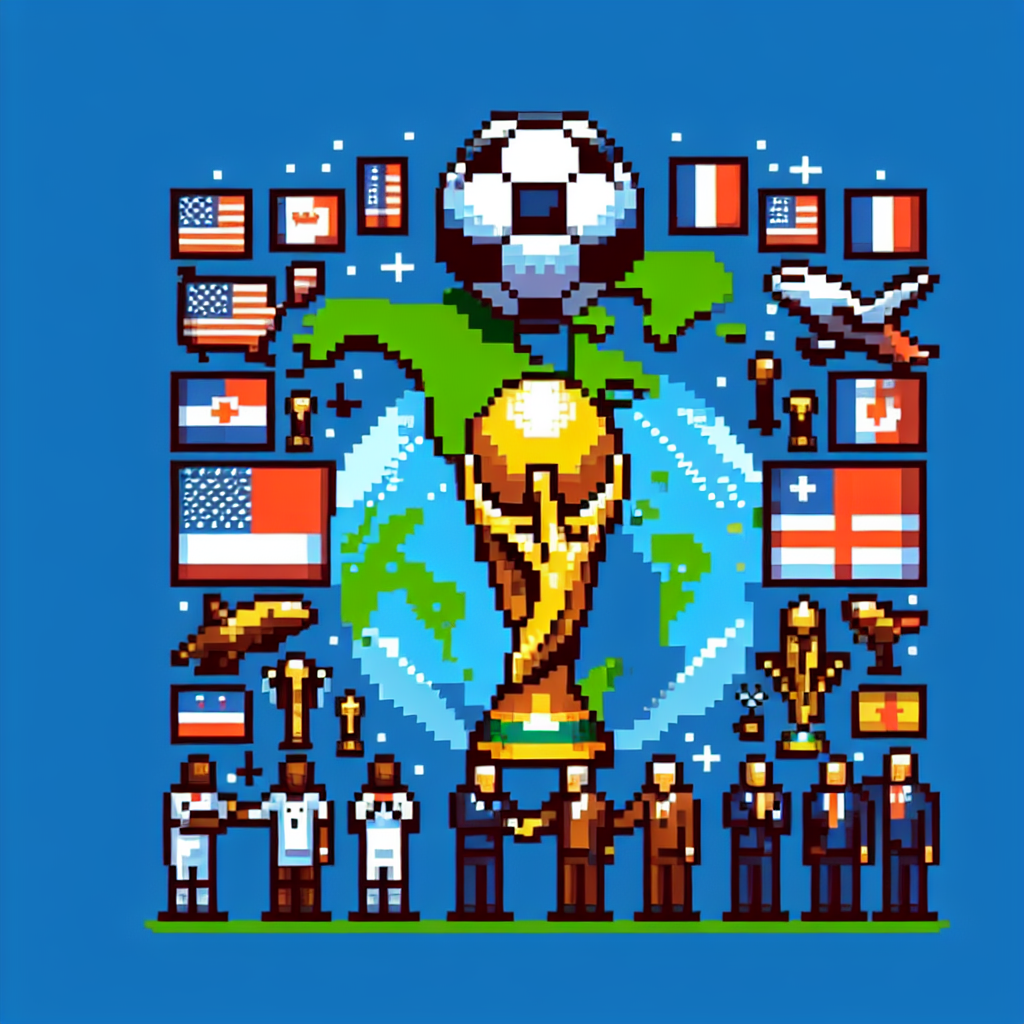
An unexpected split is taking shape ahead of the FIFA World Cup 2026. What began as a landmark North American victory — Canada, Mexico and the United States winning the right to co-host the expanded 48‑team World Cup — is starting to look less like a unified celebration and more like three overlapping tournaments driven by different priorities, politics and practicalities.
Opening hook
Imagine a single global party with three hosts who don’t quite agree on the playlist, the budget or who’s footing the bar tab. That’s the vibe right now: spectators will still flock to 16 host cities across the continent, but fans, organizers and local governments are preparing for very different experiences depending on which border they cross.
The promise — and how it frays
- The United 2026 bid was sold as a demonstration of continental unity: shared infrastructure, shared storytelling, and a chance to show the world a diverse, cooperating region. That shared narrative helped beat Morocco and won FIFA votes.
- But hosting responsibilities were never evenly distributed. The U.S. will stage the lion’s share of matches (78 of 104), including the knockout rounds and final, while Mexico and Canada each host 13 matches. That imbalance sets different stakes for each country. (en.wikipedia.org)
Three different agendas
-
United States: scale, security, and local headaches
- The U.S. model leans heavily on decentralized host committees. Each U.S. city is responsible for much of the operations, security, permitting and costs — a setup that shifts financial risk to local governments and creates inconsistent readiness and enthusiasm. Some cities have balked at FIFA’s terms or at paying up-front security bills, and federal security funds promised for host cities have been slow to flow. That produces a patchwork of preparedness and local political fights rather than a single national push. (en.wikipedia.org)
- Politics has seeped into planning. High-level U.S. interventions — from presidential task forces to public statements about “safe” cities — introduce uncertainty that can ripple through FIFA, sponsors and traveling fans. (apnews.com)
-
Mexico: heritage, passion, and risk management
- Mexico brings deep soccer culture and iconic stadiums (notably Estadio Azteca). For Mexican organizers, the World Cup is both a sporting moment and a chance to showcase national football heritage and tourism. But safety concerns tied to crime and local security dynamics are real and have prompted contingency conversations and scrutiny. FIFA maintains confidence in Mexico’s readiness even as observers highlight risks and the potential need for alternate plans. (dailyjusticengr.com)
-
Canada: cautious optimism and logistical constraints
- Canada’s hosting footprint is smaller but strategic: Toronto and Vancouver are set to host key matches and fan festivals. Canadian hosts emphasize public health, environmental concerns (wildfire smoke risks), and scaled fan experiences. Cities are planning large public festivals, but the smaller number of games and greater geographic distance between cities shape a different, more localized approach to the World Cup atmosphere. (apnews.com)
Practical consequences fans will notice
- Inconsistent fan festivals and public programming: U.S. cities scaling back expected events because of local costs or political priorities; Canada and Mexico planning different styles of civic engagement and public viewing. (newsweek.com)
- Security and funding gaps: debates over who pays for policing, medical services and emergency response have led to delays and local friction in U.S. host cities. Examples include licensing disputes, withheld approvals and battles over federal reimbursement timing. (en.wikipedia.org)
- Political headlines becoming part of the story: trade tensions, immigration policy rhetoric and high‑profile political interventions risk overshadowing match-day narratives and souring fan sentiment, especially for travelers worried about visas, safety or admission rules. (apnews.com)
- Environmental and health risks: wildfire smoke and extreme heat are variable regionally and may force last-minute operational moves or altered fan experiences, particularly in western Canada and southern U.S. venues. (apnews.com)
Why this matters beyond sport
- A World Cup is both spectacle and soft power. When three neighbors co-host successfully, it can reshape global impressions of regional cooperation and civic capacity. When hosting is fractured, it exposes governance weaknesses — who pays, who decides and who is accountable — and that can eclipse on-field drama.
- Economic expectations are uneven. Cities and regions counted on tourism and downtown activity; when festivals are scaled back or local fighters refuse licenses over cost, the expected economic windfall and small-business boosts may fall short. (newsweek.com)
What could re-unify the experience
- Clearer federal coordination in the U.S., with timely distribution of promised funds and centralized guidance for security and permits, would reduce the patchwork effect.
- Cross-border cultural programming and synchronized fan experiences — coordinated fan zones, shared broadcast moments and joint marketing — can help preserve a single narrative even if delivery differs by country.
- Contingency plans for safety or climate issues that are transparent and jointly communicated would calm fans and stakeholders across borders. (en.wikipedia.org)
My take
This World Cup will still be historic: more teams, more cities, and the chance to watch global football across an entire continent. But the spectacle fans expect — the sense that North America is throwing one giant, coordinated party — is at risk. The three hosts are operating from different playbooks: the U.S. is navigating decentralized logistics and political friction, Mexico is balancing legacy and security, and Canada is emphasizing measured public events and public-health concerns. The quality of the tournament won’t hinge only on goals and upsets; it will also hinge on crisis management, coherent communication, and whether organizers can stitch these separate efforts into a convincing continental story.
Final thoughts
Fans will still see great soccer. What’s less certain is whether the 2026 World Cup will be remembered as a unified North American triumph — or as an impressive but disjointed continental showcase. Either way, the tournament will teach a lot about modern mega-event governance: big, cross-border wins are easy to sell; making them feel like one shared success is the real challenge.
Sources
- FIFA World Cup 2026 (Wikipedia). https://en.wikipedia.org/wiki/2026_FIFA_World_Cup.
- U.S. host cities confront FIFA over World Cup costs and local responsibilities (Newsweek). https://www.newsweek.com/sports/fifa-world-cup-faces-funding-issues-as-cities-scale-back-11589762.
- World Cup security, federal funding and U.S. host city disputes (Forbes). https://www.forbes.com/sites/michaellewis/2026/02/28/world-cup-headaches-include-uss-bombing-of-iran-mexican-violence.
- Wildfire smoke and health planning for the 2026 World Cup (AP). https://apnews.com/article/615754286caffbac7f8cb28fc3dc0400.
- Political and diplomatic tensions affecting the joint hosting mood (AP). https://apnews.com/article/612ae9d95a8bff29c31228396a375d7e.
(Note: I used multiple news and reporting sources to shape perspective and context.)
Related update: We recently published an article that expands on this topic: read the latest post.