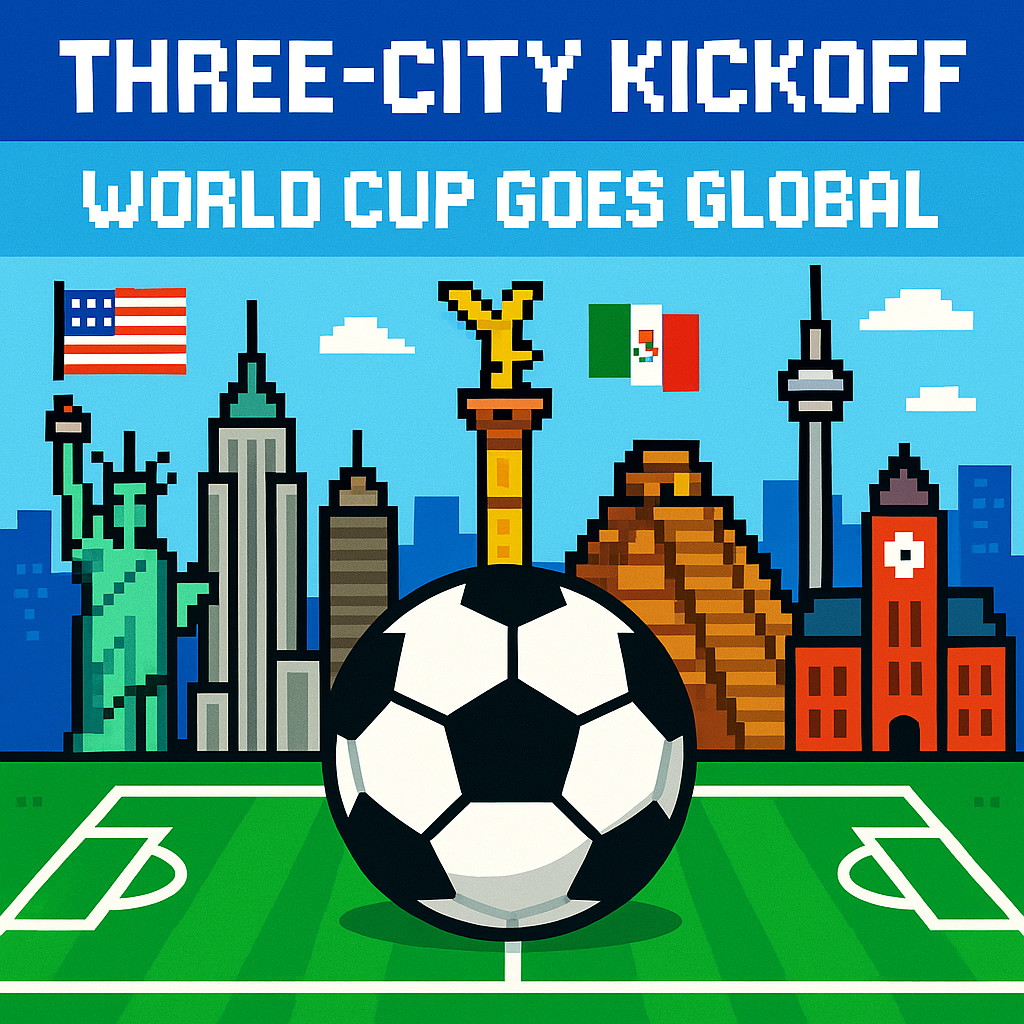
Three Nations, Three World Cup Experiences | Analysis by Brian Moineau

When a Continental Win Becomes Three Separate Shows

An unexpected split is taking shape ahead of the FIFA World Cup 2026. What began as a landmark North American victory — Canada, Mexico and the United States winning the right to co-host the expanded 48‑team World Cup — is starting to look less like a unified celebration and more like three overlapping tournaments driven by different priorities, politics and practicalities.

Opening hook

Imagine a single global party with three hosts who don’t quite agree on the playlist, the budget or who’s footing the bar tab. That’s the vibe right now: spectators will still flock to 16 host cities across the continent, but fans, organizers and local governments are preparing for very different experiences depending on which border they cross.

The promise — and how it frays

  • The United 2026 bid was sold as a demonstration of continental unity: shared infrastructure, shared storytelling, and a chance to show the world a diverse, cooperating region. That shared narrative helped beat Morocco and won FIFA votes.
  • But hosting responsibilities were never evenly distributed. The U.S. will stage the lion’s share of matches (78 of 104), including the knockout rounds and final, while Mexico and Canada each host 13 matches. That imbalance sets different stakes for each country. (en.wikipedia.org)

Three different agendas

  • United States: scale, security, and local headaches

    • The U.S. model leans heavily on decentralized host committees. Each U.S. city is responsible for much of the operations, security, permitting and costs — a setup that shifts financial risk to local governments and creates inconsistent readiness and enthusiasm. Some cities have balked at FIFA’s terms or at paying up-front security bills, and federal security funds promised for host cities have been slow to flow. That produces a patchwork of preparedness and local political fights rather than a single national push. (en.wikipedia.org)
    • Politics has seeped into planning. High-level U.S. interventions — from presidential task forces to public statements about “safe” cities — introduce uncertainty that can ripple through FIFA, sponsors and traveling fans. (apnews.com)
  • Mexico: heritage, passion, and risk management

    • Mexico brings deep soccer culture and iconic stadiums (notably Estadio Azteca). For Mexican organizers, the World Cup is both a sporting moment and a chance to showcase national football heritage and tourism. But safety concerns tied to crime and local security dynamics are real and have prompted contingency conversations and scrutiny. FIFA maintains confidence in Mexico’s readiness even as observers highlight risks and the potential need for alternate plans. (dailyjusticengr.com)
  • Canada: cautious optimism and logistical constraints

    • Canada’s hosting footprint is smaller but strategic: Toronto and Vancouver are set to host key matches and fan festivals. Canadian hosts emphasize public health, environmental concerns (wildfire smoke risks), and scaled fan experiences. Cities are planning large public festivals, but the smaller number of games and greater geographic distance between cities shape a different, more localized approach to the World Cup atmosphere. (apnews.com)

Practical consequences fans will notice

  • Inconsistent fan festivals and public programming: U.S. cities scaling back expected events because of local costs or political priorities; Canada and Mexico planning different styles of civic engagement and public viewing. (newsweek.com)
  • Security and funding gaps: debates over who pays for policing, medical services and emergency response have led to delays and local friction in U.S. host cities. Examples include licensing disputes, withheld approvals and battles over federal reimbursement timing. (en.wikipedia.org)
  • Political headlines becoming part of the story: trade tensions, immigration policy rhetoric and high‑profile political interventions risk overshadowing match-day narratives and souring fan sentiment, especially for travelers worried about visas, safety or admission rules. (apnews.com)
  • Environmental and health risks: wildfire smoke and extreme heat are variable regionally and may force last-minute operational moves or altered fan experiences, particularly in western Canada and southern U.S. venues. (apnews.com)

Why this matters beyond sport

  • A World Cup is both spectacle and soft power. When three neighbors co-host successfully, it can reshape global impressions of regional cooperation and civic capacity. When hosting is fractured, it exposes governance weaknesses — who pays, who decides and who is accountable — and that can eclipse on-field drama.
  • Economic expectations are uneven. Cities and regions counted on tourism and downtown activity; when festivals are scaled back or local fighters refuse licenses over cost, the expected economic windfall and small-business boosts may fall short. (newsweek.com)

What could re-unify the experience

  • Clearer federal coordination in the U.S., with timely distribution of promised funds and centralized guidance for security and permits, would reduce the patchwork effect.
  • Cross-border cultural programming and synchronized fan experiences — coordinated fan zones, shared broadcast moments and joint marketing — can help preserve a single narrative even if delivery differs by country.
  • Contingency plans for safety or climate issues that are transparent and jointly communicated would calm fans and stakeholders across borders. (en.wikipedia.org)

My take

This World Cup will still be historic: more teams, more cities, and the chance to watch global football across an entire continent. But the spectacle fans expect — the sense that North America is throwing one giant, coordinated party — is at risk. The three hosts are operating from different playbooks: the U.S. is navigating decentralized logistics and political friction, Mexico is balancing legacy and security, and Canada is emphasizing measured public events and public-health concerns. The quality of the tournament won’t hinge only on goals and upsets; it will also hinge on crisis management, coherent communication, and whether organizers can stitch these separate efforts into a convincing continental story.

Final thoughts

Fans will still see great soccer. What’s less certain is whether the 2026 World Cup will be remembered as a unified North American triumph — or as an impressive but disjointed continental showcase. Either way, the tournament will teach a lot about modern mega-event governance: big, cross-border wins are easy to sell; making them feel like one shared success is the real challenge.

Sources

(Note: I used multiple news and reporting sources to shape perspective and context.)


Related update: We recently published an article that expands on this topic: read the latest post.

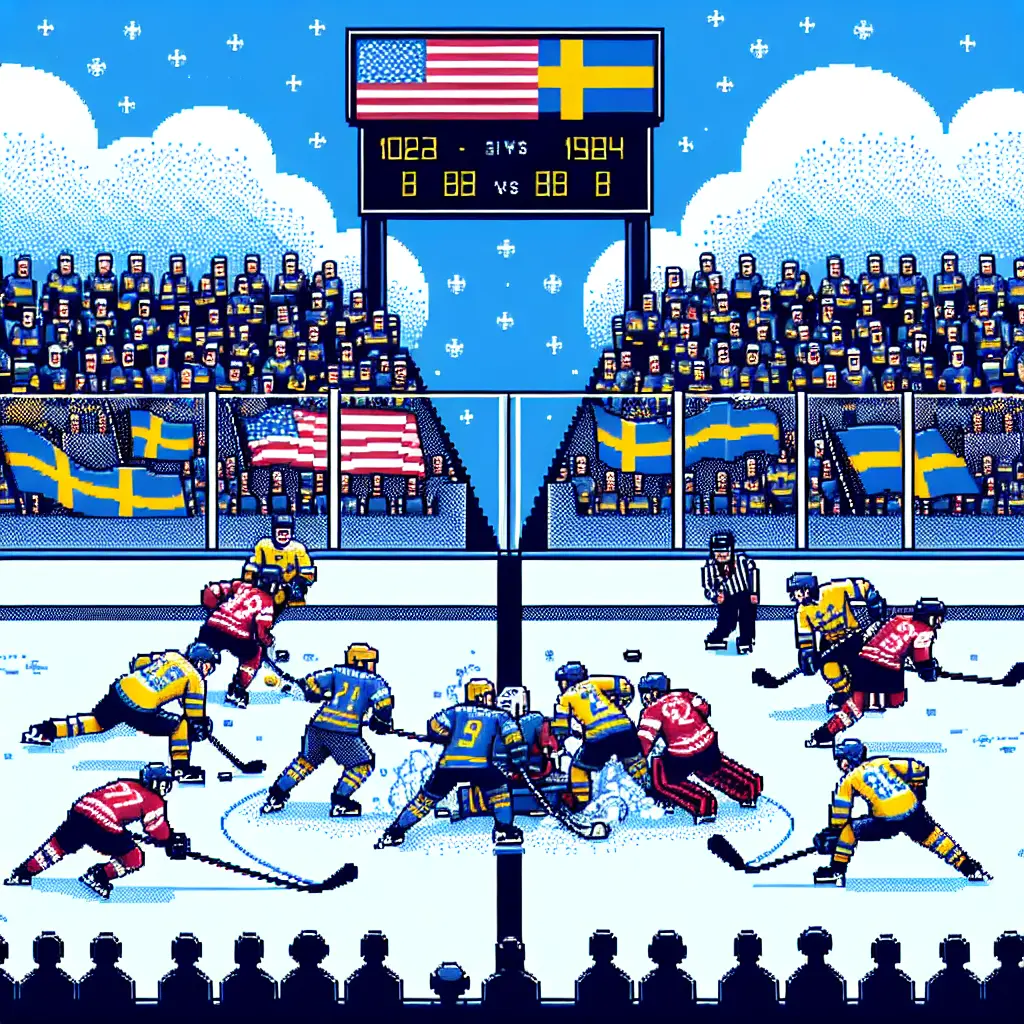
Curling Bronze Showdown: Stolz Returns | Analysis by Brian Moineau

A busy Saturday at the Games: bronze curling, Stolz back on the ice, and more drama

The sound of stones colliding and blades slicing ice — that’s the rhythm of a Winter Games Saturday. Milan Cortina delivered a little bit of everything: an emotional bronze-medal curling matchup between the U.S. and Canada, Jordan Stolz returning to the ice with Olympic expectations on his shoulders, and a slew of results that kept the medal table in constant motion. If you want a snapshot of why these Games feel so alive, this Saturday was your primer.

Why this day mattered

  • Curling’s bronze match wasn’t just another consolation game. Team USA was playing for its first-ever Olympic women’s curling medal — and Canada, led by Rachel Homan, came in as the favorite and a standard-bearer for the sport.
  • Jordan Stolz’s return to competition kept the spotlight on one of the Olympics’ breakout stars. After earlier wins, every race he skated carried the possibility of history — and the inevitable weight of expectation.
  • Beyond those headline stories, Saturday’s slate illustrated a recurring theme in Milan Cortina: veteran experience meeting youthful audacity, and the small margins that separate podium glory from heartbreak.

Highlights from the day

  • Canada beat Team USA 10–7 to claim bronze in the women’s curling. It was a back-and-forth match that turned decisively in Canada’s favor in the middle ends, when a three-point end opened a gap the Americans couldn’t fully close. For the U.S., finishing fourth tied its best Olympic result in women’s curling; for Canada, it was the sport’s long-awaited return to the podium. (See coverage from NBC Olympics and Sports Illustrated.) (nbcolympics.com)

  • Jordan Stolz continued to be the storyline in speed skating. The 21-year-old American—already a multiple-world champion and Olympic gold medalist at these Games—returned to contest additional distances, drawing comparisons to historic U.S. skaters and stoking talk of multi-gold runs. Broadcasters and previews framed him as a potential multi-event champion and a face of these Games. (nbcolympics.com)

  • The day’s action reinforced an Olympic truth: momentum swings fast. One missed draw, one tactical miscue, or one perfectly timed sprint can rewrite a team’s destiny — whether that’s a curling squad aiming for history or a skater chasing another podium.

What the curling result tells us

  • Experience and composure won out. Rachel Homan’s Canadian rink leaned on its pedigree in the middle ends, turning a close early game into a comfortable margin.
  • Team USA showed it belonged in the conversation. Reaching the bronze match — and matching the country’s best Olympic finish in the sport — marks clear progress for U.S. women’s curling and gives the program momentum heading into the next Olympic cycle.
  • The margin for error at this level is tiny. A couple of misses in a crucial end were enough to tilt the game; that’s the kind of lesson teams study for years.

What Stolz’s presence means for the Games

  • He’s both an engine and a measuring stick. Stolz’s run of fast times and record-setting performances has energized U.S. speed skating and raised the competitive bar for rivals.
  • The “Stolz effect” radiates beyond medals. Young athletes and broadcasters alike gravitate to storylines of a young phenom chasing historic marks — which helps put speed skating and these Games in front of a broader audience.
  • Pressure is real — and in sport, it’s a two-edged sword. Exceptional athletes thrive on it, but every return-to-race after a big win invites fresh scrutiny. That tension makes for compelling viewing.

Quick takeaways from Saturday

  • Canada’s women’s curling program remains elite; the bronze was a reminder of depth and consistent execution.
  • Team USA’s fourth place in women’s curling is progress — painful in the short term, promising for the long term.
  • Jordan Stolz is the signature individual story of these Games: potential history-maker, headline magnet, and a focus for both fans and competitors.

My take

There’s something electric about a day that mixes team strategy (curling) with individual brilliance (speed skating). Saturday captured the Olympics’ dual identity: intimate tactical battles where a single shot matters, and broad heroic narratives where athletes chase their place in history. Team USA left Cortina with both frustration and optimism — a fourth-place finish stings, but it also signals that U.S. curling is closing the gap. And Stolz? He’s both a measuring stick for rivals and a reminder that the next Olympic legend can emerge at any age.

Sources

(News coverage and live updates consulted to shape perspective and context for this recap.)


Related update: We recently published an article that expands on this topic: read the latest post.


Related update: We recently published an article that expands on this topic: read the latest post.

Sweden Dominates; Canada Clinches Top Spot | Analysis by Brian Moineau

A night of high drama at the World Juniors: Sweden rolls, Canada clears the way

The puck barely left the ice Wednesday night as two of the tournament favorites—Sweden and Canada—put on clinical offensive displays that reshaped group play at the 2026 IIHF World Junior Championship. Sweden’s balanced attack handed the United States a 6-3 loss and finished Group A unbeaten, while Canada leaned on timing and a red-hot Cole Beaudoin to outscore Finland 7-4 and claim first in Group B. If you like speed, finishing and a little junior-level chaos, this was hockey served hot.

Why this matters now

  • These games weren’t just group-stage box scores — they set seeding and momentum for the knockout rounds. Sweden’s statement win hands them real control in Group A; Canada’s late goals and depth scoring show a team built for the push toward a medal.
  • The World Juniors is where top prospects test themselves under bright lights. Performances here can lift a player’s draft stock and reveal which teams have systems tough enough to survive a seven-game tournament.

What stood out

  • Sweden’s two-headed scoring attack: Lucas Pettersson and Eddie Genborg each netted a pair of goals, giving Sweden reliable finishers at key moments. That kind of finishing from the top end makes a team hard to slow down.
  • Special teams and short-handed impact: Sweden converted on the power play and even struck short-handed—small margins that widened the gap and exposed lapses in U.S. discipline.
  • Canada’s depth production: Cole Beaudoin finished with three points and the Beaudoin–O’Reilly–Desnoyers line provided momentum swings. Multiple contributors (Brady Martin scored twice, Zayne Parekh and Sam O’Reilly each had multi-point nights) underline Canada’s offensive depth.
  • Goaltending and timing: Love Harenstram made 28 saves for Sweden in a game where timely saves didn’t steal the outcome but kept the gap manageable. Conversely, netminding inconsistencies and a few defensive miscues cost the U.S. chances to stay close.

Game snapshots

  • Sweden 6, United States 3

    • Sweden controlled the tempo after an early deflection gave them a 1-0 lead. Genborg struck twice on the power play and Pettersson added a short-handed dagger — a momentum killer that turned the game in Sweden’s favor. Jack Berglund’s three assists and some young draft-eligible names setting up plays showed Sweden’s mix of experience and emerging talent. The U.S. battled but could not sustain a full 60-minute effort. (NHL.com recap)
  • Canada 7, Finland 4

    • A wild first period gave way to Canada settling into effective chance creation and finished opportunities. Beaudoin scored twice and assisted once, and Brady Martin added a two-goal night. Finland kept pace at times — Roope Vesterinen and Lasse Boelius chipped in offensively — but Canada’s finishing and a clutch third-period goal margin carried them to top spot in Group B. (NHL.com recap)

Bigger-picture implications

  • Sweden looks like a legitimate gold-medal threat. Unbeaten in group play and with finishers who can convert special-team chances, they’ve staked a claim as a team to fear in the quarters and beyond.
  • Canada’s balance matters. Tournament hockey rewards teams that can roll multiple lines and still produce. Their depth scoring reduces the pressure on any single star and helps when matchups get tighter in elimination rounds.
  • The U.S. and Finland both have tools to correct course, but the margin for error shrinks in knockout hockey. Discipline and consistency — especially on special teams and defensive-zone coverage — will be critical if either wants to climb the bracket.

Headlines players to watch next

  • Lucas Pettersson (Sweden) — timely scoring and a knack for finishing from dangerous areas.
  • Eddie Genborg (Sweden) — power-play presence; two-goal nights change games.
  • Cole Beaudoin (Canada) — multi-point performances and a reliable scorer on the more physical Canadian forecheck.
  • Jack Berglund (Sweden) — playmaking that fuels the top line’s momentum.

My take

The World Juniors keeps delivering the best mix of raw talent and meaningful hockey. Sweden’s 6-3 win over the U.S. felt like more than a group-stage result — it was a reminder that tournament depth and special-teams execution beat sporadic heroics. Canada’s 7-4 victory showed that when a team spreads offense across lines, it becomes very hard to shut down. This tournament still has twists ahead, but after these results, teams that marry discipline with finishing will be the ones lifting trophies.

Sources


Related update: We recently published an article that expands on this topic: read the latest post.


Related update: We recently published an article that expands on this topic: read the latest post.

Will tariffs make the US money? And could Canada join the EU? – BBC.com | Analysis by Brian Moineau

Will tariffs make the US money? And could Canada join the EU? - BBC.com | Analysis by Brian Moineau

### Tariffs, Trade, and the Curious Question of Canada's EU Ambitions

In a world swirling with political maneuvers and economic strategies, tariffs have taken center stage, especially under the leadership of former President Donald Trump. Our trusted correspondents from London, New York, Beijing, and Mumbai have delved into your pressing questions about these tariffs and, intriguingly, whether Canada might ever consider joining the European Union. It’s a fascinating mix of economics, diplomacy, and a dash of the unexpected.

#### The Tariff Tango

First, let's waltz through the world of tariffs. For the uninitiated, tariffs are taxes imposed on imported goods, which can protect domestic industries from foreign competition or simply be a strategic move in the complex dance of international trade. Under Trump's administration, tariffs became a frequent tool, particularly in the U.S.-China trade war. The goal? To make American products more competitive and to pressure China into trade concessions.

But do tariffs actually make the U.S. money? In the short term, yes, they can increase government revenue as importers pay these taxes. However, the broader economic impact is murkier. Tariffs can lead to increased costs for consumers and businesses, as seen in various sectors from agriculture to tech. Moreover, retaliatory tariffs from other nations can harm U.S. exporters.

#### A Canadian Curveball

Now, onto the unexpected twist: Could Canada join the EU? While this might sound like a plot from a political thriller, it's a question worth entertaining. Geographically, Canada is nestled comfortably in North America, but politically and culturally, it shares much with European nations. The Comprehensive Economic and Trade Agreement (CETA) already creates strong economic ties between Canada and the EU, reducing tariffs and promoting trade.

However, full EU membership for Canada would be a Herculean task, involving complex negotiations and fundamental changes in its political and economic systems. It’s more of a whimsical notion than a feasible reality, akin to pondering if the UK might rejoin the EU post-Brexit. Yet, in a world where political landscapes shift rapidly, never say never.

#### Global Ripples

These topics don’t exist in isolation. The tariff discussions resonate amid ongoing global trade tensions. For instance, the U.S. and China are still navigating a rocky relationship, while the EU is dealing with its own challenges, from Brexit aftermath to economic recovery post-pandemic. Canada's role in all this is significant, serving as a bridge between North American and European markets.

Elsewhere, the rise of regional trade pacts like the Comprehensive and Progressive Agreement for Trans-Pacific Partnership (CPTPP) highlights a trend towards regionalism in trade. Countries are increasingly looking to strengthen ties with their neighbors, even as globalization faces its own set of challenges.

#### Final Thoughts

Tariffs are more than just taxes; they are tools of strategy and symbols of national policy. Whether they will make or lose money for the U.S. remains a layered question, but their impact is undeniably global. As for Canada’s hypothetical EU membership, it’s a delightful thought experiment that underscores the fluidity of international relations.

In the end, tariffs and trade policies reflect the ongoing quest for balance in a rapidly changing world. As nations continue to navigate these waters, the conversations and decisions made today will shape our economic futures for decades to come. So, keep asking questions, stay informed, and never underestimate the power of a good economic debate.

Read more about AI in Business

Read more about Latest Sports Trends

Read more about Technology Innovations

10-year Treasury yield slides as Trump tariffs take effect – CNBC | Analysis by Brian Moineau

10-year Treasury yield slides as Trump tariffs take effect - CNBC | Analysis by Brian Moineau

**Title: The Ripple Effects of Tariffs: A Lighthearted Dive into the 10-Year Treasury Yield Dip**

Ah, the world of economics—a place where news about Treasury yields can make headlines alongside pop stars and viral TikTok dances. Today, we're diving into a topic that might seem dry on the surface but is actually brimming with intrigue and global significance: the recent dip in the 10-year Treasury yield following President Donald Trump's tariffs taking effect on goods from Mexico and Canada.

**The Tariff Tango**

On a seemingly ordinary Tuesday, President Trump decided to spice things up by implementing a 25% tariff on goods from our neighbors to the north and south. This move, in true geopolitical fashion, sent ripples through the financial waters, notably causing the 10-year Treasury yield to slide. For those not fluent in econ-speak, Treasury yields are a bit like the mood ring of the economy—they reflect investor confidence, or lack thereof, in economic growth and stability.

Now, if you're wondering why these tariffs are such a big deal, let's take a step back. Tariffs are essentially taxes on imported goods, and while they might sound like a great way to encourage domestic production, they can also lead to higher prices for consumers and strained international relations. Think of it as a dance where one partner suddenly decides to change the choreography—everyone else has to adjust, and not everyone is happy about it.

**A Global Stage**

The impact of these tariffs isn't confined to the U.S., Mexico, and Canada. In today's interconnected world, economic changes can have far-reaching effects. For instance, consider how the European Union might react, given its own trade considerations with the U.S. or how China, already in a trade tussle with the U.S., might view these developments. It's a bit like a global game of Jenga, where every move has the potential to shift the entire structure.

Meanwhile, across the pond, the United Kingdom is navigating its post-Brexit reality, dealing with its own trade challenges. The timing of these tariffs adds another layer of complexity to an already intricate global economic tapestry.

**A Nod to Trump**

Love him or loathe him, Donald Trump has a knack for keeping things interesting. His approach to policy-making often resembles a reality TV show—unexpected twists, dramatic moments, and plenty of opinions. And while his methods may be unconventional, they undeniably keep the world engaged.

**Final Thoughts**

In the grand theater of global economics, every action has a reaction, and President Trump's tariffs are no exception. Whether these tariffs will achieve their intended goals or lead to further economic complications remains to be seen. But one thing is for sure: they have sparked conversations, debates, and plenty of speculation.

As we watch the 10-year Treasury yield's dance and the world's response to these tariffs, let's remember the interconnectedness that defines our modern era. In a world where the flutter of a butterfly's wings can cause a storm halfway across the globe, every economic decision is part of a larger story. So, keep an eye on those Treasury yields—they might just be telling us more than we realize.

Read more about AI in Business

Read more about Latest Sports Trends

Read more about Technology Innovations