When a Free F1 Showrun Became a Neighborhood Free-for-All
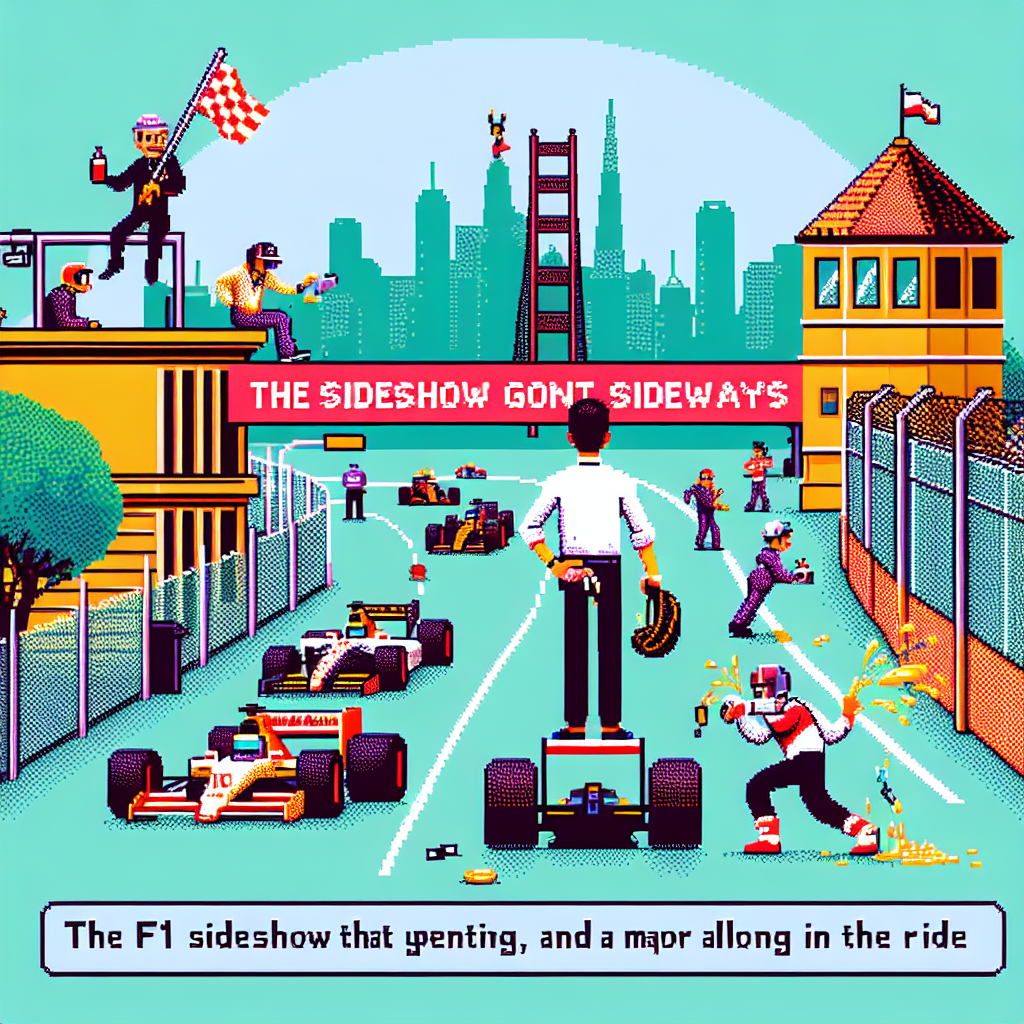
The roar of an F1 engine turned a Sunday in the Marina into a magnet for tens of thousands — and for a few hours the neighborhood looked less like a carefully managed showcase and more like the edges of a music festival that never got its permits. Red Bull’s free Showrun on February 21, 2026, delivered high-speed spectacle and social-media moments: donuts, skids, and an extra helping of chaos as people climbed roofs, trespassed onto private property, and — yes — urinated in yards. San Francisco police ultimately reported no arrests and called the event “extremely safe,” but neighbors’ accounts and local reporting tell a messier story about planning, public space, and how cities host blockbuster events.
Why everyone showed up (and why that matters)
- Free access + Formula 1 hype = huge turnout. The Red Bull Showrun in the Marina was advertised as an open, public showcase featuring real F1 cars and drivers, which lowered barriers for attendance and raised expectations for spectacle.
- The Marina is visually perfect for an F1 promo: waterfront views, a straight stretch of road (Marina Blvd.), and dense urban population nearby. That makes it attractive for organizers — and irresistible for thousands of onlookers.
- What was missing was infrastructure: elevated viewing platforms, adequate restroom and trash facilities, clear crowd flows, and more visible, active crowd control — all the details that turn a pop-up spectacle into a safely run public event.
Neighborhood accounts vs. official line
- Residents describe roof-climbing, trampling of landscaping, broken tiles and planters, damaged windows, and people relieving themselves on private property. Multiple accounts to local outlets said the scale of the crowd overwhelmed nearby streets and left behind visible damage. (sfstandard.com)
- SFPD’s public statement to The San Francisco Standard: “Overall, the event was extremely safe, and there were no major public safety incidents.” The department said it responded to calls but made no arrests. That contrast — a calm official assessment versus vivid resident complaints — is at the heart of the controversy. (sfstandard.com)
- Social media and neighborhood threads amplified the sense that planning and resource allocation were insufficient: limited policing presence at critical choke points, overwhelmed cell service, and a lack of amenities and signage. (reddit.com)
The mayor’s role and optics
- Mayor Daniel Lurie donned a branded suit and appeared in promotional clips, a move some called a PR-friendly photo op. He later characterized such disruptions as part of the city’s comeback momentum. That framing — prioritize big events and accept some inconveniences — sits uneasily with residents who faced property damage and sanitation issues. (sfstandard.com)
- When city officials embrace headline events, they also inherit responsibility for ensuring public-safety planning and neighborhood protections. The lack of clear pre-event coordination and post-event accountability has drawn criticism from local supervisors and community leaders. (sfstandard.com)
What went wrong — and what could have helped
- Insufficient crowd management: no visible, phased entry points or dedicated bleachers meant people improvised with ladders, signs, balconies, and roofs.
- Not enough public services: portable toilets, trash capacity, first-aid stations, and on-the-ground marshals were reportedly minimal or poorly signposted.
- Communications and coordination gaps: residents said they received little advance notice and saw a limited on-site presence of city leadership directing logistics.
- Traffic and emergency access: gridlock stretched across multiple neighborhoods, raising real concerns about ambulance access and urgent response capability. (axios.com)
Takeaway bullets
- The formula for a successful free public spectacle requires as much logistics as it does hype — sightlines, sanitation, crowd flows, and emergency planning matter.
- Official assessments that focus on arrests or major incidents don’t always capture the everyday harms neighbors experience (property damage, unsanitary conditions, feeling unheard).
- High-profile events offer civic benefits — economic activity, tourism, global visibility — but those must be balanced with advance planning and local protections.
- City leaders and promoters share responsibility: one provides the platform and visibility, the other must ensure the neighborhood survives the afterparty intact.
My take
Large-scale urban events are a test of civic muscle. The Marina Showrun proved that excitement and spectacle are easy to manufacture; the harder part is engineering for tens of thousands of unpredictable humans in a tight space. Calling the day “extremely safe” because there were no arrests feels incomplete. Safety isn’t just arrests avoided — it’s protecting property, ensuring sanitary conditions, preserving access for emergencies, and leaving neighborhoods as intact as they were before the party.
If San Francisco wants the benefits of world-class, headline-making events, the city needs to match that ambition with event infrastructure: meaningful advance coordination with neighbors, clear sightline solutions (paid or free elevated platforms), designated stewarding crews, and contingencies for crowd overflow. Otherwise the story repeats: thrillers on camera, headaches at home.
Sources
- The F1 sideshow that went sideways: Peeing, roof-climbing, and a mayor along for the ride — The San Francisco Standard. https://sfstandard.com/2026/02/23/f1-marina-lurie-police-vandalism//
- ‘It was chaos’: Marina neighbors survey the damage after SF’s F1 event — The San Francisco Standard. https://sfstandard.com/2026/02/22/f1-red-bull-showrun-marina-blvd-damage-aftermath//
- F1 brings big crowds to the Marina – and plenty of chaos — Axios. https://www.axios.com/local/san-francisco/2026/02/23/f1-marina-40000-crowds-safety-concerns
- Red Bull's F1 showcase in the Marina was utter chaos — SFGate. https://www.sfgate.com/sports/article/red-bull-showcase-marina-21890093.php
- Neighborhood discussion and firsthand accounts — Reddit (r/sanfrancisco, r/bayarea). https://www.reddit.com/ (search threads referenced above)
Related update: We recently published an article that expands on this topic: read the latest post.
Related update: We recently published an article that expands on this topic: read the latest post.
Related update: We recently published an article that expands on this topic: read the latest post.