Janocko Named Raiders Offensive Chief | Analysis by Brian Moineau

New Voice in the Silver and Black: Andrew Janocko Takes Over as Raiders Offensive Coordinator

An offseason shake-up just got a fresh headline: the Las Vegas Raiders have officially named Andrew Janocko their offensive coordinator. If you’re into coaching trees, quarterback development or the slow, careful work of rebuilding an offense, this hire deserves a close look — and not just because it continues Klint Kubiak’s habit of importing trusted collaborators.

Janocko arrives after a fast-moving climb through NFL offensive rooms, most recently serving as the Seattle Seahawks’ quarterbacks coach during their 2025 championship season. He brings more than a decade of coaching experience and a reputation for developing quarterbacks and installing detail-oriented, timing-based concepts. For a Raiders offense that finished near the bottom of the league in 2025, the timing feels deliberate.

Why this hire matters

  • Janocko is young but seasoned: his résumé includes stops with the Seahawks, Saints, Bears, Vikings and Buccaneers, plus college coaching early in his career.
  • He’s part of Klint Kubiak’s familiar circle — they’ve worked together at multiple stops — which suggests continuity of offensive philosophy even as the Raiders attempt to change results.
  • This will be Janocko’s first season as a full-time offensive coordinator, but he joins a staff where Kubiak is expected to call plays, which can ease the transition while allowing Janocko to focus on scheme details and quarterback coaching.

Where Janocko comes from

  • Seattle Seahawks (2025): Quarterbacks coach on a Super Bowl-winning staff. The Seahawks finished near the top of the league in scoring and offensive efficiency that season, and their QB play was a key ingredient.
  • New Orleans Saints (2024): Quarterbacks coach, helping veteran Derek Carr produce efficient numbers and a high third-down passer rating.
  • Chicago Bears (2022–23): Instrumental in the development of Justin Fields, working on the balance between Fields’ dynamic rushing ability and his passing growth.
  • Minnesota Vikings and earlier roles: Multiple offensive roles that exposed him to zone concepts, timing-based passing games and player-specific development work.

Those stops illustrate a consistent theme: Janocko has coached or worked alongside quarterbacks at several stages of their careers — young, mobile signal-callers and seasoned veterans alike. That versatility is a useful attribute for a Raiders roster that could blend young talent with experienced pieces.

What to expect schematically

  • Continuity with Kubiak’s offense: Expect West Coast elements, quick timing throws, and a willingness to use RPOs and run-pass complement concepts. Kubiak’s presence means playcalling continuity, with Janocko handling game-planning and QB preparation.
  • Emphasis on quarterback mechanics and decision-making: Janocko’s track record suggests attention to completion percentage, pre-snap reads and third-down efficiency.
  • Adaptability: Janocko has worked with both mobile and pocket passers, which should let the Raiders tailor their approach to the personnel they actually have — and the likely roster additions in the offseason and draft.

The roster fit and implications

  • Quarterback development: If the Raiders are leaning into a young QB (including any 2026 draft pick or recent acquisition), Janocko’s experience with young signal-callers will be central to their progression.
  • Offensive line and run game: The Raiders’ 2025 offense struggled in many areas. Janocko’s arrival won’t instantly fix line play or run-blocking, but his history of integrating passing concepts that help neutralize defensive pressure could buy time for the unit to improve.
  • Coaching continuity: Several members of Kubiak’s Seattle staff are joining Las Vegas, which suggests a cohesive installation process and a quicker ramp-up during spring and training camp.

Things to watch this season

  • How early Janocko’s concepts appear in offseason practices and whether the offense shows cleaner timing and fewer turnovers in the preseason.
  • Quarterback progress on completion rate, third-down conversion and decision-making under pressure — areas Janocko has influenced in prior stops.
  • Play-caller dynamics between Kubiak and Janocko in games: will Kubiak maintain playcalling control, or will Janocko have in-game autonomy on certain packages?

A few data-backed expectations: Seattle’s offense was top-10 in scoring during the Super Bowl season Janocko coached there; Derek Carr’s efficiency numbers under Janocko in New Orleans were notably strong; and Justin Fields’ growth while Janocko was on staff with the Bears showed an ability to coach both the pass and QB mobility into the offense.

Quick snapshot of why fans should care

  • This is a hire that blends familiarity with fresh authority: a trusted Kubiak aide stepping into a coordinator role.
  • The Raiders’ offense needs culture and structure; Janocko’s background suggests he brings both teaching chops and modern schematic ideas.
  • For fans hoping to see a turnaround, this hire raises legitimate optimism — not guaranteed, but sensible.

Immediate takeaways

  • Janocko’s hire signals a continuity-first rebuild under Klint Kubiak’s leadership.
  • He brings strong quarterback development credentials and experience from a recent championship staff.
  • Expect a West Coast/RPO-leaning offense with an emphasis on timing, third-down efficiency and quarterback mechanics.

My take

This is a smart, low-drama hire. The Raiders didn’t bring in a headline-grabbing, high-variance play-caller; they added a detailed-minded coach from a successful staff who knows how to teach quarterbacks and install structure. For a team that needs foundational upgrades more than flashy schematic changes, Janocko fits the checklist: familiar to the head coach, proven in player development roles, and experienced across multiple offensive systems. The bigger question remains the same — can the Raiders fix the offensive trenches and give Janocko a quarterback and line that let his concepts breathe? If they do, this hire could look very shrewd by season’s end.

Sources


Related update: We recently published an article that expands on this topic: read the latest post.



Related update: We recently published an article that expands on this topic: read the latest post.

Cloudflare Rally: Q4 Beats and Bullish | Analysis by Brian Moineau

When the Agentic Internet Shows Up to Work: Cloudflare’s Q4 Surprise and a Bullish 2026 Outlook

Cloudflare just reminded the market why infrastructure businesses can suddenly feel like the center of the AI party. On February 10, 2026, the company reported a stronger-than-expected fourth quarter and issued a 2026 revenue outlook that beat consensus — and the stock reacted accordingly. But beneath the headline beats lies a mix of durable growth signals, new AI-driven demand, and a few technical and valuation wrinkles investors should notice.

Quick snapshot you can skim

  • Quarter reported on February 10, 2026: revenue $614.5M (up ~34% year-over-year).
  • Q4 non-GAAP EPS: $0.28.
  • Full-year 2026 revenue guide: $2.79B and adjusted EPS guidance around $1.11 — above Street revenue expectations.
  • Management highlights: AI agents and Cloudflare Workers driving more traffic and developer adoption.
  • Cash/financials: >$4.1B in cash and marketable securities, improving free cash flow margins.

(Primary numbers come from Cloudflare’s February 10, 2026 press release and subsequent market coverage.) (cloudflare.net)

What changed — and why investors cheered

  • Real beats, not just optics. Cloudflare’s Q4 revenue and non-GAAP EPS both beat Street estimates, and management pointed to one of its largest-ever ACV deals and accelerated new ACV growth. Those are hard, enterprise-level wins, not seasonal flukes. (cloudflare.net)
  • AI activity = traffic multiplier. Cloudflare says AI-generated requests and “agentic” activity are meaningfully increasing the volume and complexity of traffic across its network. That trend boosts demand for edge compute (Workers), performance, and security services — Cloudflare’s core product set. Multiple analysts tied the beat to tailwinds from AI-driven traffic. (investors.com)
  • Profitability is improving. GAAP still shows a loss from operations, but non-GAAP operating income and free cash flow expanded materially in Q4 — a signal that revenue growth is starting to translate into better margins and cash generation. (cloudflare.net)

Why the 2026 guide matters

Cloudflare’s guidance for 2026 (roughly $2.79B revenue) came in above consensus. That’s the cleanest proof management expects the AI-driven lift and large-account momentum to persist. Guidance beats reduce the uncertainty premium investors place on growth names and give analysts license to raise models — which often fuels short-term share-price pops.

But guidance also carried prudence on EPS: full-year adjusted EPS guidance was slightly below some expectations, implying Cloudflare is investing to capture growth even while improving margins. That mix — revenue optimism with measured margin assumptions — is typically viewed favorably by growth investors who want scale without runaway spending.

The investor dilemma: growth story vs. technical reality

  • Bull case: Cloudflare sits at the intersection of networking, security, and edge compute. If AI agents become permanent heavy users of the web, Cloudflare’s platform and its Workers developer ecosystem become sticky, high-margin revenue drivers. Large ACV deals and expanding RPO (remaining performance obligations) give the company predictable, durable revenue. (cloudflare.net)

  • Bear case: software multiples have been under pressure, and Cloudflare’s stock had seen institutional selling before this beat (technical indicators like Accumulation/Distribution were flagged as weak by market data providers). In plain terms: fundamentals are improving, but some investors may remain cautious until the company consistently delivers margin expansion and sustained higher growth rates. (investors.com)

  • The middle path: Treat the stock as an infrastructure growth play that merits patience. Short-term volatility is likely; the longer-term thesis hinges on AI traffic continuing to re-platform the Internet and Cloudflare converting that traffic into higher ARPU and enterprise traction.

What to watch next (near-term catalysts)

  • Q1 2026 results and whether sequential revenue trends and margin expansion continue. Cloudflare guided Q1 revenue modestly above consensus; execution there will be telling. (investing.com)
  • Growth of Cloudflare Workers and developer adoption metrics — these are leading indicators for future revenue per developer and platform monetization. (cloudflare.net)
  • Deals and ACV cadence: will large deals keep accelerating, or was the big Q4 ACV a one-off? Large-contract momentum is central to the enterprise story. (cloudflare.net)
  • Broader software multiple compression or expansion — macro moves in tech stocks will still sway Cloudflare’s share price regardless of company-level execution.

A few strategic takeaways for investors and builders

  • Infrastructure is the quiet winner when usage patterns shift. When users (or agents) change how they interact with the web, companies that own reliable, global pipes and flexible edge compute win.
  • Developer platforms scale differently. Success in developer adoption (Workers, SDKs, APIs) can create durable revenue streams if monetized thoughtfully.
  • Cash and profitability matter even for growth names. Cloudflare’s >$4B cash cushion and improving free cash flow give it optionality to invest in product, sales, or tuck-in M&A while weathering market cycles. (cloudflare.net)

My take

Cloudflare’s Q4 and 2026 guide are a meaningful validation of the “Agentic Internet” thesis management has been selling: agents and AI workloads are real demand multipliers for edge and networking infrastructure. The numbers back the narrative — enterprise ACV growth, developer traction, and a rising cash flow profile are all positive. That said, investors should balance enthusiasm with discipline: stock moves from guidance beats can overshoot, and the share performance will still respond to broader sector sentiment and technical flows. If you believe AI agents materially re-platform web traffic, Cloudflare is a natural infrastructure play worth owning; if you’re skeptical about the durability of the lift or the multiple, use the recent rally as an opportunity to reassess position size rather than chase.

Sources


Related update: We recently published an article that expands on this topic: read the latest post.
Salesforce Earnings: Traders Brace | Analysis by Brian Moineau

Traders are bracing for a big Salesforce swing after earnings

Salesforce is in the spotlight following its quarterly report released after the closing bell on December 3, 2025. Traders had been betting on a sizable share-price reaction — and option prices told the story: the market was pricing in a roughly 6–8% move in either direction around the print. That setup made the stock a high-drama candidate for active traders, long-term holders and anyone paying attention to how AI momentum is reshaping enterprise software expectations.

Why option prices matter (and what they were saying)

  • Options markets convert uncertainty into a single, tradable number: implied volatility. Around earnings, that implied volatility spikes, and the at-the-money straddle gives a quick estimate of the market’s expected absolute move.
  • Ahead of the Dec. 3 report, traders were pricing roughly a 6–8% move in Salesforce (CRM) by the end of the week — meaning a $235 stock could be expected to reach about $251 on the upside or fall to roughly $218 on the downside.
  • That range reflected a mix of drivers: investor skepticism after a rough 2025 for the stock, plus renewed hope from Salesforce’s growing AI offerings that management had been talking up all year.

The backdrop: AI, sentiment, and a bruised stock

  • 2025 was a rocky year for Salesforce’s share price — down significantly at times — as investors digested execution risks, cloud migration cycles and competition.
  • Internally, Salesforce pushed hard on AI products (Agentforce, Data 360 and other offerings). Management has been arguing these products can expand contract values and accelerate upsells — a bullish argument for long-term revenue growth.
  • Yet AI hype alone hasn’t insulated the company from the market’s short-term instincts: earnings and forward guidance still get punished if growth or margins don’t meet high bars.

What traders were watching beyond the headline numbers

  • Revenue and subscription growth: Are enterprise customers buying more AI-enabled products, or is growth still concentrated in legacy CRM lanes?
  • Margin trajectory and guidance: AI investments can lift long-term revenue, but they also cost money today. Guidance for the next quarter and full year mattered a lot.
  • Customer metrics: churn, renewals and remaining performance obligations (RPO) are the connective tissue between product adoption and sustainable revenue.
  • Management tone on AI monetization: specifics about ARR contribution, adoption rates for Agentforce/Data 360, and conversion of pilot programs into full deployments could swing sentiment.

What the trade setup meant for different investors

  • Short-term traders: The options-implied move offered both opportunity and risk. A big move could produce quick profits, but the direction was uncertain — traders needed tight risk management.
  • Long-term investors: The headline move might have been noise. For investors focused on 12–24 month outcomes, the key question remained whether AI products materially change Salesforce’s growth profile.
  • Volatility sellers: Selling premium into high implied volatility (IV) is tempting before earnings, but doing so exposes sellers to outsized losses if the stock gaps sharply on the print.

Snapshot of the immediate market reaction

News outlets reported that Salesforce’s results and commentary leaned into AI momentum. Headlines after the report noted an upgraded outlook and stronger-than-expected contributions from AI products, and shares moved in after-hours trading accordingly. That kind of reaction is exactly why option-implied moves widen before earnings — the market prices in the possibility of both a pleasant surprise or a disappointment. (See Sources for links to coverage.)

What this means going forward

  • Expect continued sensitivity to AI metrics. Investors will now want proof that AI wins translate into predictable revenue and margin expansion.
  • The options market will continue to price earnings risk for large-cap software names where execution on AI is a key differentiator.
  • If Salesforce keeps beating expectations and converts pilot projects into ARR consistently, the market may reward the stock multiple expansion. If not, volatility will likely remain elevated.

Quick takeaways for readers

  • Traders were pricing a roughly 6–8% swing in Salesforce stock around the Dec. 3, 2025 earnings release.
  • The options market’s expected move captured uncertainty driven by AI adoption, guidance and customer metrics.
  • Short-term reactions can be sharp; longer-term investors should focus on evidence that AI products are sustainably driving ARR growth and margins.

My take

Earnings days for large software names are always a study in risk vs. reward, but in 2025 Salesforce felt different because AI wasn’t just a buzzword — it was a revenue argument management was quantifying. That makes the short-term moves volatile, but it also makes the post-earnings period more informative. For traders, that means opportunity if you manage risk. For investors, it means watching whether the AI story translates into repeatable, predictable revenue growth — and not just headline demos.

Sources


Related update: We recently published an article that expands on this topic: read the latest post.


Related update: We recently published an article that expands on this topic: read the latest post.


Related update: We recently published an article that expands on this topic: read the latest post.


Related update: We recently published an article that expands on this topic: read the latest post.

Tech-Savvy Stocking Stuffers on Sale | Analysis by Brian Moineau

Pocket-friendly stocking stuffers that still feel like a main event

The holidays move fast, and somehow the stockings always get filled last. But what if you could snag thoughtful, useful — even delightfully indulgent — mini-gifts without breaking the bank? This year’s Black Friday slate delivered a bounty of deals on cult-fave beauty, cozy wear, tech gadgets and small surprises that fit perfectly into a stocking. Below I’ve rounded up fun ideas from the AOL round-up of Black Friday stocking-stuffer deals, grouped by who you’re shopping for, plus quick tips to shop smart during the biggest sale weekend of the year.

Why Black Friday still matters this season

Black Friday hasn’t gone away — it just looks different. More shopping happens online, deals run longer (and sneak into Cyber Monday), and shoppers are hyper-focused on value. Retailers leaned into category discounts on beauty, apparel and tech this year, which makes it a great time to stockpile small gifts that feel thoughtful but cost a lot less. Retail data from the 2025 season shows strong online demand and broad participation from retailers, so you can expect deep discounts across brands and categories. (Yes — the deals are real, but verify price history on big-ticket items before you click.) Sources at the end have more detail on the broader shopping trends.

Quick wins (great for anyone)

  • Laneige Lip Sleeping Mask — a tiny, cult-fave skincare treat that’s loved by beauty fans.
  • Cozy socks or mini fuzzy slippers — an inexpensive, high-reward comfort pick.
  • Rechargeable candle lighter — tiny, practical, oddly satisfying.
  • Travel-size skincare or hydrating serums (COSRX, Kiehl’s minis) — luxe feel in a stocking.

For the tech lover

  • Apple AirPods 4 (when discounted) — feels like a major gift in a small box.
  • JBL Go portable speaker — rugged, waterproof, and surprisingly loud for its size.
  • Portable power bank — always useful; choose one with USB-C for modern phones.
  • Smart plugs or compact smart bulbs — inexpensive entry points to a smarter home.

For the beauty-obsessed

  • Laneige Lip Sleeping Mask — hydrating and universally adored.
  • Mini facial serums (COSRX Snail Mucin, lactic acid travel sizes) — high impact, low cost.
  • Tinted lip balms (Clinique Black Honey or similar cult hues) — pretty and wearable.
  • Silk sleep masks or silk scrunchies — small, luxurious touches.

For the cozy-and-practical crowd

  • Carhartt knit beanie — durable, stylish and one-size-fits-most.
  • Fuzzy socks or mittens — inexpensive and instantly appreciated.
  • Compact hand warmers or thermal mugs — great for commuters and outdoorsy friends.

For kids and teens

  • Classic games (mini Jenga, pocket puzzles) — screen-free family fun.
  • LEGO mini sets — small, collectible and underpriced during sales.
  • Art kits, jumbo crayons or sticker packs — perfect for creative kids.

For foodies and drink lovers

  • Specialty oils or small-batch condiments — Brightland-style pizza oil or flavored olive oils.
  • Mini spice blends or hot sauce samplers — personality-packed and shareable.
  • Novelty bottle stoppers or silicone coasters — useful stocking fillers.

For pet parents

  • Small treat pouches, durable toys, or collapsible travel bowls — cute and useful.
  • Pet-safe grooming wipes or travel-sized shampoos — practical and often overlooked.

Budget-friendly bundle ideas

  • The “self-care” mini: lip mask + silk eye mask + travel moisturizer.
  • The “tech on-the-go” pack: power bank + charging cable + compact earbuds case.
  • The “cozy night” bundle: fuzzy socks + cocoa sachet + mini candle lighter.

Smart shopping tips for Black Friday stocking stuffers

  • Compare across retailers: many deals appear in multiple stores — check a couple of vendors before buying.
  • Watch price history for big-ticket items: a deep discount is great, but some items show cyclical lows.
  • Prioritize items with free returns or easy pickup options — fewer headaches if something doesn’t fit the recipient.
  • Buy for the “types,” not the exact item: if you don’t know a person’s favorite scent or color, choose neutral, useful items (phone accessories, cozy staples, clever gadgets).
  • Don’t overlook brand mini sets: travel-size skincare kits often give premium brands at a fraction of full-size cost.

Things to avoid

  • Single-use impulse buys that won’t be used — if it’s niche and cheap, ask whether it will actually stick around.
  • Deals that seem “too good” on unfamiliar sites — stick to reputable retailers or verified third-party sellers.
  • Overbuying on BNPL (buy now, pay later): it’s convenient, but can compound holiday spending if you’re not careful.

What these stocking stuffers say about gift trends

  • Small luxuries sell: shoppers want that “treat yourself” feeling for friends and family — mini beauty items and cozy essentials fit the bill.
  • Practical gifts are back in vogue: things that make everyday life easier (chargers, smart plugs, thermoses) are appreciated.
  • Experience-adjacent items matter: games, foodie goods and home-y gifts support shared moments rather than just material objects.

A few standout picks from recent Black Friday deals

  • AirPods 4 at steep discount — gives you flagship audio in a small package.
  • Laneige Lip Sleeping Mask — classic beauty stocking stuffer that keeps earning rave reviews.
  • Carhartt beanie — durable, stylish and low-risk (fits most).
  • JBL Go speaker — small, portable and perfect for outdoor gatherings.

Final thoughts

Stockings are your last-minute chance to be charming, funny, practical and indulgent all at once. Black Friday deals make it easier to give small, high-quality gifts that feel intentional. Aim for a mix of one practical item, one small luxury, and one playful surprise for each stocking — it keeps the unwrapping interesting and the budget intact. Happy filling.

Sources


Related update: We recently published an article that expands on this topic: read the latest post.

iOS 26 Fix: Keep AirPods | Analysis by Brian Moineau

When your headphones should stay put: iOS 26’s little setting that matters more than you think

Ever had that jolt of embarrassment when your podcast — or worse, your midnight karaoke — suddenly starts booming through the car speakers as you climb in? Or fallen asleep with your AirPods on only to wake up to silence because your phone auto-switched? iOS 26 quietly fixes one of those tiny, annoying interruptions with a toggle that deserves a place on every AirPods user's settings screen.

Why this matters more than it sounds

We live in an ecosystem where devices are supposed to make things seamless. But “seamless” became a problem when your iPhone decided to be helpful by switching audio to whatever Bluetooth device it connected to next — often your car or a speaker — without asking. That handoff can be harmless, awkward, or flat-out embarrassing depending on the context.

iOS 26 introduces a new option that gives control back to you: keep your audio in your headphones until you explicitly move it elsewhere. For people who use AirPods while commuting, exercising, or winding down at night, that’s a tiny change with a big quality-of-life payoff.

What the setting does (and where to find it)

  • Name: Keep Audio with Headphones.
  • What it does: Prevents your iPhone from automatically rerouting audio from your headphones to other devices (CarPlay, car Bluetooth, speakers) when it connects to them.
  • Where it lives: Settings > General > AirPlay & Continuity > Keep Audio with Headphones. Toggle it on.

This is a system-level setting, not limited to Apple’s own buds — it works for AirPods and most other Bluetooth headphones.

Who should turn it on

  • Nighttime listeners and nap-timers

    • If you fall asleep wearing AirPods, this setting helps avoid sudden switches that interrupt sleep or stop the audio unexpectedly. Combined with iOS features that can pause audio when sleep is detected, it makes listening while dozing much less fragile.
  • Commuters and privacy-minded users

    • If you want a private call or podcast to stay private when you step into a vehicle, this keeps the audio in your ears until you choose otherwise.
  • People who jump between Apple devices (but not always intentionally)

    • Auto-switching across iPhones, Macs, and iPads is handy — but not when it happens at the worst time. This setting lets you keep the output anchored.

A couple of caveats

  • Manual switching still works

    • With the setting on you can always move audio to your car or speakers manually through Control Center or CarPlay. The setting just stops the phone from doing it automatically.
  • It’s not a safety endorsement

    • Using earbuds while driving can be illegal or unsafe in some places. The setting doesn’t change local laws or safety recommendations — it just prevents unwanted audio handoffs.
  • Behavior can vary by device & firmware

    • Some users report differences depending on car systems and Bluetooth stack behaviors; generally, the setting improves predictability, but your mileage may vary.

A broader trend: Apple tightening up audio control

iOS 26 isn’t just about this toggle. Apple has been rolling out a series of refinements that make audio behavior more sensible — from improved AirPods gestures and camera controls to sleep-aware audio pausing and smarter device switching. The “Keep Audio with Headphones” option fits into a larger pattern: give users simple, explicit controls for things the OS used to guess about automatically.

Small change, big comfort

For a feature that’s easy to miss, this one is quietly powerful. It’s the kind of fix that doesn’t make headlines but saves you from small moments of irritation — and, for people who fall asleep with their earbuds in, preserves a peaceful night.

A quick checklist

  • Want private playback that won’t hop to your car? Turn it on.
  • Sleep with AirPods and hate sudden silence? Turn it on.
  • Prefer the system to decide automatically? Leave it off.

My take

I love features that respect the user’s intent rather than guessing for them. This toggle is a great example of Apple listening to the little frustrations that add up. It doesn’t reinvent the wheel — it simply stops the wheel from rolling away when you don’t want it to. If you wear AirPods (or any Bluetooth buds) regularly, it’s worth flipping on and forgetting about it.

Sources


Related update: We recently published an article that expands on this topic: read the latest post.

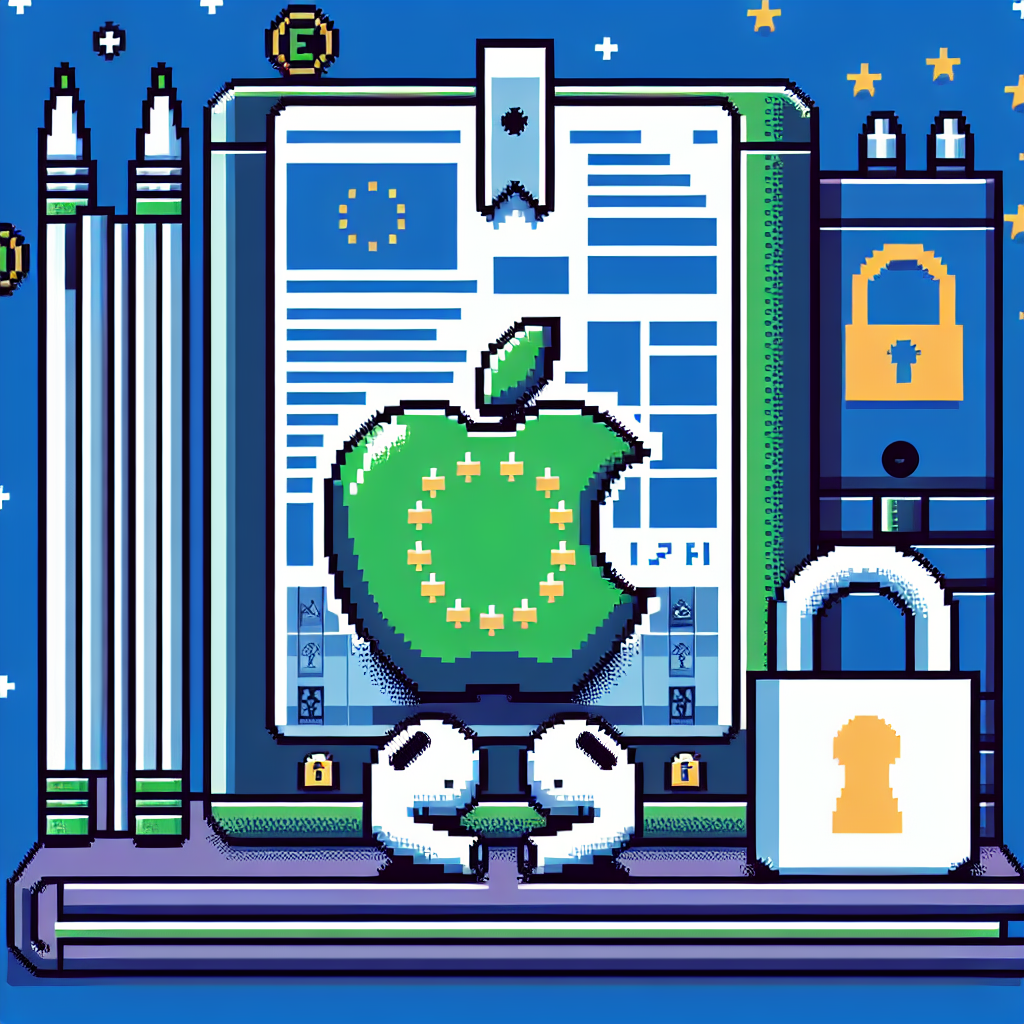
Apple blocks translation AirPods in EU over regulatory concerns – politico.eu | Analysis by Brian Moineau

Apple blocks translation AirPods in EU over regulatory concerns - politico.eu | Analysis by Brian Moineau

Apple’s Translation AirPods Blocked in EU: A Hiccup in Tech Innovation


If you're a tech enthusiast in Europe eagerly awaiting the next leap in gadget wizardry, the news might have come as a bit of a bummer. Apple, in its latest showcase of technological marvels, introduced new AirPods featuring an intriguing real-time translation feature. However, due to regulatory concerns, these shiny new translation AirPods will not be making their way to European ears anytime soon.

The Innovation That Wasn't

Apple's new AirPods were slated to offer real-time translation—an innovative feature that could revolutionize how we communicate across languages. Imagine the possibilities: traveling across Europe, hopping from Parisian cafes to Roman piazzas, and understanding everything around you without a language barrier. It’s like something out of a sci-fi movie. But alas, European regulations have thrown a wrench in the works.

The European Union is known for its stringent regulations, especially when it comes to technology and privacy. The General Data Protection Regulation (GDPR), which came into effect in 2018, is a testament to Europe’s commitment to data privacy. While the specifics of the regulatory concerns regarding Apple’s AirPods are not crystal clear, it’s likely that these concerns stem from issues related to data privacy and how user data is handled during the translation process. After all, real-time translation involves a lot of data processing, often in cloud environments, which might not sit well with European data protection standards.

A Broader Context in Tech

This isn’t the first time that regulatory concerns have put a damper on tech innovations. Remember when Google Glass was all the rage? Privacy concerns played a significant role in its limited adoption. Although Google Glass had the potential to change how we interact with the digital world, issues surrounding surveillance and privacy were hard to ignore.

Similarly, Facebook’s Libra cryptocurrency project faced pushback from regulators worldwide, causing delays and eventual rebranding to Diem. These instances highlight a common theme: as technology advances, regulatory frameworks often lag, creating friction between innovation and legislation.

Global Tech Trends and Regulations

This hiccup in Apple’s rollout is also reflective of the broader global tension between tech companies and regulatory bodies. In the U.S., tech giants like Facebook, Google, and Amazon have faced congressional hearings and antitrust lawsuits. Meanwhile, China has been cracking down on its tech sector, emphasizing data sovereignty and tightening control over tech companies.

Interestingly, Europe often finds itself at the forefront of tech regulation, setting precedents that other regions might follow. The EU's stance on data privacy, with the GDPR, has influenced policies worldwide. Could the Apple AirPods debacle prompt further discussions on how to balance innovation with regulation? Only time will tell.

Final Thoughts

While it's disappointing that Europeans won't get their hands on Apple's latest tech wonder just yet, it's also a reminder of the intricate dance between innovation and regulation. Technology has the power to transform our lives, but it needs to evolve within frameworks that protect users' rights and privacy.

As we await further developments, it’s crucial for tech companies and regulatory bodies to engage in dialogues that foster innovation while safeguarding public interest. Perhaps this is just a small setback, and soon enough, we’ll be experiencing the world in multiple languages, all through a pair of tiny, wireless earbuds.

So, to all the tech aficionados out there—keep your hopes high, because in the ever-evolving world of technology, today’s roadblock could be tomorrow’s stepping stone.

Read more about AI in Business

Read more about Latest Sports Trends

Read more about Technology Innovations

LAST DAY: Massive Apple deal event – M3 iPad Air all-time low, AirPods, M4 MacBooks $300 off, more [Updated] – 9to5Toys | Analysis by Brian Moineau

LAST DAY: Massive Apple deal event – M3 iPad Air all-time low, AirPods, M4 MacBooks $300 off, more [Updated] - 9to5Toys | Analysis by Brian Moineau

Title: The Tech Extravaganza: Apple's All-Time Low Deals and What It Says About Our Gadget-Driven World

As we inch closer to the weekend, there's a palpable buzz in the tech world, and no, it's not just the anticipation of a relaxing Saturday brunch. The excitement is courtesy of Apple and their blockbuster deal event, featuring jaw-dropping discounts on their latest gadgets. From the sleek M3 iPad Air to the powerhouse M4 MacBooks, and the ever-popular AirPods, it seems like there's something for everyone in this digital feast.

The Apple of Our Eye: What's on Offer

Apple's latest deal event, as highlighted by the folks over at 9to5Toys, is the stuff of tech lovers' dreams. The M3 iPad Air, known for its impressive blend of portability and power, is now available at an all-time low. Meanwhile, the M4 MacBooks are sporting a hefty $300 discount, making it a compelling time for anyone looking to upgrade their work-from-home setup. Not to mention, the trusty AirPods are also part of this sale, ensuring that your soundtrack for life remains uninterrupted and crystal clear.

The Bigger Picture: Gadgets and Our Lives

But beyond the irresistible allure of shiny new tech, this event is a microcosm of a larger trend. In a world where remote work and virtual connections have become the norm, our reliance on technology has never been more pronounced. Devices like iPads and MacBooks aren't just luxury items; they're essential tools that facilitate our daily lives, bridging gaps in communication and bringing the world to our fingertips.

This event also mirrors a broader shift in consumer behavior. As inflation concerns loom and economic uncertainties persist, consumers are becoming more discerning, seeking value in their purchases. Apple's deal event is not just a sale; it's a strategic move to meet the demands of a savvy, budget-conscious audience.

The Global Context: Technology in the Spotlight

The timing of this sale is particularly interesting when juxtaposed with global tech developments. Just recently, at the 2023 Global Tech Summit, discussions centered around the future of personal tech and its role in sustainable living. As companies like Apple push boundaries in innovation, there's a growing conversation about the environmental impact of our tech consumption. Apple's commitment to carbon neutrality by 2030 is a step in the right direction, reminding us that while we indulge in these deals, mindful consumption is key.

A Final Thought

As the curtain falls on this massive Apple deal event, we're reminded of the integral role technology plays in our lives. It's not just about the gadgets themselves, but about how they enable us to connect, create, and innovate. In a rapidly evolving digital landscape, the devices we choose are a reflection of not just our needs, but our values. So whether you're snagging that M3 iPad Air for a bargain or simply window shopping, remember that in the world of tech, it's the impact we make with our tools that truly counts.

For more details on the deals, check out the full article on [9to5Toys](https://9to5toys.com). Happy tech hunting!

Read more about AI in Business

Read more about Latest Sports Trends

Read more about Technology Innovations

AirPods Pro 2 get better every year, and iOS 26 extends that streak – 9to5Mac | Analysis by Brian Moineau

AirPods Pro 2 get better every year, and iOS 26 extends that streak - 9to5Mac | Analysis by Brian Moineau

Blog Post: "AirPods Pro 2: The Gift That Keeps on Giving"

In the age of rapid technological advancement, where the latest gadget seems obsolete by the time it hits the shelves, Apple stands out with its ability to breathe new life into existing products. A shining example of this is the AirPods Pro 2, a product that, like a fine wine, only seems to get better with age. Thanks to the magic of firmware updates, these seemingly humble earphones have evolved significantly since their initial release. The latest leap forward? iOS 26, which is extending this streak of innovation with a host of new features.

The Evolution of AirPods Pro 2


Since their debut, the AirPods Pro 2 have been a testament to Apple's commitment to excellence in audio technology. From enhanced noise cancellation to spatial audio, each update has added a layer of sophistication and utility. With iOS 26, users are now treated to even more improvements. Imagine waking up one morning to find your earbuds have learned new tricks overnight – it’s like having a personal tech upgrade without the hassle of purchasing new hardware.

These updates aren't just about adding flashy new features; they are about refining the experience. Consider, for instance, the ability to better manage ambient sounds, allowing users to customize their audio environment more precisely. This is particularly useful in our increasingly noisy world, where finding a quiet moment can seem like a luxury.

A World of Constant Upgrades


The phenomenon of constantly improving gadgets isn't unique to Apple. Tesla, for example, has been updating its vehicles with over-the-air software updates, adding everything from improved battery range to enhanced autopilot capabilities. This approach allows companies to keep their products fresh and competitive, reflecting a broader trend in technology where software updates extend the lifecycle of hardware.

But why is this important? In a world where sustainability is becoming a critical concern, extending the usability of existing products can significantly reduce electronic waste. According to a report by the Global E-waste Monitor, the world generated a staggering 53.6 million metric tons of electronic waste in 2019 alone. By updating rather than discarding, we take a small but meaningful step toward a more sustainable future.

The Bigger Picture


While technology companies like Apple and Tesla push the boundaries of what updates can do, other sectors too are embracing continuous improvement. Take the world of sports, where athletes constantly refine their techniques and strategies. Coaches use data analytics to fine-tune performance, ensuring their teams improve with each passing season. This is reminiscent of how firmware updates fine-tune the capabilities of devices like the AirPods Pro 2.

Final Thoughts


As we enjoy the latest features brought by iOS 26 to our trusty AirPods Pro 2, it's worth reflecting on the broader implications of this trend. We're witnessing a shift in how we perceive technology – not as a series of disposable gadgets, but as evolving companions that grow with us. In a world that's always looking for the next big thing, sometimes the most exciting innovation is simply making the old new again.

In conclusion, the AirPods Pro 2 exemplify the beauty of iterative innovation. They remind us that with the right updates, our devices can continue to surprise and delight us, year after year. Whether you're tuning out the world with improved noise cancellation or customizing your audio experience, it's clear that the future is bright – and it's already here, tucked comfortably in your ears.

Read more about AI in Business

Read more about Latest Sports Trends

Read more about Technology Innovations