Vote Now: Rank Nintendos Top 100 Games | Analysis by Brian Moineau

Which Nintendo Games Deserve the Throne? Your Vote Matters

Nintendo has been shaping childhoods — and adult obsessions — for decades. The problem, of course, is that “best” is a messy, affectionate argument: do you reward innovation, influence, nostalgia, or pure, timeless fun? IGN and Nintendo Life have partnered to try to pin that slippery title down by ranking the 100 best Nintendo games of all time — and the fun part is, readers get to weigh in and help shape a separate, user-curated list.

Why this ranking matters

  • Lists like these become reference points. They affect retrospectives, collector interest, and even how future generations discover classics.
  • Nintendo’s library spans consoles, handhelds, and decades — including third-party games that are now practically synonymous with Nintendo hardware.
  • Bringing editorial voices (IGN + Nintendo Life) together with reader votes creates a snapshot of both critical and community taste — and where they diverge.

What’s happening and when

  • IGN and Nintendo Life will reveal their editorial-ranked “100 Best Nintendo Games of All Time” across the week of November 10–14, 2025, publishing 20 picks per day until a single Number One is crowned. (nintendolife.com)
  • Before the full editorial list goes live, IGN is running a Faceoff-style campaign that lets readers pit games against one another and cast votes to build a reader-driven ranking. Nintendo Life points readers toward that IGN face-off for the community result. (nintendolife.com)

What to expect on the list

  • Heavy hitters are almost guaranteed: Zelda, Mario, Metroid, and Mario Kart entries routinely dominate community and editorial best-of lists. Titles like Ocarina of Time, Breath of the Wild, Super Mario World, Super Metroid, and Tears of the Kingdom will be strong contenders given their enduring critical standing and cultural impact. (en.wikipedia.org)
  • The collaboration explicitly includes third-party titles that are Nintendo exclusives or inseparable from Nintendo platforms, which means classics from Rare, Square, and other longtime partners could climb higher than in some Nintendo-only rankings. (nintendolife.com)
  • Expect conversation-starters: underrated gems, surprising placements, and the inevitable debates about how to weigh influence vs. nostalgia vs. playability in 2025’s context.

Why reader votes can shift the conversation

  • Editorial lists reflect a curated perspective — often balancing historical significance, innovation, and craft. Reader lists show what communities actually played, loved, and returned to.
  • A passionate niche of fans can push a cult classic up the ranks; conversely, mainstream blockbusters might dominate editorial lists but be checked by readers who prize personal attachment or niche innovation.
  • The Faceoff model (pairwise voting) tends to surface both consensus favorites and polarizing picks, making the reader list a lively counterpoint to the editorial ranking. (tech.yahoo.com)

Games I’d watch for interesting placements

  • The usual suspects: The Legend of Zelda: Ocarina of Time; Super Mario World; The Legend of Zelda: Breath of the Wild. These frequently sit near the summit on historic “best of” lists. (en.wikipedia.org)
  • Hidden pushes: Niche or regionally beloved titles can bubble up when dedicated communities mobilize — think cult classics that inspired devotion but not always mainstream praise.
  • Third-party standouts: Games that, while not developed by Nintendo, feel like Nintendo because of timing, platform identity, or creative synergy — they could shake up the top 100. (nintendolife.com)

A few things to keep in mind when voting

  • Timeframe and scope: This ranking considers games released on Nintendo consoles and handhelds across eras — from the NES and Game Boy to Switch and Switch 2 — so balance your nostalgia with an eye for historical impact.
  • Personal taste vs. legacy: Do you vote for the game that changed an entire genre, or the one you personally replay every year? Both are valid; the resulting lists will reflect that tension.
  • The voting method: Faceoff/pairwise formats favor games that can consistently win head-to-head matchups; a polarizing masterpiece might lose to a broadly loved but less daring title.

What this says about Nintendo’s legacy

This collaboration isn’t just a countdown — it’s a cultural audit. Nintendo’s catalog is diverse: arcade-inspired pick-ups, sprawling RPGs, inventive platformers, and social multiplayer staples. A combined editorial-and-reader snapshot captures more facets of that legacy than either side alone.

Final thoughts

Rankings are arguments as much as they are lists. They invite debate, nostalgia trips, and fresh appreciation for overlooked work. Whether you vote to defend a childhood favorite, champion an underdog, or argue that a revolutionary title deserves the crown, this joint IGN/Nintendo Life effort will create a lively record of what Nintendo means to players in 2025. Expect spirited takes, surprising upsets, and plenty of “How is that above X?!” moments — and that’s the whole point.

Sources


Related update: We recently published an article that expands on this topic: read the latest post.


Related update: We recently published an article that expands on this topic: read the latest post.

Related update: We recently published an article that expands on this topic: read the latest post.


Related update: We recently published an article that expands on this topic: read the latest post.

Related update: We recently published an article that expands on this topic: read the latest post.
Huawei’s second trifold adds stylus support and purple pleather – The Verge | Analysis by Brian Moineau

Huawei’s second trifold adds stylus support and purple pleather - The Verge | Analysis by Brian Moineau

Title: The Huawei Mate XTs: The Purple Pleather Revolution

In the ever-evolving world of technology, where innovation is the name of the game, Huawei has once again set the stage for a futuristic leap with the introduction of its Mate XTs. Picture this: a trifold smartphone that not only folds like origami but also supports a stylus and comes wrapped in a chic purple pleather finish. This latest marvel arrives in China with a price tag of $2,500, making waves before Samsung has even dipped its toes into the trifold waters.

The Huawei Mate XTs is not just another smartphone; it's a statement. In an era where devices are as much about style as they are about functionality, Huawei has taken a bold step towards combining both. The sleek design, enhanced by the royal hue of purple pleather, is reminiscent of the lavishness one might expect from a high-end fashion brand, rather than a tech giant. It's a nod to the idea that our gadgets are extensions of our personal style, much like a designer handbag or a bespoke suit.

Beyond its aesthetics, the Mate XTs pushes the boundaries of what we expect from a smartphone. The inclusion of a stylus brings back fond memories of the beloved PalmPilot and the more recent Samsung Galaxy Note series. It's a tool that creatives and professionals alike have cherished for its precision and ease of use. This move by Huawei not only caters to the artistic community but also to the tech-savvy multitaskers who appreciate the finer things in life.

The introduction of the Mate XTs also highlights a broader trend within the tech industry — the race for foldable devices. Samsung, a frontrunner in this arena with its Galaxy Z Fold and Flip series, has yet to unveil a trifold device. Huawei's preemptive strike could be seen as a gentle nudge, urging its competitors to think outside the box, or in this case, to fold three times instead of two. It's a classic case of innovation leading the charge, reminiscent of the tech battles between Apple and Microsoft in the early 2000s.

On the global stage, Huawei's move comes at a time when technology is increasingly becoming a focal point of geopolitical discussions. With ongoing trade tensions and the global chip shortage affecting production timelines across the industry, Huawei's ability to introduce such a pioneering device is noteworthy. It speaks to the resilience and adaptability of tech companies in navigating complex international landscapes to bring cutting-edge products to market.

In a world where we're constantly bombarded with new gadgets and gizmos, the Mate XTs stands out not just for its technological prowess, but for its audacity to blend fashion with function. It's a reminder that technology isn't just about circuits and screens; it's about pushing boundaries and redefining what's possible.

As we look to the future, the Huawei Mate XTs is a beacon of what's to come. It's a call to action for the tech industry to continue innovating, to surprise and delight consumers, and to never settle for the status quo. So, whether you're a tech enthusiast, a fashion aficionado, or simply someone looking for the next big thing, the Mate XTs is a device that demands your attention.

In the end, the arrival of Huawei's Mate XTs is more than just a product launch; it's a testament to the ever-evolving dance of technology and design. As we fold and unfold our way into the future, one thing is clear: the possibilities are as endless as they are exciting.

Read more about AI in Business

Read more about Latest Sports Trends

Read more about Technology Innovations

Google Teases Pixel 10 Ahead of August Reveal – CNET | Analysis by Brian Moineau

Google Teases Pixel 10 Ahead of August Reveal - CNET | Analysis by Brian Moineau

Pixel 10: The Unchanged Evolution of Smartphones?

Ah, technology! Just when you think it can't possibly get any more advanced, Google teases something new, like the Pixel 10. But this time, it comes with a twist: the Pixel 10, from what we can see so far, looks identical to its predecessor, the Pixel 9. This might leave some tech enthusiasts scratching their heads, while others will nod knowingly, recognizing a trend in the tech world that's as old as time itself—sometimes, the more things change, the more they stay the same.

Now, before we start critiquing Google's choice to maintain a familiar design, let's take a step back and look at the broader picture. In a world where innovation is often equated with radical change, there's something comforting about consistency. Just like how Apple's iPhone design remained largely unchanged between the iPhone 6 and iPhone 8, Google seems to be taking a page from Apple's playbook. The Pixel line's sleek and minimalistic design has garnered a loyal fan base, so why fix what isn’t broken?

It's also worth noting that this tease comes at a time when the world is experiencing a bit of déjà vu in various areas. For example, the fashion industry is seeing a resurgence of '90s trends. High-waisted jeans, chokers, and even bucket hats are making a comeback. Similarly, in the automotive world, Volkswagen recently brought back the iconic microbus in an electric form with the ID. Buzz, blending nostalgia with modern technology.

So, what could be Google's play here? Perhaps they're focusing on perfecting what's under the hood rather than altering the chassis. If we look at other tech companies, such as Tesla, the updates are often more about what's inside—software upgrades, enhanced battery life, and autopilot features—rather than cosmetic changes.

Moreover, as we continue to navigate the post-pandemic world, tech companies are increasingly prioritizing sustainability. By sticking to a similar design, Google might be reducing waste associated with creating entirely new molds and parts, instead focusing on refining their existing production processes.

While we wait for the official August reveal, this teaser serves as a reminder that innovation isn't always flashy or immediately visible. Sometimes, it's about refining the details, improving the user experience, and making technology more sustainable and accessible.

In conclusion, the Pixel 10 may look identical to the Pixel 9, but it’s a reminder that not all progress is visible on the surface. Whether you’re a tech enthusiast eagerly awaiting new features or someone who simply appreciates a reliable smartphone, the Pixel 10 promises to be yet another solid entry in Google's lineup. So let's keep our eyes peeled for what's to come and celebrate the small, incremental innovations that often make the biggest impact. After all, in tech, like in life, it's often the little things that matter most.

Read more about AI in Business

Read more about Latest Sports Trends

Read more about Technology Innovations

Samsung says you should think of Galaxy Z Fold 7 as a ‘trade-off’ as it reconsiders S Pen support – 9to5Google | Analysis by Brian Moineau

Samsung says you should think of Galaxy Z Fold 7 as a 'trade-off' as it reconsiders S Pen support - 9to5Google | Analysis by Brian Moineau

The Foldable Dilemma: Samsung’s Balancing Act with the Galaxy Z Fold 7

In the ever-evolving world of smartphones, trade-offs are as inevitable as the next big thing. Samsung's latest revelation about the Galaxy Z Fold 7 epitomizes this notion. The tech giant has decided to forgo the S Pen support in favor of a slimmer design. While some might find this a disappointing omission, it's a strategic move that mirrors broader trends and challenges in tech innovation.

A Tale of Two Features: Slimness vs. Functionality

Samsung's decision to prioritize a sleeker build over the inclusion of the S Pen underscores a significant shift in consumer electronics: the push for portability and aesthetic appeal. This choice invites users to consider what they truly value in a device. Is it the convenience of a digital pen, or the elegance and ease of a device that slips effortlessly into a pocket?

This isn't the first time we've seen such dilemmas. Apple's iPhone once faced backlash for removing the headphone jack. Yet, today, wireless earbuds are almost ubiquitous. It’s a testament to how initial resistance can evolve into acceptance, even appreciation, as new norms take hold.

The S Pen: More Than a Tool

The S Pen has been more than just an accessory for Samsung users. It's a symbol of creativity and productivity, a tool that transforms the way users interact with their devices. For artists, note-takers, and professionals, it's an extension of their digital toolkit. Losing it, even temporarily, can feel like a step back.

However, Samsung hints at a future where the S Pen might return to the foldable series. This suggests a continued commitment to innovation, where the company might find a way to reconcile the slim design with S Pen functionality. It’s a challenge of engineering and design that Samsung seems eager to tackle.

Global Trends and the Bigger Picture

Samsung's decision comes at a time when tech companies worldwide are grappling with similar questions of design versus functionality. For instance, automotive industries are now focusing more on aesthetics and sustainability, transitioning to electric vehicles that promise a blend of style and eco-friendliness. Similarly, wearable tech is moving towards minimalism, offering more features in smaller, sleeker packages.

Moreover, the global supply chain disruptions have forced companies to rethink priorities, often choosing to streamline production for efficiency over adding new features. It’s a delicate balance of innovation and practicality, much like what Samsung is attempting with the Galaxy Z Fold 7.

Final Thoughts

In the grand scheme of technological advancement, Samsung's "trade-off" is a reminder of the complex decisions that drive innovation. While some users may lament the temporary absence of the S Pen, others will appreciate the sleek design of the Galaxy Z Fold 7. It's a dance of progress where consumer feedback and technological possibilities must find harmony.

As we look to the future, the possibility of a Galaxy Z Fold that accommodates both a slim design and the beloved S Pen remains exciting. Until then, we can enjoy the current strides in foldable technology, knowing that the next breakthrough is just around the corner.

In the world of tech, trade-offs today often pave the way for tomorrow's triumphs. Samsung’s journey with the Galaxy Z Fold series is just one chapter in this ongoing story.

Read more about AI in Business

Read more about Latest Sports Trends

Read more about Technology Innovations

Store banner reveals Samsung Galaxy Z Fold7’s design, shows off its slender frame – GSMArena.com news – GSMArena.com | Analysis by Brian Moineau

Store banner reveals Samsung Galaxy Z Fold7's design, shows off its slender frame - GSMArena.com news - GSMArena.com | Analysis by Brian Moineau

The Evolution of Foldable Phones: A Glimpse into the Samsung Galaxy Z Fold7

It seems like just yesterday when flip phones were all the rage, a symbol of sleek technology and modern convenience. Fast forward to the present, and we've been swept into a new era of foldable phones, with the Samsung Galaxy Z Fold7 set to redefine our expectations yet again. This latest revelation from Samsung, as uncovered by a store banner, promises a device that's not just a technological marvel, but also a style statement.

Imagine holding a device that effortlessly transforms from a compact phone into a tablet. It's like carrying a piece of the future in your pocket. Samsung claims that the Z Fold7 will be the thinnest and lightest horizontal foldable yet. The thought of such a slender frame conjures images of a device that's not just about functionality but also about elegance. For those of us who remember the clunky first attempts at foldables, this is nothing short of revolutionary.

A few weeks ago, whispers in the tech community hinted that Samsung had sent out demo units of this sleek gadget. The excitement was palpable. It's not just about the specs; it's about the story these devices tell. The evolution from the first foldable screens, with their visible creases and hefty builds, to the refined design of the Galaxy Z Fold7, is a testament to how far technology has come in such a short time.

I remember my first encounter with a foldable smartphone. It felt like stepping into a sci-fi movie where gadgets could bend and twist without breaking. The initial models were fascinating, but undeniably bulky. Now, Samsung's promise of a lighter and thinner design makes me wonder how these advancements will impact the way we use our phones daily. Will we soon see foldables seamlessly replace the tablets and laptops we lug around?

The unveiling of the Samsung Galaxy Z Fold7 is more than just another product launch; it's a glimpse into the future of mobile technology. As we continue to blur the lines between phones and tablets, the role of these devices in our lives becomes increasingly integral. From streaming our favorite shows on the go to managing work tasks with ease, the potential is limitless.

Reflecting on this, I can't help but wonder what the next five years will bring. Will we see holographic displays, or perhaps phones that fold into wearable devices? The pace of innovation is exhilarating, and the Galaxy Z Fold7 is a beacon of what's possible when design meets technology.

In the end, it's not just about having the latest gadget; it's about how these innovations enhance our lives. The Samsung Galaxy Z Fold7 isn't just a phone; it's a statement of what's possible when we push the boundaries of technology. As we eagerly await its release, one thing is certain: the future of mobile technology is unfolding before our eyes, quite literally.

Read more about AI in Business

Read more about Latest Sports Trends

Read more about Technology Innovations

WWDC 2025: What to Expect From macOS 26 Tahoe – MacRumors | Analysis by Brian Moineau

WWDC 2025: What to Expect From macOS 26 Tahoe - MacRumors | Analysis by Brian Moineau

Title: Peeking Into the Future: What to Expect From macOS 26 Tahoe at WWDC 2025

As the tech world eagerly anticipates Apple's annual Worldwide Developers Conference (WWDC), the spotlight is firmly on what macOS 26, affectionately dubbed "Tahoe," will bring to our beloved Mac devices. With less than a week until the big reveal, speculation is running wild, and MacRumors has been at the forefront, teasing us with details about this new operating system.

A New Chapter in macOS Evolution

macOS 26 Tahoe promises to be a significant leap forward, building on the foundation laid by its predecessors. According to the grapevine, Tahoe might bring more seamless integration between the Mac and other Apple devices, continuing the trend of creating a more interconnected Apple ecosystem. Imagine answering a call, picking up where you left off in a document, or controlling your HomeKit devices, all from your Mac – it's the stuff of tech dreams!

With the ever-increasing importance of AI, we might see enhanced machine learning capabilities built right into the OS. This could mean smarter suggestions, more intuitive user experiences, and even better security features. Speaking of security, in a world where data breaches seem to be a daily headline, Apple's commitment to privacy could mean more robust security measures baked into macOS 26.

The Lake Tahoe Inspiration

Naming this iteration "Tahoe" is a nod to the iconic Lake Tahoe, known for its crystal-clear waters and stunning vistas. This could hint at a focus on clarity and aesthetics in the OS's design. Perhaps we'll see more transparent interfaces or features that make navigating the digital world as breathtakingly smooth as a trip around the lake itself.

Connecting With the World Beyond Apple

Outside the Apple sphere, the tech world is abuzz with the rise of AI technology, exemplified by the growth of tools like ChatGPT and Google's Bard. As these technologies become more pervasive, operating systems like macOS need to adapt, ensuring they support the latest advancements while maintaining user privacy – a delicate balance that Apple seems poised to tackle with Tahoe.

The tech industry's journey towards sustainability is another growing trend. Apple has made strides in making their products more environmentally friendly, and macOS 26 Tahoe might reflect this ethos. We could see more energy-efficient features or tools that help users reduce their carbon footprint.

A Final Thought

The excitement surrounding WWDC 2025 and macOS 26 Tahoe is palpable. As Apple continues to innovate and adapt to the changing technological landscape, we can expect a future where our devices are more intuitive, secure, and interconnected. While the specifics of Tahoe remain under wraps for now, one thing is certain: Apple's ability to surprise and delight remains as strong as ever.

So, as we count down the days to WWDC, let's enjoy the thrill of anticipation and look forward to what promises to be a landmark moment in the evolution of macOS. Whether you're an Apple aficionado or simply a curious observer, there's no denying the impact this announcement will have on the digital world. Here's to the future – and to the surprises Apple has in store for us!

Read more about AI in Business

Read more about Latest Sports Trends

Read more about Technology Innovations

Retired artist loses $2M in crypto to Coinbase impersonator – Cointelegraph | Analysis by Brian Moineau

Retired artist loses $2M in crypto to Coinbase impersonator - Cointelegraph | Analysis by Brian Moineau

The Cautionary Tale of Ed Suman: Art, Scams, and the Digital Frontier


In an age where technology is the brush and the world is the canvas, artists like Ed Suman have found new avenues to express their creativity and manage their finances. However, the digital realm, much like the art world, has its shadows. Recently, Ed Suman, a retired artist, fell victim to a scam that resulted in the loss of over $2 million in Bitcoin and Ether. This unfortunate event unfolded as scammers, masquerading as Coinbase support agents, exploited a recent data breach to dupe unsuspecting victims.

Ed Suman's story is not just a tale of financial loss but also a reminder of how the digital age, while offering vast opportunities, requires a new level of vigilance. As an artist, Suman spent his life creating works that speak to the human experience, yet in this digital landscape, he encountered a harsh lesson in human deception.

The Rise of Crypto Scams: A Digital Epidemic


The scam that targeted Suman is symptomatic of a larger epidemic that has plagued the crypto world. With the rise of cryptocurrencies like Bitcoin and Ether, there's been an equally significant rise in scams designed to exploit the uninitiated. According to a report by the Federal Trade Commission, consumers reported losing over $80 million to cryptocurrency scams in the six months leading up to April 2021, a tenfold increase from the previous year.

These scams often involve impersonating legitimate companies or individuals, a tactic that has proven devastatingly effective. In Suman's case, the scammers capitalized on a breach in Coinbase, one of the world's largest cryptocurrency exchanges, underscoring the importance of robust cybersecurity measures and user awareness.

Lessons from the Art World


If there's one thing the art world teaches us, it is the value of authenticity and discernment. Just as a seasoned art collector learns to distinguish a masterpiece from a forgery, so must we learn to navigate the digital landscape with a discerning eye. This means verifying sources, using two-factor authentication, and being cautious of unsolicited communications—especially those concerning financial assets.

Ed Suman's experience echoes the broader challenges faced by many as they navigate the digital economy. Whether it's an artist managing their portfolio or an investor diversifying their assets, the need for digital literacy and security is paramount.

The Broader Context: Digital Trust and Security


This incident comes at a time when digital trust is paramount. With data breaches becoming increasingly common, companies and individuals alike must prioritize cybersecurity. The World Economic Forum has highlighted cybersecurity as one of the greatest challenges of our time, emphasizing the need for a concerted effort to protect digital assets and personal information.

Interestingly, the art world itself is experiencing a digital transformation. Non-fungible tokens (NFTs) have emerged as a new frontier, enabling artists to monetize digital art. However, this too comes with challenges, as the NFT space has also been targeted by scammers.

Final Thoughts: A Call for Vigilance and Innovation


Ed Suman's story is a stark reminder of the vulnerabilities we face in an interconnected world. While technology offers unprecedented opportunities for creativity and financial growth, it also demands a new level of vigilance. As we step further into this digital frontier, it is crucial that we arm ourselves with knowledge and tools to protect our assets and our identities.

In the end, much like a painter refining their technique, we must continuously adapt and learn. By fostering a culture of awareness and innovation, we can turn the digital landscape into a canvas of opportunity rather than a minefield of scams. As we journey through this digital age, let us remember that while technology shapes our world, it is our responsibility to shape how we interact with it.

Read more about AI in Business

Read more about Latest Sports Trends

Read more about Technology Innovations

Material 3 Expressive is already making its way to Wear OS Tiles – 9to5Google | Analysis by Brian Moineau

Material 3 Expressive is already making its way to Wear OS Tiles - 9to5Google | Analysis by Brian Moineau

Title: Embracing the Future of Wearables: Material 3 Expressive Makes Its Mark on Wear OS Tiles

In the fast-paced world of technology, staying ahead of the curve is the name of the game. Just when we thought our smartwatches couldn't get any more stylish and functional, Google surprises us with a sneak peek into the future. Enter Material 3 Expressive, the latest design language that's already weaving its magic into Wear OS Tiles—even before the official launch of Wear OS 6 later this year.

A Sneak Peek into Material 3 Expressive

Material 3 Expressive is Google's latest design philosophy, offering a fresh and vibrant look that's set to redefine user interfaces. With its bold colors, dynamic layouts, and a heightened focus on personalization, Material 3 Expressive aims to make interactions more intuitive and visually appealing. While it's poised to officially debut with Wear OS 6, Google has already started rolling out updates to Wear OS Tiles, giving users an exciting preview of what's to come.

The Evolution of Wear OS

Wear OS has come a long way since its inception. Initially launched as Android Wear in 2014, Google's smartwatch platform has undergone several transformations. Over the years, it has evolved from being a basic extension of Android smartphones to a powerful standalone ecosystem. The introduction of Material 3 Expressive marks another significant milestone in this journey, reflecting Google's commitment to enhancing user experience.

Drawing Parallels with the Broader Tech World

Google's proactive approach with Material 3 Expressive is reminiscent of other recent tech advancements. Apple's introduction of widgets in iOS 14, for instance, brought a new level of customization and interactivity to the iPhone's home screen. Similarly, Microsoft's Fluent Design System has been gradually reshaping Windows 10, making it more cohesive and user-friendly.

The common thread across these developments is a focus on personalization and user engagement. As technology continues to integrate more seamlessly into our daily lives, the demand for intuitive and aesthetically pleasing interfaces is only going to grow.

Expanding Horizons in Wearable Tech

As Material 3 Expressive begins to take root, it's worth noting how wearables are influencing various industries. In healthcare, for instance, smartwatches are playing an increasingly vital role. According to a study by the Journal of Medical Internet Research, wearable devices are now being used to monitor everything from heart rate to stress levels, offering valuable insights for both users and healthcare providers.

In the fashion world, tech-infused garments and accessories are becoming more mainstream. The collaboration between Louis Vuitton and Google's Wear OS for luxury smartwatches exemplifies the fusion of technology and high fashion, highlighting the growing appeal of wearables beyond tech enthusiasts.

Final Thoughts

The early introduction of Material 3 Expressive to Wear OS Tiles is a testament to Google's forward-thinking strategy. As we await the full release of Wear OS 6, this sneak peek offers a tantalizing glimpse into the future of wearable technology. With tech companies constantly pushing the boundaries of design and functionality, the next wave of innovation promises to be both exciting and transformative.

In a world where technology is as much about style as it is about function, the evolution of Wear OS with Material 3 Expressive is a step toward a more personalized and visually captivating digital experience. Whether you're a tech aficionado or a casual user, one thing is clear: the future of wearables is bright, and it's just around the corner.

Read more about AI in Business

Read more about Latest Sports Trends

Read more about Technology Innovations

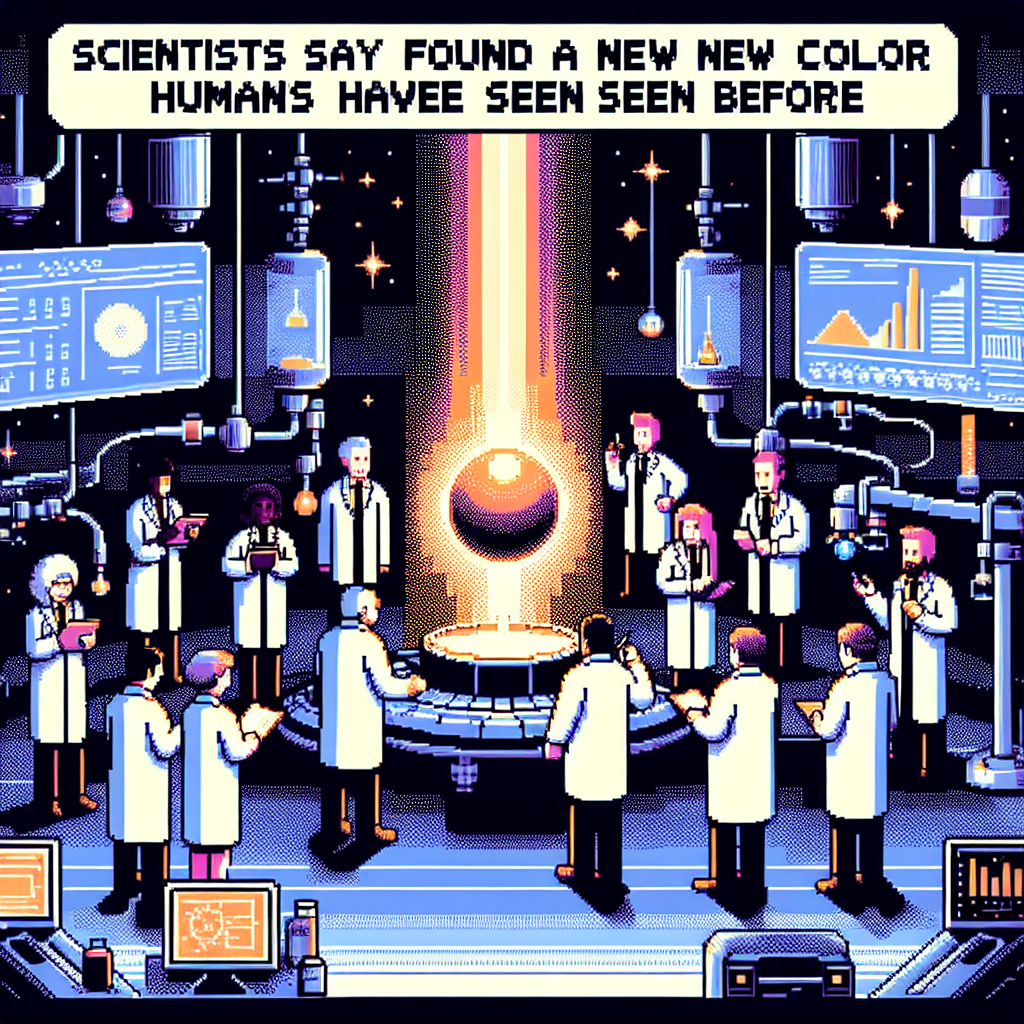
Scientists Say They Found a New Color Humans Have Never Seen Before – ScienceAlert | Analysis by Brian Moineau

Scientists Say They Found a New Color Humans Have Never Seen Before - ScienceAlert | Analysis by Brian Moineau

Title: The Unseen Spectrum: A New Color Discovery Sparks Wonder and Possibility

In a world where technology and science constantly push the boundaries of our understanding, a new discovery has emerged that quite literally adds color to our lives. Scientists have reportedly identified a new color – a "blue-green of unprecedented saturation" – that humans have never seen before. This news, highlighted by ScienceAlert, invites us to ponder the kaleidoscopic possibilities of our universe, just waiting to be explored.

It's an awe-inspiring thought: a color that exists beyond the spectrum visible to the human eye. This discovery not only challenges our perception but also adds a layer of intrigue to the natural world, reminiscent of how the mantis shrimp perceives colors we can't even fathom with its 16 color-receptive cones compared to our mere three. Imagine a reality where the sky isn't just blue but possesses a depth and saturation unlike anything we've encountered. This discovery is akin to finding a new planet in our solar system – a revelation that redefines our view of the familiar.

But what does this mean for us? The implications stretch beyond just the visual delight. Consider the fields of art and design, where color is an essential tool for expression and communication. Artists might soon have the opportunity to incorporate this new hue into their palettes, offering a fresh medium to convey emotion and narrative. In fashion, this could lead to garments that shimmer with a vibrancy previously unimaginable, challenging the very core of color theory and design.

Moreover, this discovery comes at a time when technology is striving to enhance human capabilities. From augmented reality to advanced display technologies, our way of experiencing the world is evolving. In the same vein as virtual reality headsets that immerse us in digital realms, the ability to perceive this new color could transform how we interact with visual media. Imagine screens that burst with colors beyond the standard RGB spectrum, creating images that are more lifelike and immersive than ever before.

This revelation also parallels the ongoing exploration of augmented human senses. Projects like Neuralink, spearheaded by Elon Musk, aim to expand the boundaries of human experience through technological means. While primarily focused on cognitive enhancement, one could speculate about future innovations allowing us to perceive these newly discovered colors, thus expanding our sensory world.

While the scientific community continues to unravel the mysteries behind this discovery, it serves as a reminder of the boundless potential of human curiosity and innovation. Just as astronomers peer into the depths of space to find new galaxies, scientists are now peering into the spectrum of light to find colors that have been hiding in plain sight.

In conclusion, the unveiling of a color never seen before by human eyes is a testament to the relentless pursuit of knowledge. It challenges us to rethink our understanding of the world and opens the door to numerous possibilities across various fields. As we stand on the threshold of this new discovery, one can't help but wonder what other hidden wonders are waiting to be uncovered. In a universe teeming with the unknown, the discovery of a new color is a vibrant reminder that there is always more to see.

Read more about AI in Business

Read more about Latest Sports Trends

Read more about Technology Innovations