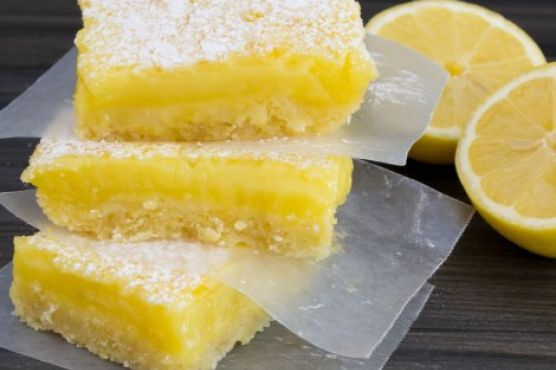
Shortbread Lemon Bars
Intro
There’s something incredibly nostalgic about baking, especially when it involves the zesty burst of fresh lemons and the buttery, crumbly texture of shortbread. Growing up, my grandmother would always have a tray of her famous lemon bars waiting on the kitchen counter when we visited her during the summer. The sweet, tangy aroma would greet us at the door, promising a delightful treat after a day of playing outside. These Shortbread Lemon Bars are a tribute to her recipe, with a few little tweaks of my own. They capture the essence of those cherished childhood afternoons in the kitchen, filled with laughter, love, and the simple joy of homemade dessert.
Why You’ll Love It
This recipe for Shortbread Lemon Bars is perfect for so many reasons:
- Easy to Make: With simple ingredients and straightforward steps, these bars are perfect for both novice and experienced bakers.
- Bright and Tangy Flavor: Fresh lemon juice and zest provide a vibrant citrus flavor that pairs beautifully with the buttery shortbread crust.
- Perfect for Any Occasion: Whether it’s a family gathering, a potluck, or just a sweet treat for yourself, these lemon bars are always a hit.
- Make-Ahead Friendly: These bars can easily be made ahead of time and stored, making them convenient for busy schedules.
Ingredients
- 1 cup all-purpose flour
- 1/2 cup powdered sugar
- 1/4 teaspoon salt
- 1/2 cup unsalted butter, softened
- 3/4 cup granulated sugar
- 2 tablespoons all-purpose flour
- 2 large eggs
- 1/3 cup fresh lemon juice
- 2 tablespoons fat milk
- 1 tablespoon lemon zest
- Powdered sugar for dusting
Instructions
- Preheat your oven to 350°F (175°C).
- Coat an 8-inch square baking pan with non-stick cooking spray or line it with foil for easy removal.
- In a large mixing bowl, combine 1 cup of flour, 1/2 cup of powdered sugar, and 1/4 teaspoon of salt.
- Add 1/2 cup of softened unsalted butter to the flour mixture.
- Using a fork or your fingers, crumble the butter into the flour mixture until it resembles coarse meal.
- Press this mixture evenly over the bottom of the prepared pan to form the crust.
- Refrigerate the crust for 15 minutes to set.
- Bake the crust for about 20 minutes, or until it is golden brown.
- While the crust bakes, prepare the filling. In a medium mixing bowl, combine 3/4 cup of granulated sugar and 2 tablespoons of flour.
- Whisk in the 2 large eggs until well combined.
- Add 1/3 cup of fresh lemon juice, 2 tablespoons of fat milk, and a pinch of salt to the egg mixture; stir to combine.
- Pour the lemon filling over the baked crust.
- Sprinkle 1 tablespoon of lemon zest evenly over the filling.
- Return the pan to the oven and bake for an additional 20 minutes, or until the filling is firmly set.
- Allow the bars to cool on a rack.
- Once cool, remove the bars from the pan and cut them into 9 squares.
- Dust with powdered sugar before serving for an extra touch of sweetness.
Tips
- For the best flavor, use freshly squeezed lemon juice and freshly grated lemon zest.
- To ensure even baking, make sure the crust is uniformly pressed into the bottom of the pan.
- If you prefer a less sweet dessert, reduce the amount of powdered sugar in the crust slightly.
Variations & Substitutions
Feel free to experiment with this recipe by adding your own twist:
- Gluten-Free Option: Substitute the all-purpose flour with a gluten-free flour blend.
- Vegan Version: Use a plant-based butter and substitute the eggs with a flaxseed egg alternative (1 tablespoon ground flaxseed mixed with 3 tablespoons water per egg).
- Flavor Variations: Add a touch of vanilla extract to the filling for a different flavor profile, or try using lime juice and zest for a lime twist.
Storage
Store these Shortbread Lemon Bars in an airtight container in the refrigerator for up to a week. You can also freeze them for up to three months. To freeze, wrap each bar individually in plastic wrap and place them in a freezer-safe bag. Thaw in the refrigerator before serving.
FAQ
Can I use bottled lemon juice instead of fresh?
While bottled lemon juice can be used in a pinch, I highly recommend using fresh lemons for the best flavor and aroma. Fresh juice has a brightness that bottled simply can’t match.
How do I know when the lemon bars are done baking?
The filling should be set and not jiggle in the center when the bars are done. You can also test by inserting a toothpick into the center; it should come out mostly clean with a few moist crumbs.
Can I make these bars in advance?
Absolutely! These bars are perfect for making ahead of time. Simply bake them and allow them to cool completely before storing. They taste even better the next day as the flavors have more time to meld together.
Nutrition
Each serving of Shortbread Lemon Bars (1 bar) contains approximately 220 calories, 11g of fat, 29g of carbohydrates, 2g of protein, and 15g of sugar. Please note that these values are estimates and can vary based on the specific ingredients used.
Conclusion
These Shortbread Lemon Bars are a delightful blend of tart and sweet, making them a perfect dessert for any occasion. Their buttery crust and zesty lemon filling are sure to impress anyone who tries them. Whether you’re baking them for a special gathering or simply to enjoy with a cup of tea, these bars promise a taste of sunshine in every bite. I hope this recipe brings as much joy to your home as it has to mine. Happy baking!
Related update: Shortbread Lemon Bars
Related update: 5 Minute Xocai Chocolate Mug Cake