
Cloudflare Rally: Q4 Beats and Bullish | Analysis by Brian Moineau

When the Agentic Internet Shows Up to Work: Cloudflare’s Q4 Surprise and a Bullish 2026 Outlook

Cloudflare just reminded the market why infrastructure businesses can suddenly feel like the center of the AI party. On February 10, 2026, the company reported a stronger-than-expected fourth quarter and issued a 2026 revenue outlook that beat consensus — and the stock reacted accordingly. But beneath the headline beats lies a mix of durable growth signals, new AI-driven demand, and a few technical and valuation wrinkles investors should notice.

Quick snapshot you can skim

  • Quarter reported on February 10, 2026: revenue $614.5M (up ~34% year-over-year).
  • Q4 non-GAAP EPS: $0.28.
  • Full-year 2026 revenue guide: $2.79B and adjusted EPS guidance around $1.11 — above Street revenue expectations.
  • Management highlights: AI agents and Cloudflare Workers driving more traffic and developer adoption.
  • Cash/financials: >$4.1B in cash and marketable securities, improving free cash flow margins.

(Primary numbers come from Cloudflare’s February 10, 2026 press release and subsequent market coverage.) (cloudflare.net)

What changed — and why investors cheered

  • Real beats, not just optics. Cloudflare’s Q4 revenue and non-GAAP EPS both beat Street estimates, and management pointed to one of its largest-ever ACV deals and accelerated new ACV growth. Those are hard, enterprise-level wins, not seasonal flukes. (cloudflare.net)
  • AI activity = traffic multiplier. Cloudflare says AI-generated requests and “agentic” activity are meaningfully increasing the volume and complexity of traffic across its network. That trend boosts demand for edge compute (Workers), performance, and security services — Cloudflare’s core product set. Multiple analysts tied the beat to tailwinds from AI-driven traffic. (investors.com)
  • Profitability is improving. GAAP still shows a loss from operations, but non-GAAP operating income and free cash flow expanded materially in Q4 — a signal that revenue growth is starting to translate into better margins and cash generation. (cloudflare.net)

Why the 2026 guide matters

Cloudflare’s guidance for 2026 (roughly $2.79B revenue) came in above consensus. That’s the cleanest proof management expects the AI-driven lift and large-account momentum to persist. Guidance beats reduce the uncertainty premium investors place on growth names and give analysts license to raise models — which often fuels short-term share-price pops.

But guidance also carried prudence on EPS: full-year adjusted EPS guidance was slightly below some expectations, implying Cloudflare is investing to capture growth even while improving margins. That mix — revenue optimism with measured margin assumptions — is typically viewed favorably by growth investors who want scale without runaway spending.

The investor dilemma: growth story vs. technical reality

  • Bull case: Cloudflare sits at the intersection of networking, security, and edge compute. If AI agents become permanent heavy users of the web, Cloudflare’s platform and its Workers developer ecosystem become sticky, high-margin revenue drivers. Large ACV deals and expanding RPO (remaining performance obligations) give the company predictable, durable revenue. (cloudflare.net)

  • Bear case: software multiples have been under pressure, and Cloudflare’s stock had seen institutional selling before this beat (technical indicators like Accumulation/Distribution were flagged as weak by market data providers). In plain terms: fundamentals are improving, but some investors may remain cautious until the company consistently delivers margin expansion and sustained higher growth rates. (investors.com)

  • The middle path: Treat the stock as an infrastructure growth play that merits patience. Short-term volatility is likely; the longer-term thesis hinges on AI traffic continuing to re-platform the Internet and Cloudflare converting that traffic into higher ARPU and enterprise traction.

What to watch next (near-term catalysts)

  • Q1 2026 results and whether sequential revenue trends and margin expansion continue. Cloudflare guided Q1 revenue modestly above consensus; execution there will be telling. (investing.com)
  • Growth of Cloudflare Workers and developer adoption metrics — these are leading indicators for future revenue per developer and platform monetization. (cloudflare.net)
  • Deals and ACV cadence: will large deals keep accelerating, or was the big Q4 ACV a one-off? Large-contract momentum is central to the enterprise story. (cloudflare.net)
  • Broader software multiple compression or expansion — macro moves in tech stocks will still sway Cloudflare’s share price regardless of company-level execution.

A few strategic takeaways for investors and builders

  • Infrastructure is the quiet winner when usage patterns shift. When users (or agents) change how they interact with the web, companies that own reliable, global pipes and flexible edge compute win.
  • Developer platforms scale differently. Success in developer adoption (Workers, SDKs, APIs) can create durable revenue streams if monetized thoughtfully.
  • Cash and profitability matter even for growth names. Cloudflare’s >$4B cash cushion and improving free cash flow give it optionality to invest in product, sales, or tuck-in M&A while weathering market cycles. (cloudflare.net)

My take

Cloudflare’s Q4 and 2026 guide are a meaningful validation of the “Agentic Internet” thesis management has been selling: agents and AI workloads are real demand multipliers for edge and networking infrastructure. The numbers back the narrative — enterprise ACV growth, developer traction, and a rising cash flow profile are all positive. That said, investors should balance enthusiasm with discipline: stock moves from guidance beats can overshoot, and the share performance will still respond to broader sector sentiment and technical flows. If you believe AI agents materially re-platform web traffic, Cloudflare is a natural infrastructure play worth owning; if you’re skeptical about the durability of the lift or the multiple, use the recent rally as an opportunity to reassess position size rather than chase.

Sources


Related update: We recently published an article that expands on this topic: read the latest post.

Starbucks Revamps Rewards with Tiers | Analysis by Brian Moineau

Starbucks is changing the way it says thanks: a fresh take on Rewards

If your Starbucks app buzzes on March 10, it won’t just be about a new promo — it will be the moment a longtime loyalty program gets a clear makeover. Starbucks’ newly reimagined Rewards program introduces tiered levels, faster earning, and some perks that feel designed to solve the small frustrations members have been vocal about for years. For anyone who visits Starbucks regularly (or wants to), this is more than cosmetic — it’s a strategic push to make loyalty feel personal again.

Why this matters now

  • Starbucks Rewards accounted for a huge share of U.S. revenue in fiscal 2025 and had more than 35 million active 90‑day members. The program is a major growth lever for the company. (about.starbucks.com)
  • The company says the redesign comes straight from member feedback — particularly around how Stars are earned, how long they last, and how quickly members can redeem tangible value. (investor.starbucks.com)
  • Launch date: March 10, 2026 — members will see their assigned level in the app and by email, based on Stars earned in calendar 2025. All existing Stars remain in accounts. (investor.starbucks.com)

A quick tour of the new tiers

  • Green

    • Entry-level benefits: birthday reward, personalized offers, early access to select items.
    • New perks: Free Mod Mondays (one complimentary customization on a select Monday each month).
    • Stars validity: Stars are valid for six months, but monthly activity (purchase, redemption, or reload) extends them for an extra month.
    • Earning: 1 Star per $1, plus bonuses for digital reloads. (investor.starbucks.com)
  • Gold

    • Threshold: 500 Stars in a 12‑month period.
    • Perks: All Green benefits, Stars never expire, a seven‑day window to redeem birthday treat, 1.2 Stars per $1 (12 per $10), and at least four additional Double Star Days per year. (investor.starbucks.com)
  • Reserve

    • Threshold: 2,500 Stars in a 12‑month period.
    • Perks: All Green and Gold benefits, a 30‑day birthday redemption window, at least six additional Double Star Days, exclusive merchandise and curated events (even travel experiences), and 1.7 Stars per $1 (17 per $10). (investor.starbucks.com)

What’s new (and what actually changes for members)

  • Faster earning tied to engagement rather than payment method. That simplifies earning logic and rewards frequent spenders more clearly. (investor.starbucks.com)
  • A new 60‑Star redemption tier: $2 off any item — a lower, quicker access point to rewards that makes small wins possible sooner. Other tiers remain but are updated: 25 Stars for customization up to $1 value, 100 for brewed coffee/food, 200 for handcrafted beverages/ breakfast, etc. (investor.starbucks.com)
  • Better treatment of Star expiration: Gold and Reserve members’ Stars never expire; Green members can keep Stars active with simple monthly activity. (investor.starbucks.com)
  • Cross‑program linkups: select partnerships (Delta SkyMiles, Marriott Bonvoy) can be linked to unlock additional benefits. (investor.starbucks.com)

Why Starbucks is making these moves

  • Business rationale

    • Loyalty members already drive a disproportionate share of revenue. Small behavioral nudges — more personalized offers, a tier to strive for, and clearer, faster rewards — can increase visit frequency and basket size. (about.starbucks.com)
    • The tier design creates aspirational goals (Gold → Reserve) that motivate incremental spend and repeated engagement. (investor.starbucks.com)
  • Customer experience rationale

    • Simpler earning, a lower barrier to redeeming value, clearer expiration rules, and a monthly “free mod” are direct responses to common complaints. That’s likely to placate some frustrated members and make the program feel fairer. (about.starbucks.com)

Possible frictions and watch points

  • Reserve looks expensive to reach. Earning 2,500 Stars in 12 months will require substantial spend for many customers; the perceived value must match the effort, otherwise the tier risks feeling out of reach or purely aspirational. Observers have already noted this may favor high-frequency buyers. (axios.com)
  • Operational clarity at launch matters. Any confusion in how Stars were counted for 2025 (used to seed initial tier assignments) or in app displays could cause customer service headaches. Starbucks says existing Stars remain, but how that translates to visible tiers on March 10 will be crucial. (investor.starbucks.com)
  • Margin tradeoffs. Giving more frequent low-cost redemptions (60‑Star $2 off) and free customizations could compress margins if not offset by higher frequency or higher spend per visit.

What this means for different members

  • Casual visitors: greener perks and a faster path to a $2 discount make the program more tangible without heavy commitment.
  • Regulars: Gold’s non‑expiring Stars and extra Double Star Days reward steady behavior and reduce the anxiety of “use it or lose it.”
  • Super‑fans: Reserve promises exclusive experiences and faster earning — great for brand devotees and those who treat Starbucks as a lifestyle spend.

My take

This redesign feels smart and evidence‑based. Starbucks leaned on scale and customer feedback to simplify earning mechanics, add smaller but meaningful redemptions, and create aspirational tiers. The structural changes favor engagement: a lower redemption threshold, regular small perks (Free Mod Mondays), and non‑expiring Stars for higher tiers all reduce friction and increase perceived fairness.

The key to success will be execution. If Starbucks communicates clearly, ensures the app experience reflects member value instantly on March 10, and leans into the Reserve perks without making them purely theatrical, the program could deepen loyalty and help nudge more visits into repeat visits and larger baskets. If, instead, the Reserve tier feels unattainable or the new cross‑program links create complexity, some members may see the changes as rearranging the deck chairs.

Final thoughts

Loyalty programs live or die on clarity and perceived value. Starbucks’ reimagined Rewards addresses both: simpler earning, faster wins, and tiers that reward commitment. For the average coffee buyer, the immediate gains (60‑Star $2 off, Free Mod Mondays, clearer expiration rules) are tangible. For Starbucks, the gamble is that these choices will translate into more frequent purchases and deeper brand attachment — and with over 35 million active members, even small behavioral lifts can move the needle.

Sources

Main Street Under Siege by Affordability | Analysis by Brian Moineau

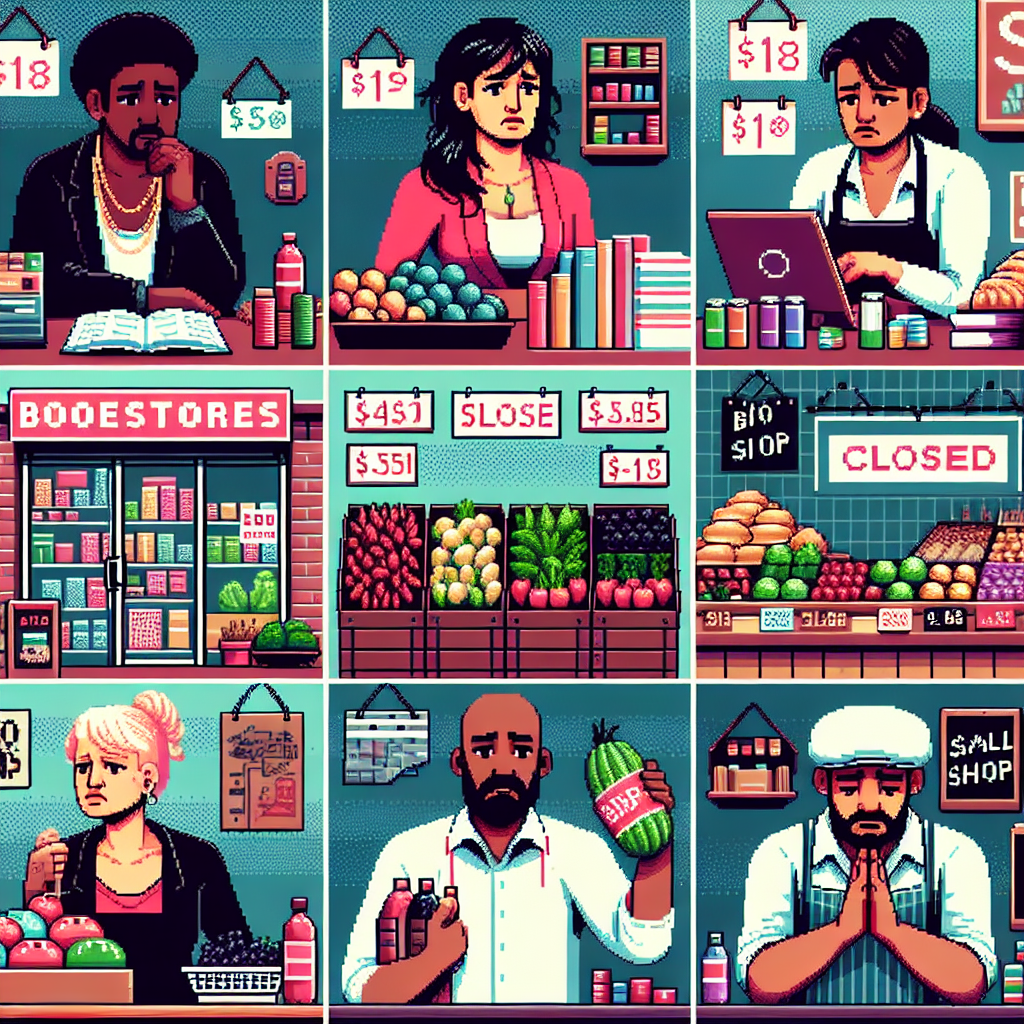
The squeeze on Main Street: why mom-and-pop shops are hunkering down

There’s a quiet panic in small-business towns across the country. Shop owners are trimming hours, delaying hires, and staring at spreadsheet scenarios that all end the same way — build cash, avoid risk, survive the next shock. The affordability crisis isn’t just about rising grocery bills; it’s a compound threat hitting mom-and-pop shops from every direction: higher import costs, rising payroll and health‑care bills, scarce affordable credit, and employees who are one rent check away from distraction. This is what happens when the cost-of-living crisis collides with a fragile small-business ecosystem.

Why this feels different right now

  • Import and input costs have jumped for many small manufacturers and retailers, driven by tariffs and higher shipping costs that squeeze margins. Owners who used to pass only a fraction of price increases onto customers are now forced to choose between less profit and fewer sales. (finance.yahoo.com)
  • Lending is available in some forms, but often expensive. Small-term business loans show average rates that are higher than they have been in recent memory, pricing out growth and forcing owners to hoard cash rather than invest. (finance.yahoo.com)
  • Payroll and healthcare remain stickier costs. With wages and benefits rising, labor-intensive small businesses—cafés, shops, local manufacturers—face a double bind: pay more to retain staff or risk turnover and service disruption. (finance.yahoo.com)
  • The workforce itself is stressed. When employees are worried about housing, groceries, or medical bills they bring that anxiety to work; productivity and customer service suffer. Business owners report distracted staff and a loss of morale that is hard to quantify but easy to feel at the register. (finance.yahoo.com)

Signals from the data and policy landscape

  • Banks reported a modest uptick in demand for business loans in late 2024, but lending standards have tightened, and smaller borrowers often see higher effective rates or find themselves steered away from underwriting entirely. That mismatch leaves many Main Street businesses underserved. (reuters.com)
  • The Small Business Administration (SBA) has increased small-dollar backing in recent years, which has helped some entrepreneurs access capital. But access remains uneven, and policy shifts or agency reorganizations can change the terrain quickly for small lenders and borrowers. (apnews.com)

What owners are doing (and why it matters)

  • Hunkering down: owners are building cash reserves, delaying capital expenditures, and cutting discretionary spending. That preserves survival but stalls growth and job creation. (finance.yahoo.com)
  • Shrinking payrolls: some have reduced staff or hours to manage labor costs. That reduces overhead but can also reduce revenue and community vibrancy. (finance.yahoo.com)
  • Seeking alternate revenue: pop-up events, online channels, and partnerships can help, but not every business can pivot easily—especially manufacturers and service providers tied to local demand. (finance.yahoo.com)
  • Shopping for credit carefully: owners are comparing SBA-backed options, community lenders, and commercial banks, but smaller, mission-driven loans are still scarce in some regions. (sba.gov)

A few human stories that put numbers in perspective

Across different reports, small-business owners say the same thing: uncertainty makes planning impossible. A Massachusetts manufacturer that recently laid off staff described an environment where tariffs and shifting trade policy dent demand overnight, forcing quick cuts and a focus on cash preservation rather than investment. Those individual decisions ripple through local economies—less payroll, fewer local purchases, and a community that slowly tightens its belt. (finance.yahoo.com)

What would help Main Street (practical levers)

  • Expand small-dollar lending and streamline access. More predictable, affordable credit for loans under six figures helps owners bridge seasonal gaps and invest in productivity. SBA programs and community lenders can play a role but need scale and stability. (apnews.com)
  • Targeted relief for input-cost shocks. Temporary tax credits, tariff adjustments, or subsidized logistics support could blunt abrupt cost spikes for small manufacturers who lack hedging tools used by larger firms. (finance.yahoo.com)
  • Workforce support that stabilizes employees’ lives. Expanding access to childcare, emergency savings, and affordable health-care options reduces the non‑work distractions that hit productivity and retention. (finance.yahoo.com)
  • Predictable policy environment. Businesses need fewer policy surprises—clearer trade and regulatory signals allow owners to plan hiring and capital expenditures with confidence. (finance.yahoo.com)

A short set of takeaways for readers

  • Main Street is resilient but not invincible: small businesses are conserving cash and deferring growth while facing multiple cost pressures. (finance.yahoo.com)
  • Credit exists but is uneven: SBA efforts have expanded small-dollar lending, yet many owners still pay high effective rates or face tighter underwriting. (apnews.com)
  • The workforce crisis is an affordability crisis: stressed employees reduce productivity, and that compounds business stress. (finance.yahoo.com)

My take

This moment feels like a stress test for the local economy. Policies and markets have nudged mom-and-pop shops into a defensive crouch—and defense is a valid short-term strategy. But if we leave Main Street in that posture too long, we risk losing the entrepreneurial engine that drives jobs and community identity. The right mix of predictable policy, targeted support for credit and inputs, and investments that stabilize workers’ lives could flip a lot of these businesses back from “survive” to “grow.”

Sources


Related update: We recently published an article that expands on this topic: read the latest post.


Related update: We recently published an article that expands on this topic: read the latest post.

Will Warren Buffett say why he’s holding so much cash? – Fortune | Analysis by Brian Moineau

Will Warren Buffett say why he’s holding so much cash? - Fortune | Analysis by Brian Moineau

**Title: Cash Piles and Market Smiles: Warren Buffett's Billion-Dollar Dilemma**

When Warren Buffett holds onto something, the world pays attention. And right now, what the Oracle of Omaha is clutching tightly is a staggering $325 billion in cash reserves at Berkshire Hathaway. This isn't just pocket change; it's a record-setting heap that has everyone buzzing. But the big question on everyone's lips is: Why?

Berkshire's mountainous cash reserve comes at a time when the stock market is historically expensive, with few apparent value buys. It's like going to a gourmet grocery store with a wallet full of cash, only to find the shelves stocked with overpriced artisanal cheeses, and you're really just looking for a good deal on cheddar.

Buffett, known for his value investing philosophy, might be waiting for the right opportunity—a market correction or a major downturn that could offer attractive deals. In the meantime, this mountain of cash sits, akin to a dragon hoarding gold, waiting for the opportune moment to strike.

**The Oracle and His Wisdom**

Warren Buffett is no ordinary investor. At 93, his decisions are closely watched, not just because of his staggering net worth, but due to the wisdom he has imparted over decades. His strategy has always been about patience and precision, famously saying, "The stock market is designed to transfer money from the Active to the Patient."

In a world where instant gratification is the norm, Buffett's approach is a reminder of the virtues of patience. His choice to hold cash, rather than dive into an overpriced market, is a testament to his disciplined strategy. It's a move that echoes the advice of another wise investor, Benjamin Graham, Buffett's mentor, who taught the importance of investing with a margin of safety.

**A Global Connection**

Buffett's cash reserve strategy isn't in isolation. It resonates with broader economic trends. For example, central banks worldwide are navigating the tricky waters of inflation and interest rates, with many holding onto cash reserves as a safety net. In the tech world, companies like Apple and Google are also sitting on large cash piles, a common strategy during uncertain economic times.

Interestingly, this cash-hoarding trend aligns with a shift in personal finance. More individuals are prioritizing savings, influenced by economic uncertainties and the recent pandemic's lessons. It's a reminder that whether you're an individual or a multi-billion-dollar conglomerate, having a financial buffer is never a bad idea.

**Final Thoughts**

As we watch Buffett's next move, we're reminded of the power of patience in investing. While the market might currently present few bargains, history tells us that the tides will turn, and opportunities will arise. Until then, Buffett's action (or inaction) serves as a masterclass in strategic financial management.

So, as we sip our morning coffee and ponder our own financial strategies, perhaps we can take a page from Buffett's playbook: Sometimes, the best move is no move at all—at least until the time is right. After all, in the world of investing, patience isn't just a virtue; it's a strategy.

Read more about AI in Business

Read more about Latest Sports Trends

Read more about Technology Innovations