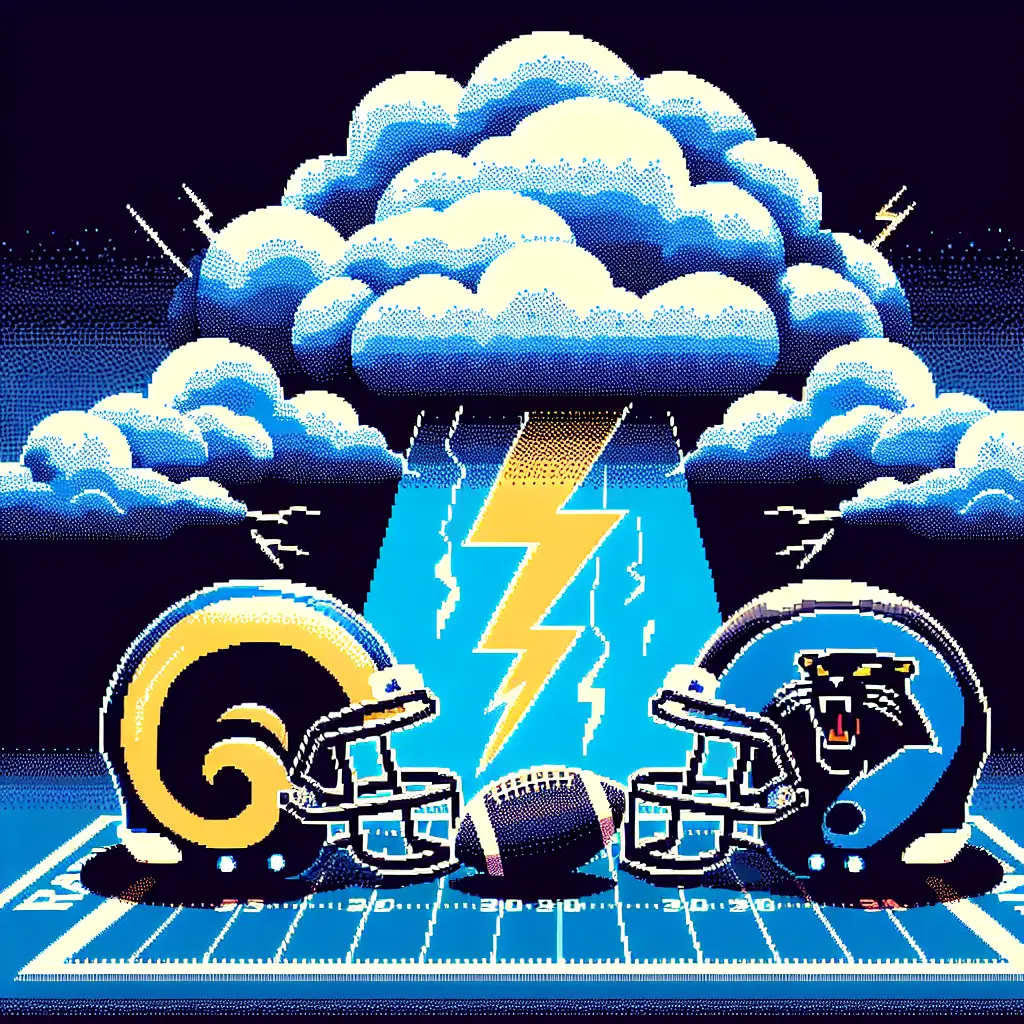
When the calendar says January but the sky says September
The sky over Bank of America Stadium looked like it had missed the memo. On a Saturday that should have felt like the crisp business of playoff football, Charlotte baked and brooded under a midwinter atmosphere more suited to late summer thunderheads. The Rams and Panthers didn’t just play each other — they played the weather, too, with thunderstorms and gusts hovering over kickoff and the NFL’s carefully timed broadcast windows.
Why the weather mattered more than a weather report
- The Rams-Panthers wild-card kickoff was scheduled for 4:30 p.m. ET, with Packers-Bears set to stream at 8:00 p.m. ET. A lightning delay in the early game could push the later streamable game into overlapping territory — something the league can only partially manage (it can shift a kickoff by 10 minutes, per league guidance). (nbcsports.com)
- Forecast models and local meteorologists flagged a solid chance of thunderstorms, gusty winds and sustained precipitation during kickoff and into the second half. That wasn’t just uncomfortable for fans; it changes punt dynamics, the passing game, field footing and coaching calculus in real time. (wral.com)
- Weather narratives aren’t new in football, but they take on outsized importance in the playoffs: a sudden thunder delay can complicate broadcasters’ schedules, strain team routines and turn momentum on its head. NBC Sports flagged the structural issue — two playoff games possibly running at once — as an NFL logistics headache. (nbcsports.com)
Setting the scene: the context that matters
- Playoff stakes: This was Wild Card Weekend — the margin for error is thin and every win, timeout and coaching choice magnifies. Teams plan for wind and rain during the season, but postseason weather can still be a curveball. (nbcsports.com)
- Local forecast consensus: Multiple outlets and meteorologists warned of thunderstorms and gusts up to the mid-30s (mph) with a high probability of precipitation during the afternoon into evening — effectively a recipe for slippery balls and improvised clock management. (wral.com)
- The game’s outcome: Despite the weather tangles and drama, the Rams won a tight one, 34–31, with a last-minute touchdown that ultimately decided the contest. The elements added texture to an already dramatic finish. (reuters.com)
What the weather actually changed on the field
- Quarterback play and play-calling: Rain and wind nudge offenses toward shorter throws, quicker releases and more emphasis on the run game. For teams that rely on timing routes, even slight precipitation can disrupt rhythm — and force mid-drive adjustments. (sports.yahoo.com)
- Special teams volatility: Punting and kicking become lotteries when gusts gust across the stadium. Field position swings and blocked-kick opportunities gain weight in the win probability model. Local forecasts and game-day notes warned fans to watch the punting game. (wral.com)
- Broadcast and scheduling headaches: The NFL’s limited flexibilities — a 10-minute slide for a later kickoff, contingency plans for delays — are blunt instruments when lightning’s involved. If the early game stalls, networks, streaming services and in-stadium operations must improvise, while viewers juggling multiple platforms can miss decisive stretches. (nbcsports.com)
Lessons for fans, teams and broadcasters
- Fans: Pack an umbrella and temper expectations for perfect football weather — and expect possible broadcast delays or overlap. If you’re streaming another game later, be ready for timing shifts. (foxsports.com)
- Teams: Build weather drills into playoff prep. The ability to pivot quickly — shift to quick-game passing, protect against gusts, adjust punt formation — becomes a competitive advantage. (sports.yahoo.com)
- Broadcasters and leagues: This is a reminder that modern scheduling — with linear and streaming rights layered — needs more nimble contingency plans for weather disruptions, especially as extreme-weather patterns become less predictable. The NFL’s 10-minute leeway is useful but limited. (nbcsports.com)
A few memorable in-game moments shaped by the conditions
- Tight finishes feel tighter when a slippery ball makes a contested catch harder, or when a gust sends a kickoff farther than expected. The Rams’ last-minute drive that clinched a 34–31 victory carried extra drama against a backdrop of overcast, wind-swept stands. (reuters.com)
My take
Weather has a way of reminding us that football — even in January’s playoff theater — is played outdoors, subject to the same temperament as any other natural event. The Rams-Panthers game was a small case study in adaptability: teams adjust play-calling, special teams get riskier, and broadcasters juggle time slots. As fans we romanticize the “pure” postseason atmosphere; reality is more interesting. Storms, delays and gusts don’t just change outcomes — they give playoff games their cinematic texture.
Final thoughts
The calendar may say January, but the sky doesn’t check schedules. That mismatch is part of what keeps playoff football compelling. Weather can be an antagonist, an equalizer, and sometimes a plot twist — and this Rams-Panthers wild-card contest had all three. Whether you remember the game for the final drive or the thunderstorms rumbling above, it’s a reminder that in football the elements are always in play.
Sources
Related update: We recently published an article that expands on this topic: read the latest post.
Related update: We recently published an article that expands on this topic: read the latest post.
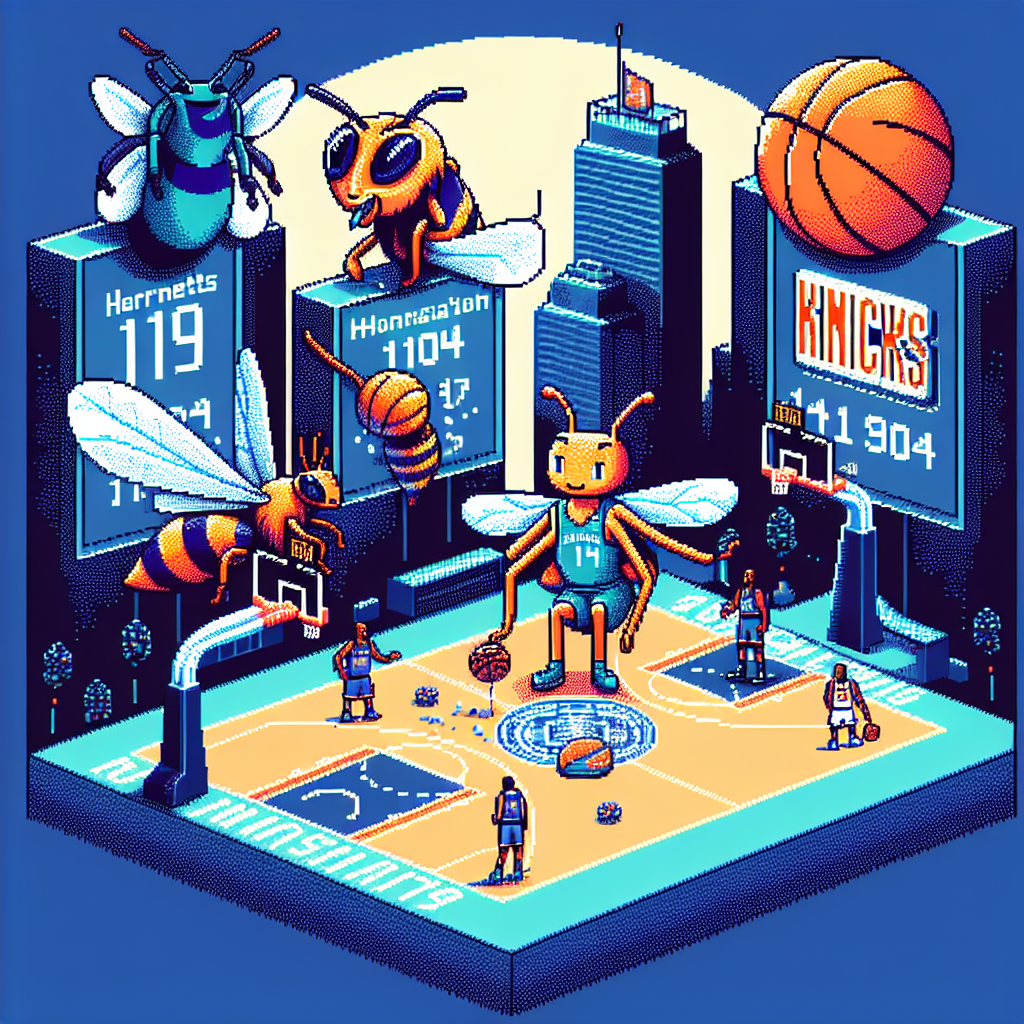
A night of answers from Karl-Anthony Towns and a resurgent Josh Hart
The Garden buzzed with trade-whisper electricity, but when the ball tipped on December 3, 2025 the Knicks handed the rumor mill a shrug and a statement instead: Karl‑Anthony Towns showed up like the franchise cornerstone he can be, and Josh Hart reminded everyone why his intangibles matter as much as his box‑score numbers. New York beat Charlotte 119–104 in a game that read like a quick lesson on prioritizing on‑court clarity over off‑court noise. (nbcsports.com)
What happened — quick snapshot
- Karl‑Anthony Towns: 35 points, 18 rebounds, 5 assists — the kind of dominant, all‑around center night that changes matchups and moods. (nbcsports.com)
- Jalen Brunson: 26 points and the buzzer‑beating triple that staved off a Hornets run before halftime. (espn.com)
- Josh Hart: 15 points, 8 rebounds, 8 assists — near a triple‑double and a reminder that “glue guy” production is real production. (espn.com)
The Knicks led 27–12 after one and controlled big stretches of the middle quarters, even while LaMelo Ball tried to force a late drama with 34 points for Charlotte. The Garden went home happy; the media landscape kept spinning. (reuters.com)
The larger context — why this mattered
-
Trade talk swirled earlier in the night after reports about Giannis Antetokounmpo’s desire to be moved and hypothetical packages that often featured Towns leaving New York. That kind of chatter can destabilize a locker room on paper; in practice, this was Towns’ answer. He shrugged off speculation and produced a matchup‑dominating, physical performance inside the paint rather than living on the perimeter. (nbcsports.com)
-
Towns’ 35/18 was more than a stat line; it was the kind of two‑way presence that forces opponents to change lineups and priorities. On a roster still integrating pieces under Mike Brown, a consistent 48‑minute anchor helps stabilize offensive spacing and rebounding. (reuters.com)
-
Josh Hart’s return to a starting role — and his near‑triple‑double output — feels like the revival of a veteran who complements Towns and Brunson in a way that’s hard to quantify: defensive intensity, loose‑ball instincts, timely creation. His recent run of games had already shifted narratives; Wednesday simply confirmed that the Knicks’ rotation choices can pay off. (nbcsports.com)
Strategic takeaways
-
Towns inside-out: For stretches he abandoned the three and dominated the paint (20 of his 35 points came in the paint), which is an adjustment that keeps defenses guessing and benefits Brunson and Bridges spacing‑wise. It’s a reminder that Towns’ best nights can still come when he leans on inside scoring and offensive rebounding. (nbcsports.com)
-
Rotation chemistry matters more than headlines: When a team with legitimate title aspirations experiences trade conjecture, the easiest casualty is cohesion. New York’s five starters accounted for 107 of the team’s 119 points—evidence that when its core runs together, the outcome looks tidy. (reuters.com)
-
Hart’s role is versatile and undervalued: He contributes across the board and his current run suggests several things teams covet that won’t always show up in highlight reels—defensive ratings, hustle plays, and playmaking at the margins. Coach Mike Brown’s willingness to adjust rotated the narrative and boosted results. (nbcsports.com)
A closer look at the Hornets’ challenge
LaMelo Ball’s fourth‑quarter surge (16 of his 34 points came in the final frame) highlighted one vulnerability: New York’s lapses in closing minutes when opponent tempo spikes. Charlotte clawed back multiple times, and while the Knicks answered, the sequence is a neat preview of how elite scorers can create late drama even when a game feels settled. The Knicks’ ability to weather that and close with stops — aided by bench energy from Miles McBride and solid team free‑throw shooting — kept the W intact. (reuters.com)
Things to watch next
-
Will Towns keep running heavy interior minutes instead of chasing threes? This game suggested a sustainable arthritic approach: pick your spots from deep, but own the paint more nights than not. (nbcsports.com)
-
Can Josh Hart keep this two‑way efficiency while starting? If yes, New York’s depth chart suddenly looks harder for opponents to game‑plan around. (nbcsports.com)
-
How will the organization respond to external trade pressure? One performance doesn’t change the calculus in the front office, but on‑court cohesion can influence future thinking. (nbcsports.com)
My take
Sometimes basketball produces neat narrative symmetry: the louder the rumors, the clearer the performance. Towns answered with elbows‑up paint work and authority; Hart quietly reminded us he’s a two‑way rhythm keeper. The Knicks aren’t perfect — they still have late‑game breakdowns and questions about long‑term ceiling — but nights like this buy time, belief, and a little breathing room around messy trade talk.
Notes from the box
- Knicks improved to 11–1 at Madison Square Garden. (espn.com)
- New York shot 85.2% from the free‑throw line; Charlotte shot 90.5% from the line on fewer attempts. (reuters.com)
Sources
Related update: We recently published an article that expands on this topic: read the latest post.
Related update: We recently published an article that expands on this topic: read the latest post.
A hometown goodbye? Chris Paul’s quiet hint that an era may be ending
When Chris Paul posted a short highlight reel from his childhood through his Wake Forest days and two decades-plus in the NBA about 90 minutes before the Los Angeles Clippers faced the Charlotte Hornets in Charlotte, it didn’t read like a routine social-media nostalgia drop. The caption — “Back in NC!!! What a ride…Still so much left…GRATEFUL for this last one!!” — carried a tone heavy with gratitude and finality. For a player who has defined the point guard position for a generation, the moment felt like one of those slow-motion exits athletes and fans dread but secretly expect.
Below I unpack the scene, why this matters beyond a single game, and what Paul’s likely farewell tells us about legacy, leadership, and how modern athletes manage the end of a storied career.
Quick snapshots you should know
- The post and video were shared about 90 minutes before tipoff of the Clippers vs. Hornets game in Charlotte, North Carolina.
- Paul, 40, returned to the Clippers on a one-year contract this season and is playing in a greatly reduced role.
- He hails from Winston-Salem and starred at Wake Forest — making a return to North Carolina emotionally significant and a natural setting for a goodbye.
- Media reports and team comments framed the video as a possible hint at retirement; Paul did not discuss his future publicly after the game. (Sources below.)
Why that clip mattered more than highlights
Athletes post highlight reels all the time. What made Paul’s video feel different?
- Timing: Posting on the same day he was playing his final scheduled game in his home state created an unmistakable narrative arc — boy from Winston-Salem returns as an NBA legend.
- Language: “What a ride…Still so much left…GRATEFUL for this last one!!” reads like both gratitude and a gentle closing chapter. It leaves room for emotion without forcing a definitive announcement.
- The career arc: Paul’s résumé — Rookie of the Year, multiple All-Star nods, elite passer and defender, leader of multiple franchises — makes any hint of retirement a national moment. He’s not just any veteran; he’s a generational floor general whose style of play and leadership leaves an outsized imprint.
- The silence that followed: Declining interviews and slipping out quietly after the game amplified the sense that this was a personal moment Paul wanted to hold close rather than stage publicly.
The broader context: what retirement would mean
- A generational shift at point guard: Paul’s combination of court vision, clutch playmaking, and defensive instincts set a template for modern point guards. His likely retirement would mark the true end of an era that included peers like Tony Parker, Deron Williams, and others who shaped the 2005–2015 NBA landscape.
- Legacy beyond stats: Paul’s impact stretches to how teams value leadership, competitive intelligence, and mentorship. He revived careers, elevated young teammates, and frequently served as the identity-anchor for franchises.
- The narrative arc of modern NBA careers: Paul’s possible exit also highlights a modern reality — star players today move through multiple teams, reinvent themselves, and manage public farewells across social platforms rather than in single, orchestrated press conferences.
Moment by moment: what unfolded in Charlotte
- Paul shared the career-spanning video on social media ahead of the Clippers-Hornets matchup in Charlotte, his home state.
- The game played out and Paul, who is in a limited role this season, did not avail himself to media in the postgame window.
- He left the arena quietly and spent time with family — a portrait of a player choosing intimacy over spectacle at a potentially emotional career milestone.
What to expect next
- Official clarity: An explicit retirement announcement could come soon, or Paul may choose to confirm his plans at season’s end. Both paths are common — some athletes retire immediately; others finish the final year on the roster.
- The Hall of Fame discussion: When Paul does step away, his case for the Hall of Fame will be robust — from assist and steal totals to All-NBA and All-Defensive honors and influence on teammates.
- A cascade of tributes: Expect social-media reflections, team retrospectives, and ESPN-style documentaries that will retell Paul’s story through teammates, rivals, and coaches.
A few takeaways
- Paul’s video was more than nostalgia — it read as a controlled, emotionally resonant signal about the twilight of a luminous career.
- The quiet exit in his home state fits a player who has often let his on-court voice lead his narrative off the court.
- Whether he formally announces retirement now or later, the league and basketball culture will feel the absence of his leadership and craft.
Final thoughts
Watching Chris Paul return home — highlight reel, family hugs, a quiet walk out of Spectrum Center — felt like a respectful reminder that sports are as much about people and places as they are about points and assists. If this is the bookend to his playing days, it’s a graceful one: not bombastic, not performative, but deeply human. Paul’s career rewrote how teams think about the point guard position, and the way he may choose to leave — with control, dignity, and an eye toward the next chapter — is fitting for someone who made the game look like chess as much as athletics.
Sources
Related update: We recently published an article that expands on this topic: read the latest post.
Related update: We recently published an article that expands on this topic: read the latest post.