Ovechkin’s Uncertain Farewell in D.C | Analysis by Brian Moineau

Alex Ovechkin may have played his final game for the Washington Capitals

Alex Ovechkin may have played his final game for the Washington Capitals — or he might lace up again. That uncertainty hung in the air after the Capitals closed their season with a 2-1 win over the Columbus Blue Jackets on April 15, 2026, a night when the 40-year-old legend assisted on the game-winner and told reporters, “I hope it’s not my last game. I don’t know what’s going to happen.” The line felt both hopeful and honest: a champion pausing at a crossroads, with every next step open.

For fans and observers, this is more than a roster question. It’s the possible end of an era. Ovechkin has been the face of the franchise since 2005, the man who broke Wayne Gretzky’s single-season goal-scoring record and transformed goal scoring into an art form. Whether he returns or retires, the fallout will ripple through Washington, the NHL, and hockey culture itself.

What happened in the season finale

  • The Capitals beat the Blue Jackets 2-1 in Columbus, finishing their regular season on a high note.
  • Alex Ovechkin assisted on Jakob Chychrun’s power-play winner late in the third period and then received a long ovation as the final horn sounded. (nhl.com)
  • Ovechkin repeatedly emphasized that he will decide during the offseason — factoring in health, family conversations, and meetings with Capitals leadership. (nhl.com)

The scene was poetic: the opponent was the Blue Jackets, the same franchise Ovechkin faced in his NHL debut in 2005. Fans traveled from Washington for the chance to see him one more time. He responded to chants of “One more year!” with a wry “I’ll think about it,” and later told reporters he didn’t know what would happen next. The line “I hope it’s not my last game” carried the weight of someone who knows both what he’s achieved and what it takes to keep playing at an elite level.

Why this decision matters beyond goals and games

First, Ovechkin’s status affects the Capitals’ identity. He’s not merely a high-scoring winger; he’s the franchise’s cultural anchor. Losing him to retirement would force a shift in leadership, marketing, and fan engagement. The team has young pieces and an emerging core, but replacing the emotional and on-ice gravity of Ovechkin isn’t a simple transaction.

Second, his choice influences the conversation about longevity and legacy in the NHL. At nearly 41 in September, Ovechkin still produced — playing all 82 games and leading the Capitals in goals this season. If he returns, he’ll be a test case for how elite veterans age gracefully and how teams deploy elder statesmen without compromising development of younger players. If he retires, his legacy will be tidy and thunderous: the greatest pure goal-scorer in NHL history, a Cup champion, and an icon whose highlights will define a generation.

Finally, there’s the human side. Ovechkin repeatedly cited health and family as key input into his decision, and he has been clear he wants to be smart about the next step. For a player who has given so much, the offseason becomes a table for real, personal conversations with coaches, ownership, and his children — a reminder that athletes’ choices are about more than the box score. (apnews.com)

The financial and roster calculus

Teams and fans often speculate about contracts and cap flexibility, but Ovechkin’s decision will be shaped by subtler things: the role he’d accept, minute limits, and how the Capitals plan to balance veteran presence with youth development.

  • If Ovechkin returns, expect a one-year conversation about usage and potentially a team-friendly structure that preserves salary-cap flexibility.
  • If he retires, the Capitals will gain cap room but lose the leadership and draw that a superstar captain provides.

Either path requires careful management by GM Chris Patrick and the front office. In the end, the Capitals will prioritize sustainable competitiveness while honoring the legacy of the player who helped deliver their only Stanley Cup in 2018. (nhl.com)

Fans, sentiment, and nostalgia

Transitioning from the tactical to the sentimental: this offseason feels like a chapter’s end regardless. Fans flocked to that finale in Columbus, signs and chants in tow. Social feeds filled with highlight reels and gratitude. When a player reaches the end of a luminous run, the noise is less about speculation and more about communal memory-making.

There’s also a practical note: whether Ovechkin returns or retires, the league will keep celebrating him. He’s already etched into NHL history with 929 goals and counting as of the end of this season. His eventual Hall of Fame trajectory is a given; the only variable is timing.

What could influence his final call

  • Health and physical readiness after a full 82-game season. (nhl.com)
  • Family priorities and life after hockey.
  • Conversations with team leadership — coach Spencer Carbery, GM Chris Patrick, and owner Ted Leonsis.
  • Desire for one last run at the Cup versus the satisfaction of an already-completed career.

Each factor pulls differently. Sometimes the deciding factor is a single conversation; other times it’s the sum of a season’s wear and the hope of one more deep playoff run.

A final posture

  • He left the ice thanking the fans and saying he’d take the decision into the offseason.
  • The Capitals will meet internally and then wait on Ovechkin’s choice, which may come after summer reflection. (nhl.com)

Final thoughts

There’s beauty in the uncertainty. Watching a career close — or pause — forces us to appreciate the ordinary grit behind extraordinary moments. Alex Ovechkin has given us two decades of theatrical goals, relentless competitive fire, and a charisma that made hockey must-watch TV. Whether he returns for a 22nd season or decides this is the graceful last act, the sport will be richer for the story he wrote.

The offseason will tell us what comes next. For now, savor the highlights, celebrate a rare athlete who redefined scoring, and recognize a moment when a team — and its fans — stand at the threshold of change.

Sources


Related update: We recently published an article that expands on this topic: read the latest post.
Chris Pauls Hometown Farewell Hint | Analysis by Brian Moineau

A hometown goodbye? Chris Paul’s quiet hint that an era may be ending

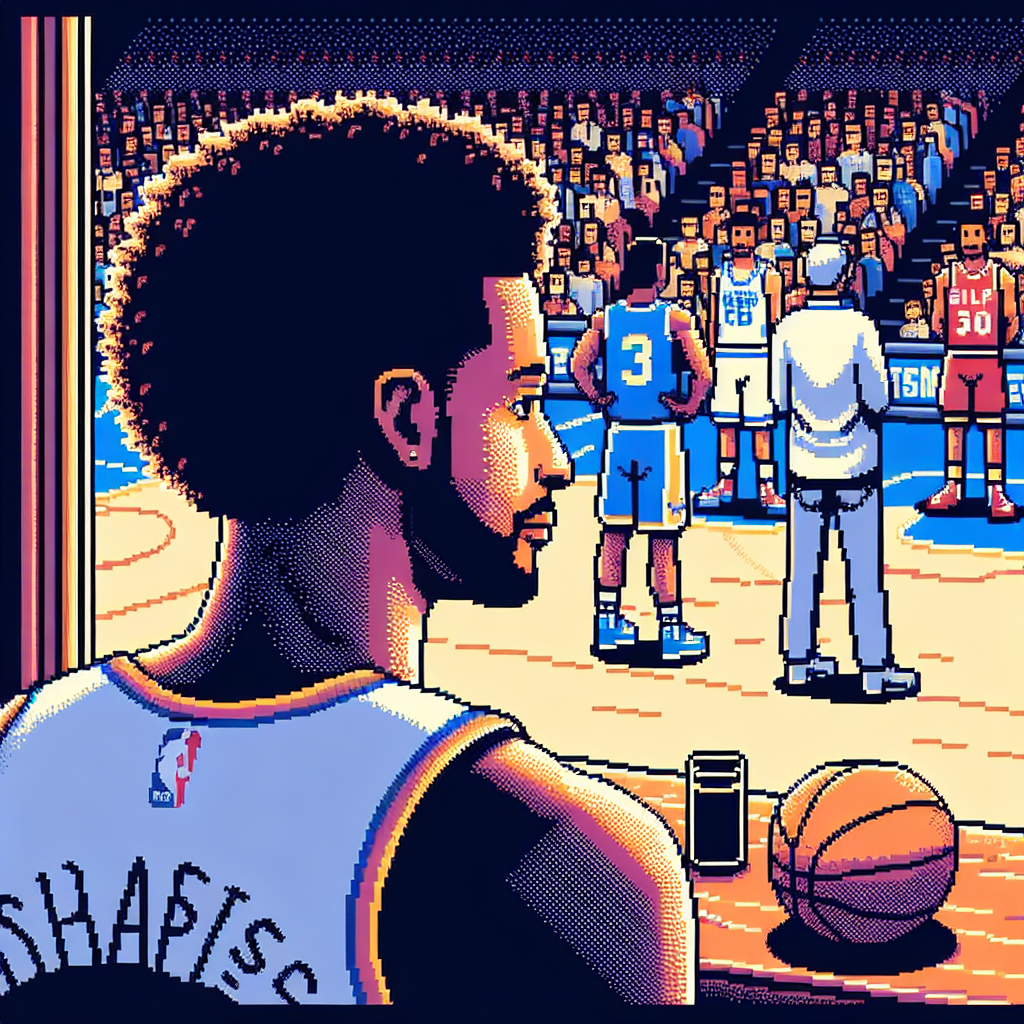
When Chris Paul posted a short highlight reel from his childhood through his Wake Forest days and two decades-plus in the NBA about 90 minutes before the Los Angeles Clippers faced the Charlotte Hornets in Charlotte, it didn’t read like a routine social-media nostalgia drop. The caption — “Back in NC!!! What a ride…Still so much left…GRATEFUL for this last one!!” — carried a tone heavy with gratitude and finality. For a player who has defined the point guard position for a generation, the moment felt like one of those slow-motion exits athletes and fans dread but secretly expect.

Below I unpack the scene, why this matters beyond a single game, and what Paul’s likely farewell tells us about legacy, leadership, and how modern athletes manage the end of a storied career.

Quick snapshots you should know

  • The post and video were shared about 90 minutes before tipoff of the Clippers vs. Hornets game in Charlotte, North Carolina.
  • Paul, 40, returned to the Clippers on a one-year contract this season and is playing in a greatly reduced role.
  • He hails from Winston-Salem and starred at Wake Forest — making a return to North Carolina emotionally significant and a natural setting for a goodbye.
  • Media reports and team comments framed the video as a possible hint at retirement; Paul did not discuss his future publicly after the game. (Sources below.)

Why that clip mattered more than highlights

Athletes post highlight reels all the time. What made Paul’s video feel different?

  • Timing: Posting on the same day he was playing his final scheduled game in his home state created an unmistakable narrative arc — boy from Winston-Salem returns as an NBA legend.
  • Language: “What a ride…Still so much left…GRATEFUL for this last one!!” reads like both gratitude and a gentle closing chapter. It leaves room for emotion without forcing a definitive announcement.
  • The career arc: Paul’s résumé — Rookie of the Year, multiple All-Star nods, elite passer and defender, leader of multiple franchises — makes any hint of retirement a national moment. He’s not just any veteran; he’s a generational floor general whose style of play and leadership leaves an outsized imprint.
  • The silence that followed: Declining interviews and slipping out quietly after the game amplified the sense that this was a personal moment Paul wanted to hold close rather than stage publicly.

The broader context: what retirement would mean

  • A generational shift at point guard: Paul’s combination of court vision, clutch playmaking, and defensive instincts set a template for modern point guards. His likely retirement would mark the true end of an era that included peers like Tony Parker, Deron Williams, and others who shaped the 2005–2015 NBA landscape.
  • Legacy beyond stats: Paul’s impact stretches to how teams value leadership, competitive intelligence, and mentorship. He revived careers, elevated young teammates, and frequently served as the identity-anchor for franchises.
  • The narrative arc of modern NBA careers: Paul’s possible exit also highlights a modern reality — star players today move through multiple teams, reinvent themselves, and manage public farewells across social platforms rather than in single, orchestrated press conferences.

Moment by moment: what unfolded in Charlotte

  • Paul shared the career-spanning video on social media ahead of the Clippers-Hornets matchup in Charlotte, his home state.
  • The game played out and Paul, who is in a limited role this season, did not avail himself to media in the postgame window.
  • He left the arena quietly and spent time with family — a portrait of a player choosing intimacy over spectacle at a potentially emotional career milestone.

What to expect next

  • Official clarity: An explicit retirement announcement could come soon, or Paul may choose to confirm his plans at season’s end. Both paths are common — some athletes retire immediately; others finish the final year on the roster.
  • The Hall of Fame discussion: When Paul does step away, his case for the Hall of Fame will be robust — from assist and steal totals to All-NBA and All-Defensive honors and influence on teammates.
  • A cascade of tributes: Expect social-media reflections, team retrospectives, and ESPN-style documentaries that will retell Paul’s story through teammates, rivals, and coaches.

A few takeaways

  • Paul’s video was more than nostalgia — it read as a controlled, emotionally resonant signal about the twilight of a luminous career.
  • The quiet exit in his home state fits a player who has often let his on-court voice lead his narrative off the court.
  • Whether he formally announces retirement now or later, the league and basketball culture will feel the absence of his leadership and craft.

Final thoughts

Watching Chris Paul return home — highlight reel, family hugs, a quiet walk out of Spectrum Center — felt like a respectful reminder that sports are as much about people and places as they are about points and assists. If this is the bookend to his playing days, it’s a graceful one: not bombastic, not performative, but deeply human. Paul’s career rewrote how teams think about the point guard position, and the way he may choose to leave — with control, dignity, and an eye toward the next chapter — is fitting for someone who made the game look like chess as much as athletics.

Sources


Related update: We recently published an article that expands on this topic: read the latest post.


Related update: We recently published an article that expands on this topic: read the latest post.

B.J. Penn Arrests Tarnish MMA Legend | Analysis by Brian Moineau

A fallen champion: B.J. Penn’s latest arrest and what it reveals

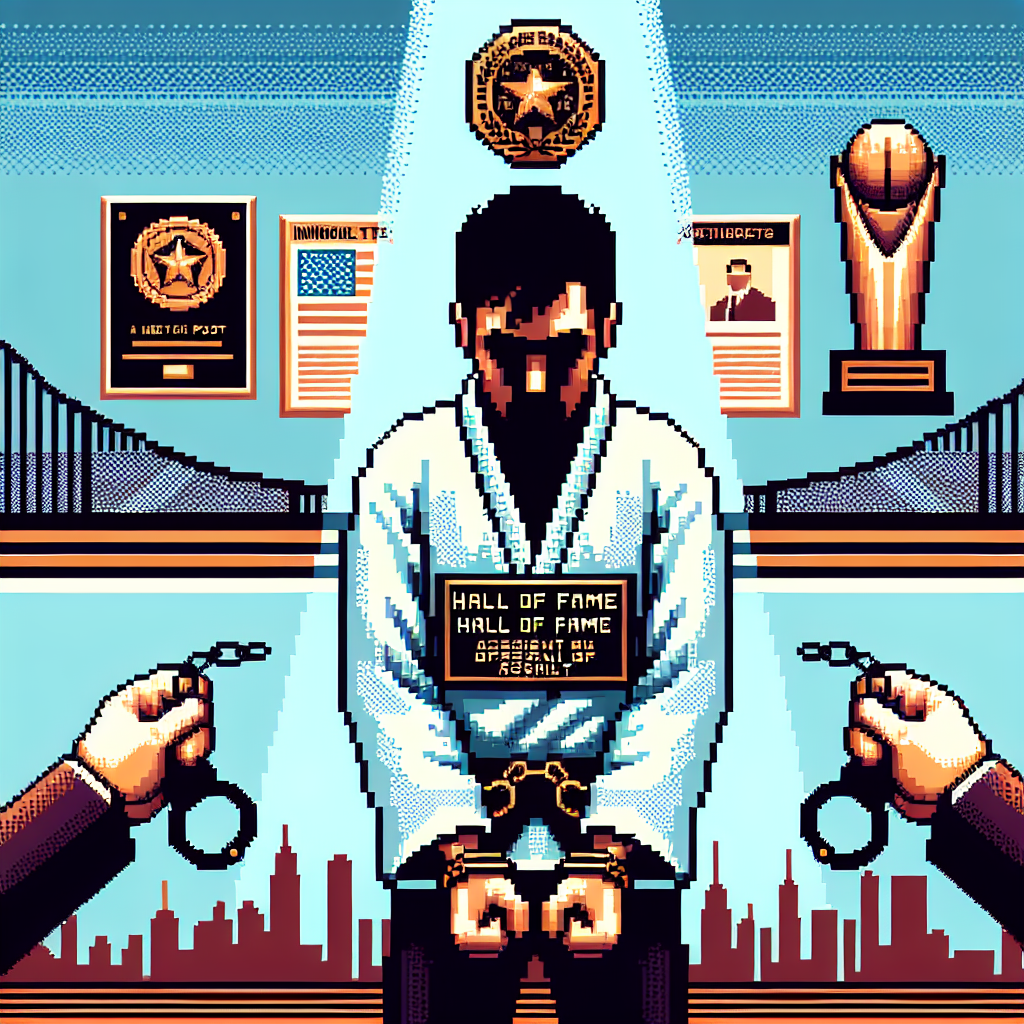
The image of B.J. Penn — quick, fearless, the first non‑Brazilian to win the World Jiu‑Jitsu Championship black‑belt division and a two‑division UFC champion — is seared into fight fans’ memories. That image is now colliding with a troubling string of real‑world headlines. On the morning of November 4, 2025, police in Hilo say they responded to an assault and later arrested Penn; authorities located him at 11:50 a.m. and took him into custody without incident, charging him with third‑degree assault. The incident adds to a year of repeated legal and mental‑health concerns that have increasingly overshadowed the legacy of one of MMA’s most talented fighters.

Quick context you should know

  • The alleged assault occurred in Hilo, Hawai‘i, at about 1:00 a.m. on November 4, 2025, when a 45‑year‑old man reported being punched and kicked and later sought medical care.
  • Police say they located Penn on Lehua Street at 11:50 a.m. and arrested him without incident; bail was set at $1,000, which he posted.
  • Penn is scheduled to make an initial court appearance on December 2, 2025, in Hilo District Court.
  • This is at least the sixth arrest involving Penn during 2025, most incidents tied to family disputes and a restraining order filed by his mother; courts have ordered mental‑health evaluations amid the legal proceedings.

What happened — the facts

  • Hawai‘i Island police responded to an assault call early on November 4, 2025. The reported victim told officers he was punched and kicked multiple times before escaping and calling for help.
  • The victim later went to Hilo Benioff Medical Center for treatment.
  • Officers located Penn at 11:50 a.m., arrested him without incident, charged him with third‑degree assault, and set bail at $1,000. Penn posted bail the same day.
  • Local authorities and multiple sports outlets have reported that the case will proceed in December and that it sits alongside several other legal matters involving Penn this year, including family‑related incidents and court orders for mental‑health evaluation. (Sources below.)

Why this matters beyond the headline

  • Loss of trust and legacy: Penn’s achievements in MMA are undeniable, but repeated legal troubles risk permanently reshaping public memory of his career. For many athletes, the court of public opinion weighs as heavily as any official record — and patterns of behavior matter.
  • Mental health in pro sports: Several reports this year have cited concerns about Penn’s mental state, including claims by family members that he believes relatives have been “replaced” by impostors (a description consistent with Capgras‑like delusions). That raises challenging questions about how legal systems, medical professionals, and sports communities support figures who may be struggling psychologically.
  • Accountability and care: Arrests and court dates are part of the legal process, but policymakers and communities must balance accountability with pathways to treatment when illness appears to be a factor.

Takeaways for readers who follow sports and society

  • This is not an isolated headline: the November 4 incident fits a pattern of run‑ins and family disputes for Penn in 2025.
  • Mental‑health concerns are central to this story; several court actions and media reports reference evaluations and allegations that point beyond simple criminality.
  • The legal timeline is concrete: initial hearing set for December 2, 2025, and possible future evaluations or proceedings could shape outcomes.
  • For fans and observers, it’s a reminder that athlete legacies are complex — athletic brilliance can coexist with serious personal struggles.

My take

There’s a sad, almost tragic element to watching a once‑dominant athlete unravel in public. B.J. Penn’s career highs — world jiu‑jitsu success, two UFC titles, Hall of Fame induction — are real and impressive. But repeated arrests and the specter of untreated or poorly managed mental illness change the conversation from nostalgia to concern. Ideally, the legal process will ensure safety and accountability for any victim while also directing Penn toward meaningful psychiatric care if that’s needed. For a community that lionizes toughness, this should be a wake‑up call: strength also includes getting help.

Sources


Related update: We recently published an article that expands on this topic: read the latest post.


Related update: We recently published an article that expands on this topic: read the latest post.


Related update: We recently published an article that expands on this topic: read the latest post.