Amgen Cuts Cholesterol Drug Prices by 60% | Analysis by Brian Moineau

Amgen's Bold Move: A 60% Cut on Cholesterol Drug Prices and What It Means for the Pharma Industry

In an era where healthcare costs are rising faster than many can keep up with, pharmaceutical giant Amgen ($AMGN) has made headlines by announcing a staggering 60% discount on its cholesterol drug. But this isn't just a price cut; it’s a strategic shift that reflects broader market pressures and consumer demands. What does this mean for patients, investors, and the pharmaceutical landscape?

A New Era for Amgen

On Monday, Amgen unveiled AmgenNow, a direct-to-consumer platform aimed at improving access to its medications. This launch comes on the heels of increasing public discourse around drug pricing, spurred in part by former President Donald Trump's calls for lower medication costs. The drastic price reduction is Amgen's response to these calls, aiming to make its cholesterol drug more accessible while navigating the complex landscape of pharmaceutical pricing.

Historically, the pharmaceutical industry has faced criticism for exorbitant drug prices, and Amgen’s decision to slash prices could be interpreted as both a marketing strategy and a commitment to social responsibility. By placing affordability at the forefront, Amgen aims to regain consumer trust while also potentially influencing the stock market, which has seen fluctuations in response to such announcements.

Key Takeaways

- Price Reduction: Amgen has cut the price of its cholesterol drug by 60%, making it more accessible to patients who may have previously struggled to afford it. - Direct-to-Consumer Approach: The launch of AmgenNow marks a significant shift in how the company engages with consumers, emphasizing a more personal and accessible healthcare experience. - Political Influence: This decision is influenced by ongoing discussions about drug pricing in the U.S., highlighting the impact that political discourse can have on corporate practices. - Market Reaction: Following the announcement, Amgen's stock has experienced fluctuations, showcasing the sensitivity of investors to pricing strategies within the pharmaceutical industry. - Consumer Trust: By making medication more affordable, Amgen aims to rebuild trust with consumers who have been disillusioned by high drug prices.

Reflecting on the Future of Pharma

Amgen's decision to cut prices dramatically is more than just a tactical move; it represents a potential shift in the pharmaceutical industry’s approach to pricing and consumer engagement. As patients increasingly demand transparency and affordability, other companies may be compelled to follow suit. This could lead to a much-needed transformation in how we view healthcare and the role of pharmaceutical companies in society.

In a market where trust is paramount, Amgen's bold move might just set a precedent for how pharmaceuticals can meet the needs of both patients and investors. It’s a reminder that in the world of business, listening to the public can yield significant dividends—not just in profits, but in goodwill.

Sources

- TipRanks. "Amgen Stock (AMGN) Falls as It Cuts 60% Off Cholesterol Drug Price, Heeding Trump’s Clamor." [TipRanks](https://www.tipranks.com/news/amgen-stock-amgn-falls-as-it-cuts-60-off-cholesterol-drug-price-heeding-trumps-clamor)

By understanding this landscape, we can better appreciate the complexities and challenges that lie ahead for the pharmaceutical industry as it navigates the delicate balance between profitability and patient care.
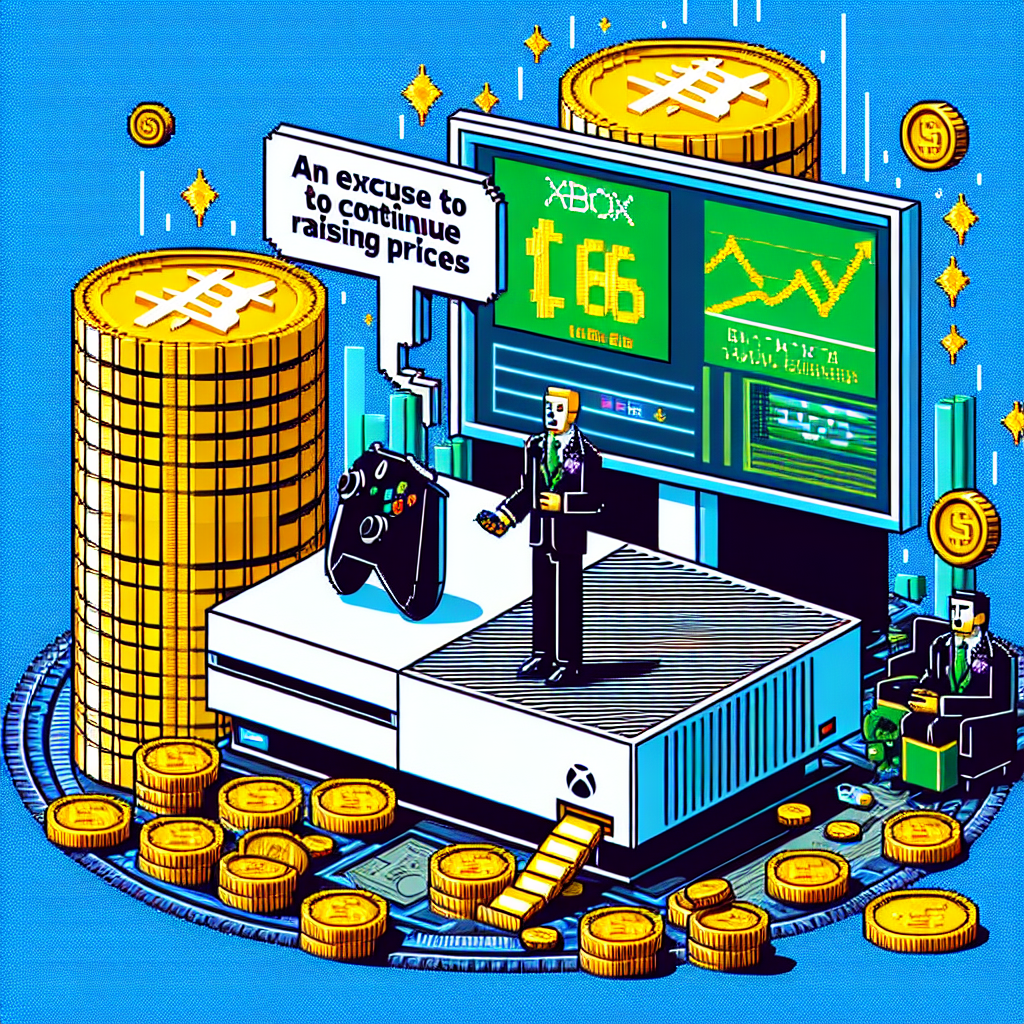

Xbox Price Hikes: A Tariff Scapegoat? | Analysis by Brian Moineau

Are Xbox Price Hikes Justified? Insights from Former Blizzard President

In the ever-evolving landscape of gaming, few things spark heated debates quite like the price of consoles. Recently, former Blizzard president Mike Ybarra weighed in on the controversial price hikes of Xbox consoles in the U.S., suggesting that Microsoft might be using tariffs as a convenient scapegoat. Let’s dive into the details of this debate, the context surrounding it, and what it could mean for gamers and the industry.

Context: The Price Hike Debate

As gaming enthusiasts know, the prices of consoles can significantly impact both sales and player satisfaction. Recently, Microsoft announced a price increase for its Xbox consoles, a move that has left many scratching their heads—especially amidst a global economic climate where many are feeling the pinch. Ybarra’s criticism comes as part of a broader conversation about pricing strategies in the gaming industry, particularly how companies justify their price changes.

In an era where inflation is hitting consumer goods hard, it’s not uncommon for companies to cite rising costs—whether from tariffs, supply chain disruptions, or other economic pressures. However, Ybarra’s assertion suggests that Microsoft may be leveraging these factors as a convenient excuse rather than a necessary response to market conditions.

Key Takeaways

Microsoft’s Price Increase: Xbox consoles in the U.S. have seen a notable price hike, causing concern among gamers about the overall affordability of gaming.

Criticism from Ybarra: Former Blizzard president Mike Ybarra has publicly criticized Microsoft’s reasoning, suggesting that tariffs are being used as a justification rather than a genuine cause.

Broader Industry Implications: This situation highlights a growing tension in the gaming industry where companies must balance profitability with consumer satisfaction.

Consumer Trust at Stake: If gamers feel that they are being unfairly charged, it could lead to a loss of trust in major brands like Xbox, impacting sales and loyalty in the long run.

Future of Gaming Pricing: As the gaming market continues to evolve, how companies address pricing issues will be crucial for maintaining their player bases and ensuring long-term success.

Reflecting on the Future of Gaming Pricing

As we look to the future, the conversation around console pricing will undoubtedly continue. Ybarra’s comments serve as a reminder that transparency is key in maintaining a healthy relationship between companies and consumers. Gamers are increasingly savvy and aware of market dynamics, and when they sense that they’re being taken for granted, it can lead to significant backlash.

Ultimately, the gaming community deserves clarity and fairness in pricing. As companies navigate the complexities of production costs and market demands, it will be interesting to see how they adjust their strategies without alienating their loyal fanbase.

Sources

1. Eurogamer: [Tariffs used by Xbox as “an excuse to continue raising prices”, says former Blizzard president](https://www.eurogamer.net/tariffs-used-by-xbox-as-an-excuse-to-continue-raising-prices-says-former-blizzard-president)

In this dynamic and competitive industry, the conversation about pricing is just beginning. Are you concerned about the rising costs of gaming? Share your thoughts below!


Related update: We recently published an article that expands on this topic: read the latest post.


Related update: We recently published an article that expands on this topic: read the latest post.


Related update: We recently published an article that expands on this topic: read the latest post.

Nvidia’s RTX 5060 review debacle should be a wake-up call for gamers and reviewers – The Verge | Analysis by Brian Moineau

Nvidia’s RTX 5060 review debacle should be a wake-up call for gamers and reviewers - The Verge | Analysis by Brian Moineau

Title: The Nvidia RTX 5060 Review Fiasco: A Cautionary Tale for Gamers and Reviewers

In the ever-evolving world of technology, where innovation is often met with skepticism, the recent debacle surrounding Nvidia's RTX 5060 graphics card has left both gamers and reviewers in a state of disbelief. With reports emerging that Nvidia allegedly attempted to delay, derail, and manipulate reviews of its $299 GeForce RTX 5060, we're reminded of the delicate balance between corporate interests and consumer trust. As we unpack this situation, it's crucial to explore the ramifications not just for Nvidia, but for the tech industry as a whole.

The Unfolding Drama

The Verge's coverage of the RTX 5060 controversy highlights a critical issue: the erosion of trust. Nvidia, a titan in the world of graphics processing units (GPUs), has long been a favorite among gamers for its cutting-edge technology and reliable performance. However, the attempts to control the narrative surrounding the RTX 5060 have cast a shadow over this reputation.

This isn't the first time Nvidia has found itself in hot water. Back in 2017, the company faced backlash over its GeForce Partner Program, which was criticized for being anti-competitive. The program was eventually scrapped, but it serves as a reminder of the company's occasional missteps when it comes to transparency and fairness.

A Broader Context

Nvidia's situation mirrors similar issues in other industries. In the world of gaming, for instance, we've seen controversies such as the disastrous launch of "Cyberpunk 2077" by CD Projekt Red. The game, which was highly anticipated, was released with numerous bugs and performance issues, leading to refunds and a significant hit to the company's reputation. This incident, much like Nvidia's current predicament, underscores the importance of honesty and transparency with consumers.

In the automotive industry, the Volkswagen emissions scandal serves as another parallel. The company's deliberate deception regarding diesel emissions not only resulted in legal repercussions but also a profound loss of consumer trust. Both VW and Nvidia's experiences illustrate the long-term impact that ethical lapses can have on brand loyalty and public perception.

Implications for Reviewers

For tech reviewers, the Nvidia RTX 5060 saga is a wake-up call. Reviewers serve as the bridge between companies and consumers, providing insights and analyses that guide purchasing decisions. It's essential that they remain vigilant and maintain their independence, ensuring that their reviews are both honest and unbiased. As we've seen with Nvidia, attempts to manipulate reviews can backfire, damaging reputations and trust.

The role of reviewers has never been more critical. In a world where misinformation can spread rapidly, thorough and credible reviews are a safeguard for consumers seeking to make informed decisions. Reviewers must continue to hold companies accountable, shining a light on both their successes and failures.

Final Thoughts

As the dust settles on the Nvidia RTX 5060 review debacle, it's clear that there are lessons to be learned for all parties involved. For Nvidia, it's an opportunity to reflect on its approach to transparency and communication. For gamers and tech enthusiasts, it's a reminder to remain discerning and demand accountability from the companies they support. And for reviewers, it's a call to uphold the integrity of their work.

In the end, trust is a fragile commodity, easily broken but not easily repaired. As Nvidia works to rebuild its reputation, let this situation serve as a reminder that honesty and integrity are not just ethical imperatives—they're good business. So, whether you're a gamer, a tech enthusiast, or a reviewer, let's all strive for a future where transparency and trust are at the forefront of every interaction.

And who knows? Maybe the RTX 5060 will eventually shine, but for now, the spotlight remains on the lessons we've learned. Keep gaming, keep reviewing, and keep those companies on their toes. After all, it's your trust that's on the line.

Read more about AI in Business

Read more about Latest Sports Trends

Read more about Technology Innovations

Harrods latest retailer to be hit by cyber attack after M&S and Co-op – BBC | Analysis by Brian Moineau

Harrods latest retailer to be hit by cyber attack after M&S and Co-op - BBC | Analysis by Brian Moineau

Title: Navigating the Digital Age: Harrods Under Cyber Siege

In the ever-evolving digital landscape, cyber attacks have become as inevitable as the passage of time. Once again, the retail world finds itself in the crosshairs of cybercriminals, with Harrods being the latest high-profile target. Following in the footsteps of M&S and Co-op, the iconic luxury department store has restricted internet access in its stores due to an attempted cyber attack, as reported by the BBC.

This isn't just a Harrods issue; it's a digital age dilemma that has been knocking at the doors of corporations globally. Companies today are grappling with the dual challenge of providing seamless digital experiences for their customers while safeguarding sensitive data from nefarious actors. The fact that a renowned establishment like Harrods, a beacon of luxury shopping, isn't immune to such threats underscores the ubiquity and persistence of cyber threats.

The Ripple Effect of Cyber Attacks


The implications of these cyber threats extend beyond just immediate financial losses. They erode consumer trust, damage brand reputation, and introduce operational disruptions. The retail sector, which is increasingly dependent on digital infrastructure for everything from supply chain management to customer engagement, is particularly vulnerable.

Consider the 2013 Target data breach, which compromised the credit card information of over 40 million customers. The retailer faced not only financial penalties but also a significant drop in profits and a tarnished brand image. Harrods, a stalwart of British retail since 1849, must now navigate these treacherous waters with caution and resilience.

Drawing Parallels: A Global Concern


The Harrods incident resonates with a broader global narrative. Just recently, MGM Resorts faced a similar predicament when a cyber attack led to operational disruptions across its properties, including the disabling of digital room keys and slot machines. This incident was a stark reminder that no industry is immune. From healthcare to entertainment, cyber threats are an omnipresent risk.

Moreover, the geopolitical landscape is not without its share of digital tension. With state-sponsored cyber activities on the rise, nations are scrambling to bolster their cyber defenses. The recent efforts by the European Union to establish a cyber unit to combat threats collectively highlight the scale of this digital arms race.

A Call for Robust Cybersecurity Measures


In light of these events, it becomes imperative for businesses, regardless of their size or industry, to invest in robust cybersecurity infrastructure. This includes regular security audits, employee training programs on phishing and other threats, and a strong incident response strategy.

For Harrods, this could be an opportunity to set a precedent in cybersecurity excellence. By turning this challenge into a showcase of their commitment to customer safety, they can reinforce trust and loyalty among their clientele.

Final Thoughts


As we continue to embrace the conveniences of the digital age, it's crucial to remember that with great connectivity comes great responsibility. The cyber attack on Harrods serves as a timely reminder of the vulnerabilities that accompany digital transformation. While the road ahead may be fraught with challenges, it also presents an opportunity for businesses to innovate and strengthen their defenses.

In the end, the key to navigating the digital age lies in being proactive rather than reactive. As cyber threats continue to evolve, so must our strategies to combat them. After all, in the words of the great strategist Sun Tzu, "In the midst of chaos, there is also opportunity." Let's hope Harrods and others facing similar challenges find theirs.

Read more about AI in Business

Read more about Latest Sports Trends

Read more about Technology Innovations

Mozilla flamed by Firefox fans after promises to not sell their data go up in smoke – The Register | Analysis by Brian Moineau

Mozilla flamed by Firefox fans after promises to not sell their data go up in smoke - The Register | Analysis by Brian Moineau

### Mozilla’s Privacy Promises: When the Smoke Alarm Goes Off

In a world where digital privacy often feels like a unicorn prancing through a forest of data trackers, the news from Mozilla has left many Firefox fans singed and searching for a fire extinguisher. According to a recent report from The Register, the open-source browser maker has sparked controversy by seemingly backtracking on its staunch promises not to sell user data. Cue the collective sighs and raised eyebrows from privacy-conscious netizens everywhere.

Mozilla, long-hailed as the champion of user privacy among browsers, has found itself entangled in a web of legal jargon and explanations that seem to contradict its foundational ethos. For years, Mozilla waved the banner of privacy, often pointing fingers at tech giants like Google and Facebook for their more cavalier attitudes toward user data. Yet, this recent development has left many wondering if the Firefox fox has turned its gaze toward the same tempting data-driven treasure chest.

### The Fine Print

The issue arises from Mozilla’s updated privacy policy, which, according to critics, muddles the waters with legalese that suggests user data might be up for grabs after all. This has led to an uproar among users who feel betrayed, akin to finding out that your favorite organic juice brand is secretly owned by a soda giant. Mozilla’s response has been to clarify, stating that user data is still protected and not sold in the way the headlines suggest. However, the damage appears to have been done, with trust—an ever-fragile commodity in the tech world—taking a hit.

### A Broader Context

This kerfuffle comes at a time when the tech industry is under intense scrutiny over privacy practices. Just this year, Apple made headlines with its App Tracking Transparency feature, which allows users to opt out of being tracked by apps, much to the chagrin of companies relying on ad revenue. Similarly, Google has been slowly phasing out third-party cookies in its Chrome browser, albeit with some delays and pushback from advertisers.

Mozilla's predicament also echoes the broader societal debate about privacy versus convenience. As people increasingly rely on digital tools for everything from shopping to socializing, the question of how much privacy we’re willing to trade for the sake of convenience becomes ever more relevant. It's a dance as old as time—or at least as old as the internet—where users are both the passengers and the fuel for the digital economy.

### Lessons from the World of Sports

In the realm of sports, transparency and trust are equally pivotal. Consider the world of professional cycling, which has been marred by doping scandals. Teams and athletes must work tirelessly to rebuild trust with fans and sponsors. Mozilla, in a similar vein, must now pedal hard to prove its commitment to privacy and regain the confidence of its user base.

### The Final Thought

As the dust settles, it’s clear that Mozilla has some work to do to reassure its loyal users. This incident serves as a reminder of the complex dance between privacy, transparency, and business interests in the digital age. Whether Mozilla will manage to extinguish the flames or let them smolder remains to be seen. For now, as users, we must remain vigilant and advocate for stronger privacy protections across the board.

In a landscape where data is the new currency, navigating the digital world requires more than just a robust browser; it demands an informed and critical approach to the services we choose to trust. Keep your wits about you, dear reader, and remember that in the quest for privacy, you are your own best advocate.

Read more about AI in Business

Read more about Latest Sports Trends

Read more about Technology Innovations

Chocolate recall escalated to highest risk level by FDA, sold in 9 states including Ohio – Fox 28 | Analysis by Brian Moineau

Chocolate recall escalated to highest risk level by FDA, sold in 9 states including Ohio - Fox 28 | Analysis by Brian Moineau

**Chocolate Lovers, Beware: The Sweet Delight Takes a Bitter Turn**

In a world where chocolate is often considered the ultimate comfort food, a recent development has left chocoholics in nine states, including Ohio, in a bittersweet dilemma. The FDA has elevated the recall of certain Cal Yee Farms chocolate products to a Class 1 status, meaning the risk level is at its highest. This escalation underscores the seriousness of the situation, as Class 1 recalls are issued when there is a reasonable probability that the use of or exposure to a violative product will cause serious adverse health consequences or death.

While the specifics of what prompted this recall remain under wraps, it serves as a stark reminder of the importance of food safety and the rigorous processes involved in ensuring that what we consume is safe. Food recalls, particularly those reaching a Class 1 status, are not just about pulling products off shelves; they are about protecting public health and maintaining trust in food systems.

This isn't the first time food safety has made headlines this year. In a parallel event, the Jif peanut butter recall earlier this year had consumers on edge, as the beloved spread was linked to a salmonella outbreak affecting numerous states. Such incidents highlight the fragility of our food supply chain and the critical role that regulatory bodies like the FDA play in safeguarding public health.

The recall of Cal Yee Farms chocolate products is a small chapter in a larger narrative about food safety and consumer trust. It reminds us of the meticulous journey our food takes from farm to table and the myriad checks in place to ensure it arrives safely. Yet, despite these measures, recalls still happen, and when they do, they ripple across industries, affecting businesses and consumers alike.

On a lighter note, this chocolate recall might serve as a gentle nudge for us to explore other delightful treats. Perhaps it's time to diversify our dessert portfolio and explore the wonders of pastries, fresh fruit, or even venture into the world of artisanal candies. After all, variety is the spice of life, and who knows, you might find a new favorite indulgence!

As we navigate these culinary challenges, it's crucial to stay informed and vigilant. For chocolate enthusiasts, this recall is a temporary setback, but one that emphasizes the importance of food safety. In the meantime, let's celebrate the unsung heroes behind the scenes—those who work tirelessly to ensure our food is safe and our plates are full.

**Final Thought:** While this recall might have put a damper on our chocolate cravings, it's a testament to the systems in place to protect us. As consumers, our responsibility is to stay informed and make safe choices. So, here's to a future where every bite of chocolate—or any food, for that matter—is as safe as it is delicious.

Read more about AI in Business

Read more about Latest Sports Trends

Read more about Technology Innovations