Japanese Gyoza Pot Stickers | Made by Meaghan Moineau

Japanese Gyoza Pot Stickers

Intro

There’s something incredibly comforting about making Japanese gyoza pot stickers from scratch. I remember watching my grandmother skillfully pleating each one with love, her hands moving in a rhythm that seemed like second nature. The aroma of sizzling gyoza filled the kitchen, creating an irresistible invitation to gather around the table. These pot stickers are not just a dish; they’re a cherished family tradition that brings back memories of warmth and togetherness.

Why You’ll Love It

These Japanese gyoza pot stickers are a delightful combination of flavors and textures. The crispy exterior contrasts beautifully with the juicy filling, offering a bite that’s bursting with umami goodness. They’re versatile enough to be a main dish, appetizer, or snack, and they pair wonderfully with a tangy dipping sauce. Whether you’re hosting a dinner party or preparing a cozy meal for yourself, these gyoza are sure to impress.

Ingredients

  • 1/4 teaspoon black pepper
  • 2 cups cabbage, chopped finely
  • 1 teaspoon chili sesame oil
  • 1/4 cup dried mushrooms, soaked in warm water
  • 2 teaspoons ginger root, grated
  • 3 to 4 green onions, chopped
  • 1/2 pound ground beef
  • 2 tablespoons salad oil
  • 1 tablespoon sesame oil
  • 2 tablespoons Kikkoman soy sauce
  • 1 tablespoon cooking wine
  • 1 package gyoza wrappers

Instructions

  1. Chop the cabbage finely, place it in a colander, and pour boiling water over it. Allow it to cool to the touch, then squeeze the cabbage well to remove excess water.
  2. In a medium bowl, combine the cabbage, chopped green onions, chopped mushrooms, and grated ginger.
  3. In another bowl, mix the ground beef, cooking wine, soy sauce, sesame oil, and black pepper, then combine with the vegetable mixture. Mix well to ensure even distribution of ingredients.
  4. Place about 1 teaspoon of filling in the center of each gyoza wrapper. Fold the wrapper in half and pleat the edge to seal. If the edges won’t stick, dampen the inside edge with a little water before pleating.
  5. Heat 2 tablespoons of salad oil in a pan. Arrange the gyoza in the pan, ensuring they are not touching.
  6. At the edge of the pan, pour in a little water, up to 1/4 of the depth of the pot stickers. Cover the pan, reduce the heat to low, and simmer until the water has evaporated, leaving the gyoza crispy on the bottom.

Tips

For perfectly pleated gyoza, practice makes perfect! Don’t be discouraged if your first few attempts aren’t as neat as you’d like. Ensuring the filling is well-drained will help you achieve the desired texture. Also, use a non-stick pan to prevent the gyoza from sticking and breaking apart.

Variations & Substitutions

Feel free to experiment with different fillings based on your preferences. You can substitute ground pork, chicken, or even tofu for the beef. Add a dash of chili flakes for extra heat, or incorporate finely chopped shrimp for a seafood twist. Vegetarians can omit the meat entirely and increase the mushroom and cabbage quantities.

Storage

Leftover gyoza can be stored in an airtight container in the refrigerator for up to two days. To reheat, simply pan-fry them again until they’re warmed through and crispy. You can also freeze uncooked gyoza in a single layer on a baking sheet before transferring them to a freezer-safe bag. They can be cooked directly from frozen, just add a few extra minutes to the cooking time.

FAQ

Can I use pre-made coleslaw mix instead of chopping cabbage?

Yes, using pre-made coleslaw mix can save you time and effort, and it works well in this recipe. Just make sure to still squeeze out any excess water to prevent soggy filling.

What dipping sauce pairs well with gyoza?

A simple dipping sauce of soy sauce, rice vinegar, and a touch of chili oil or sesame oil complements gyoza perfectly. You can adjust the proportions based on your taste preference for a balance of tangy, savory, and spicy flavors.

How can I tell when the gyoza are done cooking?

The gyoza are done when the water has evaporated and the bottoms are golden brown and crispy. If you’re unsure, you can cut one gyoza open to check that the filling is cooked through.

Nutrition

This recipe is a balanced dish offering protein from the meat, fiber from the vegetables, and healthy fats from the sesame oil. Each serving of gyoza (about 5 pieces) is approximately 250 calories, with 10 grams of protein and 15 grams of carbohydrates, making it a moderate choice for a meal or snack.

Conclusion

Making Japanese gyoza pot stickers is a rewarding culinary adventure that connects you with rich traditions and flavors. As you share them with loved ones, you’ll be creating your memories around this beloved dish. Whether you’re a seasoned cook or trying gyoza for the first time, this recipe promises to bring joy and satisfaction to your table. Enjoy the process, and savor every delicious bite!

Related update: Japanese Gyoza Pot Stickers
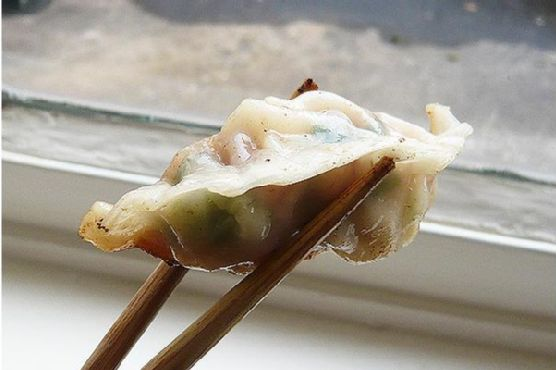
Japanese Gyoza Pot Stickers | Made by Meaghan Moineau

Japanese Gyoza Pot Stickers

Intro

There’s something truly magical about gathering around the kitchen table with loved ones, folding gyoza wrappers, and sharing stories. I remember as a child, watching my grandmother skillfully pleat the edges of these delightful Japanese pot stickers, her hands moving with a rhythm that spoke of years of practice. The savory aroma of sizzling gyoza would fill the room, creating an atmosphere of warmth and anticipation. Today, I share with you a recipe that brings back those cherished memories and allows you to create your own.

Why You’ll Love It

This Japanese Gyoza Pot Stickers recipe is a perfect blend of savory and umami flavors wrapped in a tender yet crispy shell. Not only are they incredibly delicious, but they’re also versatile and can be served as appetizers, snacks, or even a main course. The combination of seasoned ground beef with aromatic vegetables and the unique touch of chili sesame oil makes each bite an explosion of flavor. Plus, making them from scratch is a fun and rewarding experience that allows you to create a connection with this beloved Japanese tradition.

Ingredients

  • Black pepper, to taste
  • 1 cup cabbage, finely chopped
  • 1 teaspoon chili sesame oil
  • 1/4 cup dried mushrooms, soaked in warm water and chopped
  • 2 teaspoons grated ginger root
  • 3 to 4 green onions, finely chopped
  • 1 pound ground beef
  • 2 tablespoons salad oil
  • 1 teaspoon sesame oil
  • 2 tablespoons Kikkoman soy sauce
  • 1 tablespoon cooking wine
  • Gyoza wrappers

Instructions

  1. Chop the cabbage finely and place it in a colander. Pour boiling water over the cabbage, then let it cool until it’s comfortable to touch. Squeeze the cabbage well to remove excess water.
  2. In a large bowl, combine the cabbage, chopped green onions, chopped mushrooms, and grated ginger.
  3. In a separate bowl, mix the ground beef with cooking wine, soy sauce, sesame oil, and black pepper. Add the vegetable mixture to the beef and mix well.
  4. Place about 1 teaspoon of filling in the center of a gyoza wrapper. Fold the wrapper in half and pleat the edges to seal. If the edges do not stick, dampen the inside edge with a little water before pleating.
  5. Heat 2 tablespoons of salad oil in a pan over medium heat. Place the gyoza in the pan, flat side down.
  6. At the edge of the pan, carefully pour in a little water, up to 1/4 of the depth of the pot stickers. Cover the pan, reduce the heat to low, and let the gyoza simmer until all the water has evaporated.

Tips

For the best results, make sure not to overfill the gyoza wrappers as this can make sealing difficult and lead to bursting during cooking. When pleating the edges, use a firm but gentle touch to ensure they are securely sealed. Additionally, using a non-stick pan can help prevent sticking during the cooking process.

Variations & Substitutions

If you prefer a vegetarian version, simply replace the ground beef with finely chopped tofu or a plant-based meat substitute. You can also experiment with different vegetables such as carrots or bell peppers to add a unique twist. For a spicier kick, increase the amount of chili sesame oil or add a dash of hot sauce to the filling mixture.

Storage

To store leftover gyoza, let them cool to room temperature before placing them in an airtight container. They can be refrigerated for up to 3 days. For longer storage, consider freezing them in a single layer on a baking sheet before transferring to a freezer bag. Frozen gyoza can be cooked directly from the freezer, just increase the cooking time slightly.

FAQ

Can I make the gyoza filling in advance?

Absolutely! You can prepare the filling up to a day in advance and store it in the refrigerator. This can actually help the flavors meld together, resulting in a more flavorful filling.

What if I can’t find gyoza wrappers?

If gyoza wrappers are unavailable, you can use wonton wrappers as a substitute. They may be slightly thinner, so handle them with care when pleating and sealing.

How do I prevent the gyoza from sticking to the pan?

Ensure your pan is well-oiled and preheated before adding the gyoza. A non-stick pan can also help. If they do stick, allow them to cool briefly before gently loosening with a spatula.

Nutrition

This gyoza recipe offers a balanced combination of protein, vegetables, and healthy fats. Each serving (4-5 pot stickers) contains approximately 250 calories, 14g of protein, 20g of carbohydrates, and 12g of fat. Adjust the portion size based on your dietary needs and preferences.

Conclusion

Making Japanese Gyoza Pot Stickers at home is a delightful experience that brings the authentic flavors of Japan into your kitchen. Whether you’re recreating cherished family memories or starting new traditions, these pot stickers are sure to become a favorite. Enjoy the process of crafting each gyoza, savor the rich and complex flavors, and share them with those you love. Happy cooking!

Related update: Japanese Gyoza Pot Stickers

Related update: Spicy Black-Eyed Pea Curry with Swiss Chard and Roasted Eggplant

Related update: Curry Leaves Potato Chips

A Budget Quasi-Direct-Drive Motor Inpired By MIT’s Mini Cheetah – Hackaday | Analysis by Brian Moineau

A Budget Quasi-Direct-Drive Motor Inpired By MIT’s Mini Cheetah - Hackaday | Analysis by Brian Moineau

Title: Tinkering with Innovation: Exploring the Budget-Friendly Quasi-Direct-Drive Motor Inspired by MIT’s Mini Cheetah

When MIT unveils a new piece of technology, the world listens—eager to catch a glimpse of tomorrow’s innovations today. However, when they label something as “low-cost,” it often requires a pinch of salt, especially for the DIY enthusiasts and hobbyists among us. The recent Hackaday article, “A Budget Quasi-Direct-Drive Motor Inspired by MIT’s Mini Cheetah,” dives into this very conundrum, offering a fascinating look at how cutting-edge ideas can traverse from the ivory towers of academia to the cluttered workbenches of home hobbyists.

The Mini Cheetah’s Legacy


The Mini Cheetah, developed by MIT, is a marvel of robotics engineering—a nimble, four-legged robot that dances and flips with the grace of a mechanical gymnast. It’s been a source of inspiration for many, including the ambitious [Caden Kraft], who sought to democratize a piece of its technology: the quasi-direct-drive motor. But what exactly does “low-cost” mean in this context?

For MIT, low-cost might still stretch the budget for the average tinkerer. However, Kraft’s interpretation of affordability is a refreshing take, bridging the gap between high-tech innovation and practical accessibility. His work is a testament to the growing trend of making advanced technology available to the masses, a movement reminiscent of the open-source software revolution.

A Parallel in the Tech World


The drive to make technology more accessible is not new. We’ve seen similar trends with the Raspberry Pi, a low-cost, high-performance computer that’s found its way into classrooms, labs, and hobbyist projects around the world. Just as the Raspberry Pi has empowered individuals to explore computing and electronics without breaking the bank, Kraft’s initiative opens doors for aspiring roboticists and engineers to experiment with sophisticated motor designs.

The Broader Impact


This democratization of technology is happening at a critical time. As the world faces challenges like climate change and resource scarcity, empowering more people to innovate can lead to solutions that might otherwise remain undiscovered. Affordable technology can inspire a new generation of problem solvers who approach these global issues with fresh perspectives.

Moreover, the significance of these affordable innovations extends beyond individual projects. They can inspire educational advancements, enabling schools to provide hands-on learning experiences without the prohibitive costs often associated with high-tech equipment. Imagine a future where every high school has its own robotics club, building machines that can compete with the likes of MIT’s creations.

Final Thoughts


The journey from an MIT lab to a garage workshop is not just a physical one; it’s a shift in mindset. Innovations like the quasi-direct-drive motor highlight the importance of making technology accessible to all, fostering a culture where anyone with curiosity and determination can become an inventor.

As we continue to explore the intersection of high-tech and DIY, it’s crucial to support initiatives that break down barriers to entry. Whether it’s through open-source projects, educational outreach, or simply sharing knowledge, the more we democratize technology, the brighter our collective future becomes.

So here’s to the tinkerers, the dreamers, and the DIY pioneers—may your workbenches be ever cluttered, and your creations forever inspire.

Read more about AI in Business

Read more about Latest Sports Trends

Read more about Technology Innovations

What I learned from a Bambu Labs A1 3D printer, part 2: Upgrades and mistakes – Ars Technica | Analysis by Brian Moineau

What I learned from a Bambu Labs A1 3D printer, part 2: Upgrades and mistakes - Ars Technica | Analysis by Brian Moineau

Title: Beyond the Blueprint: Lessons from Upgrading the Bambu Labs A1 3D Printer

In the ever-evolving realm of technology, where innovation meets creativity, 3D printing stands as a testament to human ingenuity. The journey of enhancing a Bambu Labs A1 3D printer, as detailed in Ars Technica's "What I Learned from a Bambu Labs A1 3D Printer, Part 2: Upgrades and Mistakes," offers a fascinating glimpse into this world. The article explores the nuances of upgrading the A1, shedding light on the intricacies of plastic and the broader lessons learned along the way.

The Art of Plastic: A Tangible Revolution

One of the standout revelations from upgrading the A1 was the diverse nature of plastics used in 3D printing. Plastics, often underestimated, are the unsung heroes of the modern age, molding the framework of countless innovations. From biodegradable PLA to robust ABS, each type of plastic brings its own set of properties and challenges. The process of selecting and printing new parts for the A1 underscored the importance of understanding these materials, not just as elements of creation but as pivotal factors in the success or failure of a project.

This exploration of plastic aligns with the global push towards sustainable alternatives. Companies worldwide are racing to develop eco-friendly materials, reducing the carbon footprint of manufacturing. The European Union, for instance, is investing heavily in bioplastics research, aiming to replace traditional plastics with greener solutions. The lessons from upgrading the A1 mirror this shift, emphasizing the need for conscientious material choices in tech and beyond.

A Symphony of Errors: Embracing Mistakes

No technological journey is complete without its fair share of stumbles. The article candidly acknowledges the mistakes made during the upgrade process, transforming them into valuable learning experiences. This is reminiscent of the iterative design philosophy embraced by tech giants like Google and Apple, where failure is simply a stepping stone to innovation.

In the context of 3D printing, errors often lead to unexpected breakthroughs. The flexibility to print, test, and tweak designs rapidly allows for a trial-and-error approach that fuels creativity. This mindset is not limited to tech but is increasingly being adopted in education and business, where learning from mistakes is encouraged as a pathway to success.

A Broader Connection: The Maker Movement

The journey of upgrading the Bambu Labs A1 is emblematic of the larger Maker Movement, a cultural trend that celebrates DIY and tinkering. Across the globe, makerspaces are popping up, providing tools and resources for hobbyists and professionals alike to bring their ideas to life. This democratization of technology fosters innovation, allowing individuals to contribute to fields as diverse as healthcare, education, and environmental science.

The Maker Movement has also played a crucial role in times of crisis. During the COVID-19 pandemic, makers worldwide rallied to produce PPE and medical supplies, showcasing the power of community-driven innovation. The Bambu Labs A1 journey, with its emphasis on creativity and problem-solving, embodies the spirit of this movement.

Final Thoughts: Crafting the Future

Upgrading a 3D printer like the Bambu Labs A1 is more than a technical endeavor; it's a microcosm of the challenges and triumphs inherent in technological progress. As we continue to push the boundaries of what's possible, the lessons learned from such projects remind us of the importance of material knowledge, the value of mistakes, and the power of community.

In a world increasingly defined by technology, these insights are invaluable. Whether you're a seasoned engineer or a curious hobbyist, the journey of upgrading and learning from a 3D printer offers a roadmap for innovation. So, here's to the makers, the tinkerers, and the dreamers—may your blueprints be bold, your plastic choices wise, and your mistakes enlightening.

Read more about AI in Business

Read more about Latest Sports Trends

Read more about Technology Innovations