Trump is already wielding his ‘golden share’ authority at U…

Trump is already wielding his ‘golden share’ authority at U…

Trump’s ‘Golden Share’ at U.S. Steel: A New Era of Government Influence Over Private Industry In a world where the lines between government and private enterpr…

Trump’s ‘Golden Share’ at U.S. Steel: A New Era of Government Influence Over Private Industry

In a world where the lines between government and private enterprise increasingly blur, the recent moves by the Trump administration to exert control over U.S. Steel signal a bold shift in how industry operates. As the administration invokes its ‘golden share’ authority, one must wonder: what does this mean for the future of American business?

Understanding the ‘Golden Share’ Authority

The term “golden share” typically refers to a special type of share that grants its holder certain powers beyond those of regular shareholders. In the context of U.S. Steel, this authority allows the Trump administration to intervene in the company’s strategic decisions—essentially overriding plans that may not align with the administration’s broader economic or political goals.

This isn’t just a quirky corporate governance maneuver; it’s a critical instance of a government stepping into the realm of private industry. It follows a series of actions by the Trump administration aimed at reshaping how businesses operate, particularly in sectors deemed vital to national interests, such as manufacturing and energy.

Recent Context and Background

This intervention comes at a time when the U.S. is grappling with economic recovery post-pandemic, trade tensions, and a renewed focus on domestic manufacturing. The steel industry, in particular, holds significant importance, not only for employment but also for national security. By exercising its ‘golden share’ authority, the administration is sending a clear message: the federal government will play an active role in steering key industries toward the desired outcomes.

The backdrop of this move is the ongoing conversation about supply chain resilience and the need for the U.S. to reduce dependency on foreign imports. U.S. Steel has been at the forefront of this dialogue, where decisions regarding its operations can ripple through the economy.

Key Takeaways

Increased Government Influence: The Trump administration’s use of ‘golden share’ authority represents a significant shift in the relationship between government and private industry, particularly in critical sectors.

Strategic Control: This move allows the administration to override corporate plans, ensuring alignment with national interests, especially concerning manufacturing and security.

Broader Implications for Industry: As the government becomes more involved in business decisions, companies may need to rethink their strategies and operations to accommodate potential federal directives.

Economic Context: The intervention reflects ongoing concerns about economic recovery, trade, and supply chain resilience, especially in light of the COVID-19 pandemic.

Conclusion: The Future of Business Under Government Oversight

As we watch this situation unfold, it’s essential to consider the broader implications of government intervention in the private sector. While some may argue that such measures are necessary for protecting national interests, others may worry about the stifling of innovation and autonomy within businesses. Ultimately, balancing these interests will be crucial as we navigate this new era of corporate governance.

Sources

– “Trump is already wielding his ‘golden share’ authority at U.S. Steel, overriding the company plans” – Fortune (https://fortune.com) – “Understanding the Golden Share” – Investopedia (https://www.investopedia.com/terms/g/golden-share.asp)

By keeping an eye on these developments, we can better understand the evolving landscape of American business and the intricate dance between government and industry.


Related update: We recently published an article that expands on this topic: read the latest post.

Related update: We recently published an article that expands on this topic: read the latest post.

Donald Trump’s economy falters as US jobs growth grinds to a halt – Financial Times | Analysis by Brian Moineau

Donald Trump’s economy falters as US jobs growth grinds to a halt - Financial Times | Analysis by Brian Moineau

Title: The Economic Rollercoaster: When Promises Meet Reality

In the latest twist of the economic saga under the Trump administration, the Financial Times reports a significant slowdown in US job growth. The promises of prosperity that fueled the rhetoric during the campaign trail are facing a reality check. As the economy experiences this slowdown, it prompts a reflection on the broader implications and what this means for Americans going forward.

A Bumpy Road Ahead

Donald Trump's presidency has been a whirlwind of bold promises and ambitious goals, particularly in the realm of economic growth. From tax cuts to deregulation, his administration aimed to create an environment ripe for job creation and economic prosperity. Yet, as the latest data suggests, the momentum is faltering. This development isn't just a blip on the radar; it raises critical questions about the sustainability of the policies touted as economic saviors.

Global Connections

The US economy doesn't operate in a vacuum. Global events, such as trade tensions and geopolitical uncertainties, have undoubtedly played a role in shaping the current economic landscape. For instance, the trade war with China created ripples across the global economy, impacting everything from agricultural exports to tech industry supply chains. As these tensions simmer, they add layers of complexity to the economic challenges at home.

Moreover, the COVID-19 pandemic has reshaped how economies function worldwide. Its aftermath continues to affect supply chains and consumer behavior, further complicating efforts to revitalize job growth. Meanwhile, other countries are grappling with similar challenges, as they too navigate the intricate dance of economic recovery in a post-pandemic world.

Donald Trump: A Polarizing Figure

Donald Trump's approach to leadership and policy-making has always been characterized by his distinctive style and often controversial decisions. Love him or loathe him, his tenure has undeniably impacted the economic and political landscape. While some hail his efforts to cut red tape and lower taxes, others criticize the long-term sustainability of these measures and their impact on income inequality and public debt.

Looking Beyond the Numbers

While the current economic data may seem disheartening, it's essential to remember that economies are inherently cyclical. Slowdowns can be opportunities to recalibrate and address underlying issues that might have been overlooked during periods of rapid growth. This moment offers policymakers a chance to reassess strategies and invest in sustainable, inclusive growth that benefits all Americans.

Final Thoughts

As we observe the unfolding economic narrative, it's crucial to approach the situation with a balanced perspective. The numbers tell one part of the story, but the human element and the broader context complete it. The current economic challenges are not insurmountable, but they do require thoughtful, collaborative solutions that transcend political divides.

In the end, the ultimate question remains: Can the promises of prosperity be fulfilled in a way that withstands the test of time and turbulence? Only time will tell, but one thing is certain—economic resilience will depend on adaptability, innovation, and a willingness to learn from both successes and setbacks.

Read more about AI in Business

Read more about Latest Sports Trends

Read more about Technology Innovations

Best Buy reports modest sales recovery, but says tariffs are complicating its turnaround – CNBC | Analysis by Brian Moineau

Best Buy reports modest sales recovery, but says tariffs are complicating its turnaround - CNBC | Analysis by Brian Moineau

Title: Navigating the Retail Seas: Best Buy's Modest Recovery Amidst Tariff Tides

The retail world is no stranger to the ebbs and flows of economic tides, and Best Buy, the electronics giant, recently reported a modest sales recovery that seems to signal a change in the winds. Surpassing revenue and earnings expectations for its most recent quarter, Best Buy is showcasing a resilience that many other retailers could stand to emulate. But, as the company's leadership wisely notes, the journey is far from over, with the looming specter of tariffs complicating what could otherwise be a smooth turnaround.

The news, originally reported by CNBC, highlights Best Buy's cautious optimism. Despite the positive quarterly results, the company has maintained its full-year forecast, citing tariff uncertainty as a potential storm cloud on the horizon. It's a prudent move, considering the current geopolitical climate where trade tensions can shift as quickly as a wind gust.

Tariffs have been a hot topic globally, with many industries feeling the impact of trade policies, particularly those between the United States and China. Electronics, one of Best Buy's staple offerings, often bear the brunt of these tariffs due to their complex international supply chains. Much like sailors navigating treacherous waters, retailers must be adept at steering their strategies to avoid the rocks of increased costs and reduced consumer spending.

Interestingly, Best Buy's performance can also be seen as a microcosm of the broader retail landscape, which has been experiencing a renaissance of sorts. The pandemic accelerated e-commerce adoption, yet many consumers still value the tactile experience of in-store shopping. This dual demand requires retailers to be agile, offering seamless omnichannel experiences that satisfy both digital and traditional shoppers.

In the wider world of business, parallels can be drawn to companies like Apple and Amazon, who have also had to deftly maneuver through tariff implications. Apple's supply chain, deeply intertwined with Chinese manufacturing, has been particularly vulnerable, driving the company to explore diversification strategies. Meanwhile, Amazon's vast global logistics network gives it some insulation from individual tariff impacts, but it too keeps a watchful eye on trade developments.

Beyond the realm of commerce, tariffs have ripple effects that touch various aspects of society. For instance, educational institutions that rely on imported technology for STEM programs may face budgetary pressures, which in turn affects students' learning experiences. Similarly, small businesses that can't absorb increased costs as easily as larger corporations may pass these on to consumers, leading to broader economic implications.

So, what does this mean for the average consumer? While Best Buy's cautious approach might seem like a corporate strategy discussion far removed from everyday life, it actually serves as a reminder of the interconnectedness of global markets and personal wallets. As tariffs influence product prices, consumers may find themselves making more deliberate purchasing decisions, weighing the value of immediate gratification against potential future costs.

In conclusion, Best Buy's recent performance is a testament to strategic resilience, a quality that is increasingly vital in today's unpredictable economic environment. While tariffs remain a complicating factor, the company's ability to navigate these challenges offers hope not only for its own future but also for the broader retail industry. As we move forward, it will be fascinating to watch how Best Buy and its peers continue to adapt, innovate, and steer through the complexities of global trade. Whether you're a shareholder, a shopper, or simply someone interested in the dynamics of business, there's much to learn from Best Buy's journey. Sail on, Best Buy, sail on.

Read more about AI in Business

Read more about Latest Sports Trends

Read more about Technology Innovations

Major analysts revamp gold price targets after historic rally – TheStreet | Analysis by Brian Moineau

Major analysts revamp gold price targets after historic rally - TheStreet | Analysis by Brian Moineau

Title: Glint of Gold: What Lies Ahead in 2025?

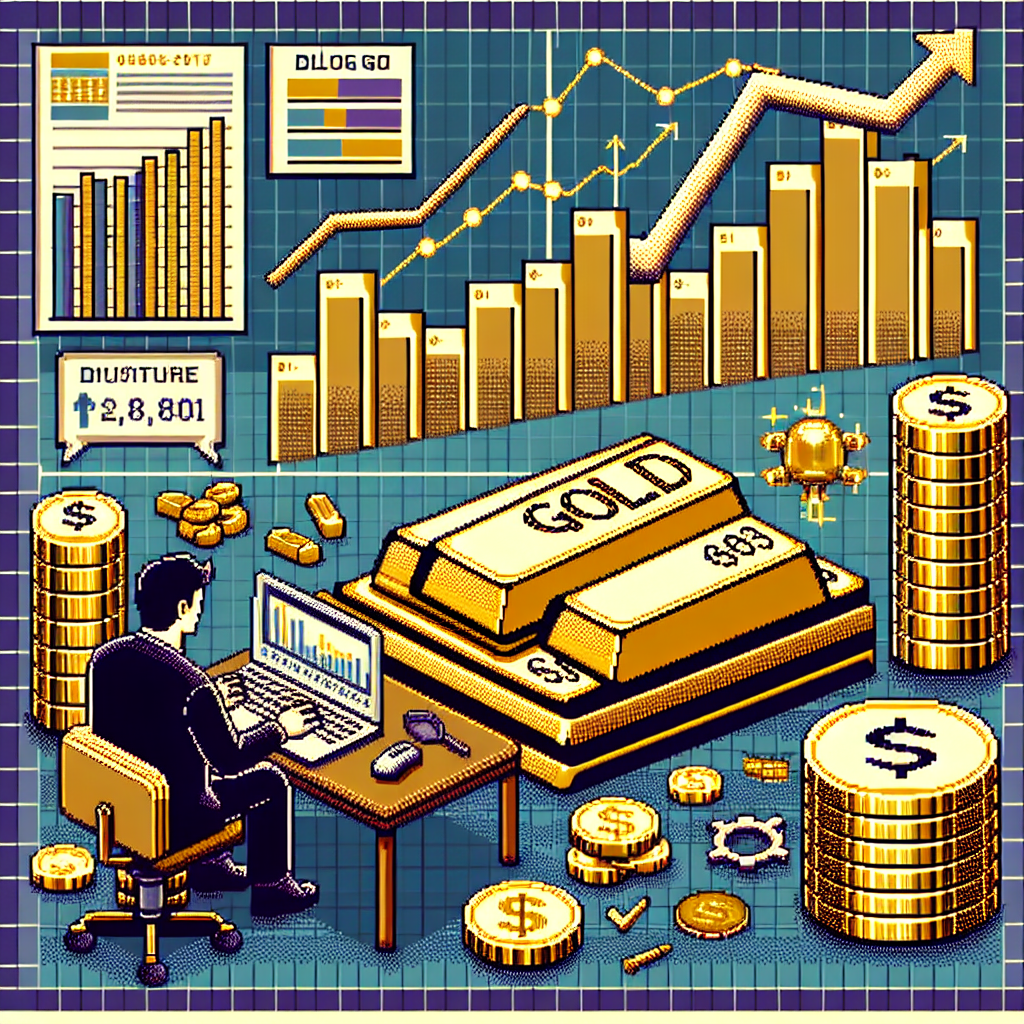
Ah, gold—one of the most fascinating and enduring assets in the financial world. It’s been around for millennia, symbolizing wealth, power, and sometimes a little bit of luck. Recently, gold has been glittering in the spotlight again as major analysts have revamped their price targets following a historic rally. But what's in store for this precious metal in 2025? Let’s take a look at the golden horizon with a twinkle in our eyes.

A Golden Rally: What's Happening?


In the financial world, gold often acts as a safe haven, a comforting shiny rock in tumultuous times. Over the past few years, amid global uncertainties—think trade wars, pandemics, and geopolitical tensions—investors have flocked to gold, driving its price to unprecedented highs. According to TheStreet, major analysts are now adjusting their targets to reflect this historic rally, and many are optimistic about the metal's continued ascent.

Why the Sudden Increase?


A cocktail of factors has contributed to gold's recent rally. Low-interest rates and quantitative easing policies across the globe have made traditional savings less attractive, pushing investors toward gold. The dollar's fluctuations have also played a role; typically, when the dollar weakens, gold strengthens. Additionally, there's a growing sentiment that gold is a hedge against inflation, which is increasingly on everyone's lips as economies recover and spend post-pandemic.

Connections to the Wider World


Gold's rise isn't happening in a vacuum. Consider the broader economic and political context. The global push for green energy and technology is reshaping industries and economies, potentially affecting traditional markets. For instance, the increasing demand for precious metals like lithium and copper for electric vehicles might influence investor behavior toward metals, including gold.

Moreover, geopolitical uncertainties, like the ongoing tensions in the South China Sea and trade dynamics between major powers, continue to make gold an attractive investment. As the world becomes more interconnected, the ripples of one region's instability can quickly spread, prompting a move to safer assets.

What About 2025?


So, what might we expect in 2025? While crystal balls tend to be hazy, there are a few scenarios to consider. If inflation continues to rise, driven by economic recovery and stimulus spending, gold could remain appealing as a protective asset. Technological advancements and the green transition could also alter the landscape, potentially increasing demand for gold in electronics and renewable technologies.

On the flip side, if global tensions ease and economies stabilize, we might see a shift back to equities and other riskier assets, potentially cooling gold's rally. However, given the unpredictable nature of global politics and economics, gold's role as a hedge will likely keep it in the investment conversation.

Final Thoughts


Gold's allure is timeless, and its role in the financial ecosystem continues to evolve. While predicting its exact trajectory by 2025 remains speculative, the factors influencing its price are clear and interconnected with broader global trends. Whether you're a seasoned investor or just someone who appreciates the shimmer of potential, gold will likely continue to captivate and challenge us in the years to come. Keep an eye on the gold market—it might just surprise you!

In the end, whether gold continues to rally or stabilizes, it serves as a reminder of the intricate dance between economies, politics, and human behavior. As we watch these dynamics unfold, let's not forget to appreciate the beauty of the journey—after all, life is too short not to enjoy a little glitter along the way!

Read more about AI in Business

Read more about Latest Sports Trends

Read more about Technology Innovations

The 1 Scenario That Would Send the Stock Market Soaring – Barron’s | Analysis by Brian Moineau

The 1 Scenario That Would Send the Stock Market Soaring - Barron's | Analysis by Brian Moineau

Title: The Unlikely Wind Beneath Wall Street’s Wings: What Could Send the Stock Market Soaring?

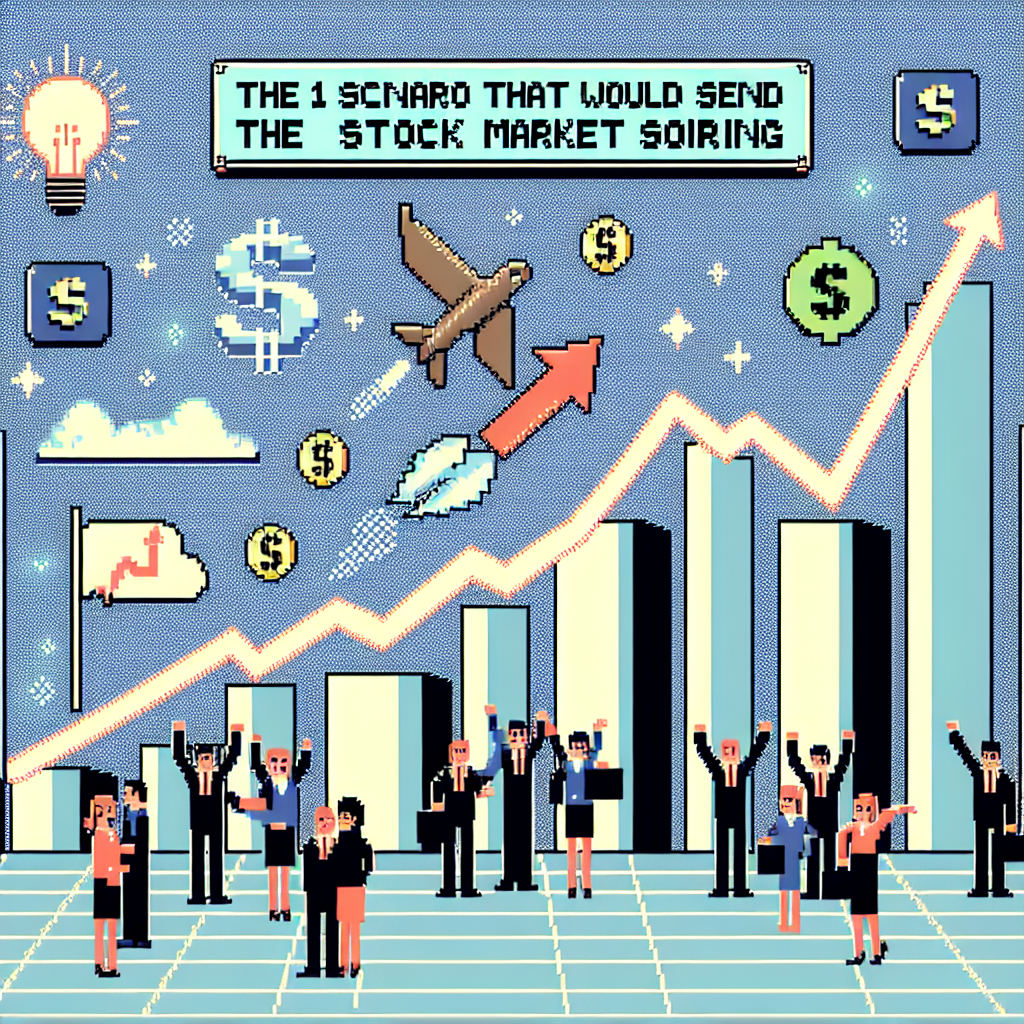
In the world of finance, predicting market movements can often feel like reading tea leaves or trying to forecast the weather. Yet, every so often, an idea emerges that captivates both seasoned investors and casual observers alike. One such idea was recently discussed in Barron's, pondering the one scenario that could send the stock market on a sky-high trajectory. While the article itself remains “null” in detail, let’s explore this tantalizing concept with a light-hearted twist and see what could really send Wall Street into a frenzy.

The Magic Bullet: A Unified Economic Recovery


Imagine a world where geopolitical tensions ease, supply chains untangle themselves like a magician pulling endless scarves from a hat, and central banks worldwide strike the perfect balance between curbing inflation and encouraging growth. This utopia might sound far-fetched, but it’s precisely this kind of synchronized global recovery that could send the stock market soaring.

A Global Symphony


Consider the current global landscape. The U.S. Federal Reserve, amidst inflationary pressures, has been raising interest rates. Meanwhile, the European Central Bank and the Bank of Japan have faced their own economic puzzles. A harmonious alignment, where major economies recover in unison, could create a ripple effect, boosting investor confidence and stock prices globally.

Remember the post-2008 financial crisis recovery? Coordinated efforts among central banks led to one of the longest bull markets in history. The lesson? When the world’s economic powerhouses play in concert, markets tend to sing.

External Influences: Beyond the Financial Realm


Outside the realm of stocks and bonds, other factors could also play a role. The tech world, for instance, has seen rapid advancements in artificial intelligence and renewable energy. These sectors promise not only innovation but potential profitability that could drive market enthusiasm.

Moreover, let’s not forget the cultural zeitgeist. We live in a time where social media can influence market trends almost overnight. Remember the GameStop saga, driven by retail investors on Reddit? It’s a testament to how market dynamics are no longer confined to Wall Street.

The Human Factor


Ultimately, the stock market is not just a collection of numbers and charts; it’s a reflection of human behavior. As Warren Buffett famously said, “Be fearful when others are greedy and greedy when others are fearful.” The psychology of investing plays a crucial role, and a wave of optimism, fueled by tangible improvements in global conditions, could be the catalyst for a market surge.

A Final Thought


While the scenario of a perfectly coordinated global recovery remains speculative, it’s a reminder of the interconnectedness of our world. In an era where unpredictability seems the only constant, it’s comforting to daydream about a scenario where everything falls into place.

In the end, whether or not the stock market will soar remains to be seen. But one thing’s for sure: the dance of economic forces, technological advances, and human emotions will continue to create a market landscape that’s as dynamic as it is unpredictable.

So, as you sip your morning coffee and ponder the mysteries of Wall Street, remember that sometimes, the most improbable scenarios can become reality. After all, in the world of finance, stranger things have happened.

Read more about AI in Business

Read more about Latest Sports Trends

Read more about Technology Innovations