Campbell’s Ousts Exec After Leaked Rant | Analysis by Brian Moineau

A canned-response crisis: Campbell’s fires executive after leaked racist rant and disparaging comments

There’s something dissonant about an executive trash-talking the very brand that puts food on millions of tables — and then getting caught on tape. That’s exactly what happened at Campbell’s this week, when the company confirmed it had fired a senior IT executive after a former employee’s lawsuit and a leaked audio clip surfaced containing vulgar, racist and disparaging remarks about the company, its customers and coworkers.

What happened (the quick version)

  • A former Campbell’s employee, Robert Garza, filed a wrongful-termination lawsuit that included an audio recording from a November 2024 meeting in which he says the company’s vice president of information security, Martin Bally, made offensive remarks.
  • The recording reportedly includes Bally calling Campbell’s products “food for poor people,” making racist comments about Indian coworkers, questioning the source of the company’s chicken as “3D-printed” or “bioengineered,” and admitting to using marijuana edibles at work.
  • Campbell’s told reporters it reviewed the recording after learning of the lawsuit on November 20, 2025, determined the voice appears to be Bally’s, called the comments “vulgar, offensive and false,” and said Bally is no longer employed as of November 25, 2025. (axios.com)

Why this matters beyond the headline

  • Reputation risk: A senior executive publicly—or in leaked audio—disparaging the company’s products and customers is a fast-track reputational issue. Brands trade on trust; when internal leaders demean customers or imply unsafe or artificial ingredients, consumer confidence can wobble even if the claims are false. (fortune.com)
  • Workplace culture and retaliation claims: The plaintiff alleges he reported the remarks to a manager and was fired shortly after. That’s the core of the lawsuit: retaliation and a hostile work environment. If true, this raises questions about reporting pathways, HR responsiveness, and managerial accountability. (washingtonpost.com)
  • Misinformation and food safety anxiety: The alleged comments about “3D-printed” or “bioengineered” meat tap into modern food fears. Campbell’s quickly issued a fact sheet defending the provenance of its chicken and labeling the claims patently absurd — a necessary step to cut off misinformation. (fortune.com)

Scene-setting and background

  • The recording was allegedly made during a salary discussion in November 2024. Garza says he recorded the conversation because he sensed something was off; Michigan law allows one-party recording, which matters for the legal context. He reported the exchange in January 2025 and was allegedly terminated later that month. The suit names Campbell’s, the executive (Bally), and Garza’s supervisor as defendants. (washingtonpost.com)
  • Campbell’s statement, quoted in multiple outlets, calls the audio’s content unacceptable and not reflective of company values and notes it learned of the audio only after the lawsuit was filed. The company also reaffirmed ingredient sourcing and quality. (axios.com)

Useful angles for readers and stakeholders

  • For customers: Don’t let an executive’s rant become the story of the brand. Check company statements and credible food-safety info before jumping to conclusions about product safety. Campbell’s explicitly denied the “3D-printed” claims and reiterated its sourcing standards. (fortune.com)
  • For employees: This episode highlights the importance of clear, confidential reporting channels and prompt HR action. If companies don’t act on reports, the legal and cultural fallout can be severe. (washingtonpost.com)
  • For investors and partners: Executive conduct is not just PR — it can affect brand value, supplier relations, and regulatory scrutiny. Quick, transparent responses are vital to stem damage. (axios.com)

Lessons for companies (and a checklist)

  • Move fast and transparently: When recordings or allegations surface, swift investigation and clear public communication matter.
  • Protect whistleblowers: Make reporting lines obvious and ensure retaliation is impossible in practice, not just policy.
  • Train leaders on language and impact: Senior leaders’ offhand remarks have outsized consequences; unconscious bias and disrespect can become legal and PR crises.
  • Combat misinformation proactively: If an allegation involves product safety or sourcing, publish clear, evidence-based explanations immediately.

How this could unfold legally

  • The lawsuit alleges wrongful termination and retaliation. If Garza’s timeline (reporting then firing) is supported by documentation and testimony, the company could face exposure beyond just reputational damage. Outcomes can range from settlements to court rulings that prompt changes in policy and practice. (washingtonpost.com)

Final thoughts

This feels like one of those textbook corporate crises where several fragile pieces collide: offensive leadership behavior, questions about how complaints were handled, and a viral recording that forces a company to choose between slow internal remediation or a very public stance. Campbell’s moved to terminate the executive after reviewing the tape and to reassure consumers about product quality — the right moves from a crisis-management standpoint. But the underlying issues — workplace culture, the integrity of reporting channels, and leader accountability — don’t disappear with a firing. Those take sustained work.

Companies that want to avoid headlines like this need to treat everyday conduct as material risk: the words leaders use in private can be the next public relations emergency.

Further reading

  • For a straightforward news summary and timeline: Axios — Campbell’s fires Martin Bally for alleged racist rant. (axios.com)
  • For reporting that includes the company response and legal context: AP News — Campbell’s fires executive who was recorded saying company's products are for 'poor people'. (apnews.com)
  • For analysis of how Campbell’s responded and the product-safety denial: Fortune — Campbell’s fires exec after leaked recording berating ‘poor’ customers and claiming use of bioengineered meat. (fortune.com)

Sources

Hormel Recalls Chicken Over Metal | Analysis by Brian Moineau

Hormel’s Massive Chicken Recall: What You Need to Know

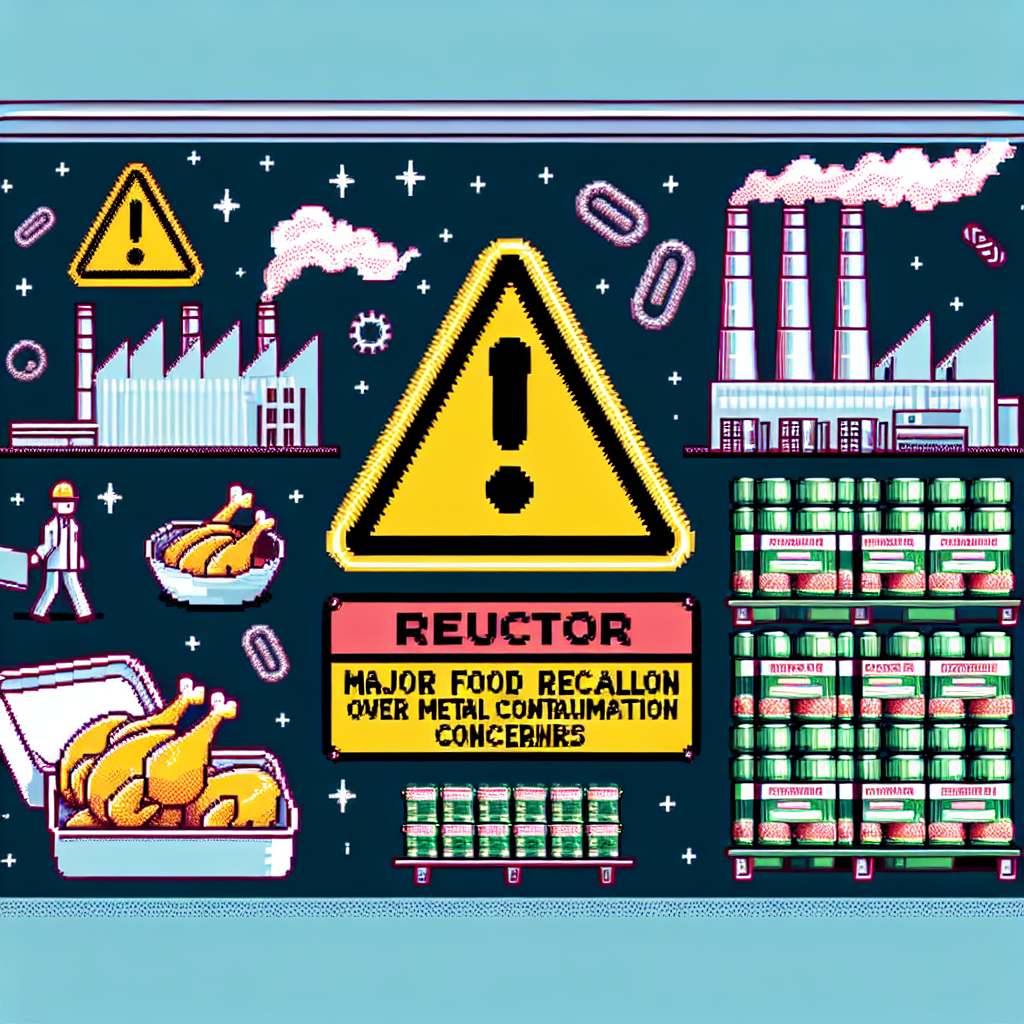
Imagine sitting down to enjoy a meal, only to discover a piece of metal lurking in your food. This unsettling reality has recently struck many consumers, as Hormel Foods—one of the largest food companies in the United States—has announced a recall of nearly 5 million pounds of ready-to-eat frozen chicken products due to concerns over metal contamination. Let’s dig into the details of this significant recall, its implications, and what you can do to stay informed and safe.

Understanding the Recall

Hormel’s recall, which was made public on a Saturday, comes after several complaints from consumers who reported finding metal pieces in their chicken products. This kind of contamination is not only alarming but raises serious questions about food safety protocols and quality control in the food industry. The specific products involved include various frozen chicken items sold under Hormel's brand, which are often staples in many households.

This incident is not only a hiccup for Hormel but also reflects a broader issue within the food industry—ensuring that the food we eat is safe and free from contaminants. Such recalls aren’t just about corporate responsibility; they are about consumer trust and public health.

Hormel has stated that these products were distributed across various states and that they are taking immediate action to ensure that all affected items are removed from store shelves. They are urging consumers who may have purchased these products to check their freezers and discard any items that fall under the recall.

Key Takeaways

- Scope of the Recall: Nearly 5 million pounds of ready-to-eat frozen chicken products are being recalled due to potential metal contamination. - Consumer Safety: Hormel is urging consumers to check their freezers and dispose of any affected products to avoid health risks. - Quality Control Concerns: This incident raises important questions about food safety protocols within the food industry. - Company Response: Hormel is actively working to resolve the issue and has committed to enhancing their safety measures. - Stay Informed: Consumers should remain vigilant and monitor announcements from food companies regarding recalls and safety issues.

Conclusion: A Call for Vigilance

As consumers, we often trust that the food we purchase is safe to eat, but incidents like Hormel’s chicken recall serve as a sobering reminder of the importance of vigilance. It’s crucial to stay informed about food recalls and to be proactive about checking the products we bring into our homes. While Hormel is taking steps to address this issue, we all have a role to play in ensuring our food safety.

So, the next time you reach for that frozen chicken in your freezer, take a moment to double-check the packaging and make sure it’s not part of any recall. Let’s keep our kitchens safe and our meals enjoyable!

Sources

- NBC News: [Hormel is recalling 5 million pounds of ready-to-eat frozen chicken over metal concerns](https://www.nbcnews.com/news/us-news/hormel-recalling-5-million-pounds-ready-eat-frozen-chicken-metal-concerns-rcna116189)

By staying informed and taking simple precautions, we can help ensure that our meals are both delicious and safe.

Millions of Eggs Recalled After Dozens Sickened With Salmonella – Bloomberg | Analysis by Brian Moineau

Millions of Eggs Recalled After Dozens Sickened With Salmonella - Bloomberg | Analysis by Brian Moineau

Title: "Eggs-traordinary Recall: When Breakfast Turns Scrambled with Salmonella"

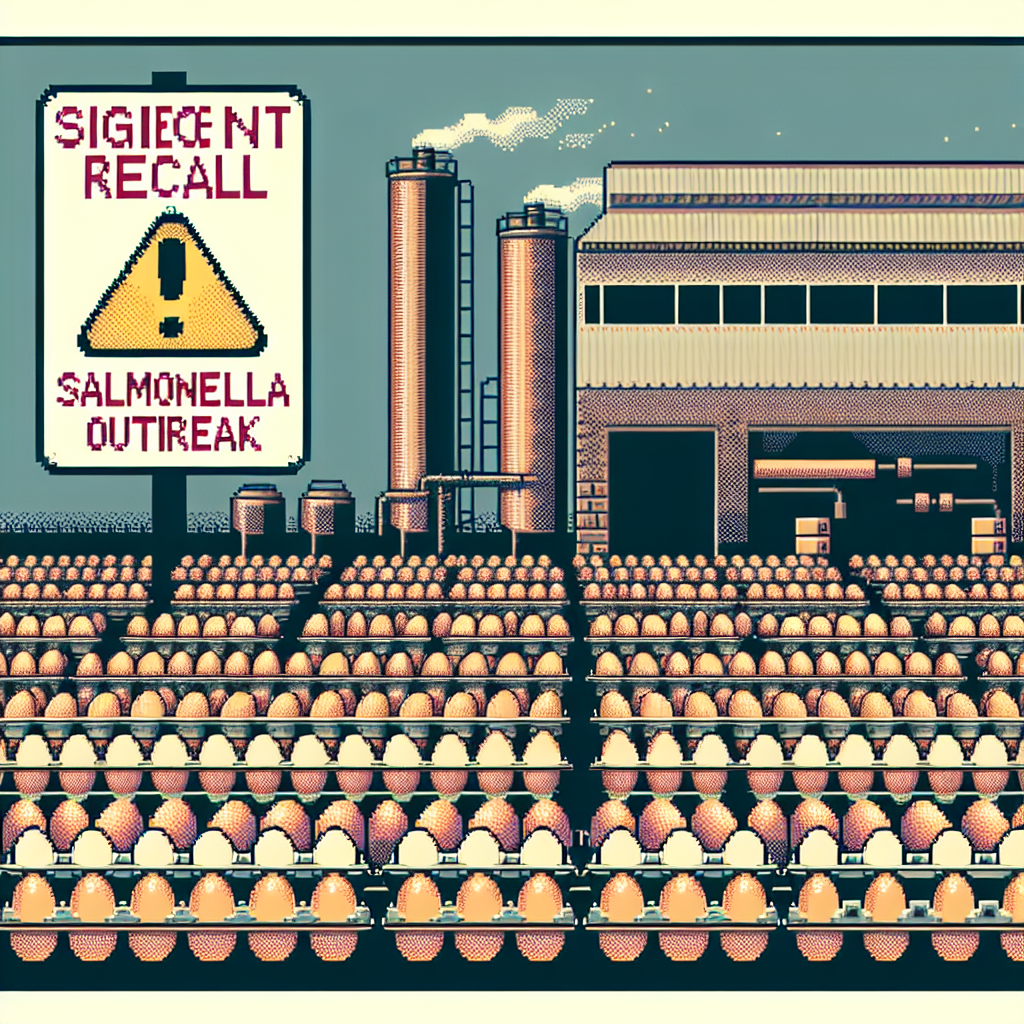
In a world where breakfast is often hailed as the most important meal of the day, news like the recent egg recall can certainly throw a wrench—or a whisk—into our morning routines. According to a report by Bloomberg, the US Food and Drug Administration (FDA) has recalled over 20 million eggs after 21 individuals were hospitalized due to salmonella. This might be a bitter pill—or perhaps, a bitter yolk—to swallow for egg enthusiasts across the nation.

At first glance, the numbers are staggering. Twenty million eggs! That’s enough to make even the most ardent egg lover consider switching to oatmeal. The salmonella scare is a serious issue, and it’s a reminder of how interconnected our food systems are. With eggs being a staple in many households, it’s no wonder that such a massive recall has made national headlines.

But before you start eyeing your breakfast suspiciously, let's crack open the topic a bit more. Salmonella outbreaks related to eggs are not entirely new. In fact, these incidents serve as recurring reminders of the importance of food safety. The Centers for Disease Control and Prevention (CDC) notes that salmonella affects about 1.35 million people in the United States each year. While this particular recall is significant, it’s part of a broader pattern that highlights the need for stringent oversight in food production.

Interestingly, this egg recall coincides with a broader conversation about food security and supply chain resilience, issues that have been magnified by the COVID-19 pandemic. The pandemic exposed vulnerabilities in global supply chains, leading to shortages and increased scrutiny of food safety standards. This egg recall is yet another chapter in that ongoing narrative, emphasizing the importance of robust safety protocols to prevent future outbreaks.

Moreover, the recall also parallels environmental discussions about sustainable agriculture. Eggs, being a major component of many diets, are linked to larger issues such as animal welfare and environmental impact. The recall could potentially accelerate conversations about sustainable farming practices, which aim to reduce such health risks and improve food safety.

While this recall may have you reconsidering that omelet, it’s also a reminder of the resilience of food systems. History has shown us that recalls, while inconvenient, are a necessary part of ensuring public safety. The FDA, along with other agencies, plays a crucial role in maintaining these standards, and their swift action in this case is commendable.

In a lighter vein, this situation also offers a chance for culinary creativity. Perhaps it’s time to try out that breakfast smoothie recipe or explore plant-based alternatives like tofu scrambles. After all, diversity in our diets can be both nutritious and delicious.

In conclusion, while the egg recall is a serious matter with real health implications, it also serves as a reminder of the complex web of food safety, environmental sustainability, and public health. As we navigate these challenges, let’s also take the opportunity to embrace culinary exploration and innovation. Who knows? Maybe this is the perfect moment to discover your new favorite breakfast dish. So, here’s to a safe, healthy, and eggs-traordinary culinary journey ahead!

Read more about AI in Business

Read more about Latest Sports Trends

Read more about Technology Innovations

Frozen Meals Sold at Walmart, Kroger and More Recalled Nationwide Due to Contamination – EatingWell | Analysis by Brian Moineau

Frozen Meals Sold at Walmart, Kroger and More Recalled Nationwide Due to Contamination - EatingWell | Analysis by Brian Moineau

Frozen Meals Recall: The Unintended Diet Plan?

In today's fast-paced world, frozen meals have become the culinary knight in shining armor for many of us. Whether you're a bustling professional or a busy parent, popping a meal in the microwave can feel like saving the day. However, recent news has thrown a wrench in this convenient meal plan: Lean Cuisine and Stouffer’s frozen meals are being recalled nationwide due to contamination concerns. This recall affects products sold at major retailers like Walmart and Kroger, sending a ripple of concern through households across the country.

Imagine our collective dismay. Just when we thought we had dinner sorted, our plans are foiled by the dreaded word: contamination. While specifics of the contamination haven't been detailed in the article, similar incidents in the past have often involved bacterial contamination or foreign objects in the food. It’s an unsettling reminder that even our most trusted brands can face hiccups.

This recall isn't just a food safety issue; it's also a reflection of our modern reliance on convenience food. According to a report from the American Frozen Food Institute, frozen meal sales have increased as more people seek quick and easy meal solutions amid their hectic schedules. The pandemic further accelerated this trend, with many turning to frozen foods as a reliable pantry staple during lockdowns.

The recall also brings to mind another recent food-related incident. In 2021, Tyson Foods had to recall nearly 8.5 million pounds of ready-to-eat chicken products due to possible Listeria contamination. These events highlight an ongoing challenge for food manufacturers: ensuring quality control while meeting high demand.

But let's keep things light. Perhaps this recall is the universe nudging us to try that new recipe we bookmarked months ago or to finally tackle meal prepping. After all, cooking can be a therapeutic and rewarding experience. Plus, with the global rise in the farm-to-table movement, there's never been a better time to explore fresh, local ingredients.

On a broader scale, this incident is a reminder of the importance of food safety regulations and the critical role they play in protecting consumers. It also underscores the need for transparency and effective communication from companies when issues arise, as it helps maintain public trust.

So, what's next for those affected by the recall? Check your freezer! If you have any of the recalled products, return them to the store for a refund or simply dispose of them. And while you're at it, perhaps take a moment to explore your culinary creativity. Who knows, this could be the start of a delightful new culinary adventure.

In conclusion, while recalls are certainly inconvenient, they serve as a crucial checkpoint in our food supply chain, ensuring that consumer safety remains a top priority. As we navigate this recall, let's take it as an opportunity to diversify our meal options and maybe even discover a new favorite dish along the way. Remember, every cloud has a silver lining—even if that cloud is hovering over the frozen food aisle.

Read more about AI in Business

Read more about Latest Sports Trends

Read more about Technology Innovations

Chocolate recall escalated to highest risk level by FDA, sold in 9 states including Ohio – Fox 28 | Analysis by Brian Moineau

Chocolate recall escalated to highest risk level by FDA, sold in 9 states including Ohio - Fox 28 | Analysis by Brian Moineau

**Chocolate Lovers, Beware: The Sweet Delight Takes a Bitter Turn**

In a world where chocolate is often considered the ultimate comfort food, a recent development has left chocoholics in nine states, including Ohio, in a bittersweet dilemma. The FDA has elevated the recall of certain Cal Yee Farms chocolate products to a Class 1 status, meaning the risk level is at its highest. This escalation underscores the seriousness of the situation, as Class 1 recalls are issued when there is a reasonable probability that the use of or exposure to a violative product will cause serious adverse health consequences or death.

While the specifics of what prompted this recall remain under wraps, it serves as a stark reminder of the importance of food safety and the rigorous processes involved in ensuring that what we consume is safe. Food recalls, particularly those reaching a Class 1 status, are not just about pulling products off shelves; they are about protecting public health and maintaining trust in food systems.

This isn't the first time food safety has made headlines this year. In a parallel event, the Jif peanut butter recall earlier this year had consumers on edge, as the beloved spread was linked to a salmonella outbreak affecting numerous states. Such incidents highlight the fragility of our food supply chain and the critical role that regulatory bodies like the FDA play in safeguarding public health.

The recall of Cal Yee Farms chocolate products is a small chapter in a larger narrative about food safety and consumer trust. It reminds us of the meticulous journey our food takes from farm to table and the myriad checks in place to ensure it arrives safely. Yet, despite these measures, recalls still happen, and when they do, they ripple across industries, affecting businesses and consumers alike.

On a lighter note, this chocolate recall might serve as a gentle nudge for us to explore other delightful treats. Perhaps it's time to diversify our dessert portfolio and explore the wonders of pastries, fresh fruit, or even venture into the world of artisanal candies. After all, variety is the spice of life, and who knows, you might find a new favorite indulgence!

As we navigate these culinary challenges, it's crucial to stay informed and vigilant. For chocolate enthusiasts, this recall is a temporary setback, but one that emphasizes the importance of food safety. In the meantime, let's celebrate the unsung heroes behind the scenes—those who work tirelessly to ensure our food is safe and our plates are full.

**Final Thought:** While this recall might have put a damper on our chocolate cravings, it's a testament to the systems in place to protect us. As consumers, our responsibility is to stay informed and make safe choices. So, here's to a future where every bite of chocolate—or any food, for that matter—is as safe as it is delicious.

Read more about AI in Business

Read more about Latest Sports Trends

Read more about Technology Innovations