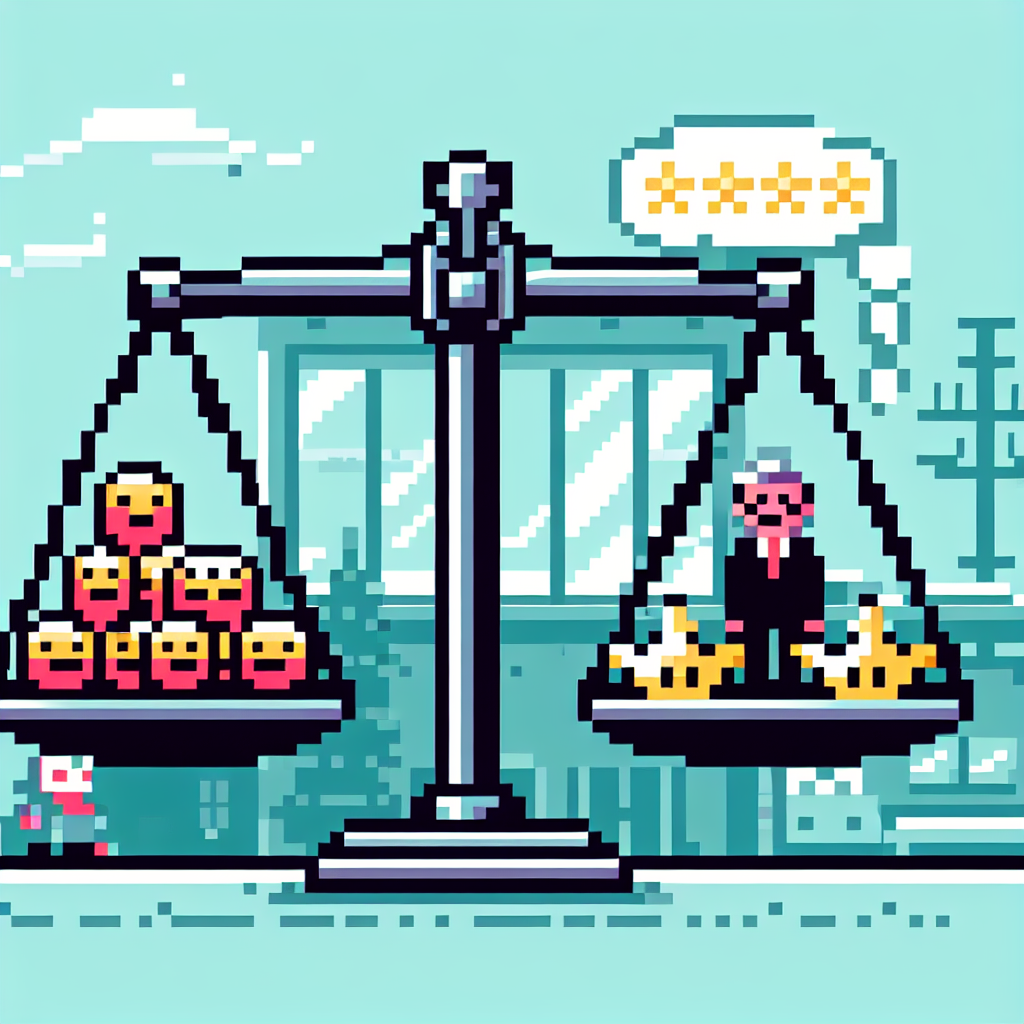
Should Critics Be Metacritic-Style Rated | Analysis by Brian Moineau

When the studio pushes back: Swen Vincke, hurtful reviews, and the idea of scoring critics

Fresh from the fallout over generative AI in Larian’s next Divinity game, Larian CEO Swen Vincke resurfaced on social media this week with a blunt, emotional take: some game reviews aren’t just critical — they’re hurtful and personal. He even floated a provocative remedy: “Sometimes I think it'd be a good idea for critics to be scored, Metacritic-style.” That one line reopened old wounds about reviews, platforms, and what accountability — if any — should look like in games journalism.

Why this matters right now

  • Larian’s recent public debate about generative AI in Divinity set the stage: fans and creators have been arguing passionately about how studios use new tools and what that means for artists and the finished game. (gamespot.com).
  • Vincke’s reaction is personal and timely: he’s defending developers who feel targeted by vitriolic commentary, while also reacting to the stress and visibility studio leads now face online. (gamesradar.com).
  • Proposals to rate reviewers would upend a familiar dynamic — critics already influence buying, discourse, and developer reputations. A rating-for-reviewers system would change incentives, for better or worse. (pushsquare.com).

The short version: what Vincke said

  • He called some reviews “hurtful” and “personal,” arguing that creators shouldn’t have to “grow callus on [their] soul” to publish work. He suggested critics themselves might benefit from being evaluated more visibly — a Metacritic-like scoring for critics. The comment was later deleted, but it captured a wider feeling among some developers. (pushsquare.com).

The context you need

  • The AI controversy: Vincke and Larian had already been defending limited uses of generative AI (idea exploration, reference imagery) after a Bloomberg interview and fan backlash. That flare-up made the studio more sensitive to public criticism while internal decisions were under scrutiny. (gamespot.com).
  • History of aggregated scores: Metacritic and similar aggregators have long been criticized for turning nuanced reviews into single numbers that can tank a game’s perceived success, influence bonuses, and shape public debate. Applying a similar system to critics would flip the script — but not without risk. (pushsquare.com).

Three ways to see the idea

  • As empathy-building:

    • Scoring critics could encourage tone-awareness and accountability. If repeated harshness leads to a lower “trust” score, some reviewers might temper gratuitous cruelty and focus more on fair, evidence-backed critique.
  • As censorship-by-metric:

    • Ratings create incentives. Critics might soften legitimate stances to avoid community backlash or platform penalties, eroding critical independence. A popularity contest rarely rewards tough, necessary criticism.
  • As a platform problem, not an individual one:

    • The core issue often isn’t the critic’s opinion but how platforms amplify mob responses, harassment, and out-of-context quotes. Addressing amplification, harassment, and context — rather than scoring individuals — might be more effective and less corrosive.

The practical pitfalls

  • Gaming the system: Scores can be manipulated with brigading, fake accounts, and review-bombing — precisely the same problems that hurt games on Metacritic and storefronts. (washingtonpost.com).
  • Blurry boundaries between critique and attack: Not every harsh review is a personal attack; not every negative reaction is harassment. Implementing a system that distinguishes tone, intent, and substance is technically and ethically fraught.
  • Power and incentives: Who would run the scoring system? Platforms? Independent bodies? Whoever controls scores shapes discourse — and that introduces new conflicts of interest.

What would healthier discourse look like?

  • Better context on reviews: Publications and platforms could require clearer disclosures (scope of review, version played, reviewer experience) and encourage measured language when critique becomes personal.
  • Platform-level harassment controls: Faster removal of doxxing, targeted abuse, and brigading that moves beyond critique into threats or harassment. (washingtonpost.com).
  • Community literacy: Readers learning to separate a reviewer’s taste from objective issues (bugs, performance, business practices) reduces the emotional pressure on creators and critics alike.
  • Editorial standards and internal accountability: Outlets can enforce codes of conduct and remedial measures when a reviewer crosses ethical lines — without needing a public scorecard that invites retaliation.

Developer fragility vs. public accountability

It’s important to hold both positions as true: developers are human and vulnerable to targeted cruelty; critics and publications serve readers and must be honest and rigorous. The messy part is reconciling emotional harm with the need for frank, sometimes tough criticism that protects consumers and advances the medium.

Things to watch next

  • Whether platforms (X/Twitter, editorial sites, aggregator services) discuss or prototype any “critic rating” features.
  • How outlets and publishers respond to calls for better tone and transparency in reviews.
  • Whether Larian’s public stance changes the tone of developer responses when games receive negative coverage.

Parting thoughts

Scoring critics like games sounds appealing as a quick fix to “mean” reviews, but it risks trading one set of harms for another. A healthier path blends better moderation of abuse, clearer editorial standards, and community education — while preserving the independence that lets critics call out real problems. If Vincke’s comment does anything useful, it’s to remind us that game-making is human work — and that our conversations about it could use more nuance, less bile.

A few practical takeaways

  • Criticism should aim to be precise, evidence-based, and separated from personal attacks.
  • Platforms must reduce the amplification of harassment and improve moderation tools.
  • Developers and outlets should prioritize transparency about process and context to lower misunderstanding.
  • Any system that rates reviewers must be designed to resist manipulation and protect free critique.

My take

Protecting creators from abuse and protecting critical independence aren’t mutually exclusive — but balancing them requires structural fixes, not just scoreboard solutions. Let’s demand accountability from both sides: call out harassment swiftly, and encourage reviewers to be rigorous, fair, and humane.

Sources


Related update: We recently published an article that expands on this topic: read the latest post.


Related update: We recently published an article that expands on this topic: read the latest post.

NCAA Seeks Halt to College Prediction | Analysis by Brian Moineau

When prediction markets meet college sports: who should hit pause?

The headline landed like a buzzer-beater nobody asked for: on January 14, 2026, the NCAA asked the Commodity Futures Trading Commission (CFTC) to suspend prediction markets from offering trades on college sports until stronger guardrails are put in place. That request — delivered in a letter from NCAA president Charlie Baker and amplified at the NCAA Convention — pulls into sharp focus a fast-moving collision between financial innovation, fan engagement, and the fragile integrity of amateur athletics.

This isn't just a regulatory squabble. It touches students, coaches, parents, regulators, market operators and every fan who cares whether a game is decided on the field or by outside incentives.

What happened and why it matters

  • The NCAA formally asked the CFTC on January 14, 2026 to pause collegiate sports markets operated by prediction-market platforms. (espn.com)
  • Prediction markets let users buy and sell contracts on yes/no outcomes (for example: “Will Player X enter the transfer portal?”). They are federally regulated by the CFTC, and many platforms argue they are distinct from state-licensed sportsbooks. (espn.com)
  • The NCAA’s key concerns include:
    • Age and advertising restrictions (prediction markets are often available to 18+ users nationwide, unlike sportsbooks where many jurisdictions set 21+). (espn.com)
    • Stronger integrity monitoring and mandatory incident reporting (sportsbooks in many states must report suspicious activity; the NCAA argues prediction markets lack comparable requirements). (espn.com)
    • Banning or limiting prop-style markets tied to individual athletes (increasing risk of manipulation or harassment). (espn.com)
    • Anti-harassment measures and harm-reduction tools. (ncaa.org)

Why it matters: college athletes are not paid employees in the traditional sense (despite NIL changes), they’re still students whose careers and mental health can be affected by gambling-driven incentives and abuse. Prediction markets—accessible nationally and to younger bettors—create a different risk profile than regulated sportsbooks operating under state gaming laws.

The players on the court

  • NCAA: Focused on athlete welfare and competition integrity; willing to work with the CFTC to design safeguards. (ncaa.org)
  • Prediction market companies (e.g., Kalshi, Polymarket and others): Regulated by the CFTC and argue they operate as financial exchanges offering contracts between traders, not traditional wagering against a house. They have begun adding integrity partners and monitoring tools. (espn.com)
  • CFTC: The federal regulator for event contracts. Historically has allowed event markets but has been cautious about drawing hard lines around sports-related markets. The NCAA’s request asks the agency to take a more active stance. (espn.com)
  • State gaming regulators: Some have moved to restrict or challenge prediction markets, arguing those products violate state wagering laws. Recent enforcement actions and cease-and-desist letters show the state-federal regulatory boundary is contested. (barrons.com)

The core tensions

  • Jurisdiction and labeling
    • Are binary event contracts “financial products” under federal CFTC oversight, or are they sports betting that falls under state gambling laws? The answer determines who writes the rules. (barrons.com)
  • Age and accessibility
    • Many prediction platforms accept 18-year-olds nationwide; sportsbooks in many states restrict college-sports betting to older age groups or ban in-state college betting entirely. That gap concerns the NCAA. (espn.com)
  • Types of markets and harm
    • Prop markets or player-specific questions (transfer portal, injuries, playing time) can create perverse incentives and increase risk of manipulation, harassment, or targeted abuse. (espn.com)
  • Speed of innovation vs. pace of regulation
    • Prediction markets have evolved quickly; regulators and sports governing bodies are scrambling to adapt. That mismatch often leaves safeguards trailing innovation. (barrons.com)

What a workable compromise might look like

  • Temporary moratorium: A pause limited in time that gives regulators and the NCAA room to draft specific safeguards tied to college athletics.
  • Harmonized minimums: Federal rules requiring age verification (21+ for college sports?), targeted advertising restrictions, and robust geolocation enforcement for in-state protections.
  • Integrity reporting: Mandatory, standardized reporting of suspicious activity and cooperation channels between prediction-market operators, leagues, the NCAA and law enforcement.
  • Limits on player-level markets: A ban or strict controls on markets tied to individual athletes’ discrete actions (transfers, injuries, disciplinary outcomes), with exceptions only under university/athlete consent.
  • Independent monitoring and penalties: Third-party integrity firms with transparent methodologies and enforcement mechanisms that include suspensions or delisting of risky markets.

Those steps would mirror many safeguards already required of licensed sportsbooks while recognizing the structural differences of exchange-style prediction products.

How this could play out

  • The CFTC could accept the NCAA’s request and issue a temporary ban or guidance — an outcome that would quickly shape operator behavior and possibly defuse state-level enforcement actions.
  • If the CFTC declines to act, states may intensify enforcement, producing a patchwork of restrictions that platforms must navigate, or litigate — a costly, slow path with inconsistent protections for athletes.
  • Operators might self-impose stricter controls to avoid reputational and legal risk, especially if major leagues and associations amplify their objections.

Either route raises costs and complexity for prediction markets, but also pushes the industry toward clearer rules and stronger athlete protections.

What fans and college communities should watch

  • Will the CFTC respond with emergency measures or a formal rulemaking? Watch for agency statements or action following the NCAA letter (dated January 14, 2026). (espn.com)
  • Are states preparing enforcement actions, or crafting laws specifically addressing prediction markets and college-sports exposure? Recent history suggests more state attention is likely. (barrons.com)
  • How platforms adjust: whether they pull college markets voluntarily, raise minimum ages, or harden integrity controls.

Something only partly covered in the headlines

Prediction markets aren’t inherently villainous: they can provide price discovery for political events, economic forecasts and even fan engagement when done responsibly. The core issue is context. College sports involve unpaid (in the employment sense) student-athletes, academic obligations and developmental stakes that make the same market structure riskier than in professional sports. That nuance should shape tailored rules, not blanket acceptance or reflexive bans.

My take

The NCAA’s ask is forceful but reasonable: when a new market intersects with young athletes’ careers and safety, regulators and operators should err on the side of stronger protections. A coordinated approach led by the CFTC — working with the NCAA and state regulators — that sets baseline safeguards (age, integrity reporting, limits on individual-player markets) would protect athletes without crushing innovation. If regulators balk, expect a messy, uneven landscape of state responses and legal fights that ultimately does more harm than a short, well-scoped pause would.

Where this leaves us

We’re at a crossroads where technology, finance and sports culture clash. The right answer will balance consumer innovation and market freedom with clear protections for vulnerable participants. The NCAA’s letter forced the conversation into the open on January 14, 2026. The next moves from the CFTC, prediction-market operators and state regulators will determine whether college sports get a pragmatic safety net — or whether the growth of prediction markets continues to outpace the rules meant to keep play fair and players safe. (ncaa.org)

Sources


Related update: We recently published an article that expands on this topic: read the latest post.


Related update: We recently published an article that expands on this topic: read the latest post.


Related update: We recently published an article that expands on this topic: read the latest post.


Related update: We recently published an article that expands on this topic: read the latest post.


Related update: We recently published an article that expands on this topic: read the latest post.


Related update: We recently published an article that expands on this topic: read the latest post.