
Paramount Eyes Hostile Bid for Warner Bros | Analysis by Brian Moineau

A corporate cliffhanger: Paramount may try a hostile route to buy Warner Bros.

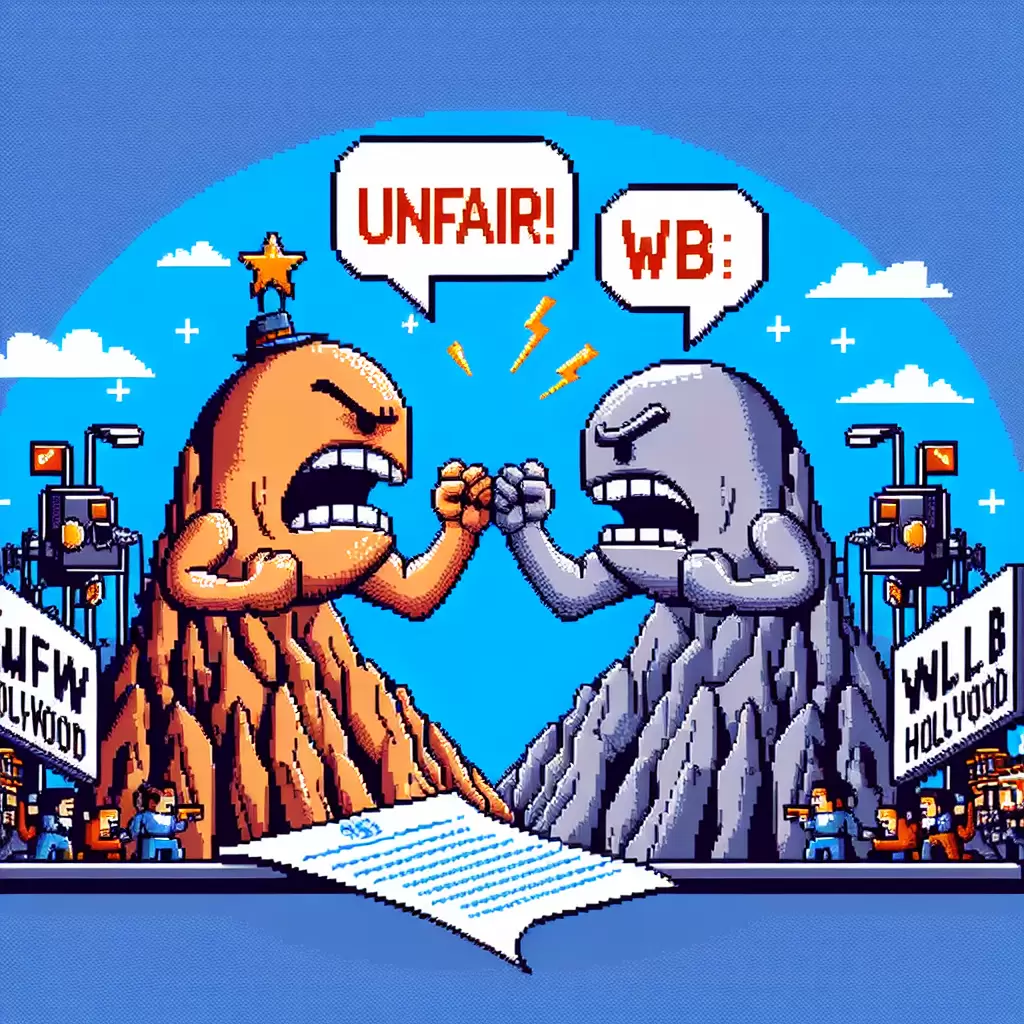
The takeover drama playing out at the top of Hollywood feels like one of those plotlines studios used to pay millions to produce — boardroom tussles, billionaire families, blockbuster IP, and a rival streaming giant walking away with the crown jewels. But the twist that landed over the last week is this: after Netflix won the auction for Warner Bros., reports say Paramount is now considering going straight to Warner shareholders with a hostile bid.

Why this matters (and why it’s thrilling)

  • This is not just about two studios swapping assets. It’s about who controls some of the most valuable franchises and TV libraries in the world — HBO, DC, Warner’s film slate, and vast back catalogs — and the consequences that consolidation would have for theaters, creators, competition, and subscriptions.
  • A hostile approach — taking an offer directly to shareholders rather than winning the board’s blessing — signals a major escalation. It’s a maneuver that invites legal fights, regulatory scrutiny, PR battles, and, possibly, concessions or divestitures to get a deal cleared.

Quick snapshot of what happened

  • Netflix struck an agreement to buy Warner Bros.’ studio and streaming assets in a deal reported in early December 2025, offering a mix of cash and stock that Warner’s board accepted. (The deal is large enough and politically sensitive enough that regulatory review is expected to be intense.)
  • Paramount — backed by the Ellison family and recently active in M&A moves — submitted competing offers during the auction and was reportedly unhappy with how the sale process unfolded.
  • After Netflix’s bid prevailed, reports surfaced that Paramount may bypass the boardroom and take an offer directly to Warner shareholders — the classic hostile-takeover playbook.

The high-stakes players

  • Netflix: The new suitor-turned-owner of Warner’s studios and HBO content (pending regulatory approval), which gains a huge portfolio of franchises and a powerful content library.
  • Warner Bros. Discovery: The seller, which has been restructuring and planned a split of cable assets from its studios and streaming business.
  • Paramount (Skydance/controlled by the Ellison family): The aggrieved bidder reportedly considering a shareholder-level attack to buy Warner outright.
  • Regulators, unions, and theater chains: All stakeholders who could shape how (or if) any mega-deal clears.

Useful context

  • Warner’s assets are unusually valuable because of ongoing streaming demand for high-quality content and well-known IP (DC, Harry Potter-related rights, HBO shows). Combining that with Netflix’s global distribution would create enormous scale.
  • Hostile bids are rare in modern media M&A because the process is messy and attracts intense regulatory and public scrutiny. But when strategic value is high and bidders are wealthy and motivated, boards and management teams sometimes find themselves in the crossfire.
  • Even a successful hostile offer rarely means an instant, clean integration. Regulators often demand divestitures or behavioral remedies, and the combined company may need to sell or spin off parts to satisfy antitrust concerns.

Headline risks and strategic levers

  • Antitrust scrutiny: A Paramount–Warner combo (if attempted) would combine two legacy studios plus major streaming services, which could push box-office and streaming market shares into territory that triggers heavy regulatory pushback.
  • Shareholder calculus: Warner shareholders might like a higher cash offer — but boards often prefer offers that preserve longer-term value (for example, Netflix’s proposal included stock exposure that the board found attractive). Getting shareholders to ignore the board’s recommendation is difficult and costly.
  • Political and public pressure: Unions, theater owners, and public-interest voices are quick to oppose concentration that could shrink creative jobs or theatrical windows.
  • Financing and break fees: Large deals typically include break fees and financing terms that can shape bidders’ willingness to pursue a hostile route.

Options on the table

  • Paramount could launch a tender offer, offering cash at a premium and asking shareholders to sell directly — a fast but aggressive route.
  • Paramount could pursue a proxy fight to change Warner’s board, a slower and riskier path that tries to win shareholder votes to replace directors and approve a deal.
  • Alternatively, Paramount could negotiate for a negotiated sale or carve-outs (less likely now that Netflix has an accepted bid).

What the market and Hollywood should watch next

  • Whether Paramount actually files a tender offer or proxy materials (formal steps are required under U.S. securities rules).
  • Statements from Warner’s board and management explaining why they chose Netflix and whether they’ll recommend shareholders reject a hostile approach.
  • Regulatory signals from the DOJ and international competition authorities — their posture will largely determine how much any buyer must divest.
  • Reactions from creative talent and unions — strong public opposition could sway regulators and complicate integration plans.

A few likely outcomes

  • Paramount blinks and stands down: The costs (legal, regulatory, PR) of a hostile bid outweigh the benefits, especially against a well-capitalized Netflix offer.
  • A limited sale or asset carve-out: Regulators or negotiating parties may push any acquirer to sell or spin off specific assets (e.g., news networks, sports rights) to reduce concentration risk.
  • Extended litigation and regulatory delay: A hostile move could trigger lawsuits, shareholder litigation, and prolonged regulatory review that delays any closing for many months.

My take

This is the kind of corporate theater Hollywood rarely stages but always watches with popcorn in hand. Paramount’s reported willingness to consider a hostile route shows how valuable Warner’s studios and streaming assets are — and how high the stakes remain for control of content in the streaming era.

Even if Paramount ultimately decides not to proceed, the episode will leave scars: it will highlight how boards balance cash now versus strategic upside later, how shareholders are courted during mega-deals, and how regulators and public opinion are front-row players. Whatever happens next, expect drama, negotiations, and a long regulatory road that will reshape the industry’s competitive map.

Things to remember

  • A board’s preference isn’t always the final say — shareholders can be persuaded, but hostile offers are costly and complicated.
  • Regulators are the real wildcard: even a winning tender can be undone or reshaped by antitrust requirements.
  • The fate of theaters, creators, and employees could hinge on the remedies imposed — this isn’t just corporate chess; it affects livelihoods and how audiences experience films and TV.

Sources


Related update: We recently published an article that expands on this topic: read the latest post.
Paramount Accuses Sale Process of Bias | Analysis by Brian Moineau

When the Auction Feels Rigged: Paramount’s Blistering Charge Against Warner Bros. Discovery

The air in Hollywood smells faintly of scorched popcorn and boardroom fireworks. In a high-stakes auction for Warner Bros. Discovery’s prized studio and streaming assets, Paramount — led by David Ellison’s Paramount Skydance — fired off a blistering letter accusing WBD’s sale process of being “tilted” and unfair, singling out Netflix as the apparent favored suitor. The accusation isn’t just corporate chest-thumping; it challenges the integrity of one of the biggest media transactions of the decade and raises questions about how contests for cultural crown jewels are run. (au.variety.com)

Why this matters right now

  • The sale involves iconic IP (Warner Bros. film franchises and HBO content), deep strategic implications for streaming competition, and potential regulatory scrutiny.
  • Paramount is the only bidder offering to buy the entire company; Netflix and Comcast targeted primarily the studio and streaming assets — a material difference in offer scope.
  • Paramount’s charge goes beyond price: it alleges management conflicts of interest, pre-determined outcomes, and preferential treatment that could undermine shareholder duty and competitive fairness. (au.variety.com)

The arc of events (quick background)

  • Warner Bros. Discovery announced a process to solicit offers for its studio and streaming assets after strategic reviews and shareholder pressure.
  • Multiple bidders emerged, with Paramount Skydance proposing an all-cash offer for the entire company, and Netflix and Comcast focused on the studio/streaming pieces.
  • On December 3–4, 2025, Paramount’s lawyers sent a letter to WBD CEO David Zaslav asserting the auction had been “tainted” and urging the formation of an independent special committee to steer a fair process. WBD acknowledged receipt and defended the process. (au.variety.com)

The key points Paramount raised

  • The process appeared “tilted” toward a single bidder, notably Netflix, driven by management “chemistry” and enthusiasm for that outcome. (au.variety.com)
  • Alleged amendments to employment arrangements and possible post-transaction incentives created conflicts that could bias decision-making. (au.variety.com)
  • Paramount emphasized that its bid for the whole company would be more likely to survive regulatory review than a Netflix deal focused only on studios and streaming, and argued shareholders deserved a truly impartial auction. (fortune.com)

What supporters and skeptics will say

  • Supporters of Paramount’s stance:
    • Fair process matters as much as price — procedural integrity protects shareholder value and prevents cozy deals behind closed doors.
    • A full-company bid should be evaluated on its own merits, especially if it better preserves vertical integration and long-term competitive dynamics. (latimes.com)
  • Skeptics will note:
    • Boards routinely weigh operative fit, risk, and likelihood of regulatory approval; preferring a cleaner, mostly-cash deal for studio and streaming assets isn’t automatically nefarious.
    • Saying management “prefers” one bidder can conflate personal enthusiasm with fiduciary assessments about which offer is most likely to close and create value. (reuters.com)

The broader stakes for Hollywood and consumers

  • Market concentration: If Netflix acquires Warner Bros. studios and HBO content, the streaming landscape compresses further around a global player with a vast content library — raising antitrust eyebrows. (theguardian.com)
  • Creative ecosystems: Studio ownership changes can reshape greenlights, theatrical windows, and how franchises are stewarded — decisions that ripple into production jobs and global distribution strategies.
  • Shareholder precedent: How WBD handles this will be watched by other boards and bidders — a perceived compromise in process could chill future deal competition or invite more aggressive legal challenges.

Three takeaways worth bookmarking

  • Process can be as important as price: Allegations of procedural unfairness can derail or delay deals even when the headline numbers are big. (au.variety.com)
  • Scope matters: An all-in acquisition offer carries different regulatory and strategic calculus than carve-outs for studios and streaming. (fortune.com)
  • The optics of “chemistry” and executive incentives are real: Boards must document independent decisions to avoid accusations that outcomes were preordained. (au.variety.com)

My take

This fight reads like a modern Hollywood thriller: huge stakes, larger-than-life brands, and the kind of behind-the-scenes maneuvers investors and creatives will debate for years. Paramount’s letter is a blunt instrument — it’s designed both to defend a competitive bid and to force procedural transparency. Even if WBD believes Netflix’s offer is objectively superior, the board now faces a reputational and legal risk if it can’t demonstrate a documented, disinterested evaluation. In short: winning the auction won’t be the end of the story — proving the auction was fair might be just as important. (au.variety.com)

Final thoughts

Auctions for cultural empires are messy and emotional because they touch franchises people grew up with and powerful public brands. Whether this turns into litigation, regulatory review, or a negotiated close, the episode underscores something simple: in media M&A, what looks like a business decision quickly becomes a story about power, stewardship, and the future of storytelling itself.

Sources


Related update: We recently published an article that expands on this topic: read the latest post.
Ellisons Bold Move for Warner Bros | Analysis by Brian Moineau

David Ellison’s Pursuit of Warner Bros. Discovery: The Trump Card in Play

In the fast-paced world of Hollywood, where mergers and acquisitions often feel more like a high-stakes game of poker, one name is making headlines: David Ellison. The CEO of Skydance Media is reportedly undeterred in his pursuit of Warner Bros. Discovery (WBD), despite facing rebuffs on his initial offers. But what sets Ellison apart in this high-stakes game? Could it be that he holds a “Trump card”—literally?

Context and Background

The media landscape has been shifting dramatically in recent years, with major players like Warner Bros. Discovery navigating financial challenges and strategic pivots. As they look to stabilize their footing, the prospect of an acquisition or merger becomes not just a possibility but a necessity for growth and sustainability. Enter David Ellison, a name synonymous with ambitious storytelling and groundbreaking projects.

Ellison’s Skydance has made waves with blockbuster hits and innovative partnerships, positioning him as a serious contender in the acquisition arena. According to insiders, his allies argue that he is the only buyer who could pass muster with regulators from the Trump administration. This is a key factor, as regulatory scrutiny can make or break deals in today’s climate, especially in an industry that’s constantly under the microscope for its consolidation trends.

What makes this situation even more intriguing is Ellison’s resilience. Despite being rebuffed three times by WBD, sources say he remains undeterred, suggesting a level of tenacity that’s becoming increasingly rare. In a business where rejection is often part of the game, Ellison’s persistence could be what ultimately sets him apart.

Key Takeaways

David Ellison’s Tenacity: Despite three rejections from Warner Bros. Discovery, he continues to pursue the deal with unwavering determination. – Regulatory Landscape: Ellison’s connections and understanding of regulatory nuances may give him an edge over other potential buyers. – Industry Shifts: The media landscape is constantly evolving, making strategic acquisitions crucial for survival and growth. – The Importance of Relationships: Building alliances and having the right connections can significantly influence the outcome of high-stakes negotiations.

Conclusion

As the battle for Warner Bros. Discovery unfolds, David Ellison’s pursuit serves as a reminder of the complex dynamics at play in the entertainment industry. His persistence, coupled with a keen understanding of the regulatory environment, positions him as a formidable player in this game. Whether or not he ultimately secures a deal, Ellison’s journey is a testament to the ever-evolving landscape of media and the strategic maneuvers that define it.

In an industry where change is the only constant, staying adaptable and resilient is key. If nothing else, Ellison’s determination reminds us that sometimes, the most significant victories come from the willingness to keep playing the game—even when the odds seem stacked against you.

Sources

– CNN Business. “David Ellison may have a ‘Trump card’ — literally — in Warner Bros. Discovery pursuit.” [CNN](https://www.cnn.com/2023/business) (Please replace with a direct link to the article for accurate referencing).

By focusing on the strategic implications of Ellison’s pursuit and the broader trends in the media industry, this blog post aims to engage readers while optimizing for search visibility, making it an informative read for anyone interested in the future of entertainment.


Related update: We recently published an article that expands on this topic: read the latest post.

“Lost” Star Daniel Dae Kim Just Called Out The “Overcorrection” In “Ethnic-Specific Casting,” And He Did Not Stutter – BuzzFeed | Analysis by Brian Moineau

“Lost” Star Daniel Dae Kim Just Called Out The “Overcorrection” In “Ethnic-Specific Casting,” And He Did Not Stutter - BuzzFeed | Analysis by Brian Moineau

Title: Navigating the Nuance: Daniel Dae Kim on Ethnic-Specific Casting in Hollywood

In a recent interview with BuzzFeed, Daniel Dae Kim, famed for his role in "Lost," deftly tackled the complex issue of ethnic-specific casting in Hollywood. His insights have sparked widespread admiration across social media, leaving many, including myself, marveling at his articulation of a deeply nuanced topic.

Daniel Dae Kim's commentary highlighted what he perceives as an "overcorrection" in Hollywood's casting practices. He acknowledged the industry's efforts to rectify historical underrepresentation but cautioned against swinging too far in the opposite direction. His thoughtful analysis reminds us of the delicate balance between authenticity and inclusivity—a balance that Hollywood, and indeed other industries, must strive to achieve.

Kim's perspective is particularly relevant in today's cultural landscape, where conversations about representation and diversity are front and center. His remarks call to mind similar discussions in other sectors, such as the tech industry's ongoing struggle with diversity. Just as Hollywood has been called out for its casting choices, tech giants have faced scrutiny over their predominantly homogenous workforces. Both industries are grappling with how to implement meaningful change without veering into tokenism or performative diversity.

Outside of his insightful interviews, Daniel Dae Kim is known for his advocacy work, particularly in support of Asian American and Pacific Islander (AAPI) communities. He has consistently used his platform to speak out against anti-Asian hate, especially in light of the pandemic's exacerbation of racial tensions. His commitment to these causes adds weight to his words on casting and representation—he speaks not just as an actor but as a genuine advocate for change.

Kim's reflections also invite us to consider the broader implications of representation in media. As audiences, we have a role to play in supporting diverse stories and voices. The success of films like "Black Panther" and "Crazy Rich Asians" demonstrated that there is a significant audience for stories that reflect the diversity of the real world. These films' box office triumphs challenge the outdated notion that diverse casts are a financial risk.

In the end, Daniel Dae Kim's commentary is a reminder of the power of nuance in discussions about representation. His ability to acknowledge progress while advocating for thoughtful, balanced approaches is a model for how we can engage with complex issues. As Hollywood—and other industries—continue to evolve, it is voices like Kim's that will help guide the way forward.

Final Thought: As we navigate these conversations, let's remember that progress is a journey, not a destination. By championing nuanced dialogue and meaningful representation, we can work towards a media landscape that truly reflects the diversity of our world.

Read more about AI in Business

Read more about Latest Sports Trends

Read more about Technology Innovations

Tech industry tried reducing AI’s pervasive bias. Now Trump wants to end its ‘woke AI’ efforts – AP News | Analysis by Brian Moineau

Tech industry tried reducing AI’s pervasive bias. Now Trump wants to end its ‘woke AI’ efforts – AP News | Analysis by Brian Moineau

Title: Navigating the Crossroads: AI, Bias, and the Quest for Balance

In a world where technology intertwines with every facet of our lives, the journey towards creating equitable AI systems has become a central narrative. Recently, the debate has taken a new turn with former President Donald Trump’s opposition to what he calls “woke AI” efforts, potentially shifting the tech industry’s direction. This development is reminiscent of a world on the brink of a technological crossroads, where the balance between innovation and ethics is more crucial than ever.

Artificial intelligence, once a fantastical concept, is now a tangible part of our everyday lives. From voice-activated assistants to personalized content recommendations, AI’s reach is extensive. However, the technology’s pervasive bias has been a point of contention, as highlighted in a recent article from AP News. The piece discusses how industry leaders, like Google, have made strides towards inclusivity by collaborating with experts, such as sociologist Ellis Monk, to ensure AI products serve a diverse global population. This drive for inclusivity isn’t just a moral imperative but also a business necessity in a world where nearly two-thirds of the population comprises people of color.

Yet, as with many progressive initiatives, resistance has emerged. Former President Trump’s call to end “woke AI” efforts reflects a broader cultural and political pushback against initiatives perceived as overly progressive or pandering to political correctness. This sentiment echoes a recurring theme in global politics, where technological advancements are scrutinized through the lenses of ideological belief.

The tech industry’s battle with bias isn’t new. As AI systems learn from vast datasets, they inadvertently mirror the prejudices embedded in those data. A well-documented example is the facial recognition technology that performs better on lighter skin tones than darker ones. This discrepancy has led to wrongful arrests and misidentifications, stirring public outcry and legislative scrutiny. It’s a reminder of the profound impact AI can have when it fails to account for diversity.

The significance of addressing AI bias extends beyond tech circles. In healthcare, biased algorithms can lead to disparities in treatment recommendations. In finance, they can affect loan approvals. The ripple effect of unaddressed bias in AI systems can perpetuate systemic inequalities, making the quest for fair AI not just a tech issue but a societal one.

Parallel to the tech world, the entertainment industry has faced similar reckonings. Hollywood, for instance, has been under pressure to diversify its storytelling and representation, recognizing the power of media to shape societal norms. The recent success of films like “Black Panther” and “Crazy Rich Asians” showcases the commercial viability of inclusivity, mirroring the tech industry’s realization that diversity drives innovation and growth.

Returning to Ellis Monk, his role in this narrative is crucial. As a sociologist and a voice for inclusivity, his contributions are a testament to the interdisciplinary approach needed to tackle AI bias. His work underscores the importance of blending social sciences with technological development to create systems that are not only efficient but also equitable.

As we stand at this technological crossroads, it’s essential to consider the broader implications of halting efforts to make AI more inclusive. While the debate over “woke AI” continues, it serves as a reminder of the delicate balance between innovation and ethics. The tech industry’s challenge is not just to create smarter systems but to ensure those systems work for everyone.

In conclusion, the journey towards inclusive AI is far from over. It requires a concerted effort from technologists, policymakers, and society at large to navigate the complexities of bias and ensure technology serves as a force for good. As we move forward, let us remember that the true measure of progress is not just in the sophistication of our technology but in its ability to uplift and empower all individuals, regardless of their background.

Read more about AI in Business

Read more about Latest Sports Trends

Read more about Technology Innovations


Related update: We recently published an article that expands on this topic: read the latest post.

15 Very Specific Things Non-Americans Literally Travel To The US Just To Buy – BuzzFeed | Analysis by Brian Moineau

15 Very Specific Things Non-Americans Literally Travel To The US Just To Buy - BuzzFeed | Analysis by Brian Moineau

Title: The Allure of the American Red Cup and Other Quirky Travel Motivations

Ah, the iconic red solo cup! For many Americans, it's a ubiquitous party staple, found at college gatherings, backyard barbecues, and even in the hands of characters at fictional house parties on TV. Yet, for some international travelers, this simple piece of plastic holds a mystique that prompts a visit to the United States.

In a recent BuzzFeed article, "15 Very Specific Things Non-Americans Literally Travel To The US Just To Buy," the red cup stands out as a surprisingly sought-after item. Its cultural significance is akin to a symbol of Americana, often evoking images of fun, freedom, and youthful exuberance. The cup’s appearance in countless Hollywood movies and TV shows has cemented its status as a quintessentially American icon, much like apple pie or baseball.

But why exactly do people travel miles to procure something so seemingly mundane? The answer lies in the cup's representation of the American lifestyle—a lifestyle that is both fascinating and somewhat exotic to those on the outside looking in. It's a tangible way to capture the essence of American culture, a souvenir with utility and cultural cachet.

Interestingly, this phenomenon isn't just limited to red cups. The BuzzFeed article highlights other American oddities that draw international shoppers, such as Reese’s Peanut Butter Cups, Levi’s jeans, and even novelty breakfast cereals like Lucky Charms. Each of these items represents a slice of the American experience, packaged and ready for export.

This trend of traveling for specific goods isn't unique to the US. Around the world, people often journey to Italy for authentic Parmesan cheese, to Japan for the latest tech gadgets, or to France for luxury fashion. It’s a testament to how global culture is shaped by the unique offerings of individual nations and how these offerings become coveted by those from afar.

On a broader scale, this consumer behavior reflects a world that is increasingly interconnected yet still deeply rooted in local traditions and specialties. As global travel becomes more accessible, the desire to experience and take home a piece of another culture grows stronger. This isn't just about buying stuff; it's about the stories and experiences that these items embody.

In the current global context, where the world is gradually emerging from the shadows of the pandemic, such travel motivations are a reminder of the simple joys of exploration and cultural exchange. It’s heartening to see people eager to venture out and connect with different parts of the world, one red cup at a time.

In conclusion, while the red solo cup may seem like a trivial item to many Americans, it's a powerful symbol of cultural exchange. Its allure and the journey it inspires speak to the universal human desire to connect, explore, and experience the world beyond our borders. So, next time you spot a red cup at a party or on-screen, remember, it’s more than just a cup—it’s a piece of Americana that has captured the world's imagination.

Read more about AI in Business

Read more about Latest Sports Trends

Read more about Technology Innovations