Blaydes’ Costly Toll After UFC 327 War | Analysis by Brian Moineau

The price of an instant classic: Curtis Blaydes didn’t walk away unscathed after his Fight of the Night against Josh Hokit at UFC 327

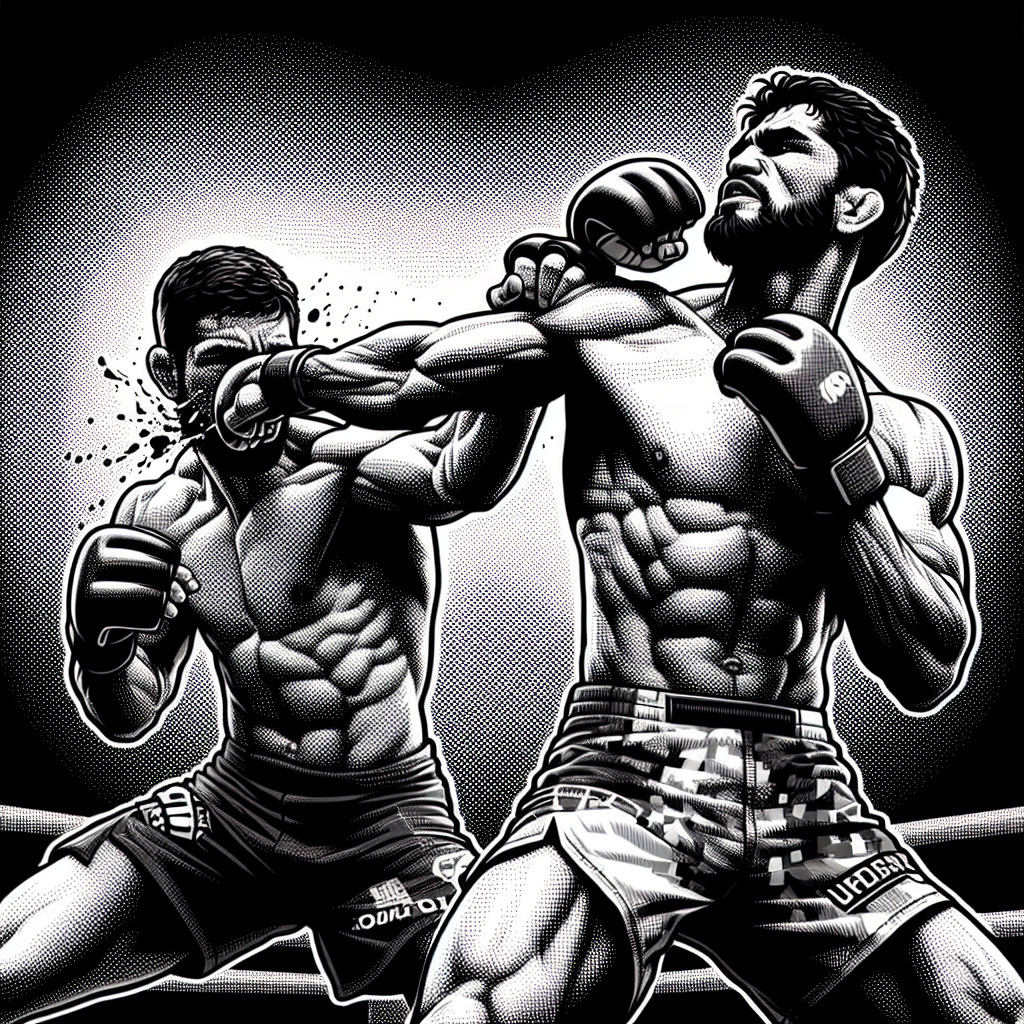
The first thing people will remember from UFC 327 is the kind of heavyweight war that makes you forget about rankings for a night. Curtis Blaydes didn’t walk away unscathed after his Fight of the Night against Josh Hokit at UFC 327, and the damage tells a story as wild as the three rounds themselves. What began as a pulse-raising, back-and-forth slugfest ended with both men bleeding, battered—and, crucially, with Blaydes carrying facial fractures that underline just how thin the margin is between glory and physical cost in elite MMA.

This was more than a loss on Blaydes’ record; it was a visceral reminder that fights deemed “instant classics” often come with a real medical bill.

Why the fight mattered

Blaydes entered the cage as a seasoned top-five heavyweight whose resume includes title-chasing runs and marquee matchups. Josh Hokit arrived as an unbeaten, hungry prospect whose pressure and volume had already made waves. The narrative—veteran vs. rising star—played out exactly as promoters dream it will: striking exchanges that tested chin, cardio and composure.

But the stakes weren’t just about career trajectories. For fans and pundits, this bout owed a stylistic thrill: Hokit’s non-stop output versus Blaydes’ mix of wrestling and heavy hands. For the fighters, it was a chance to shift momentum in a division that constantly seeks new challengers.

Curtis Blaydes didn’t walk away unscathed after his Fight of the Night against Josh Hokit at UFC 327

In the immediate aftermath, headlines focused on the fight’s quality—and rightly so. Yet the next development was medical: Blaydes sustained a fractured orbital and a fractured nose during the bout, according to his management. Those injuries help explain the swelling and the battered look he carried into the locker room, and they raise questions about recovery timelines and how this fight will shape his next steps in the heavyweight picture. (mmafighting.com)

  • A fractured orbital can affect vision temporarily and requires careful management to avoid long-term problems.
  • A broken nose, while common in combat sports, still forces altered breathing patterns and often surgery if the deviation impedes function.
  • Both injuries together mean Blaydes will need time—and smart medical care—before even considering a return.

The anatomy of a brutal three rounds

Transitioning from the headlines to the cage: the bout was a chess match with hammers. Hokit’s pressure and combinations found seams, while Blaydes’ power and wrestling threatened to change the tone whenever the fight hit the fence. The third round showcased why both earned Fight of the Night honors: each man traded lead changes, momentum swings and sustained violence that kept everyone guessing.

Fights like this take their toll in two ways: immediate traumatic injury and the cumulative wear that follows. For Blaydes, the visible facial fractures are the acute consequence. For both fighters, the head trauma and exhaustion linger beyond the final horn and must factor into how their camps plan recovery and (when appropriate) return.

What this means for Blaydes’ career

Short-term, expect Blaydes to pause and focus on recovery—and that’s not negotiable. Operations or reconstructive input may be required depending on the final medical assessments. That influences timing for any comeback and could push him out of contention windows when matchmakers are aligning title paths.

Long-term, however, a rugged performance—even in a loss—can revitalize a fighter’s narrative. Blaydes showed durability, heart and an ability to engage in high-level exchanges. That matters in a division where reputation and marketability intersect with rankings. A head-turning loss sometimes yields more opportunities than a quiet win.

The division beyond the damage

Meanwhile, Hokit’s win gives the heavyweight division a fresh story arc. Beating Blaydes in such a memorable way stakes Hokit’s claim as more than a prospect; it proposes him as a legitimate piece in matchmaking conversations. For fans, this is healthy: the heavyweight class has been searching for consistent, watchable contenders beyond the usual suspects.

That said, the division’s landscape is fragile, and injuries—like Blaydes’—reshape match possibilities overnight. Promoters must juggle momentum, athlete safety and the business of compelling matchups. Expect UFC scheduling to be cautious with Blaydes until medical clearance appears.

Lessons from the spill of blood and glory

  • High-risk, high-reward fights generate headlines and bonuses—but they also generate downtime.
  • Fighters and teams must prioritize long-term health over short-term routing. The public wins from the spectacle don’t justify rushed comebacks.
  • For the casual fan, a great fight is entertaining; for practitioners, it’s a case study in balancing aggression with preservation.

What to watch next

Transitioning forward, keep an eye on several markers:

  • Official medical updates from Blaydes’ camp about surgery or recovery timelines.
  • Matchmaking signals: whether the UFC markets Blaydes toward a quick bounce-back or places him on a longer shelf.
  • Hokit’s next opponent—how quickly the promotion capitalizes on his momentum will shape the division’s narrative.

Final thoughts

There’s a romantic streak in combat sports that glorifies wars. We celebrate fighters who leave everything in the cage, and rightfully so. But nights like UFC 327 also expose the ledger—raw injuries and recovery ahead. Curtis Blaydes’ fractured orbital and nose are a sobering footnote to what was otherwise an electrifying Fight of the Night. The bout will be rewatched for its intensity; it should also be remembered as a prompt to respect the recovery that follows even the most memorable victories and defeats.

The heavyweight division just got a new chapter. It’s a gritty one—marked by blood, bravery and the slow, patient work of healing.

Sources


Related update: We recently published an article that expands on this topic: read the latest post.

Related update: We recently published an article that expands on this topic: read the latest post.

Benavidez Dominates Yarde, Targets Ramirez | Analysis by Brian Moineau

David Benavidez pulverizes Anthony Yarde in Riyadh and immediately sets his sights on Zurdo Ramirez

An electric night in Riyadh ended with David “The Monster” Benavidez reminding the boxing world why he’s one of the sport’s most dangerous punchers — and why his plans don’t stop at light heavyweight. In a seventh-round TKO, Benavidez dismantled Anthony Yarde to retain the WBC light-heavyweight crown, then announced a blockbuster move up to cruiserweight to challenge Gilberto “Zurdo” Ramirez. The result was clinical, the post-fight declaration bold, and boxing’s landscape just tilted again.

Quick hits from the night

  • Location: ANB Arena, Riyadh, Saudi Arabia.
  • Result: David Benavidez defeated Anthony Yarde by TKO (7th round).
  • Stakes: Benavidez retained the WBC light-heavyweight title.
  • Immediate announcement: Benavidez said he’ll move up to cruiserweight to face Gilberto “Zurdo” Ramirez on May 2 (reported as being aimed for Las Vegas).
  • Why it matters: Benavidez not only defended his belt but telegraphed ambitions to be a three-division titlist — a storyline that reshapes match-making at 175 and 200+ pounds.

How the fight played out

Benavidez paced himself early, using range and feints to measure Yarde. Once he turned the pressure up, the bout became a textbook display of his strengths: tireless forward momentum, volume punching, and sudden, brutal bursts that left Yarde on the back foot. As the rounds progressed, Benavidez moved from probing jabs to waves of combinations that tested Yarde’s chin and resolve.

The referee stepped in late in round seven after Benavidez had Yarde trapped and unloading. There was controversy in the round — Benavidez landed while Yarde took a knee and was penalized a point — but that did little to change the trajectory. When the stoppage came it felt inevitable: Benavidez had broken the British challenger down with relentless work rate and accuracy.

Why this matters beyond one result

  • Benavidez cemented his status as a top light-heavyweight and a genuine threat to the division’s elite — especially Dmitry Bivol, who holds multiple titles at 175. Benavidez’s size, speed and finishing ability make him a stylistic problem for most top light-heavyweights.
  • The announced jump to fight Gilberto “Zurdo” Ramirez at cruiserweight changes the narrative. If that matchup happens, Benavidez would be testing his power and frame against bigger men, pursuing multi-division legacy. That’s an attention-grabbing, high-reward — and high-risk — career move.
  • For Anthony Yarde, the loss raises questions about taking another elite-level step. He showed heart and moments of effectiveness, but again came undone against sustained pressure from a volume puncher. Yarde’s future at the top level may hinge on how he adjusts to that style or whether he chooses different matchups.
  • Promoters and networks will now juggle bigger picture options: Benavidez vs. Bivol, Benavidez vs. Artur Beterbiev, or Benavidez moving up to Ramirez. Each path has different commercial and sporting implications.

What the numbers and performances suggest

  • Benavidez is undefeated and now has multiple stoppages at light-heavyweight since moving up. His work rate and punch output stood out: not just landing power shots, but chaining combinations that accumulated damage.
  • Yarde remained dangerous in spots — single big shots and flashes of countering ability — but he struggled to consistently create separation or sustain offense against Benavidez’s pressure.
  • The immediate claim that May 2 would host Benavidez vs. Ramirez is significant but still needs contracts and confirmation from both camps and sanctioning bodies. Announcements from a fighter or promoter are one thing; finalized, signed purses and dates are another. The likely stage (Las Vegas) and the involvement of Golden Boy (Ramirez’s promoter) were reported in the aftermath.

Three main takeaways

  • Benavidez is not just a big light-heavy — he’s a relentless pressure fighter with finishing instincts who has arrived as a marquee champion at 175.
  • The proposed move to fight Gilberto “Zurdo” Ramirez could vault Benavidez into a rarefied legacy conversation — if he succeeds against bigger opposition.
  • Matchmaking and title unification at light-heavy could pivot depending on Benavidez’s next move: stay and chase Bivol/Beterbiev, or chase history by moving up.

My take

There’s something unapologetically cinematic about Benavidez’s trajectory: a powerful, aggressive fighter who keeps stepping into progressively bigger rooms. The Yarde win was both a statement and an audition — it said: I’m the kind of champion who doesn’t just keep belts, he seeks harder enemies. Moving to challenge Ramirez at cruiserweight is risky and smart at the same time; risk because size and style differences at 200+ pounds are real, smart because the reward — multi-division status and mainstream buzz — can be enormous.

If Benavidez wants to be remembered as one of the era’s true threats, he has to keep choosing the hardest questions. Tonight he answered one decisively. The next one — against Ramirez or another big name — will tell us whether he’s a two-weight terror or a generational force.

Sources


Related update: We recently published an article that expands on this topic: read the latest post.


Related update: We recently published an article that expands on this topic: read the latest post.

Ilia Topuria makes case for being UFC’s pound-for-pound best with first-round KO of Charles Oliveira – AP News | Analysis by Brian Moineau

Ilia Topuria makes case for being UFC's pound-for-pound best with first-round KO of Charles Oliveira - AP News | Analysis by Brian Moineau

Ilia Topuria: The Meteoric Rise to UFC's Pound-for-Pound Pinnacle


In the high-octane world of mixed martial arts, where careers are often defined by fleeting moments of brilliance or devastation, Ilia Topuria has just carved his name into the annals of UFC history. With a jaw-dropping first-round knockout of Charles Oliveira at UFC 317, Topuria didn't just claim the vacant lightweight championship; he made a compelling case for being the best pound-for-pound fighter on the planet.

The Meteor Moment


Topuria's victory was nothing short of spectacular. With a devastating right hand, he sent Oliveira, a seasoned and respected veteran, crashing to the canvas. The fight was over almost as soon as it began, showcasing Topuria's explosive power and precision. This wasn't just a win; it was a statement—a declaration that a new era in the lightweight division has begun.

A Star in the Making


Born in Germany to Georgian parents and raised in Spain, Ilia Topuria embodies a unique blend of cultures that contributes to his distinctive fighting style. His rapid rise through the ranks of the UFC has been marked by a series of emphatic victories, each more impressive than the last. Topuria's background in Greco-Roman wrestling combined with his striking prowess makes him a formidable opponent for anyone in the octagon.

Beyond his physical attributes, Topuria's mental fortitude sets him apart. In a sport where confidence can make or break a fighter, his composure under pressure and ability to adapt mid-fight have been critical to his success. This adaptability was on full display against Oliveira, as Topuria seized the moment with clinical precision.

The Global Context


Topuria's rise comes at a fascinating time not only for the UFC but also in the broader landscape of sports. In 2023, the world of athletics is witnessing a new wave of talent across various disciplines. From track and field to soccer, young athletes are stepping up and challenging the status quo, much like Topuria is doing in the UFC.

This phenomenon isn't just limited to sports. In arenas ranging from technology to art, a new generation is reshaping industries with fresh perspectives and innovative approaches. Topuria's ascent mirrors this global shift, as he brings a new energy to a sport that thrives on evolution and reinvention.

Final Thoughts


Ilia Topuria's victory at UFC 317 is not just another fight to add to the record books; it's the dawn of a new chapter in MMA history. As he continues to climb the pound-for-pound rankings, the world will be watching to see how far this young star can rise. With his blend of skill, strategy, and charisma, Topuria is not just a fighter to watch—he's a fighter who could very well define the next era of the UFC.

Whether you're a die-hard UFC fan or a casual observer of the sport, keep an eye on Ilia Topuria. His journey promises not just victories, but the kind of thrilling moments that remind us why we love sports in the first place. The octagon is his stage, and right now, there's no one performing quite like him.

Read more about AI in Business

Read more about Latest Sports Trends

Read more about Technology Innovations