Billionaires $50M Golf Course for Love | Analysis by Brian Moineau

The Ultimate Flex: A Billionaire Golf Course for Love

When it comes to showing love, some people buy flowers or jewelry, while others might opt for a private island. And then you have David D. Halbert—a billionaire who took romantic gestures to a whole new level by commissioning a stunning $50 million golf course in Texas so his wife could “swing like an idiot.” Yes, you read that right! Forget fancy Ferraris and priceless Picassos; Halbert’s no-budget golf course is the ultimate flex.

A Love Story with a Fairway Twist

David D. Halbert, a new member of the Forbes 400, made headlines recently for his extravagant gesture that reflects not just his wealth but also his affection for his wife. The 18-hole course was designed by renowned golf course architect Tom Fazio, known for creating some of the most breathtaking greens across the United States. Halbert’s vision? A personal playground for his wife to enjoy, complete with every amenity imaginable.

This bold move isn’t just about luxury; it highlights a growing trend among the ultra-wealthy to invest in personal spaces that cater to their interests and passions. Whether it’s a lavish home gym, a private art gallery, or, in Halbert’s case, a golf course, these investments can often be seen as extensions of one’s identity.

Halbert’s decision also taps into the community aspect of golf, where friends and family can gather to enjoy not just the sport but also the company. In a world where time is a luxury, creating a private space for leisure and bonding is an appealing proposition for many.

Key Takeaways

Love Beyond Limits: David Halbert’s golf course is a testament to the lengths some will go to for love, showcasing how personal interests can drive extravagant investments.

A New Trend: The ultra-wealthy are increasingly prioritizing personal spaces that reflect their passions, whether it’s golf, art, or fitness.

Community & Connection: Golf courses serve as venues for connection, allowing families and friends to bond over a shared passion, further justifying such lavish expenditures.

Architectural Excellence: Collaborating with top-tier architects like Tom Fazio enhances the value of these investments, ensuring they are not just luxurious but also visually stunning and well-designed.

Mindset Shift: The move away from traditional luxury items (like cars and art) towards experiences and personal spaces showcases a shift in how wealth is perceived and utilized.

A Final Swing

David D. Halbert’s extravagant golf course is more than just a lavish gift; it’s a reflection of a deeper sentiment: love, passion, and the desire for connection. In a world that often measures success by material possessions, Halbert’s gesture reminds us that sometimes the most meaningful investments are those that foster relationships and create unforgettable experiences. After all, isn’t that what life is all about?

Sources

1. Forbes. “This Billionaire Built A $50 Million Golf Course So His Wife Had A Place To ‘Swing Like An Idiot’.” [Forbes](https://www.forbes.com)
2. Golf Digest. “Tom Fazio Designs: The Art of Golf Course Architecture.” [Golf Digest](https://www.golfdigest.com)

By sharing this story, we hope to inspire others to think outside the box when it comes to showing affection. Whether it’s a round of golf or a simple picnic in the park, creating moments together is what truly counts.


Related update: We recently published an article that expands on this topic: read the latest post.

America’s 10 Most Expensive ZIP Codes Revealed—From Miami to Malibu – Realtor.com | Analysis by Brian Moineau

America’s 10 Most Expensive ZIP Codes Revealed—From Miami to Malibu - Realtor.com | Analysis by Brian Moineau

Unlocking the Secrets of America's Most Expensive ZIP Codes: From Sun-Kissed Shores to Glamorous Heights

Ah, ZIP codes—those little strings of numbers that define and divide our world, often acting as a status symbol in the realm of real estate. Recently, Realtor.com unveiled its list of America’s 10 Most Expensive ZIP Codes, and it’s a fascinating peek into the crème de la crème of U.S. neighborhoods. From the sun-soaked beaches of Miami to the star-studded hills of Malibu, these areas are more than just digits; they are a reflection of the economic, cultural, and social tapestry of America.

Miami: More Than Just Beaches and Parties

Miami, often perceived as a playground for the rich and famous, has secured its spot on this prestigious list. But there's more to this city than just its nightlife and stunning coastline. Miami is increasingly becoming a hub for tech entrepreneurs and creatives, earning the nickname "The Silicon Valley of the South." With companies like Spotify expanding their presence and major art events like Art Basel Miami Beach, the city is a melting pot of innovation and culture.

In fact, Miami's allure isn't just about opulence. It's about a lifestyle that combines work and play, where business executives might start their day with a beachfront run and end it at a chic rooftop bar. The city's inclusion in the list signals its evolving identity—one that is as much about high culture and technology as it is about luxury.

Malibu: Where Hollywood Meets Home

Moving across the country to Malibu, this ZIP code needs no introduction. Known for its breathtaking cliffs and celebrity residents, Malibu is synonymous with luxury. But beyond its glamorous façade, Malibu has a strong sense of community and environmental consciousness. The residents here are not just about living lavishly; they’re also about protecting the stunning natural beauty that surrounds them.

In recent years, Malibu has also been the focus of climate change discussions, particularly after the devastating Woolsey Fire in 2018. This has led to increased awareness and efforts toward sustainable living, even in the most luxurious of settings. The juxtaposition of wealth and environmental vulnerability in Malibu is a poignant reminder of the broader challenges facing many affluent communities worldwide.

Connecting the Dots: A Global Perspective

These ZIP codes are more than just local phenomena; they are part of a global network of affluent neighborhoods facing similar trends and challenges. From London’s Kensington to Hong Kong’s The Peak, high-value neighborhoods around the world are grappling with issues like housing shortages, environmental concerns, and the impact of globalization.

Interestingly, in the wake of the COVID-19 pandemic, there has been a noticeable shift in the real estate market. Remote work has enabled more people to seek homes outside traditional urban centers, leading to increased demand—and prices—in previously overlooked areas. This trend is reshaping real estate markets globally, as people prioritize space and lifestyle over proximity to urban workplaces.

Final Thoughts: More Than Just Numbers

Ultimately, these ZIP codes are more than just a collection of numbers; they represent dreams, aspirations, and the ever-evolving definition of luxury. Whether it’s the cultural vibrancy of Miami or the serene beauty of Malibu, these neighborhoods offer a glimpse into the diverse ways people choose to live extravagantly.

In a world where real estate can serve as both a sanctuary and a status symbol, understanding these ZIP codes helps us appreciate the broader social and economic forces at play. They remind us that while luxury has its price, it also reflects the values and priorities of those who choose to call these places home.

So, whether you're dreaming of a beachfront condo in Miami or a hillside retreat in Malibu, remember: it's not just about the ZIP code—it's about the lifestyle and community that come with it. And that, perhaps, is the true luxury of all.

Read more about AI in Business

Read more about Latest Sports Trends

Read more about Technology Innovations

Dollar Tree raises red flag about unexpected customer behavior – TheStreet | Analysis by Brian Moineau

Dollar Tree raises red flag about unexpected customer behavior - TheStreet | Analysis by Brian Moineau

Unpacking the Dollar Tree Dilemma: A Lighthearted Dive into Consumer Curiosities


In the ever-evolving world of retail, where trends can shift as quickly as a TikTok dance craze, Dollar Tree has recently raised an intriguing red flag concerning unexpected customer behavior. While the original article from TheStreet might have approached this topic from a business-centric perspective, let's take a moment to explore this retail conundrum with a touch of whimsy and broader context.

The Dollar Tree Phenomenon: More Than Just a Store


Dollar Tree isn't just a discount haven; it's a cultural staple. For many, it's the place where you can find everything from party supplies to the oddly satisfying array of seasonal decorations. However, this beloved budget-friendly chain is witnessing a shift in customer behavior that's got them scratching their heads.

Whether it's customers buying in bulk or opting for items they wouldn't have considered before, these changes could be a reflection of broader economic uncertainties. With inflationary pressures still lingering in many parts of the world, consumers are more price-conscious than ever. It's interesting to see how Dollar Tree, a store that thrives on the allure of affordability, is responding to these shifts.

Retail Therapy Meets Real World Challenges


This trend isn't occurring in isolation. Across the retail landscape, companies are grappling with changing consumer habits. For instance, during the pandemic, we saw a surge in online shopping—a habit that many have retained. Similarly, the rise of "frugal living" influencers on platforms like Instagram and YouTube has encouraged shoppers to be more discerning about their purchases, seeking value in every dollar spent.

In contrast, luxury brands are also seeing shifts. While Dollar Tree customers might be focused on stretching their dollars, high-end retailers are catering to a different kind of consumer: one who is looking for quality over quantity, thereby creating a fascinating dichotomy in consumer behavior.

Connections to the Wider World


Looking beyond the retail shelves, these shifts in consumer behavior can also be linked to larger global events. Economic slowdowns in major markets, geopolitical tensions, and supply chain disruptions have all played a role in shaping how and where people spend their money. In the U.S., for example, the fluctuating job market and housing concerns have tightened budgets for many households.

Moreover, environmental consciousness is another factor influencing shopping habits. More consumers are now opting for sustainable products, which often means buying less but buying better. This could explain why some are turning to Dollar Tree for essentials while saving up for eco-friendly splurges elsewhere.

Final Thoughts: The Future of Frugality


Dollar Tree's red flag might be an indication of changing times, but it's also a testament to the resilience of consumers. In an era where adaptability is key, both retailers and shoppers are finding new ways to navigate the economic landscape. As we look to the future, it will be fascinating to see how Dollar Tree and its counterparts continue to adapt to these evolving consumer behaviors.

So, next time you find yourself wandering the aisles of a Dollar Tree, remember: each purchase is not just a transaction but a reflection of broader trends and personal priorities. Who knew a dollar store could hold such profound insights?

Read more about AI in Business

Read more about Latest Sports Trends

Read more about Technology Innovations

Quince Made the Perfect Perfume Dupes – The Cut | Analysis by Brian Moineau

Quince Made the Perfect Perfume Dupes - The Cut | Analysis by Brian Moineau

The Art of Duping: Quince's New Fragrance Line Delivers Luxury at a Fraction of the Cost

In the ever-evolving world of fragrance, the quest for the perfect scent often leads us down the path of luxury brands, where a single bottle can cost a small fortune. However, Quince has recently disrupted this olfactory landscape with their launch of eight exquisite perfumes. As highlighted in an article by The Cut, these scents are crafted by the same expert perfumers behind prestigious brands, offering us a whiff of luxury without the hefty price tag.

The Duplication Revolution

Quince's approach is not just about creating affordable alternatives; it's about democratizing luxury. Each scent in their collection mirrors a high-end counterpart, complete with a bullet-point breakdown that compares them to their prestige brand equivalents. This transparency is refreshing in a market often shrouded in mystery and exclusivity.

This trend of high-quality dupes isn't just limited to fragrances. In the fashion industry, brands like Zara and H&M have long brought runway styles to the masses, making high fashion accessible to everyday consumers. Similarly, Quince is bridging the gap between luxury and affordability in the perfume world, proving that you don't need to break the bank to smell divine.

A Broader Context

The rise of dupe culture can be seen as part of a larger movement towards sustainability and conscious consumption. As more consumers become aware of the environmental and ethical implications of their purchases, affordable alternatives offer a way to indulge responsibly. By choosing dupes, consumers can reduce waste and opt for cruelty-free options, aligning their purchases with their values.

Moreover, this trend is resonating at a time when inflation and economic uncertainty have tightened many wallets. The ability to enjoy a touch of luxury without financial strain is appealing to a broad audience, echoing broader societal shifts towards practical yet indulgent consumerism.

Scent and Memory

Fragrances have a unique power to evoke memories and emotions, making them an intimate aspect of personal identity. By providing high-quality dupes, Quince allows individuals to express themselves through scent without compromise. This democratization of luxury is not just about cost but about accessibility to the emotional experiences tied to these fragrances.

Final Thoughts

Quince's foray into the world of perfume dupes is a testament to the changing tides in consumer culture. As they challenge the traditional hierarchy of luxury brands, they remind us that quality and affordability are not mutually exclusive. Whether you're a fragrance aficionado or a casual consumer, Quince offers a delightful invitation to explore the world of scent without limits.

In a world that often equates price with value, Quince is reminding us that true luxury is not about the cost of an item but the joy and confidence it brings to the wearer. As we navigate the complexities of modern living, perhaps it's time we all take a cue from Quince and embrace the art of duping with open (and pleasantly scented) arms.

Read more about AI in Business

Read more about Latest Sports Trends

Read more about Technology Innovations

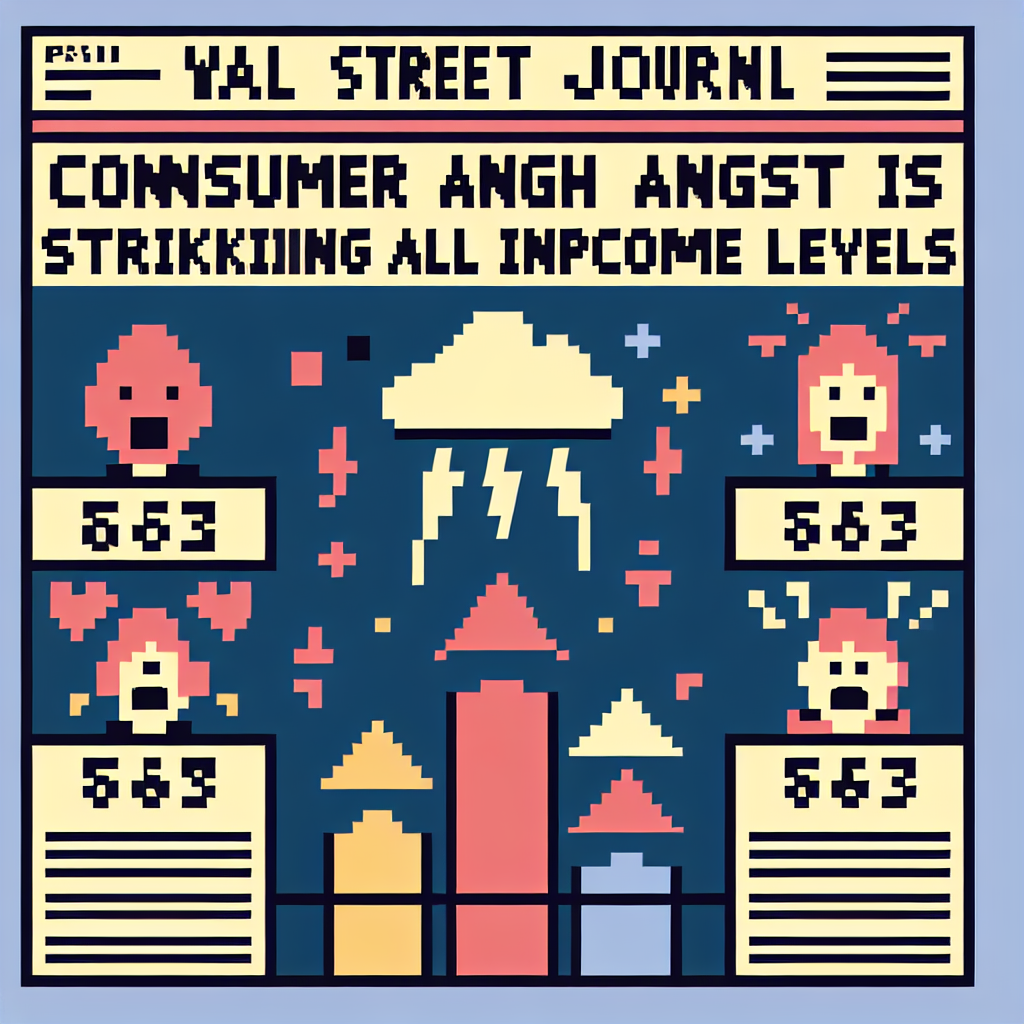
Consumer Angst Is Striking All Income Levels – The Wall Street Journal | Analysis by Brian Moineau

Consumer Angst Is Striking All Income Levels - The Wall Street Journal | Analysis by Brian Moineau

Consumer Angst: When Even Retail Therapy Can't Save the Day


In a world where retail therapy is often the go-to stress reliever, something unsettling is brewing across all income levels. The Wall Street Journal recently highlighted a growing sense of consumer angst that's impacting spending habits on everything from the essentials to the extravagant. It seems that no one is immune to the financial jitters, not even those who might traditionally be thought of as financially secure.

The Great Equalizer: Economic Uncertainty


What’s intriguing about this trend is its cross-demographic reach. Historically, economic downturns tend to hit lower-income households the hardest. But this time, the unease is palpable across the board. Whether it’s cutting back on avocado toast or postponing the purchase of a new Tesla, everyone is feeling the pinch. The phrase "keeping up with the Joneses" might be morphing into "keeping up with the savings account."

This isn't merely a domestic issue. Across the pond, the UK is experiencing similar trends. According to a report by The Guardian, British consumers are also tightening their belts, reflecting a broader, global sentiment of caution. The reasons are manifold - looming recession fears, fluctuating stock markets, and unpredictable global events like the war in Ukraine are all contributing to this widespread consumer anxiety.

The Ripple Effect: Beyond the Wallet


The impact of this spending slowdown is not just financial. It’s reshaping industries and altering business strategies. Retailers are having to rethink inventory and marketing approaches. Even luxury brands, once thought to be recession-proof, are seeing shifts in consumer behavior. It's a fascinating, albeit challenging, time for businesses as they navigate these uncertain waters.

Moreover, the angst isn't just about money. It’s about security, stability, and the future. The pandemic taught us all that nothing is guaranteed, and now, with inflation and geopolitical tensions, many are revisiting this lesson.

A Light at the End of the Tunnel?


So, where does that leave us? Is there a silver lining to this cloud of consumer caution? Perhaps. Financial experts often suggest that periods of reduced spending can lead to increased savings, which in turn can foster long-term economic stability. A Financial Times article suggests that this could be a time for households to bolster their financial literacy and prepare for future uncertainties.

Additionally, this period of introspection might lead to more sustainable consumption patterns. As people become more mindful of their purchases, there could be a positive shift towards quality over quantity, benefiting the environment and society in the long run.

Final Thoughts


In times of uncertainty, it's easy to focus on the negatives. But there's something to be said for the resilience and adaptability of consumers worldwide. As we navigate these choppy economic waters, perhaps the key is to find balance—between spending and saving, between wants and needs.

Ultimately, consumer angst, while unsettling, could serve as a catalyst for smarter financial decisions and a more sustainable future. After all, every challenge presents an opportunity for growth and change. So, let's embrace this moment of reflection and use it as a stepping stone to a more secure and conscientious tomorrow.

For more insights on the topic, you can read the original Wall Street Journal article [here](https://www.wsj.com/).

Read more about AI in Business

Read more about Latest Sports Trends

Read more about Technology Innovations